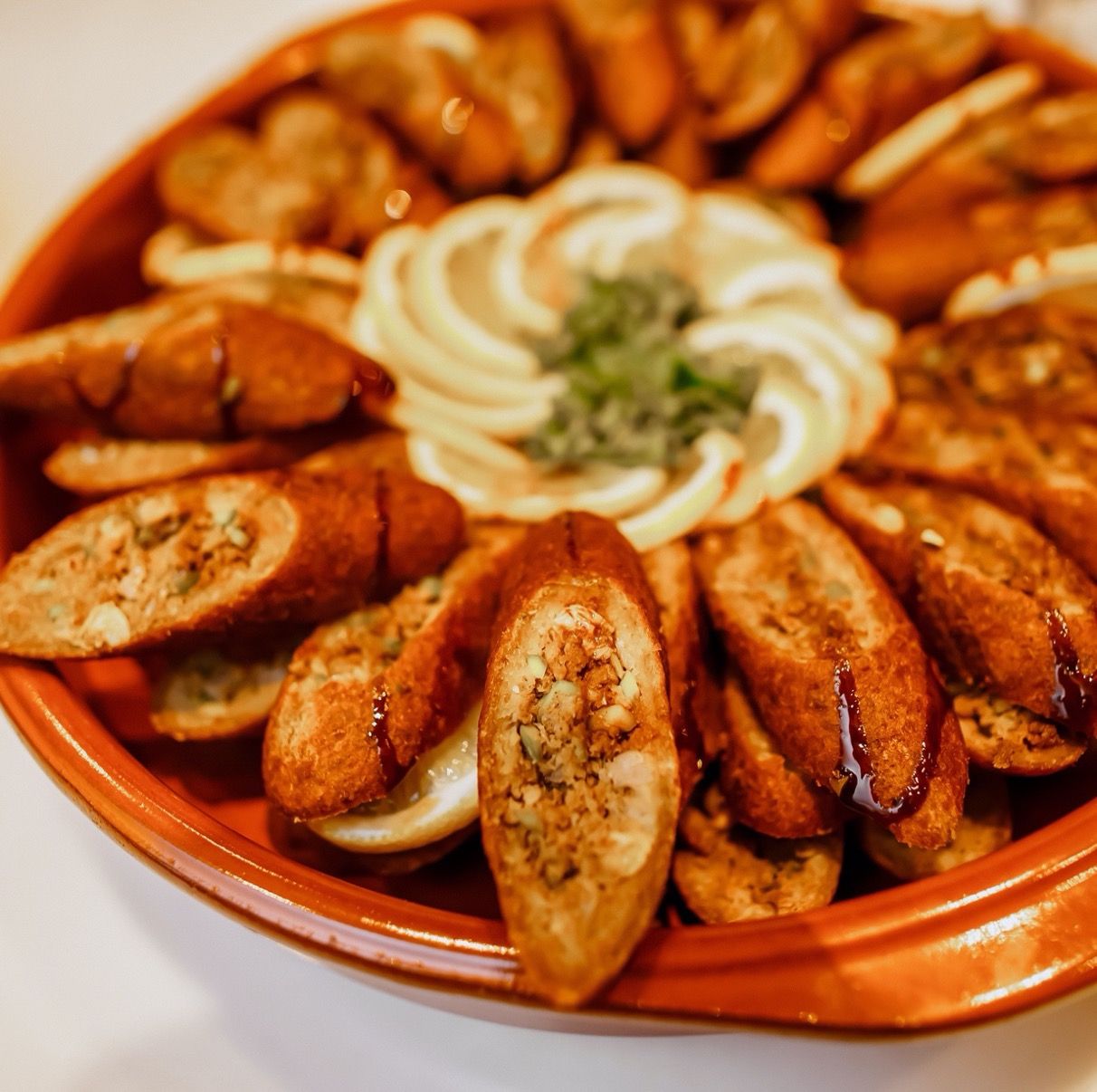
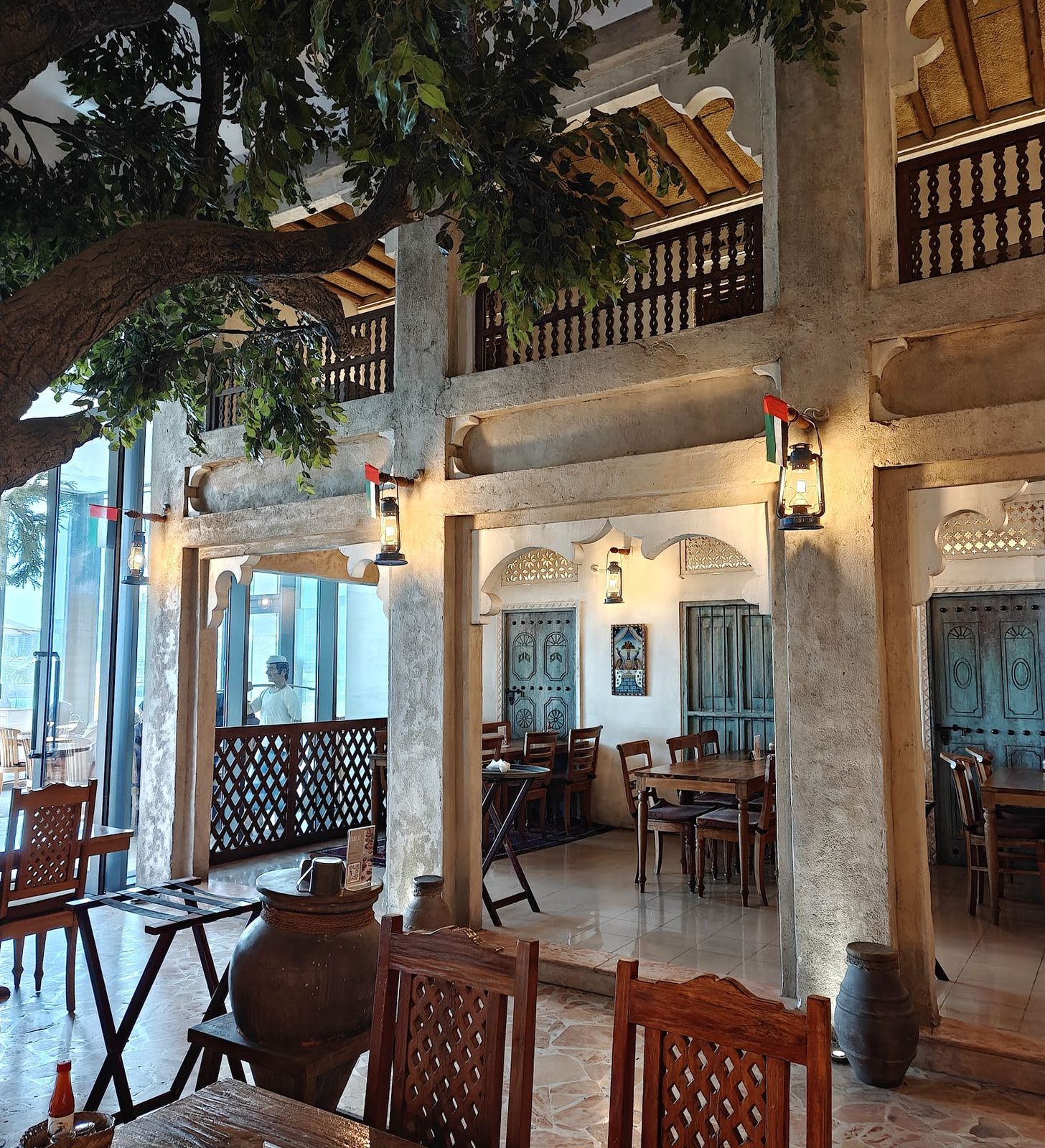
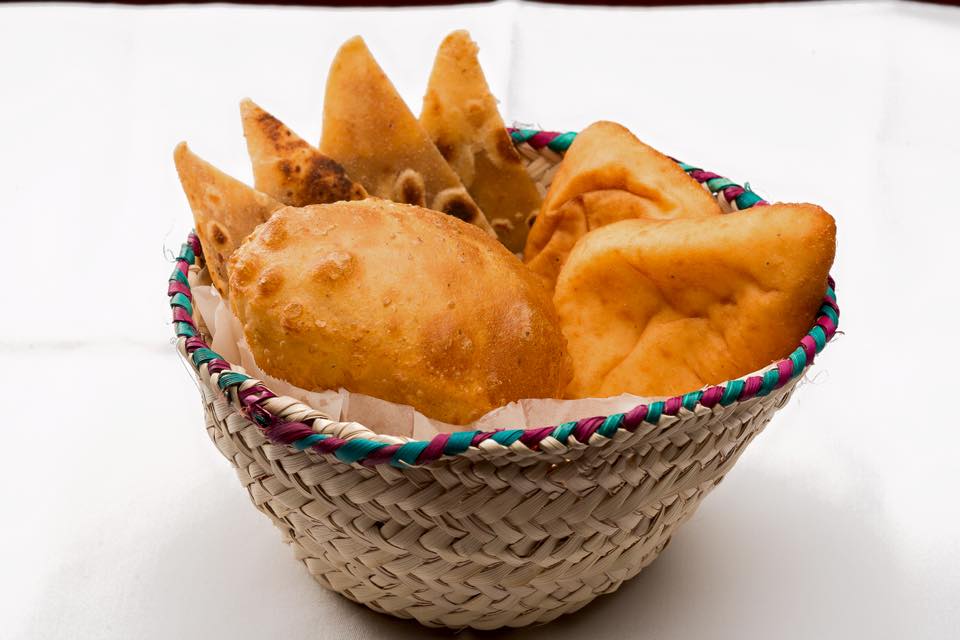
Harees is one of the oldest dishes on the Arabian Peninsula: cracked or whole wheat slow-cooked with meat — usually chicken or lamb — until the two collapse into a thick, savoury porridge, then beaten smooth and topped with hot ghee. It is comfort food, celebration food, and above all Ramadan food. Simple to describe, deceptively hard to do well.
Because it takes hours and a patient hand, the best harees in Dubai comes from kitchens that treat Emirati cooking as heritage rather than novelty. We visited six of them across Al Fahidi, Deira and City Walk in June 2026. Prices are per bowl or per person as noted.
Which Dubai restaurant serves the best harees?
| Restaurant | Area | Cuisine | Price for two | Signature dish | Rating |
|---|---|---|---|---|---|
| Al Fanar Restaurant | Dubai Festival City & Al Seef | Emirati | AED 160 | Chicken harees | 4.4★ |
| Arabian Tea House | Al Fahidi, Bur Dubai | Emirati-Levantine | AED 140 | Lamb harees | 4.3★ |
| Aseelah | Radisson Blu, Deira Creek | Emirati | AED 260 | Harees with lamb ouzi | 4.2★ |
| Bait Al Luban | Al Seef / Deira | Omani-Emirati | AED 180 | Harees & shuwa | 4.3★ |
| Logma | City Walk & Box Park | Modern Emirati | AED 130 | Harees, modern style | 4.2★ |
| Al Khaymah Heritage | Bur Dubai | Emirati | AED 120 | Traditional harees | 4.1★ |
1. Al Fanar Restaurant
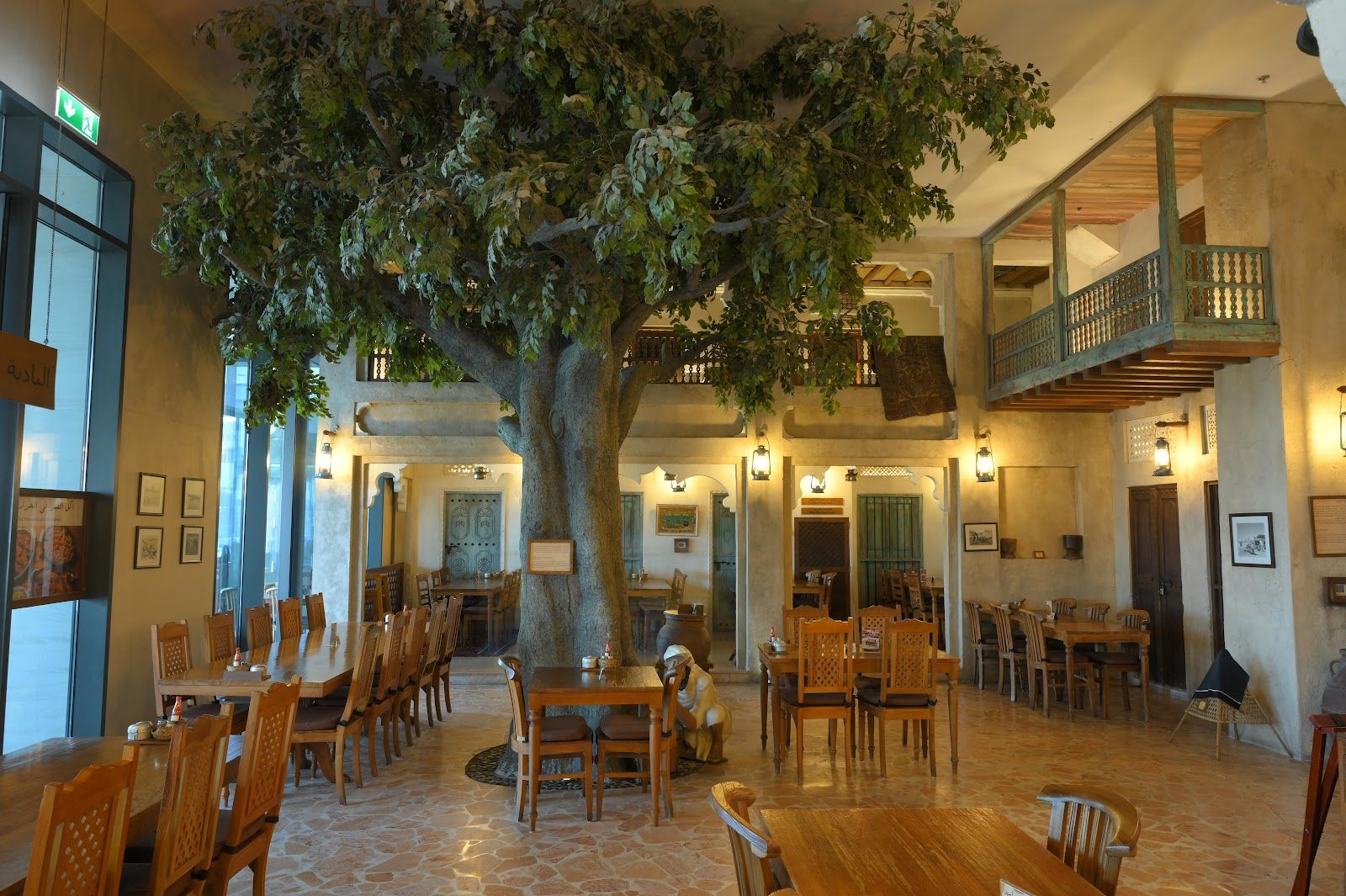
Al Fanar builds its whole experience around pre-oil Emirati life, lantern-lit majlis seating and all, and the harees is the dish that proves the kitchen means it. It arrives properly smooth, gently savoury, with a slick of ghee and a dusting of cinnamon sugar on the side so you can take it savoury or sweet.
It's the most accessible introduction to Emirati food in the city, which is exactly why it's the one to send first-timers to.
What to order: Chicken harees (around AED 32), a plate of balaleet, and Emirati tea. Save room for luqaimat.
2. Arabian Tea House
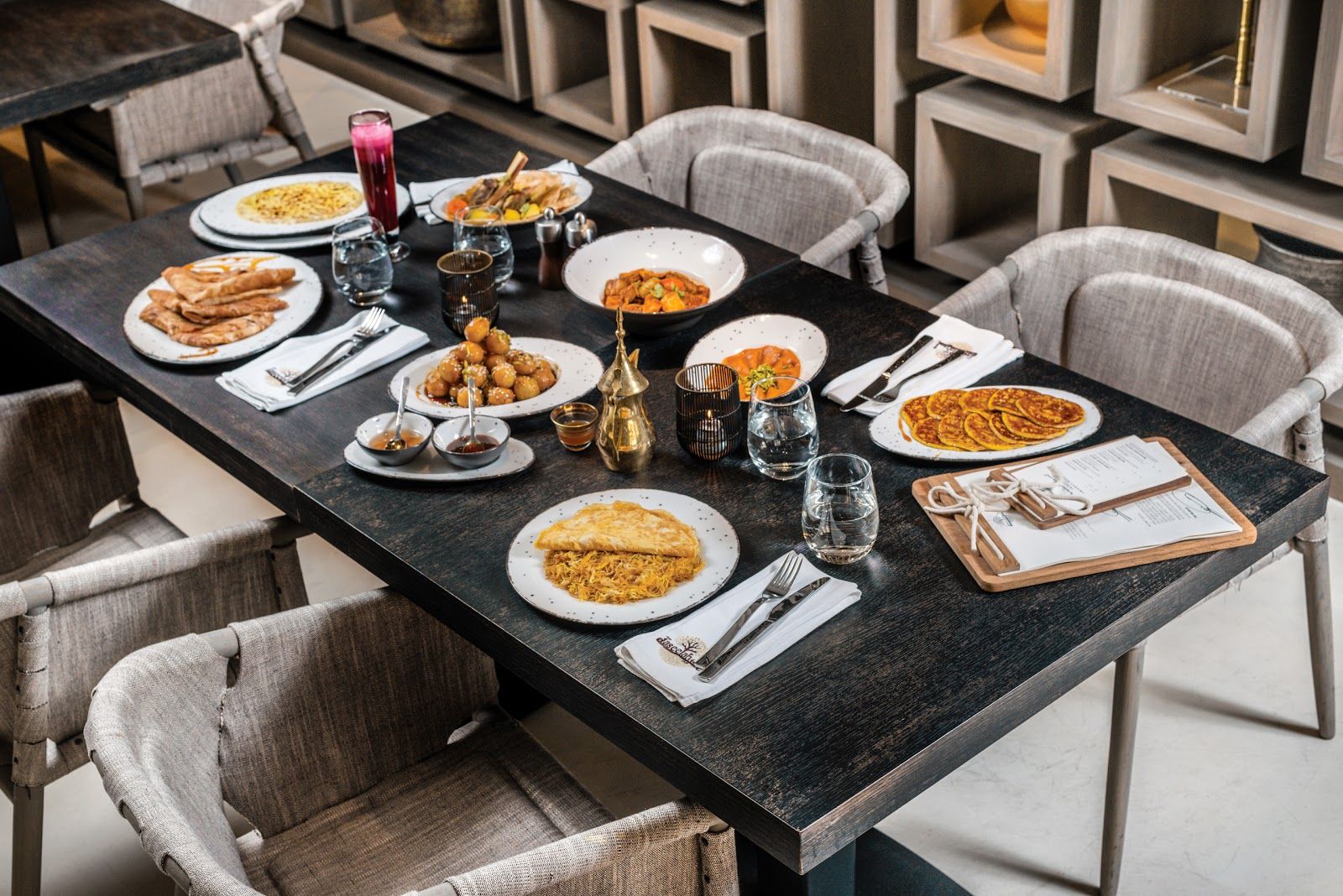
Set in a restored courtyard house in the Al Fahidi historic quarter, Arabian Tea House is worth visiting for the setting alone — blue wooden chairs, climbing vines, birdsong. The harees is a quieter, homier version than Al Fanar's, and it slots into an Emirati breakfast spread that's one of the loveliest in the city.
Come mid-morning on a cooler day and take a courtyard table.
What to order: Lamb harees, the Emirati breakfast platter (chebab, khameer, date molasses), and a karak chai.
3. Aseelah
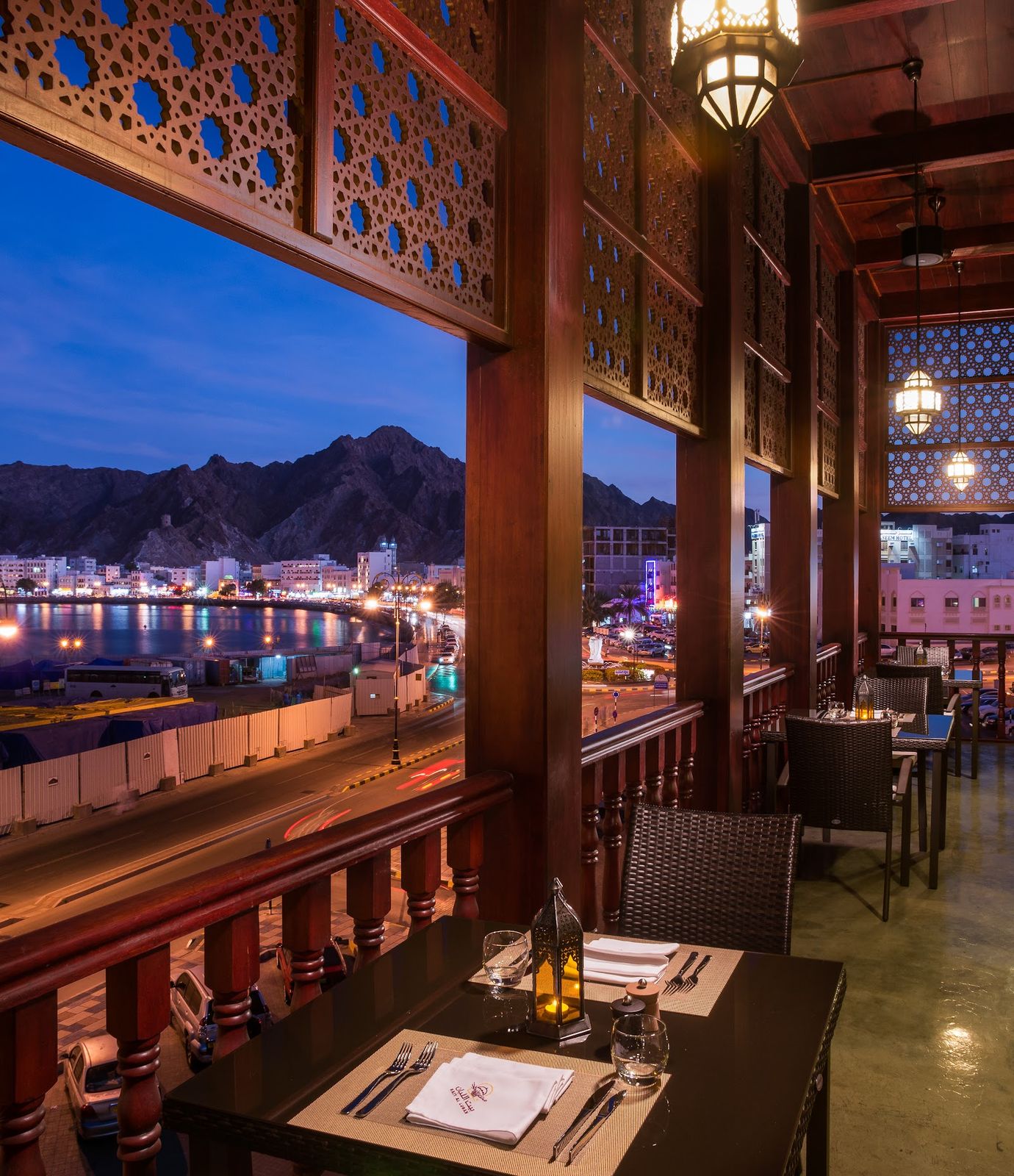
Aseelah is where Emirati home cooking gets a hotel-restaurant setting and a creek view. The harees is refined and consistent, and the broader menu — ouzi, machboos, jasheed — makes it the best spot to explore Emirati cooking beyond the one dish.
Pricier than the heritage cafes, but the cooking and the Deira Creek outlook justify it for a special dinner.
What to order: Harees, lamb ouzi to share, and the mixed Emirati starter platter.
4. Bait Al Luban
Bait Al Luban leans Omani but shares the Gulf's core repertoire, and its harees holds its own against the Emirati specialists. The real reason to come is to pair it with shuwa — slow-cooked spiced lamb — for a fuller Peninsula spread.
The waterfront Al Seef branch is the atmospheric one.
What to order: Harees, shuwa lamb, and Omani halwa with kahwa to finish.
5. Logma
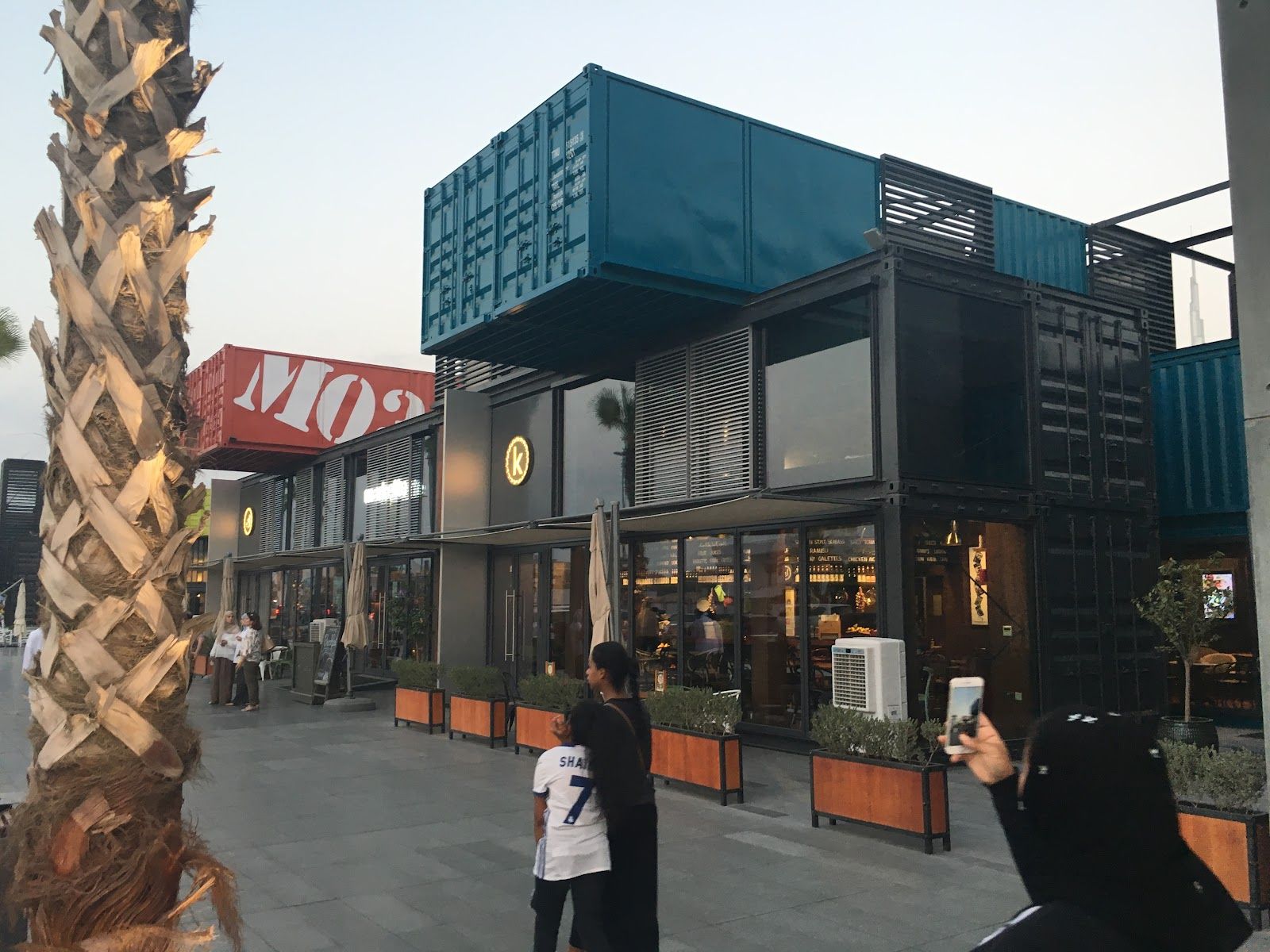
Logma is the fun, contemporary end of the spectrum — Emirati flavours in a bright City Walk café, famous for its chebab and karak. The harees is a tidier, café-sized bowl, a good gateway for anyone who finds the traditional version too austere.
Great for a casual lunch when you want Emirati flavours without the full heritage sit-down.
What to order: Harees, a chebab stack, and a saffron karak (around AED 18).
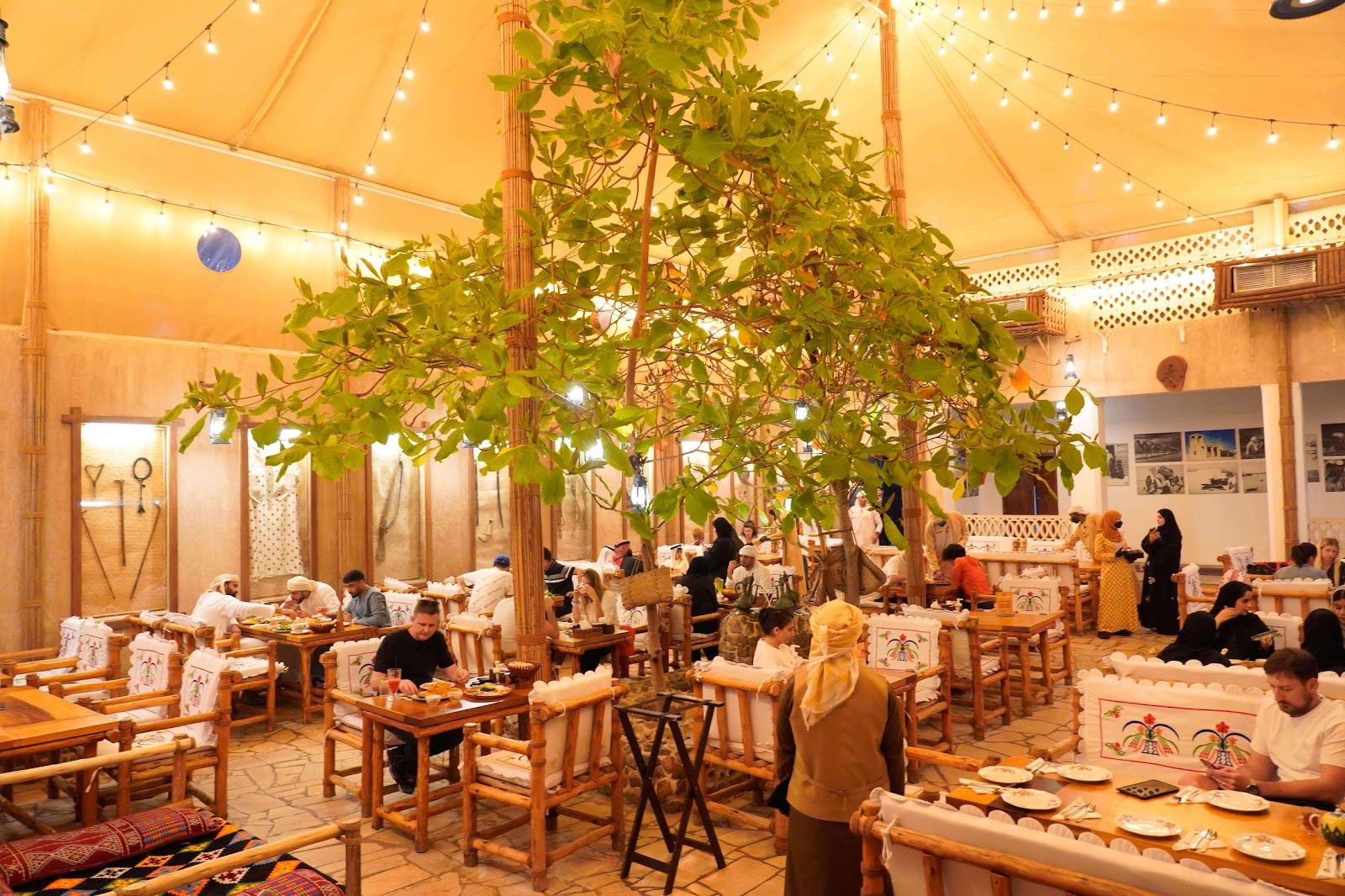
6. Al Khaymah Heritage
A quieter, more affordable heritage option, Al Khaymah serves harees the plain, honest way with floor majlis seating and unfussy service. There's less polish than Al Fanar, but the harees itself is properly made.
A solid neighbourhood choice if you want the dish without the tourist footfall.
What to order: Harees and machboos dajaj (chicken), with laban to drink.
What exactly is harees?
Harees (sometimes spelled harees or jareesh in neighbouring Gulf states) is wheat and meat cooked low and slow for hours until they break down into a single, silky porridge, then whipped or pounded to a smooth paste and finished with ghee. There's almost nothing to it — wheat, meat, water, salt — which is exactly why it's hard: the whole dish lives or dies on patience and texture.
It's eaten across the Arabian Peninsula and turns up at weddings, Eid and, above all, iftar during Ramadan, when its gentle, filling nature makes it the perfect thing to break a fast on.
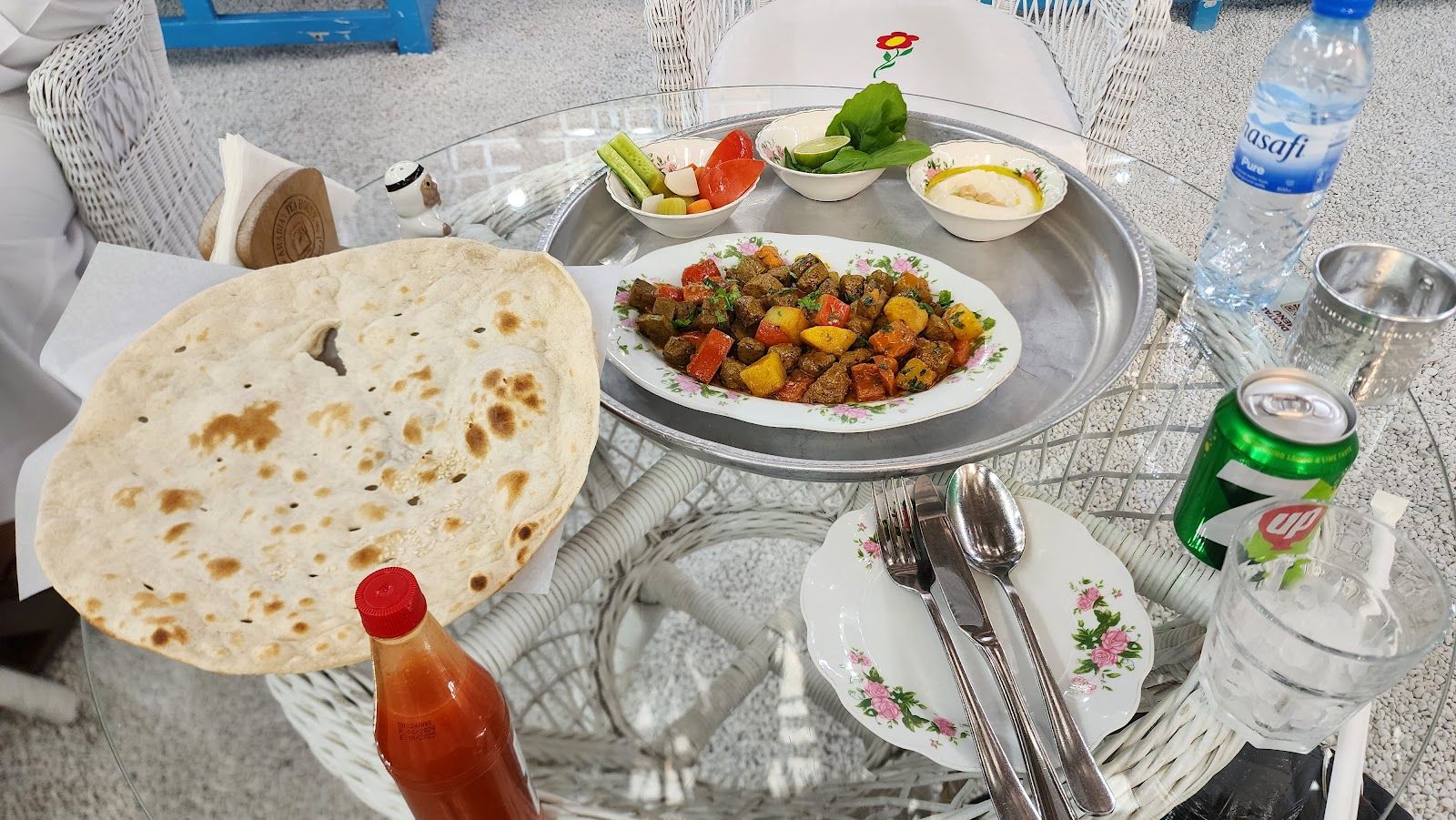
How to eat it: harees is traditionally savoury, but many Emirati kitchens serve cinnamon and sugar alongside. Try the first few spoons plain to taste the ghee and wheat, then sweeten the rest — that's how a lot of Emirati families eat it at home.
Where is the best Emirati food in Dubai?
The heritage quarter of Bur Dubai — Al Fahidi and Al Seef — is the heart of it, home to Arabian Tea House, Bait Al Luban and Al Khaymah. Al Fanar has branches across the city including Festival City, while Aseelah sits over in Deira. For the modern version, City Walk's Logma leads.
To go deeper into the cuisine, read our complete Emirati food guide and the ranked best Emirati restaurants in Dubai.
When is the best time to eat harees in Dubai?
Harees is available year-round at the restaurants above, but it takes on real meaning during Ramadan, when it's a fixture of the iftar table across the UAE. If you're in Dubai during the holy month, an Emirati iftar with harees, machboos and dates is one of the city's great seasonal experiences.
Outside Ramadan, treat it as a breakfast or early-lunch dish — it's rich and filling, and it pairs beautifully with a karak or Emirati kahwa. Compare regional versions in our al harees guide.
Frequently Asked Questions
Where can I eat the best harees in Dubai?
Al Fanar Restaurant is the most-recommended for traditional Emirati harees, with Arabian Tea House in Al Fahidi and Aseelah in Deira close behind. All serve it the classic way, slow-cooked and finished with ghee.
What is harees made of?
Harees is made from wheat (cracked or whole) and meat, usually chicken or lamb, slow-cooked for hours until they merge into a smooth, thick porridge, then beaten and topped with ghee. It is lightly salted and sometimes served with cinnamon sugar.
Is harees the same as haleem?
They're close cousins but not identical. Harees is Emirati and Gulf, made simply from wheat and meat with a smooth texture. Haleem is South Asian and richer, made with mixed lentils and grains and heavily spiced. Both are slow-cooked comfort dishes.
How much does harees cost in Dubai?
A bowl of harees costs roughly AED 28–45 at Emirati heritage restaurants. A fuller meal for two with sides and drinks runs AED 120–160 at the heritage cafes, or AED 250+ at an upscale spot like Aseelah.