Hilsa — ilish to Bengalis — is the fish that defines Bengali cooking: oily, richly flavoured, riddled with fine bones and worshipped with an intensity no other fish inspires. In Dubai, a growing Bengali and Bangladeshi community means you can eat it properly cooked — steamed in mustard, fried in its own oil, or simmered in a light jhol — if you know where to look.
We visited the city's Bengali specialists across Karama, Bur Dubai and Al Rigga in May and June 2026 to find the kitchens that treat ilish with the respect it demands. The list is short by design: doing hilsa well is hard, and only a handful of Dubai kitchens truly nail it. Prices are per hilsa dish.
Which restaurant serves the best hilsa in Dubai?
| Restaurant | Area | Cuisine | Price for two | Signature dish | Rating |
|---|---|---|---|---|---|
| Babumoshai | Karama | Bengali | AED 160 | Shorshe ilish | 4.4★ |
| City of Joy | Karama / Al Rigga | Bengali | AED 130 | Ilish bhapa | 4.2★ |
| Bangla Darbar | Bur Dubai | Bangladeshi-Bengali | AED 110 | Ilish fry & jhol | 4.1★ |
| De Fish Seafood | Karama | Bengali seafood | AED 140 | Hilsa fry & paturi | 4.2★ |
1. Babumoshai
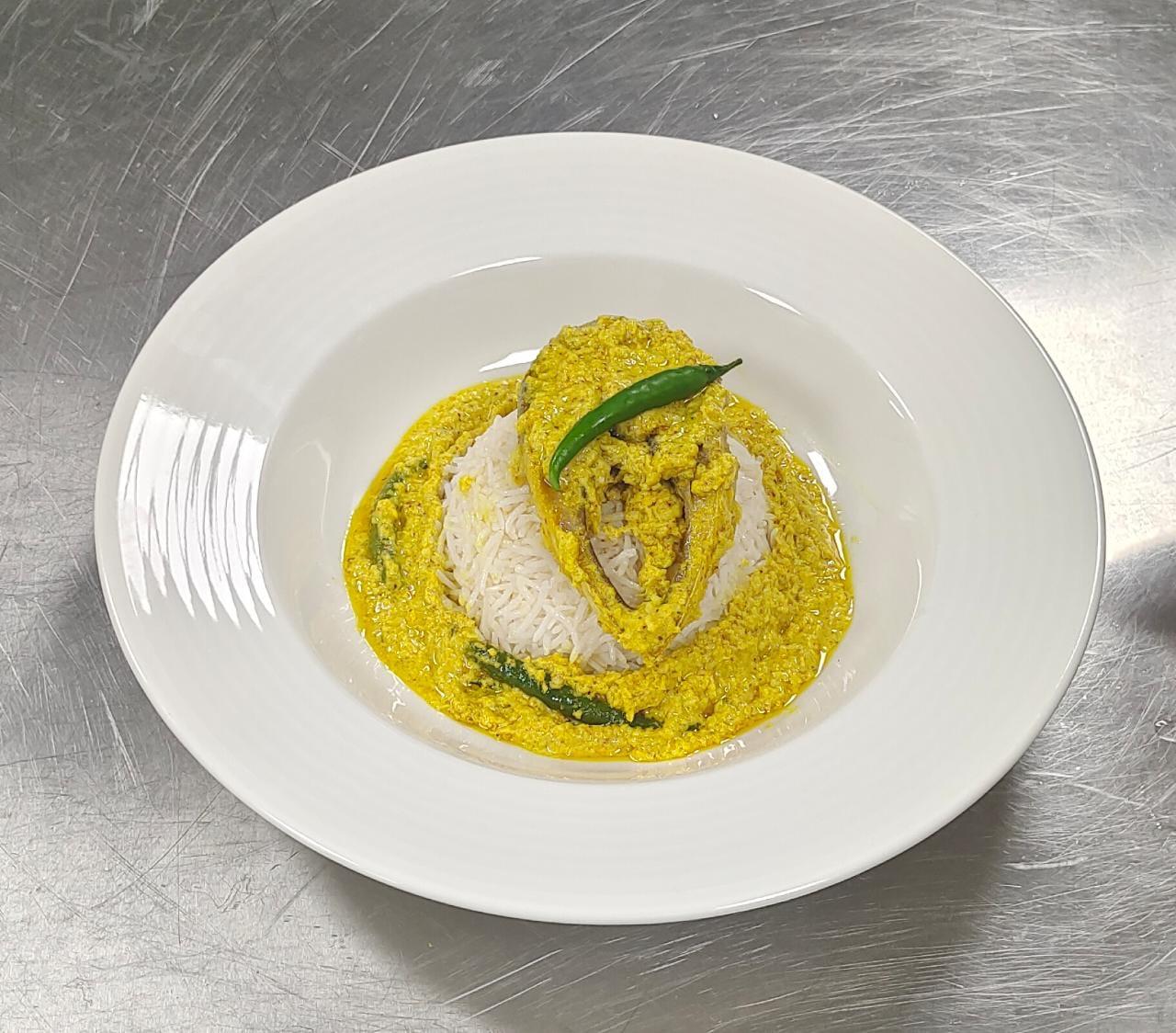
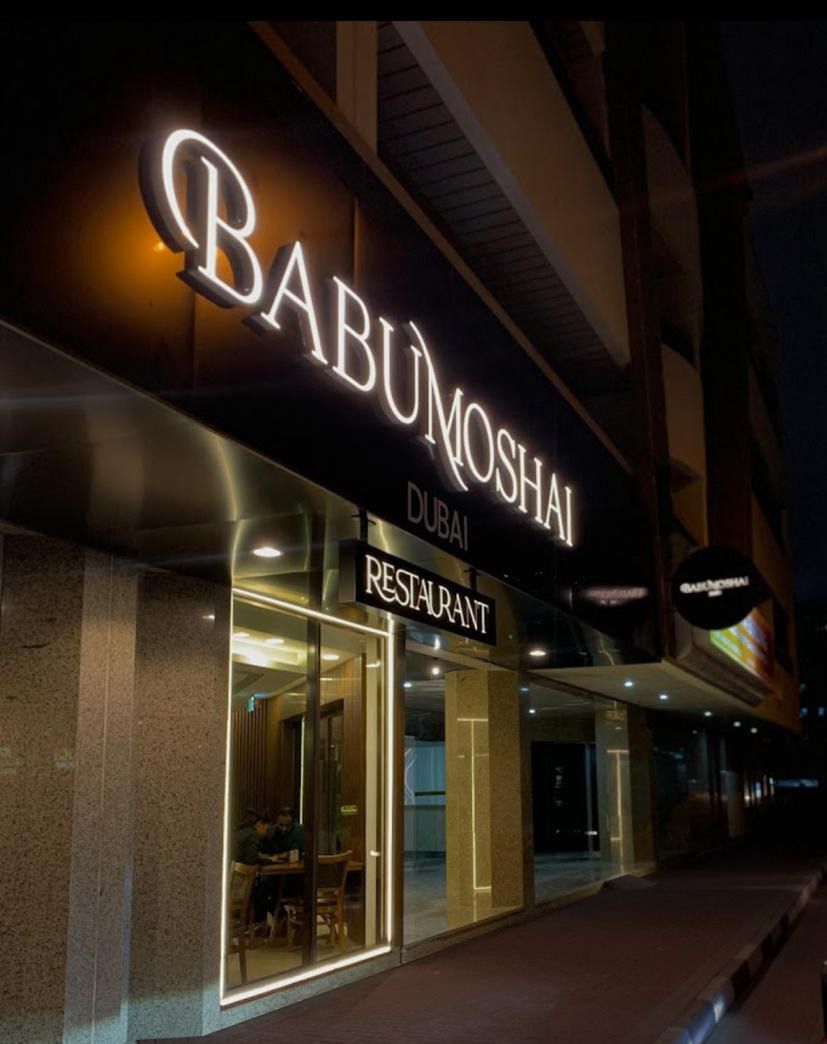
The most refined Bengali kitchen in Dubai, Babumoshai treats ilish as the centrepiece it should be. The shorshe ilish — steamed in a pungent mustard-and-green-chilli gravy — is sharp, oily and exactly right, best eaten with a mound of steamed rice to cut the mustard's edge.
The room is small and the cooking careful; this is the one to bring a homesick Bengali friend to. Book ahead in monsoon season when demand spikes.
What to order: Shorshe ilish (around AED 75), a side of begun bhaja, and plain rice. Finish with mishti doi.
2. City of Joy
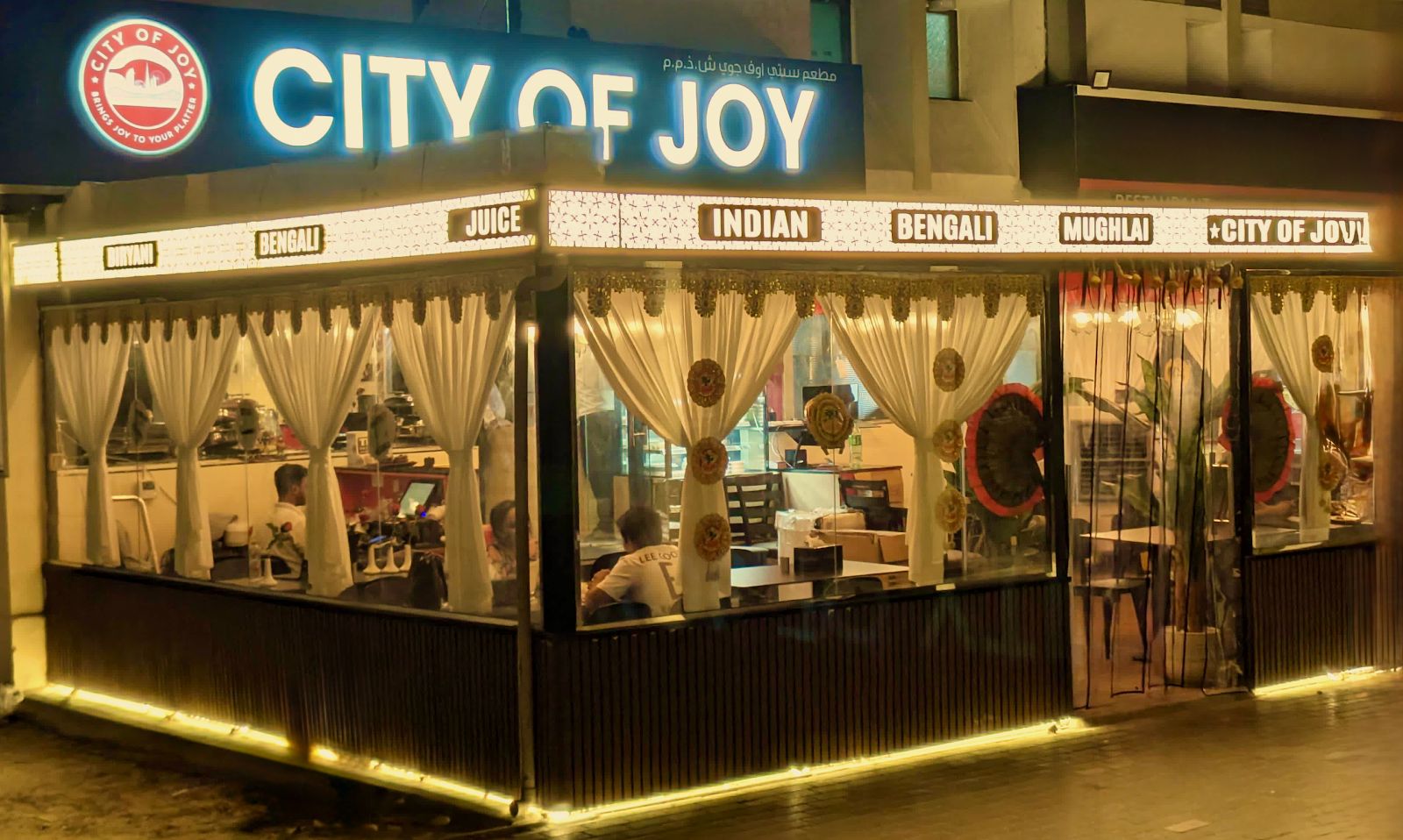
A Kolkata-style kitchen with a broad Bengali menu, City of Joy does an excellent ilish bhapa — hilsa steamed in a mustard-and-coconut paste, milder and creamier than the Babumoshai version. A gentler introduction for first-timers wary of raw mustard heat.
The wider fish menu (chingri, rui) is strong, and the Bengali sweets are the real bonus.
What to order: Ilish bhapa (around AED 65), aloo posto, and a couple of Bengali sweets to finish.
3. Bangla Darbar
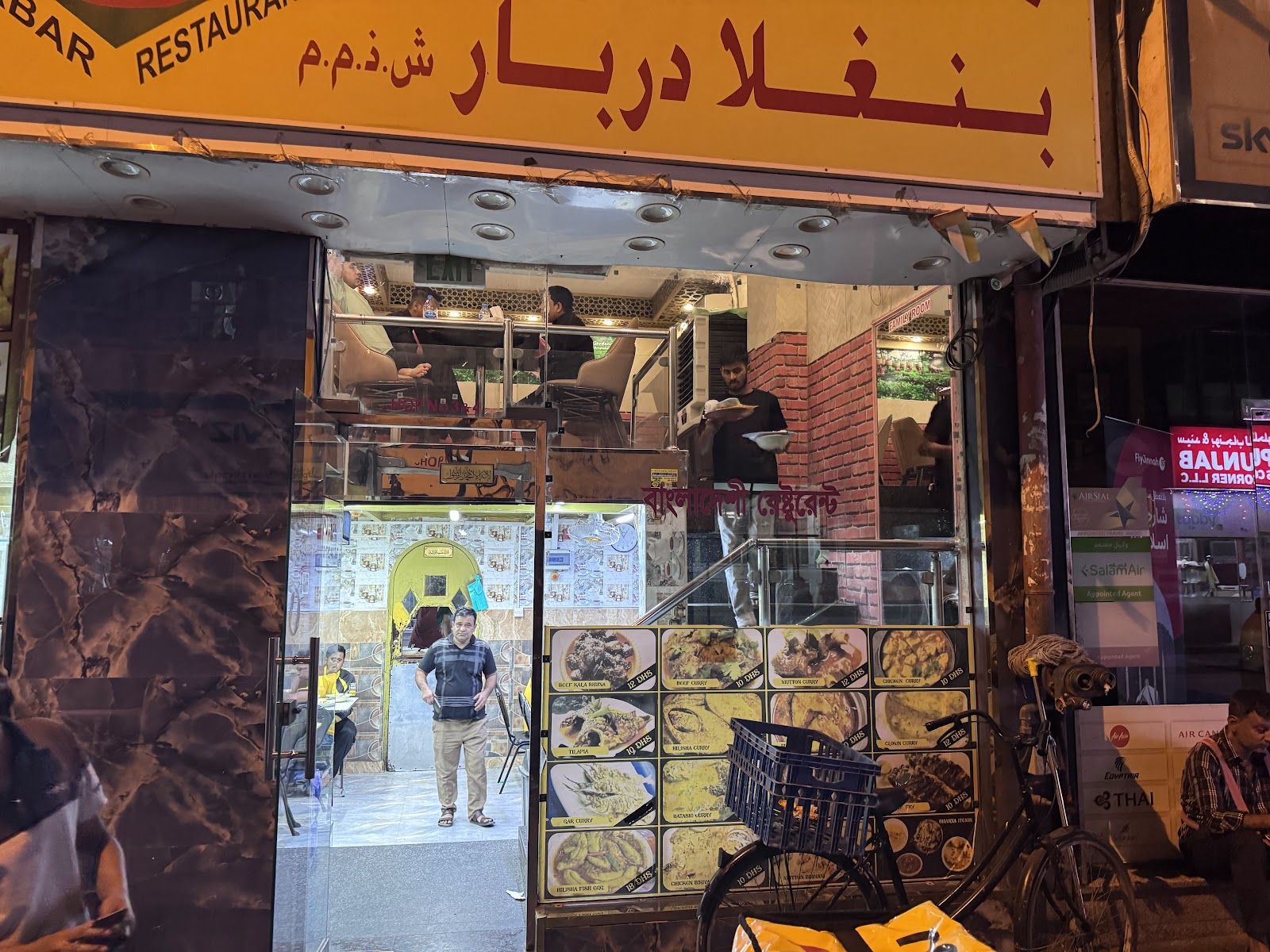
The value pick, Bangla Darbar serves home-style Bangladeshi cooking to Bur Dubai's Bengali community, and its ilish — simply fried, or in a light jhol with vegetables — is honest and generously portioned.
No frills, but the fish is fresh and the prices are the kindest on this list.
What to order: Ilish fry with the frying oil poured over rice (the local way), plus a shukto to start.
4. De Fish Seafood
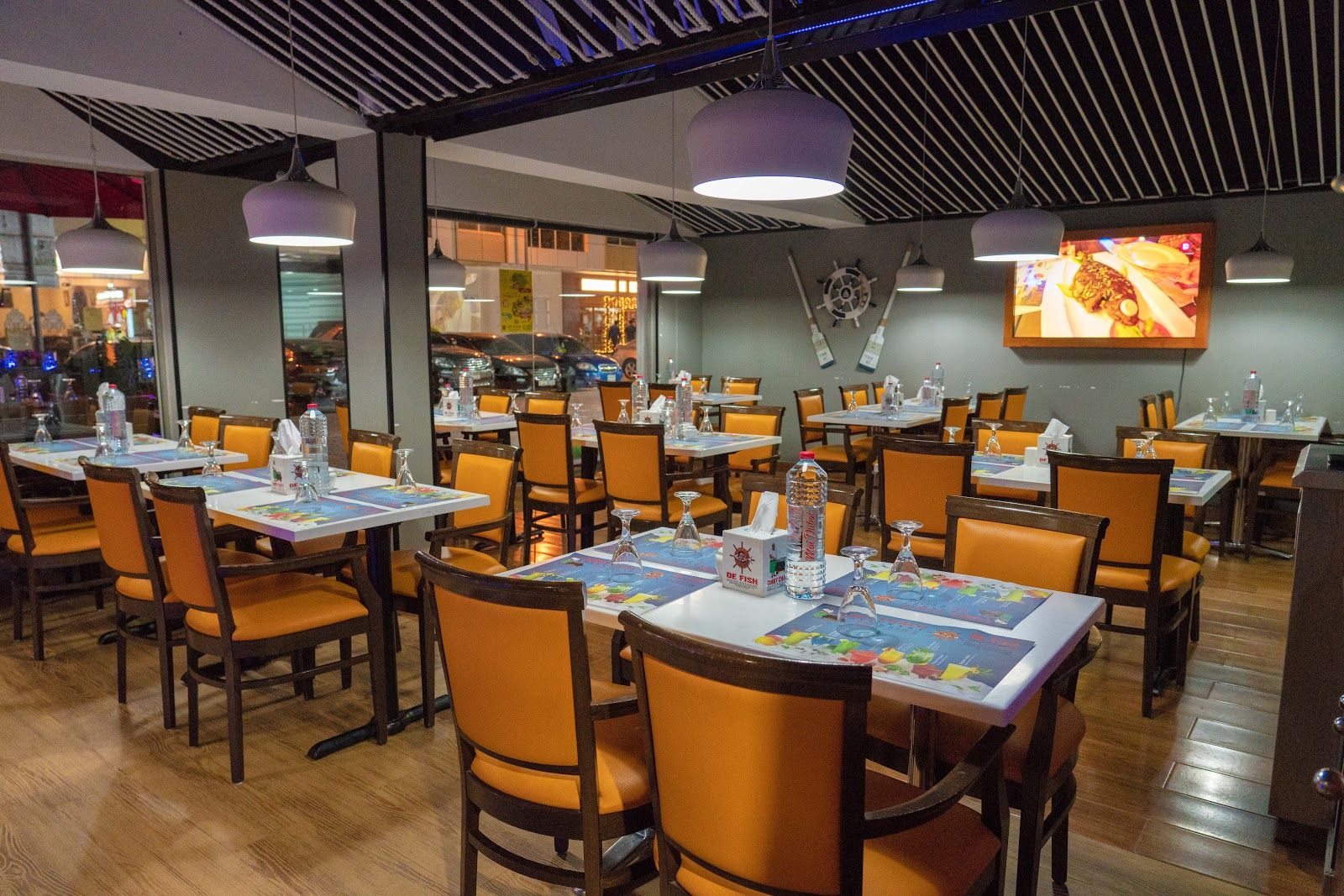
A seafood-forward Bengali spot, De Fish is the place for ilish paturi — hilsa wrapped in banana leaf with mustard and steamed until fragrant. The wider fish counter means you can build a proper Bengali seafood feast around it.
Order the paturi and let them recommend the day's freshest catch alongside.
What to order: Ilish paturi (around AED 70), a prawn malai curry, and rice for the table.
When is hilsa season in Dubai?
Hilsa is at its best during the monsoon — roughly June to September — when the fish is fattest and most flavourful back in the rivers of Bengal and Bangladesh. Dubai's Bengali kitchens track that calendar closely, and the freshest, most sought-after ilish lands in exactly those months, often flown in for the season.
You can eat hilsa year-round in Dubai from frozen stock, but for the real thing, time your visit to the monsoon window and ask the kitchen whether their ilish is fresh or frozen — a good Bengali cook will tell you straight.
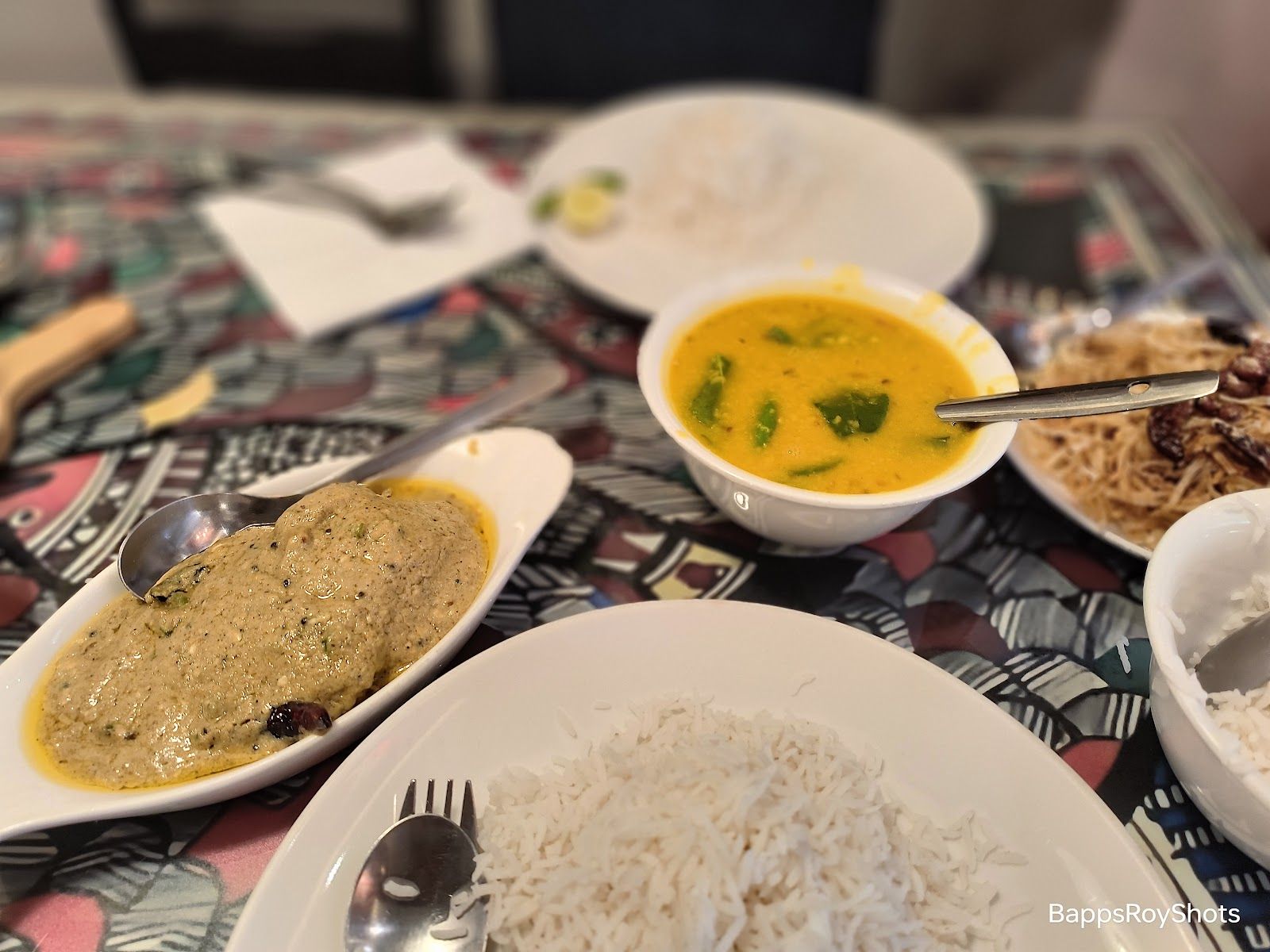
Eating tip: hilsa is famously bony. Eat it slowly, with your fingers, over rice — Bengalis mix the mustard gravy and a little of the fish oil through the rice first, which makes the fine bones far easier to manage. Never rush an ilish.
How should you eat hilsa?
The classic preparations are shorshe ilish (steamed in mustard gravy), ilish bhapa (steamed in a mustard-coconut paste), ilish paturi (wrapped in banana leaf) and simple ilish fry, where the rendered oil is poured over rice as a delicacy in itself. All of them are eaten with plain steamed rice — never bread — which balances the fish's oiliness and mustard's sharpness.
Start mild with bhapa if you're new to it, then graduate to the full-throttle shorshe ilish. For the wider cuisine, see our Bengali food guide and the ranked best Bengali restaurants in Dubai.
Where is the best Bengali food in Dubai?
Karama is the hub — Babumoshai, De Fish and City of Joy all sit within the district's dense South Asian dining grid. Bur Dubai has the more home-style Bangladeshi rooms like Bangla Darbar, and Al Rigga in Deira rounds out the scene with Bengali sweet shops.
Hilsa sits within our wider best South Asian restaurants pillar, and if the sweets caught your eye, our Bengali sweets guide maps the mishti.
Frequently Asked Questions
Where can I eat hilsa (ilish) in Dubai?
Babumoshai in Karama is the most-recommended for shorshe ilish in mustard gravy. City of Joy does an excellent milder ilish bhapa, Bangla Darbar in Bur Dubai is the value pick, and De Fish is best for banana-leaf paturi.
What is the best way to cook hilsa?
The classic Bengali preparations are shorshe ilish (steamed in mustard gravy), ilish bhapa (mustard-coconut steam), ilish paturi (wrapped in banana leaf) and simple ilish fry. All are eaten with plain steamed rice, never bread.
When is hilsa season in Dubai?
Hilsa is at its best during the monsoon months, roughly June to September, when the fish is fattest. Dubai's Bengali kitchens source their freshest ilish in that window, often flown in for the season.
Is hilsa very bony?
Yes, hilsa is famous for its many fine bones. The trick is to eat it slowly with your fingers over rice, mixing the mustard gravy and fish oil through the rice first, which makes the bones much easier to separate.