Seekh kebab is Dubai street-food royalty: spiced minced meat — usually mutton or beef — moulded onto a flat skewer and cooked hard and fast over live charcoal until the edges char and the centre stays juicy. The city does it exceptionally well because the cooks come from the places that invented it: Lahore, Karachi, Peshawar and Bur Dubai's old Iranian grills.
We ate our way through fifteen kebab houses across Bur Dubai, Karama and Deira in April and May 2026 to settle this list. The ranking rewards one thing above all: whether the kebab tastes of charcoal and hand-chopped meat rather than a factory paste. Prices are per person unless the table says otherwise, and every venue here is comfortably halal.
Which Dubai restaurant has the best seekh kebab?
| Restaurant | Area | Cuisine | Price for two | Signature dish | Rating |
|---|---|---|---|---|---|
| Al Ustad Special Kebab | Al Mankhool, Bur Dubai | Iranian-Pakistani | AED 90 | Mutton seekh kebab | 4.5★ |
| Dumpukht Restaurant | Karama | Pakistani | AED 120 | Beef seekh & bihari kebab | 4.3★ |
| Lahore Darbar | Deira | Pakistani | AED 100 | Charcoal seekh kebab | 4.2★ |
| Karachi Darbar | Karama & multiple | Pakistani | AED 70 | Seekh kebab skewers | 4.1★ |
| Bosporus Turkish Cuisine | The Dubai Mall & JBR | Turkish | AED 220 | Adana kebab | 4.4★ |
| Chicken Tikka Inn | Al Mankhool, Bur Dubai | Indian-Pakistani | AED 80 | Seekh & chicken tikka | 4.2★ |
1. Al Ustad Special Kebab
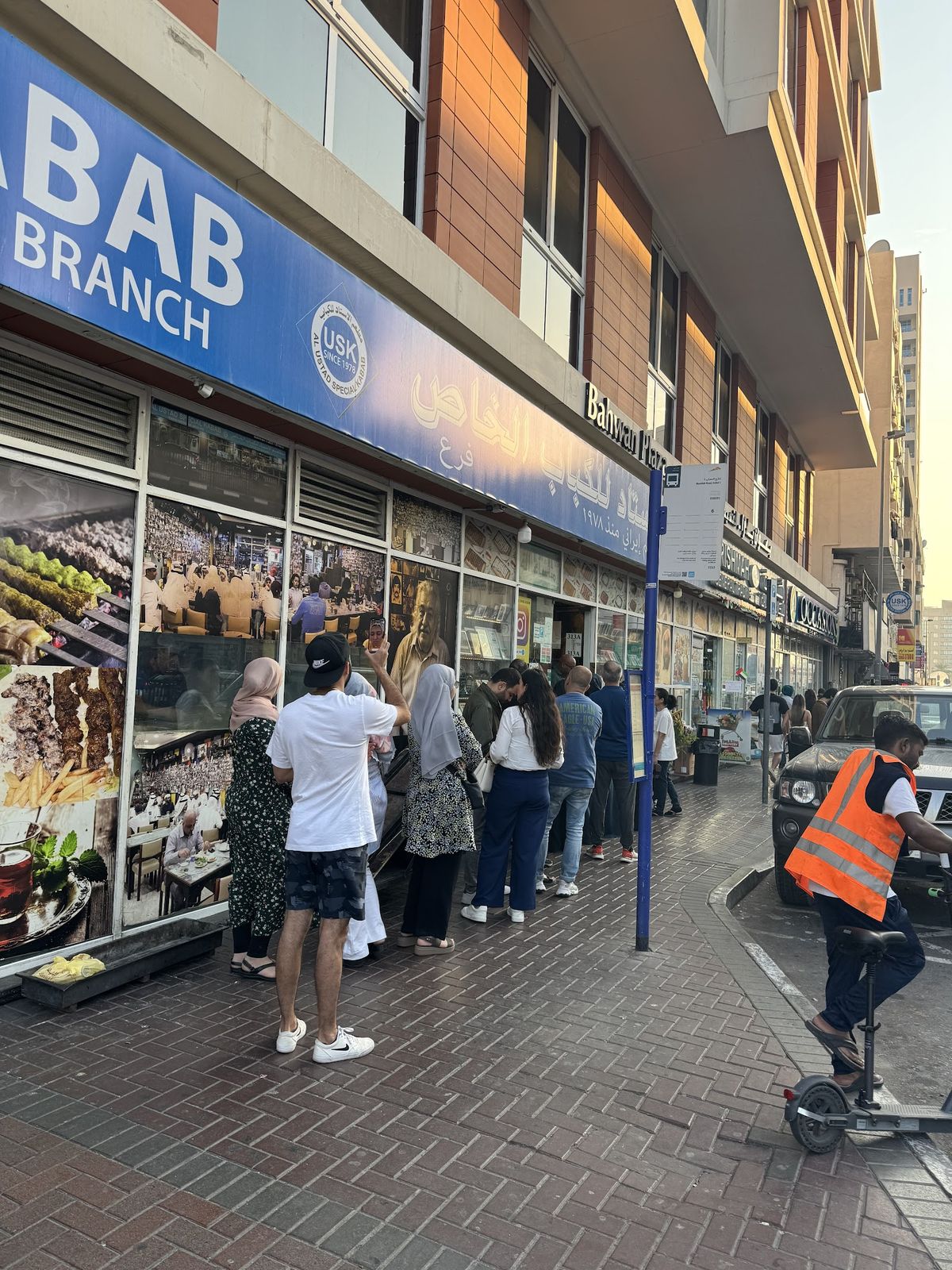
A Bur Dubai institution since 1978, Al Ustad is the kebab most Dubai locals name first, and rightly so. The mutton seekh is hand-minced, loosely packed and grilled until the outside blackens and the inside runs with fat. You eat it wall-to-wall with regulars under decades of framed celebrity photos.
Arrive before 7:30pm on a weekday or you'll queue on the pavement. Cash goes further than the polish suggests.
What to order: Mutton seekh kebab plate (around AED 35), a chicken tikka, and hot tandoori naan to wrap it in. Add a fresh lime mint for AED 12.
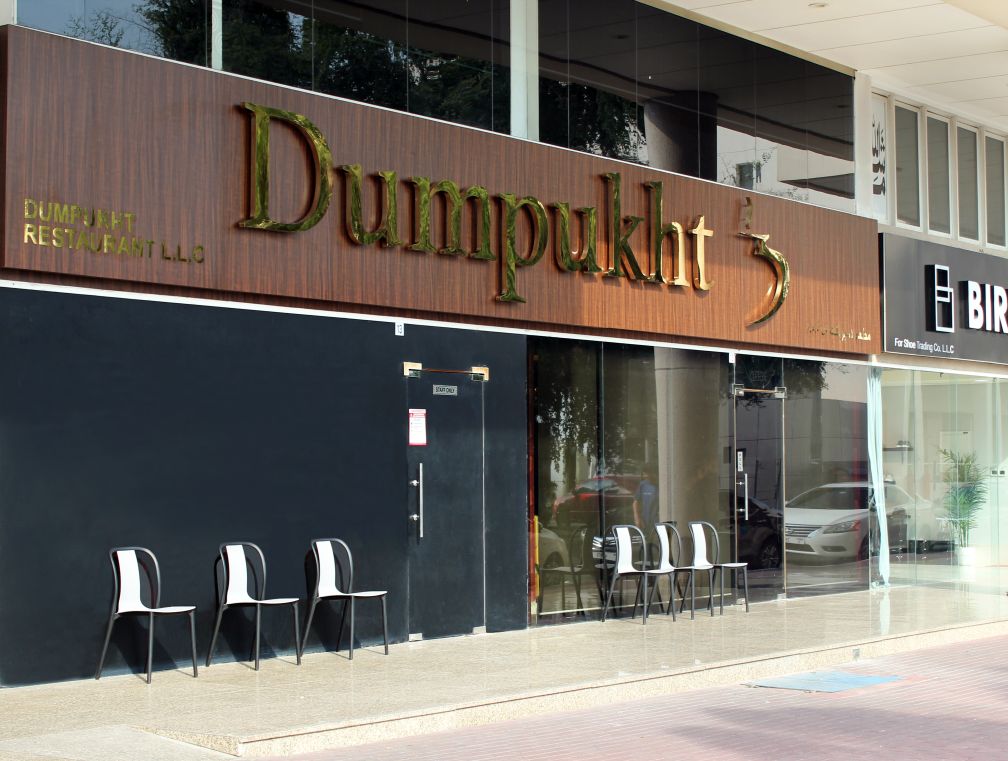
2. Dumpukht Restaurant
Dumpukht gives the Karama kebab crowd a slightly more polished room without losing the charcoal. The beef seekh is tighter and spicier than Al Ustad's mutton, and the bihari kebab — thin, tenderised, deeply marinated — is the one to add.
Good for a sit-down dinner when you want kebab but also karahi and fresh roghni naan on the table.
What to order: Beef seekh kebab, bihari kebab, and a mutton karahi to share (around AED 55 the karahi).
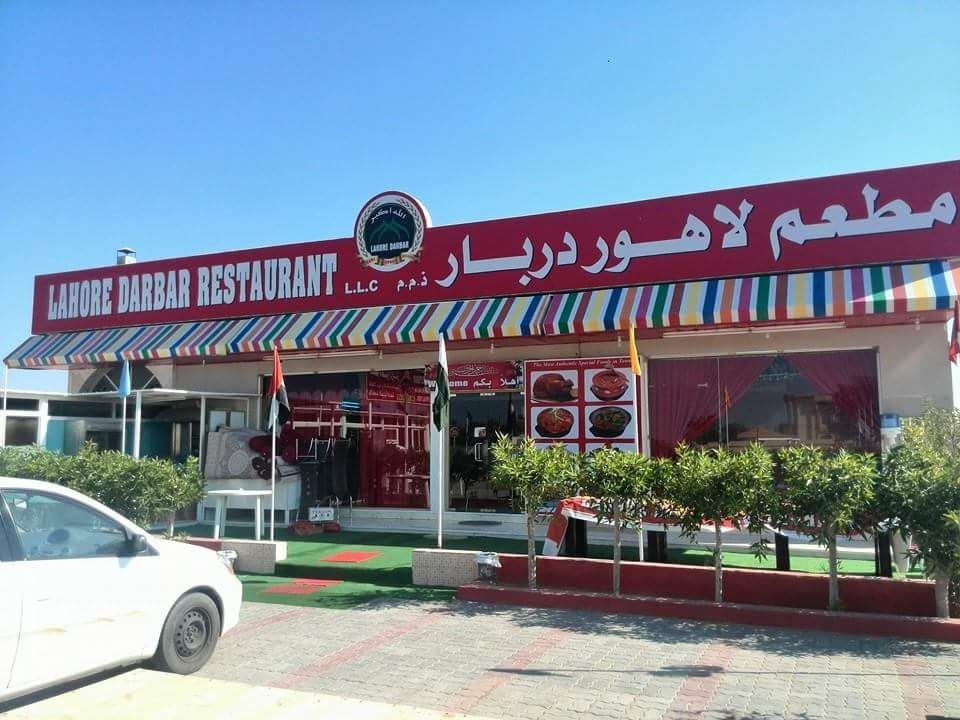
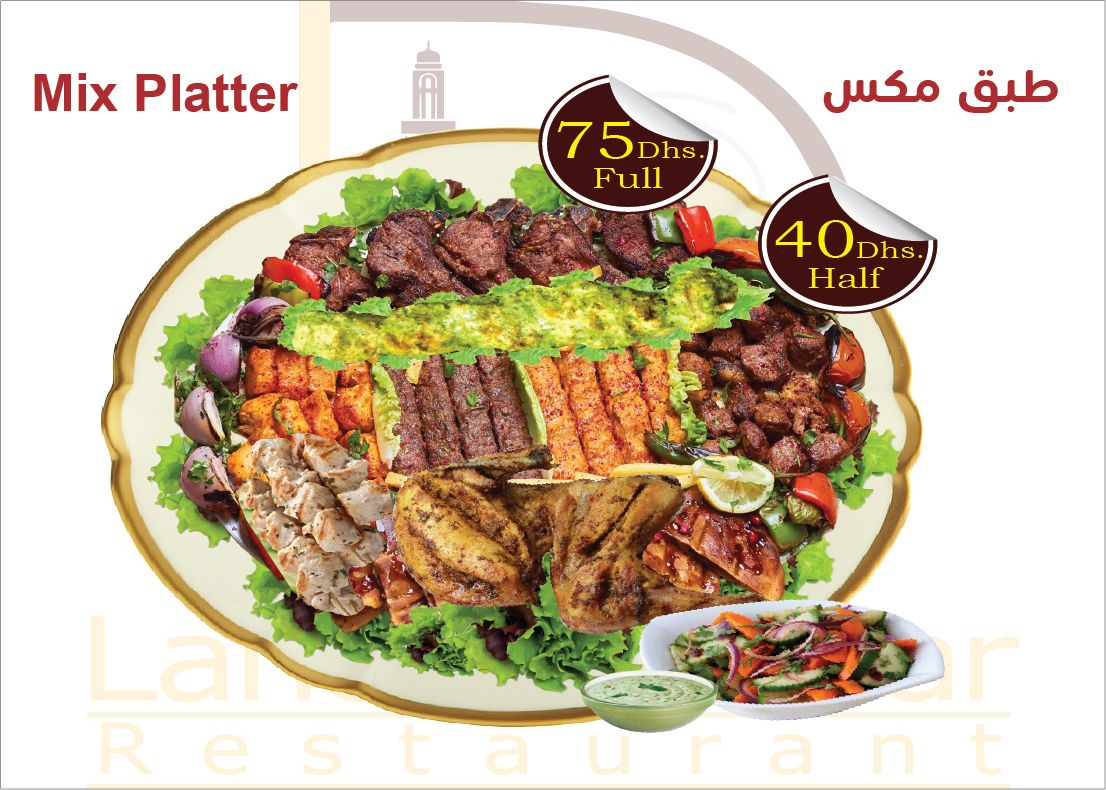
3. Lahore Darbar
Deira's answer to the Bur Dubai grills, Lahore Darbar keeps the charcoal going late and the portions generous. The seekh here is beefier and smokier, built for scooping with naan and a splash of the green chutney they bring unasked.
The dining room is basic and brisk. This is a refuelling stop, not a date, and it's all the better for it.
What to order: Seekh kebab, a plate of chicken malai boti, and butter naan. Two eat well for around AED 100.
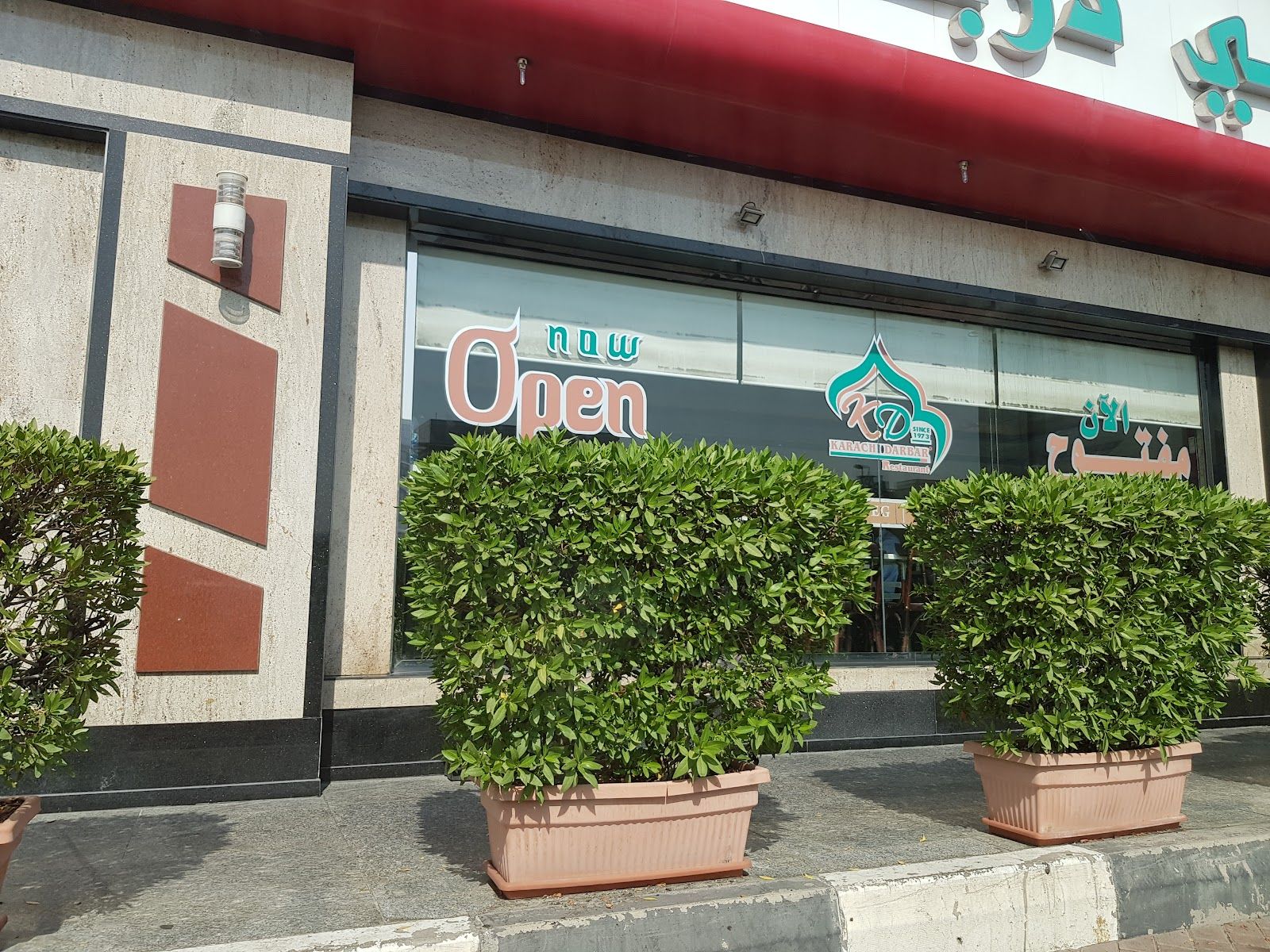
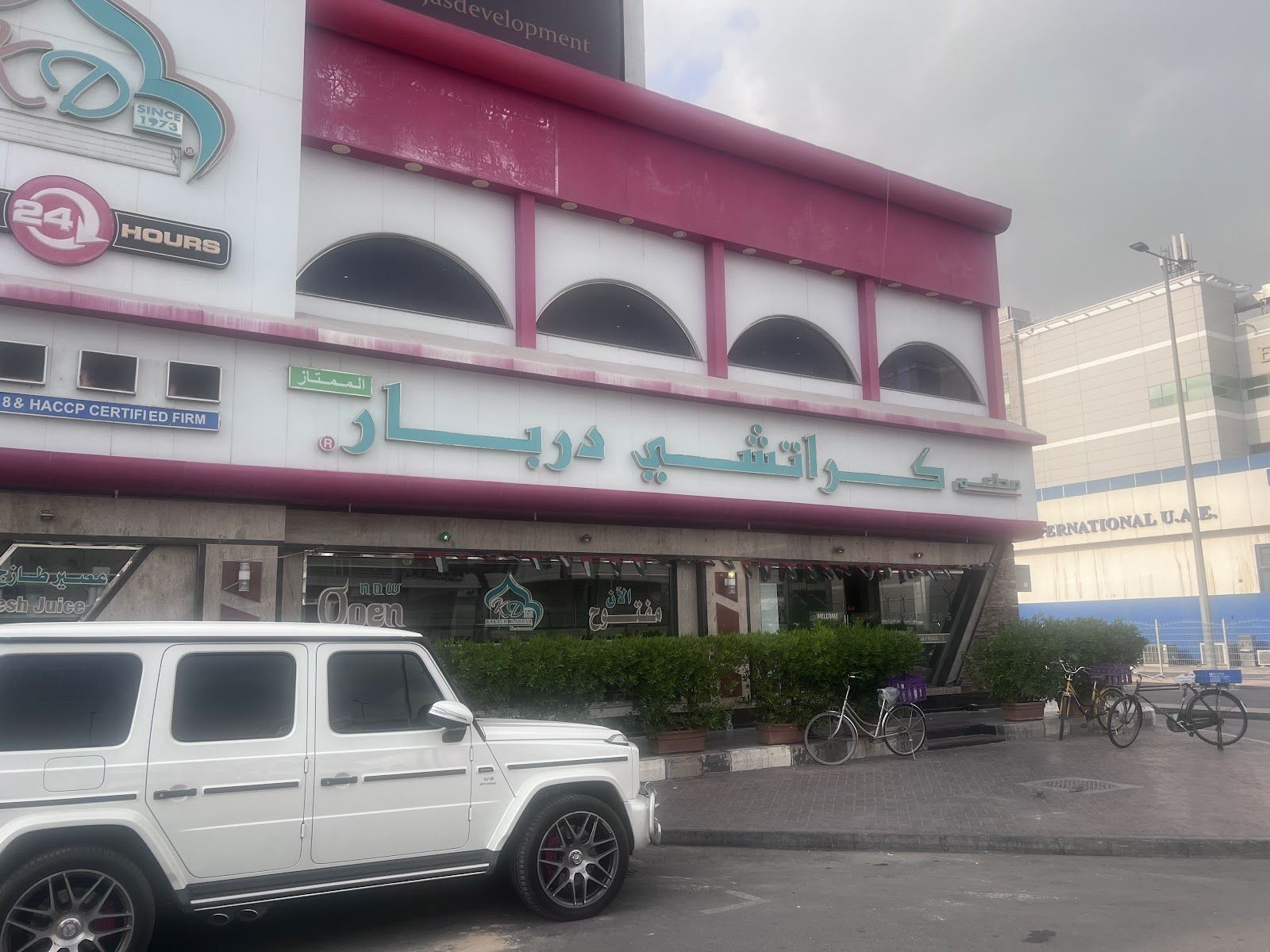
4. Karachi Darbar
The workhorse of Dubai's Pakistani dining, Karachi Darbar has branches everywhere and prices that haven't moved much in years. Individual seekh skewers land around AED 12, which makes it the cheapest genuinely good kebab on this list.
Consistency varies by branch; Karama and Al Rigga are the safe ones. Not the smokiest, but the value is unbeatable.
What to order: Two seekh skewers, a chicken tikka, and a plate of chana pulao (around AED 18).
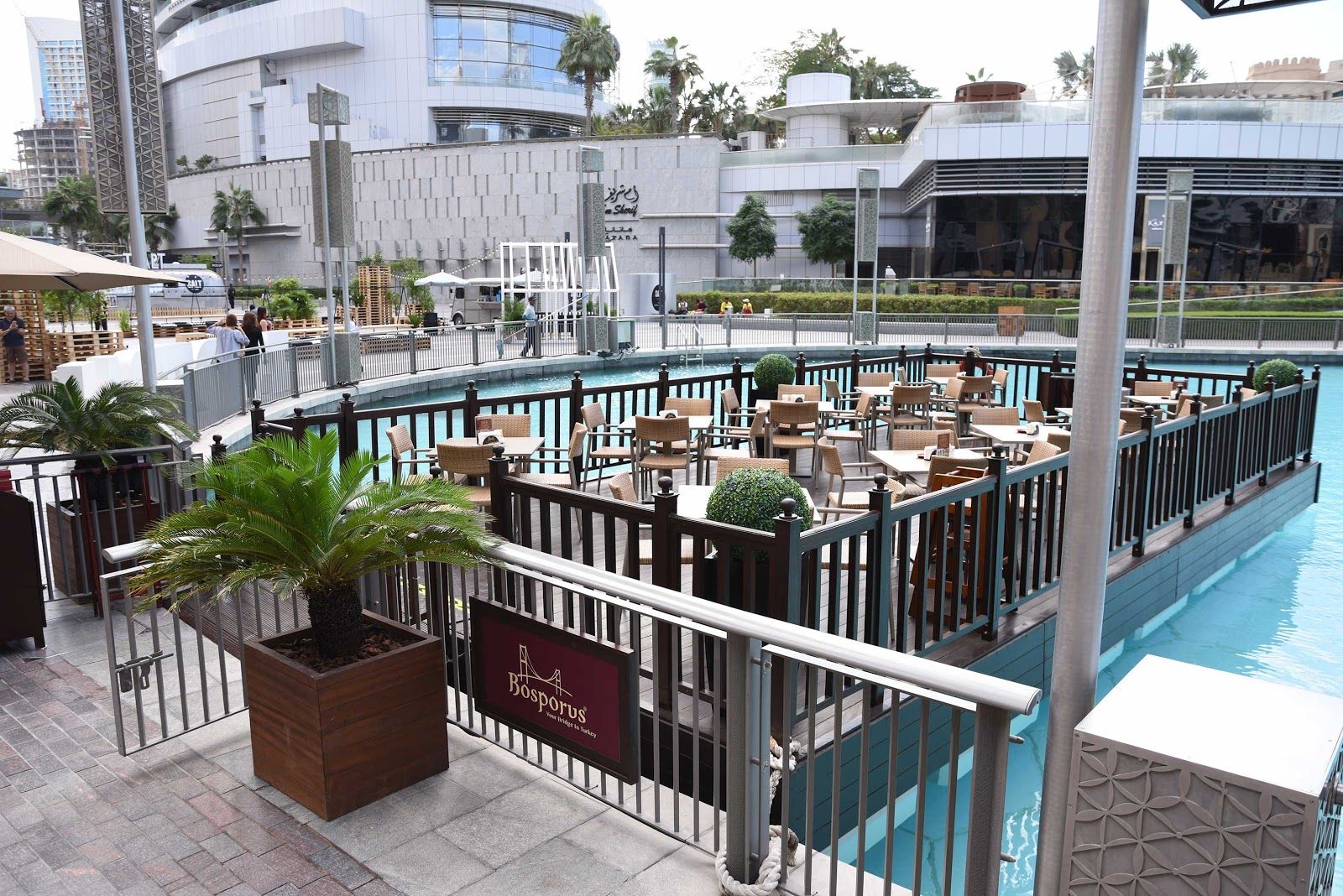
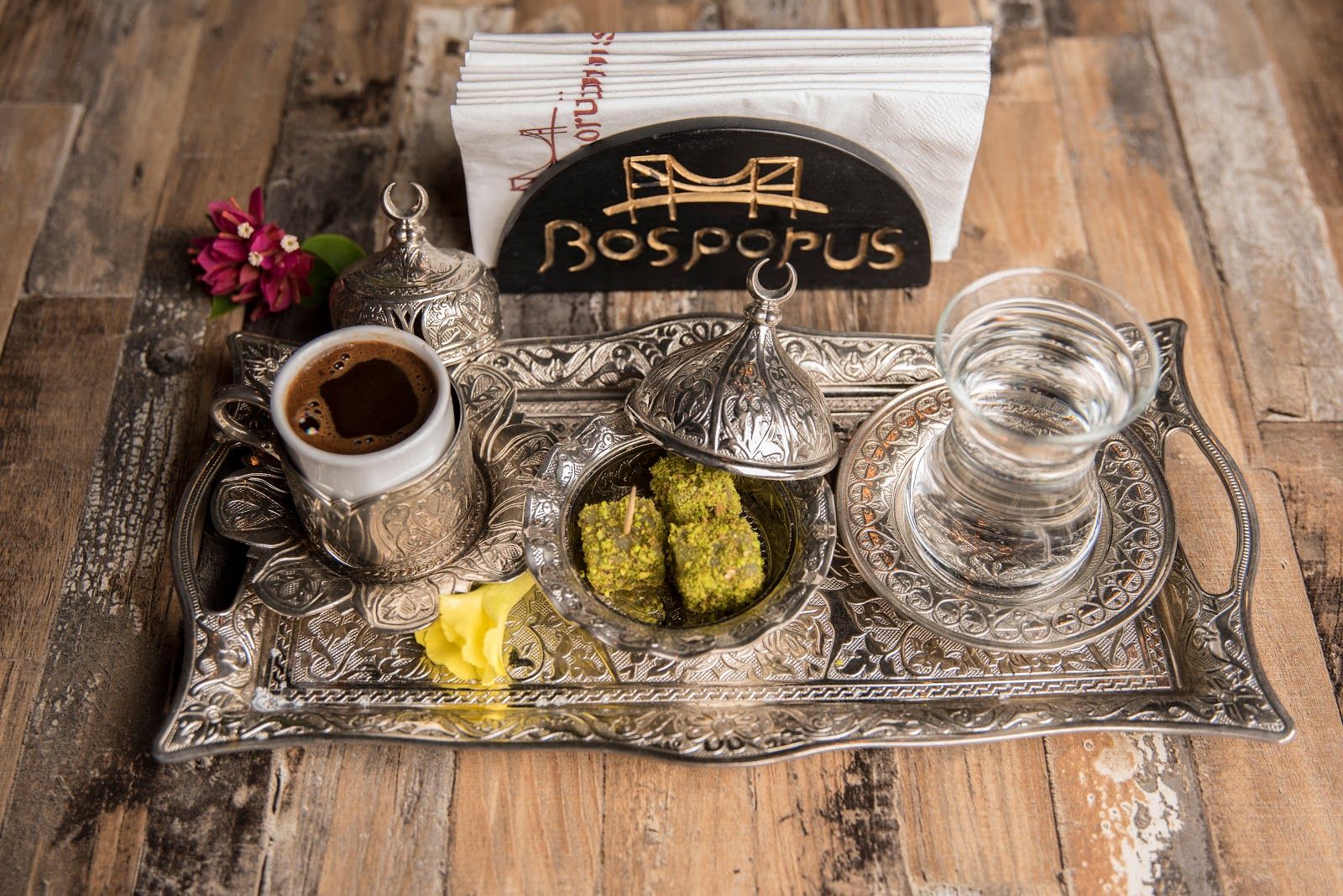
5. Bosporus Turkish Cuisine
If your seekh craving leans Turkish, the adana at Bosporus is the skewer to beat: hand-minced lamb, hot pepper, grilled over open flame and served with smoky ezme and warm lavash. It's a smarter, sit-down alternative with a mall-side view.
Pricier than the Karama grills, but you're paying for the setting and the mezze spread as much as the kebab.
What to order: Adana kebab with ezme and lavash, plus a plate of Turkish lahmacun to start (around AED 32).
6. Chicken Tikka Inn
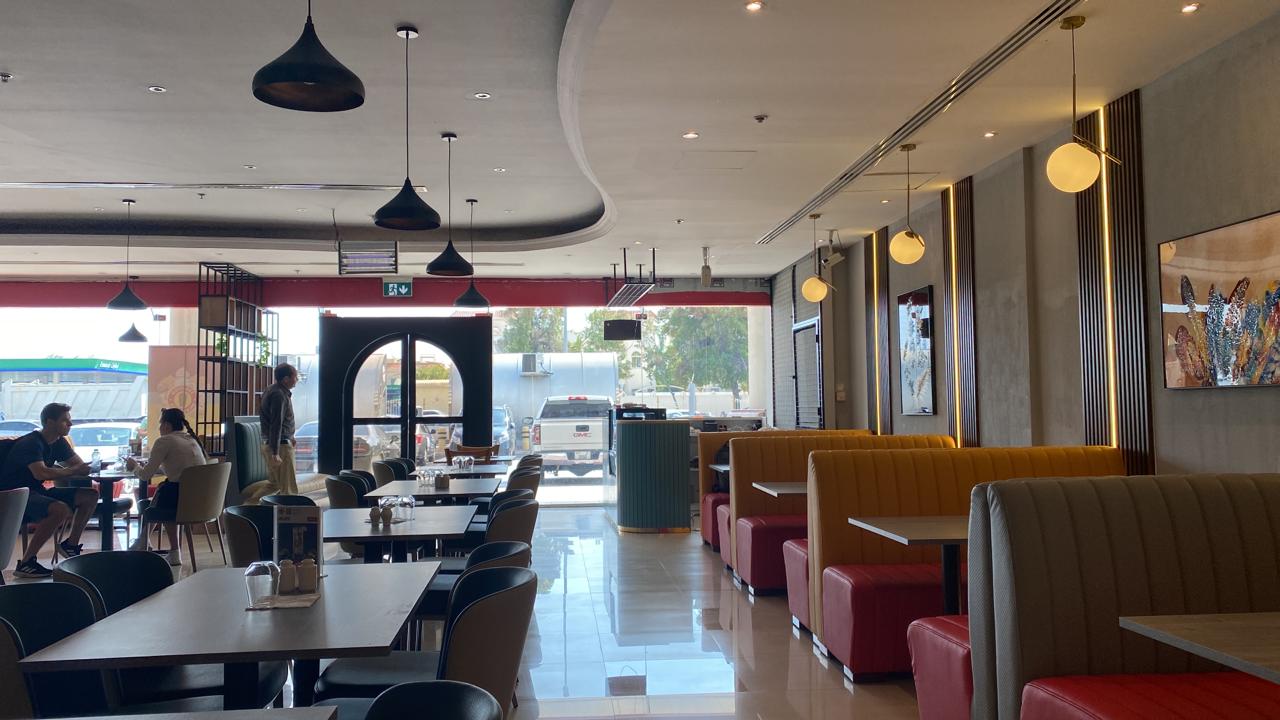
A Bur Dubai neighbourhood favourite that does exactly what the name promises. The seekh is a supporting act to the excellent chicken tikka, but ordered together they make one of the cheapest satisfying kebab dinners in the district.
Order at the counter, grab a plastic table, and don't skip the mint chutney.
What to order: Mixed grill for two (seekh, tikka, malai boti) with naan — around AED 80 total.
What makes a great seekh kebab?
Three things separate a great seekh kebab from a sad one. First, the mince: it should be chopped or coarsely ground, not blitzed to a paste — you want to feel the meat. Second, the fat: too lean and it dries on the grill, so the best cooks add a little tail fat to keep it succulent. Third, and non-negotiable, real charcoal. Gas grills can't give you the smoke that defines the dish.
The spicing is regional. Lahori seekh leans on cumin, coriander and green chilli; Peshawari versions are simpler and meatier; the Iranian-influenced Bur Dubai grills keep it restrained so the char does the talking.
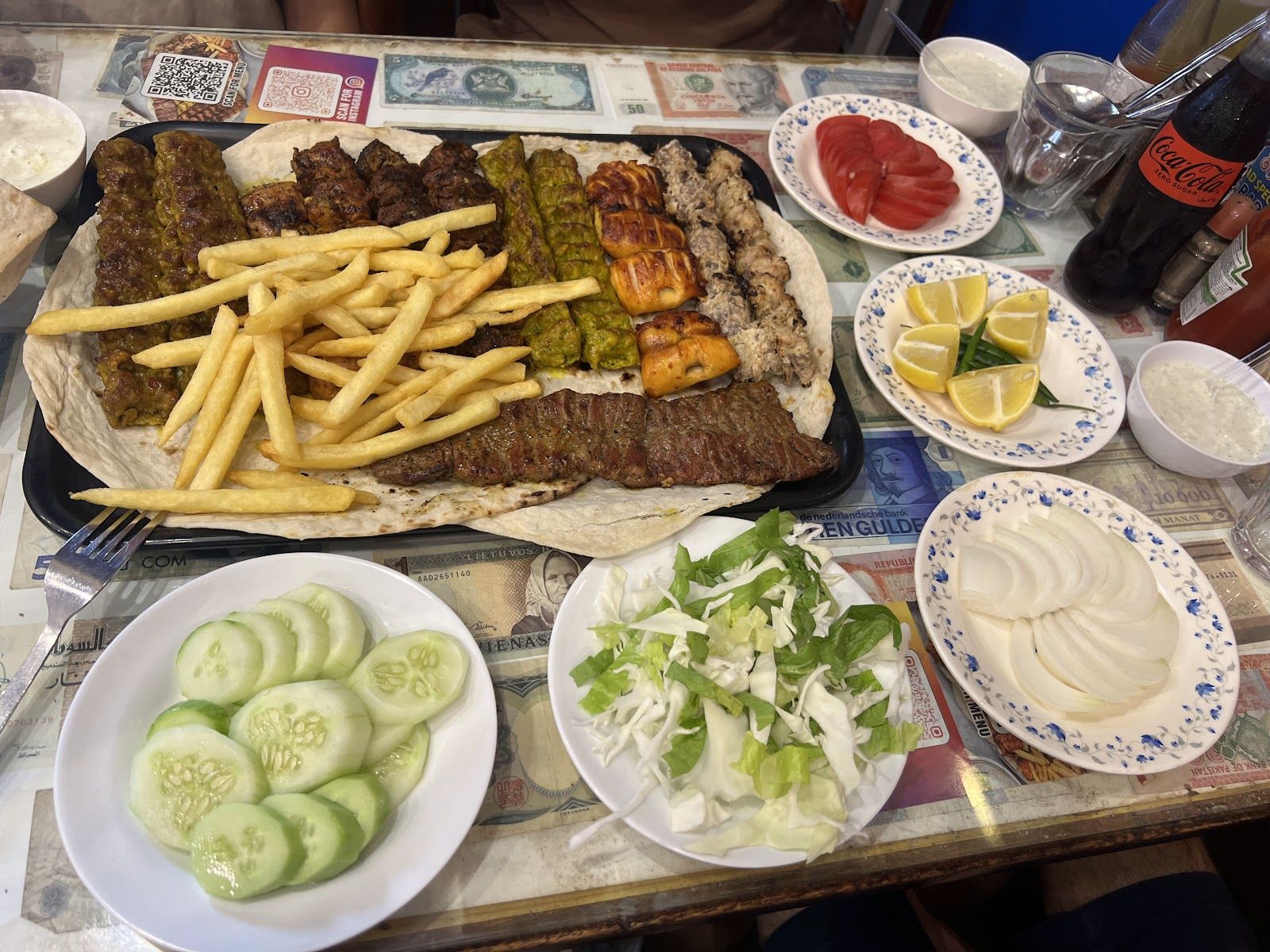
Table tip: at the old Bur Dubai grills, ask for your seekh ‘fresh off the coal’ rather than from the holding tray — a good cook will fire a new skewer if you ask, and the two-minute wait is worth it.
Where in Dubai should you go for seekh kebab?
The spiritual home is Bur Dubai, specifically Al Mankhool and the Meena Bazaar streets, where Al Ustad and Chicken Tikka Inn sit minutes apart. Karama is the value capital — Dumpukht and Karachi Darbar anchor a whole strip of Pakistani grills. For late-night kebab, Deira's Al Rigga keeps its charcoal lit past midnight.
If you want to build a proper crawl, our best kebab in Dubai guide maps the wider scene, and the best Pakistani restaurants list covers the full-meal versions of these kitchens.
How much does seekh kebab cost in Dubai?
Seekh kebab is some of the best-value eating in the city. At the Karama and Deira grills, a single skewer runs AED 10–18, and two people can eat a full mixed grill with naan for AED 70–100. Step up to a sit-down Turkish room like Bosporus and you're looking at AED 200–250 for two, though that buys a full mezze spread too.
For more cheap-eat routes across cuisines, see our Dubai cheap eats guide, and compare styles in the Afghani kebab and Turkish kebab guides.
Frequently Asked Questions
Where is the best seekh kebab in Dubai?
Al Ustad Special Kebab in Bur Dubai is the most-recommended for its charcoal-grilled mutton seekh, running since 1978. For a spicier beef seekh try Dumpukht in Karama, and for the best value, Karachi Darbar's branches across the city.
Is seekh kebab in Dubai halal?
Yes. Every seekh kebab house on this list is halal, as are the overwhelming majority of Pakistani, Indian and Turkish grills across Bur Dubai, Karama and Deira.
What is the difference between seekh kebab and adana kebab?
Both are minced-meat skewers grilled over charcoal. Seekh kebab is South Asian, usually mutton or beef spiced with cumin, coriander and chilli. Adana is Turkish, made with hand-minced lamb and hot red pepper, and typically served with ezme and lavash.
How much should I pay for seekh kebab in Dubai?
A single seekh skewer costs roughly AED 10–18 at Karama and Deira grills. A full mixed-grill dinner for two with naan runs AED 70–100 at budget spots, or AED 200+ at a sit-down Turkish restaurant.