Injera is one of the world's great breads, and Dubai has a quietly excellent supply of it. The city's large Ethiopian and Eritrean community has supported a network of proper injera-serving restaurants — places where the flatbread is made from teff flour, fermented for 48–72 hours, and cooked fresh daily on a large clay mitad. Understanding injera is understanding Ethiopian food. Once you do, you'll wonder how you ever ate without it.
What Is Injera?
Injera is a large, round, spongy sourdough flatbread made from teff — a tiny grain native to Ethiopia and Eritrea. Unlike most flatbreads, injera serves as both the plate and the utensil: stews and cooked vegetables (collectively called wat or wot) are arranged directly on top of a large sheet of injera, and diners tear smaller pieces from the edge to scoop up the food.
The key to great injera is fermentation. The batter (called absit) is left to ferment for at least 48 hours — up to 72 hours for deeper flavour — creating a characteristic tangy sourness and the honeycomb-like air pockets on the surface (called eyes) that make injera simultaneously spongy and absorbent. The sourness is not an accident or a flaw: it balances the rich, spiced stews perfectly.
Injera made entirely from teff flour has a dark grey-brown colour and deep, earthy flavour. Many restaurants outside Ethiopia (including some in Dubai) mix teff with wheat or sorghum flour to reduce cost — the result is paler in colour and less complex in flavour. The best injera in Dubai is made purely from teff.
How Injera Is Made
The injera-making process is a two-to-three day commitment, which is why the quality varies so dramatically between restaurants. Shortcut injera — made with commercial yeast instead of fermentation — is rubbery and lacks complexity. Authentic injera follows the traditional process:
-
1
Teff flour is mixed with water
Ground teff (or teff and wheat blend) is combined with water and a starter culture from a previous batch — exactly like maintaining a sourdough starter.
-
2
Fermentation: 48–72 hours
The batter ferments at room temperature. Good injera kitchens start their batter two days ahead of service. The longer the fermentation, the more complex the sourness.
-
3
Cooking on the mitad
The thin batter is poured in a circular motion onto a large, greased clay or cast-iron griddle (mitad). A lid is placed over the top. Injera cooks from one side only — never flipped — in about 2–3 minutes. The steam from the lid creates the characteristic air pockets.
-
4
Rolling and serving
Fresh injera is rolled into cylinders and served either flat under the stews or rolled on the side. It should be eaten the day it's made — injera stales quickly and becomes rubbery.
Where to Find the Best Injera in Dubai
Not all injera in Dubai is equal. We've tested every Ethiopian restaurant in the city on their injera quality specifically — fermentation depth, texture, teff percentage, and freshness. These are the ones that stand out.
Habesha Restaurant — Bur Dubai
Habesha's injera is as close to the real thing as you'll find in Dubai. Made fresh each morning from a 100% teff batter fermented for 60+ hours, it has a noticeably darker colour, deeper sourness, and larger air pockets than competitors. The texture is properly spongy — not rubbery — and it holds up through an entire shared platter without dissolving. The kitchen makes it visible from the dining room, which is always a good sign.
Order the Habesha Special Combination (AED 120 for two) to experience the injera at its best, loaded with doro wat, tibs, misir, and gomen.
Addis Ababa Kitchen — Al Qusais
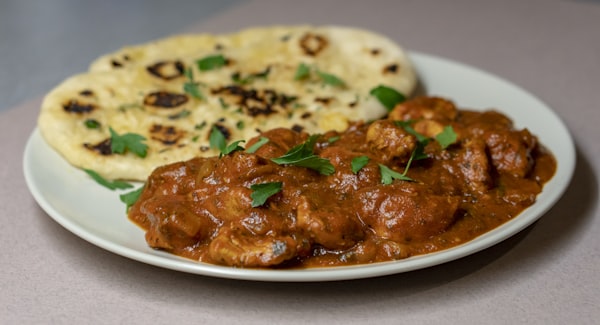
The injera at Addis Ababa Kitchen has a fermentation tang that's noticeably deeper than most competitors — not aggressively sour, but complex in a way that genuinely enhances every dish it carries. The kitchen makes their injera fresh each morning; eating here after 2pm means the injera was made a few hours ago at most. Prices are significantly lower than Habesha, making it the best-value teff experience in the city.
Try the firfir (AED 16–22) — injera torn and cooked with berbere — as a way to appreciate the bread itself without distraction.
What to Eat With Injera
Injera is never eaten alone — it's always the foundation for a collection of wat (stews) and alicha (milder, turmeric-based dishes). Here's a guide to what you'll find at Dubai's Ethiopian restaurants and how each interacts with the injera:
Classic Injera Dishes in Dubai
How to Eat Injera: The Etiquette
If you haven't eaten Ethiopian food before, navigating the injera can feel daunting. The rules are simple — and there are no wrong answers if you're eating in good faith.
Tear a piece of injera from the edge of the large sheet using your right hand. Use that piece to pinch a morsel of stew, wrapping the injera around it. There are no utensils in traditional Ethiopian dining — the injera is the spoon, the fork, and the plate simultaneously. Take from whichever dish appeals to you; there's no fixed sequence.
One tradition worth knowing: gursha, the act of placing a bite of food directly into another person's mouth. It's an expression of affection and hospitality. If someone at your table offers you a gursha, it's a high compliment — accept graciously.
Don't pile everything onto one piece of injera — tear frequently, take small morsels, and savour the combination of bread and stew with each bite. The meal has a natural rhythm to it once you find it.

Injera FAQs
What is injera?
Injera is a large sourdough flatbread made from teff flour, central to Ethiopian cuisine. It acts as both plate and utensil — stews are served on top of it and you tear pieces to scoop up the food. The characteristic spongy texture and slight sourness come from natural fermentation over 48–72 hours.
Where can I find authentic injera in Dubai?
The best injera in Dubai is at Habesha Restaurant in Bur Dubai (pure teff, 60-hour fermentation) and Addis Ababa Kitchen in Al Qusais (outstanding value, daily fresh). Queen of Sheba in Karama offers injera in the most atmospheric setting.
Is injera gluten-free?
Traditional injera made purely from teff flour is gluten-free. However, many Dubai restaurants mix teff with wheat to reduce cost — the result is paler and less complex. If gluten is a concern, ask the restaurant specifically whether their injera is 100% teff.
What is firfir?
Firfir is torn injera cooked with berbere sauce, onions, and spiced butter. It's essentially a way of using leftover injera and makes an outstanding breakfast. Available at most Ethiopian restaurants in Dubai for AED 16–25.
How much does an injera meal cost in Dubai?
A full Ethiopian meal with injera costs AED 30–90 per person depending on the restaurant. Budget spots (Lalibela Cafe, Addis Ababa Kitchen) are AED 20–50. Upmarket options (Queen of Sheba) run AED 70–110. The food represents extraordinary value by Dubai standards.
Can you buy injera to take home in Dubai?
Several Ethiopian restaurants in Bur Dubai and Deira sell injera by the sheet to take away — usually AED 5–8 per large piece. Call ahead to Habesha or Addis Ababa Kitchen to arrange takeaway injera; they typically need a few hours' notice.