If ceviche is Peru's most famous dish, tiradito is its most sophisticated. Less well-known outside South America, tiradito represents the other strand of Peru's extraordinary culinary fusion: Nikkei cuisine, born when Japanese immigrants settled in Lima in the early twentieth century and began applying their knife skills and appreciation for raw fish to Peruvian ingredients and chilli sauces.
In Dubai, tiradito has quietly become a marker of quality at Peruvian and Nikkei restaurants. If a kitchen does it right, everything else will be right too. Here's what tiradito is, how it differs from ceviche, and where to eat the best version in Dubai.
Tiradito vs Ceviche: The Key Differences
Ceviche
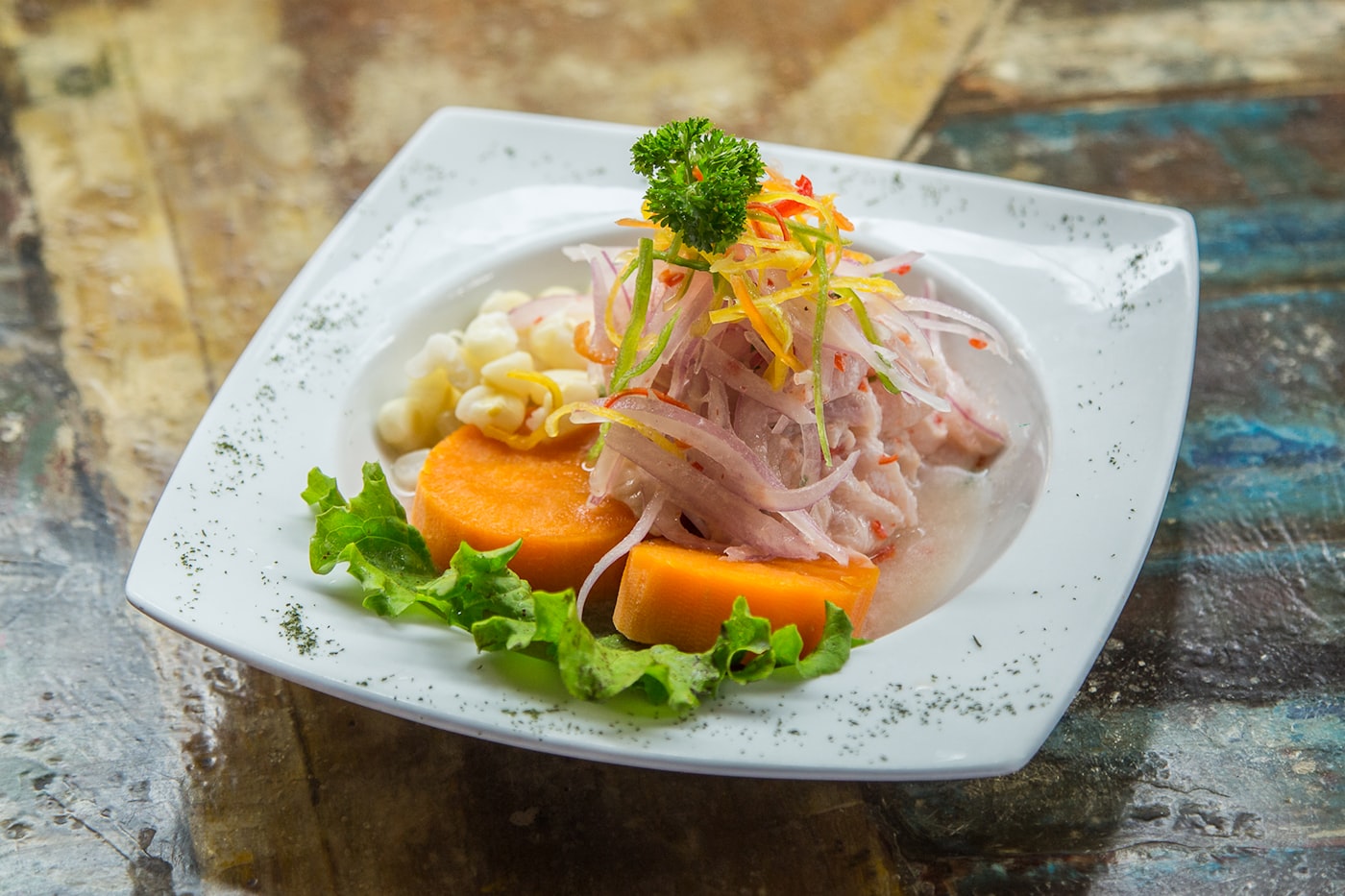
- Fish cubed into bite-size pieces
- Marinated in lime for 10–30 minutes
- Served with onion, coriander, corn
- Leche de tigre is a soup/sauce base
- Spanish colonial roots, Andean accents
Tiradito
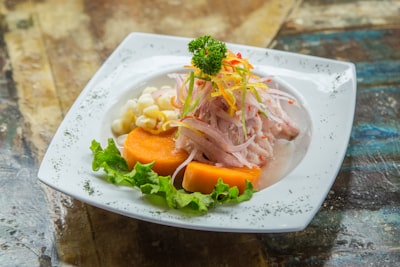
- Fish sliced thin, sashimi-style
- Sauce added at last moment — no marinating
- Minimal garnish, clean presentation
- Sauce is poured over, not tossed
- Japanese-Peruvian Nikkei fusion roots
The critical distinction: ceviche marinates, tiradito dresses. Because the sauce touches the fish only at service, tiradito preserves a pure, almost translucent freshness that you can't achieve with ceviche's acid-denaturing process. It's both rawer and more refined — which is why a great tiradito is one of the most technically demanding dishes in any Peruvian kitchen.
Where to Eat Tiradito in Dubai

A Guide to Tiradito Sauces

The sauce is the heart of tiradito — this is what distinguishes a Peruvian preparation from Japanese sashimi. Understanding the main sauce styles helps you order intelligently:
The classic — lime juice, ají amarillo paste, a touch of ginger. Fruity, bright, medium heat. Works with most white fish. This is the one to order if you're new to tiradito.
Made with rocoto, a fiercer red chilli from the Andes. More heat, slightly less fruitiness. Pairs well with fatty fish like yellowtail or tuna, where the spice cuts through richness.
A ponzu base with Peruvian chilli paste added. More umami-forward, citrus-driven, lower acidity than the leche de tigre versions. Shows the Nikkei fusion most clearly.
A more modern interpretation — blended black olives with lime and chilli. Deeply savoury, almost tapenade-adjacent. Works beautifully with white fish like sole or corvina.
Frequently Asked Questions
Is tiradito safe to eat raw in Dubai?
Yes — Dubai's better Peruvian restaurants source sushi-grade fish specifically for raw preparations and follow HACCP food safety protocols. As with sashimi in Japanese restaurants, the fish is handled and stored to the same standards. Always eat tiradito at establishments with good hygiene ratings.
What fish is used for tiradito in Dubai?
Locally, corvina (sea bass) is the traditional choice. Dubai restaurants commonly use hammour, local white snapper, hamachi (yellowtail), or imported tuna. The key is freshness, not the specific species.
Is tiradito the same as Nikkei cuisine?
Tiradito is one dish within the broader Nikkei tradition. Nikkei cuisine describes the full range of Japanese-Peruvian fusion cooking. Other Nikkei dishes include causas with sashimi toppings, maki rolls with Peruvian sauces, and grilled fish with anticucho marinades.
Explore More Peruvian Food in Dubai