The best Bengali sweets in Dubai are at Mishti and More by City of Joy in Karama, where the mishti doi (AED 12) is set in earthen pots and the nolen gur sandesh is made fresh daily. For refined, plated Bengali desserts, Babumoshai in Bur Dubai is the city’s finest — both are best visited in the early evening when new batches land.
Bengali sweets in Dubai at a glance
| Restaurant | Area | Price for two | Signature | Rating |
|---|---|---|---|---|
| Mishti and More by City of Joy#1 | Al Karama | AED 40 | Mishti doi & sandesh | ★★★★★ 4.8 |
| Babumoshai#2 | Bur Dubai | AED 60 | Nolen gur ice cream & sandesh platter | ★★★★★ 4.8 |
| City of Joy Restaurant#3 | Al Karama | AED 70 | Roshomalai & kalojam | ★★★★★ 4.7 |
| Bangla Darbar#4 | Bur Dubai (Al Fahidi) | AED 45 | Cham cham & mishti doi | ★★★★☆ 3.8 |
| Gangour Sweets#5 | Oud Metha | AED 35 | Rasgulla & rasmalai | ★★★★☆ 4.2 |
Prices are our most recent in-person estimates for two people. Last verified July 2026.
Which Bengali sweet shop in Dubai is best?
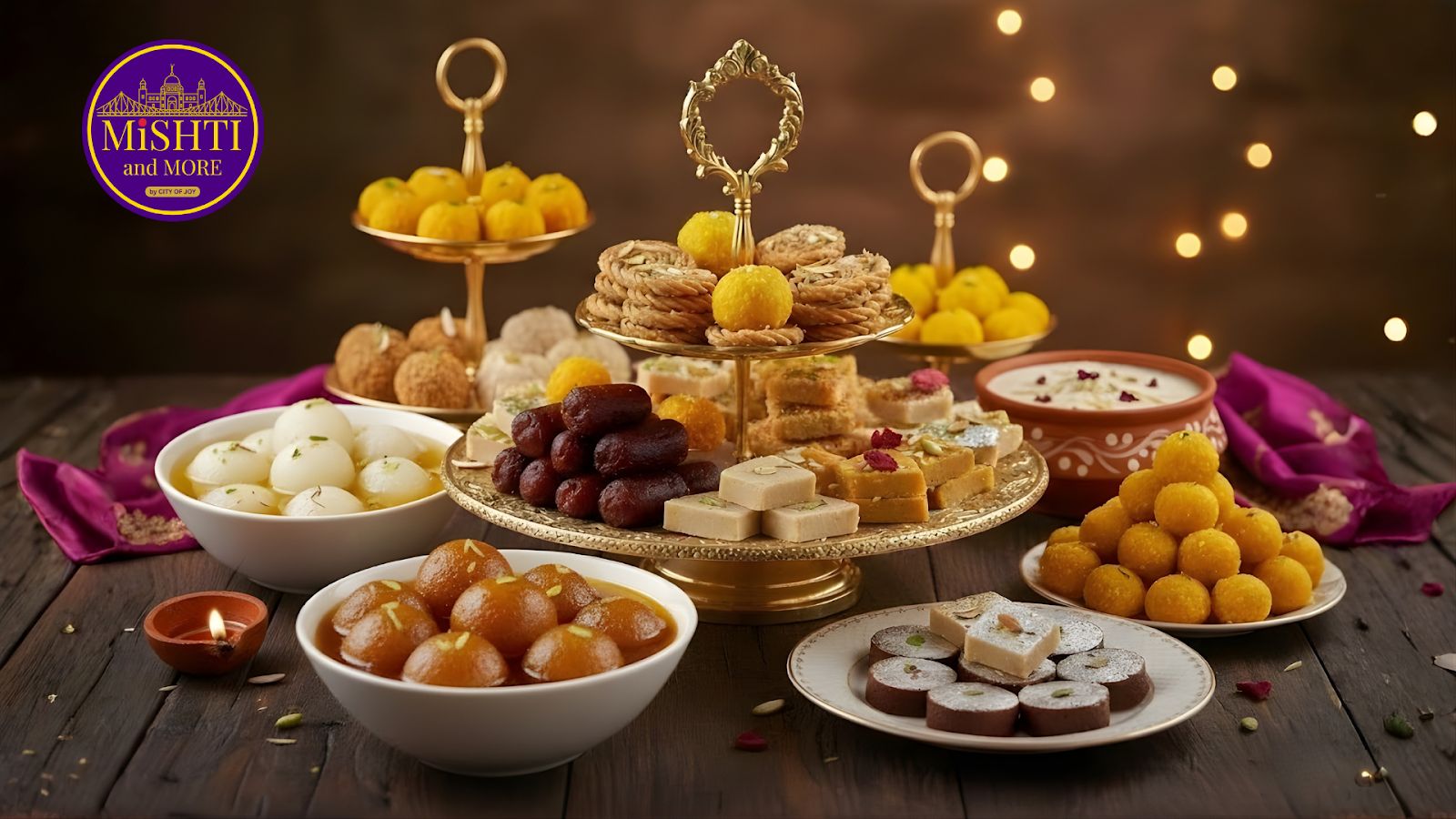
Mishti and More by City of Joy
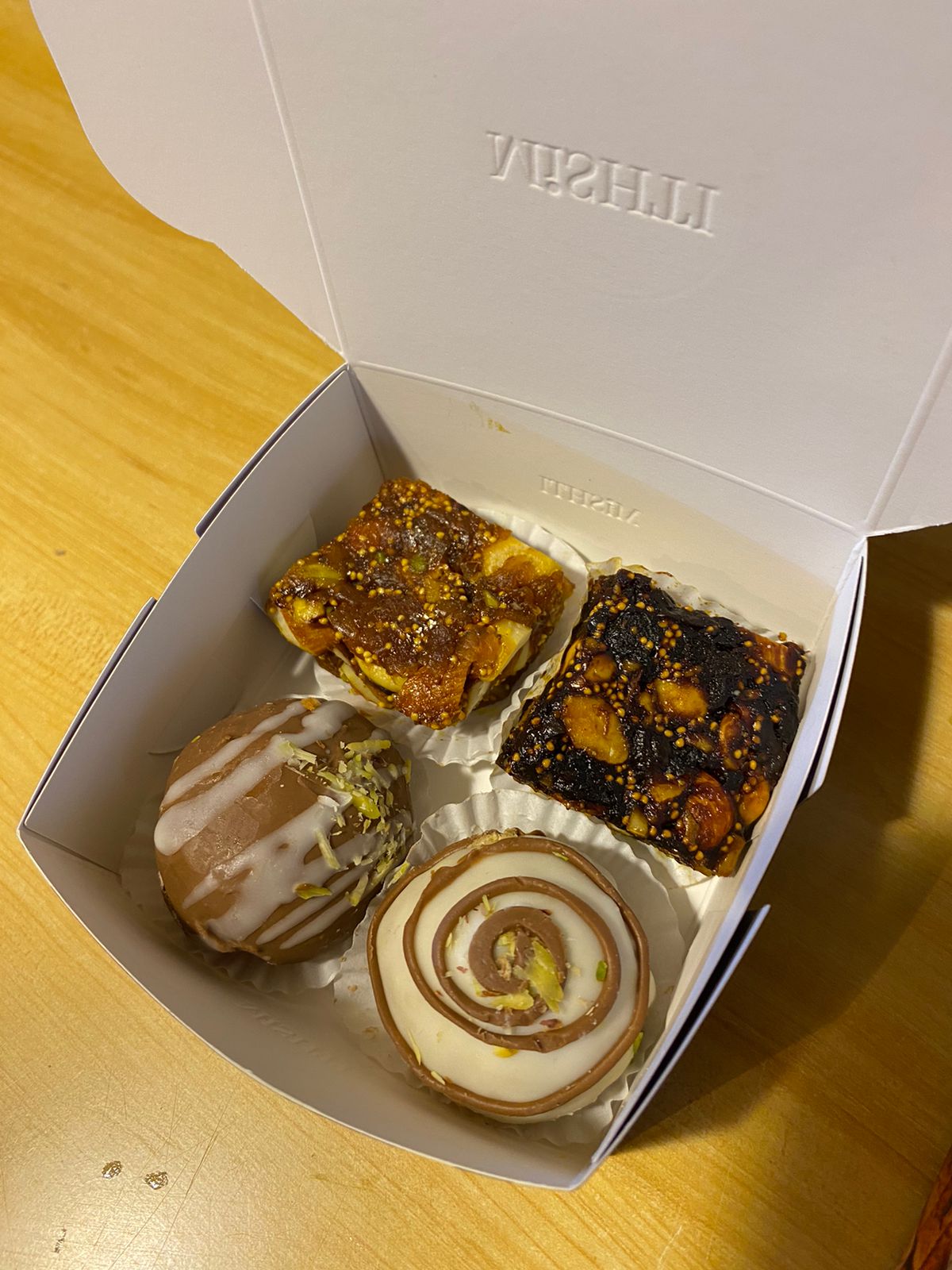
Karama’s dedicated Bengali sweet counter and the most reliable mishti in Dubai. The mishti doi (AED 12) is set overnight in small terracotta pots, giving it the burnt-caramel edge a good doi needs, and the sandesh — plain, kesar, and nolen gur in season — is made in small daily batches rather than sitting in a fridge for a week.
Buy a box of six rasgulla (AED 22) and a tub of mishti doi and you have the classic Bengali pairing. On my last visit the counter staff steered me to the kacha golla, which sold out by 7pm. Come before then; the shop is small and the regulars clear the best trays quickly.
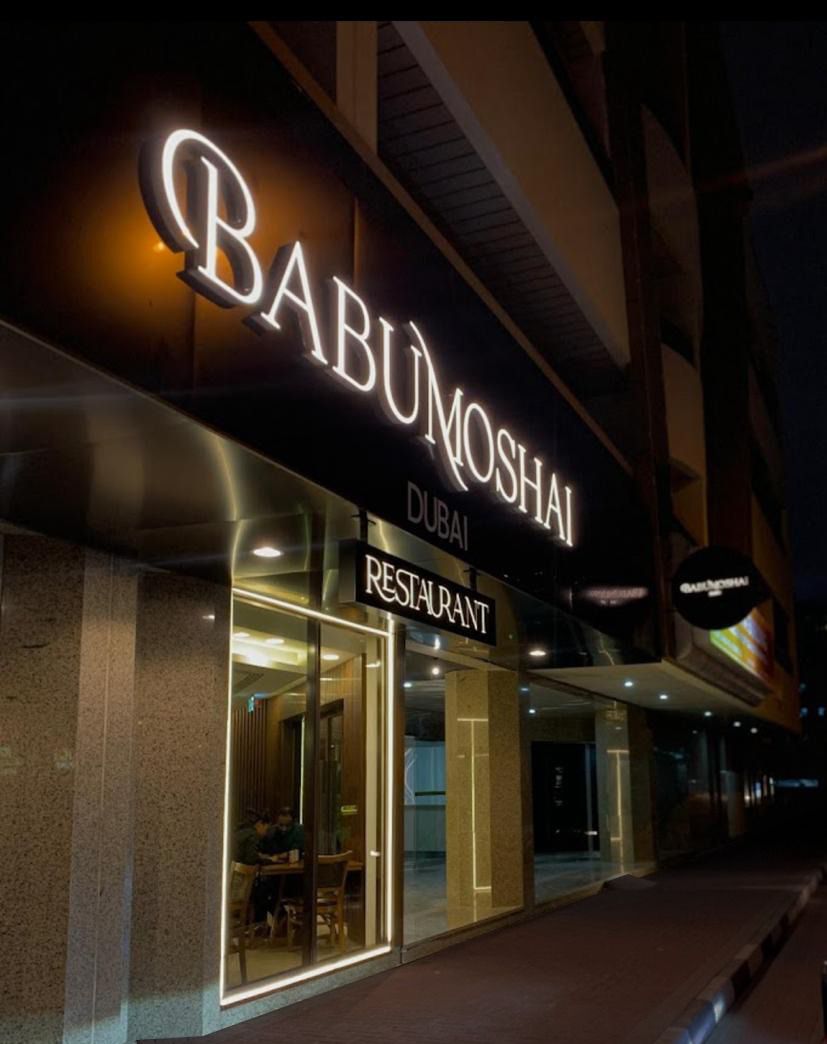
Babumoshai
A modern Bengali kitchen near the Consulate area that plates its desserts rather than boxing them. Babumoshai is where to go if you want Bengal’s sweets treated as a proper dessert course — the nolen gur ice cream and the baked mishti doi are the standouts, and the sandesh platter (AED 32) samples four styles at once.
It is a sit-down restaurant, so pair the sweets with a Bengali thali or a plate of shorshe ilish first. Reserve on weekends; the dining room is compact and fills with the Bengali community after 8pm. For more in this cluster see our South Asian pillar.
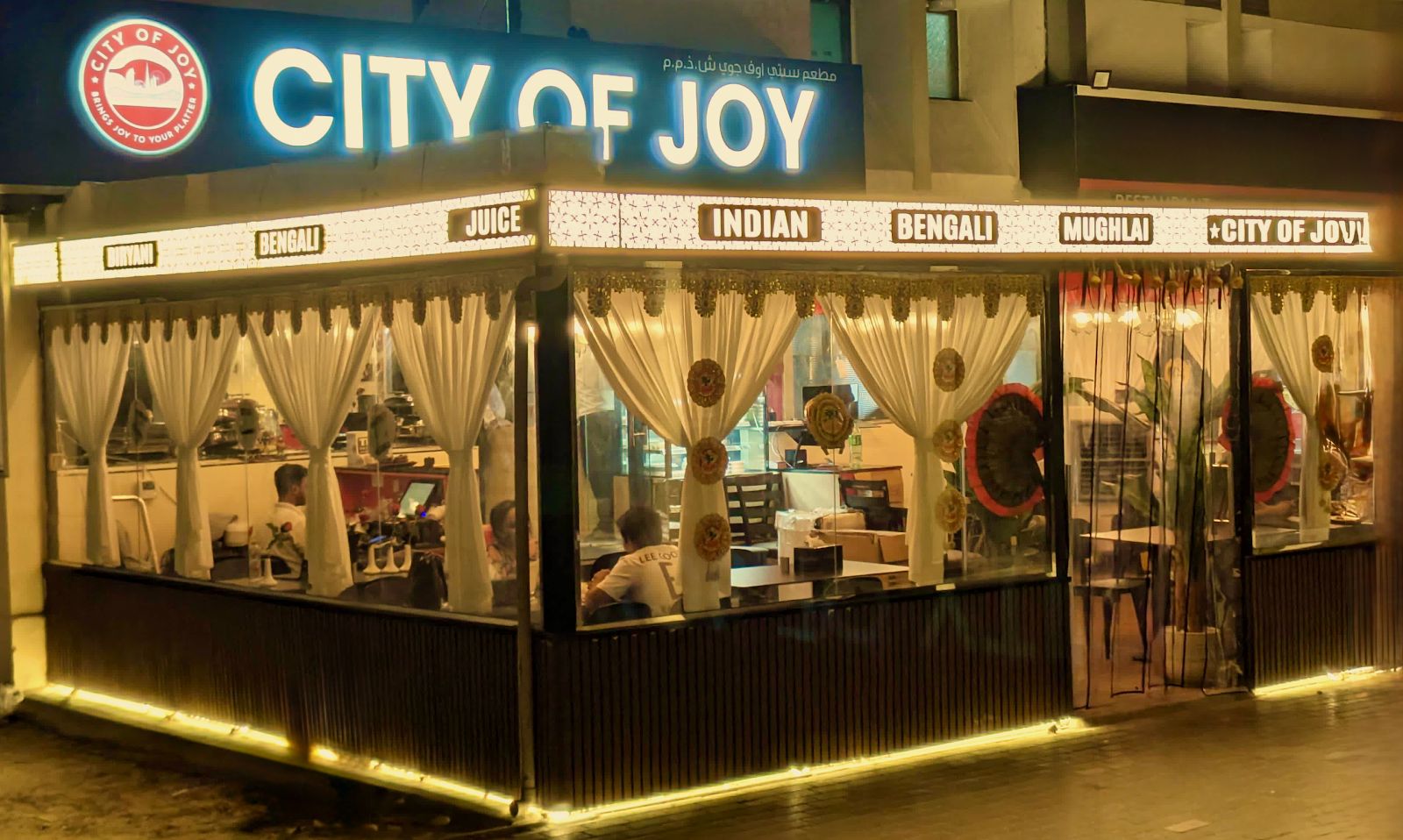
City of Joy Restaurant
The Karama Bengali restaurant behind the Mishti and More brand, and the place to have your sweets at the end of a full meal. Order a fish-forward Bengali thali — rui macher jhol, shorshe bata — then finish with roshomalai (AED 15) or a warm kalojam.
The cham cham and rasmalai here are as good as the dedicated counter’s, and eating them straight after a meal, still slightly warm, is the way Bengalis actually do it. It is busy at weekend lunch; go on a weekday evening for a calmer table.
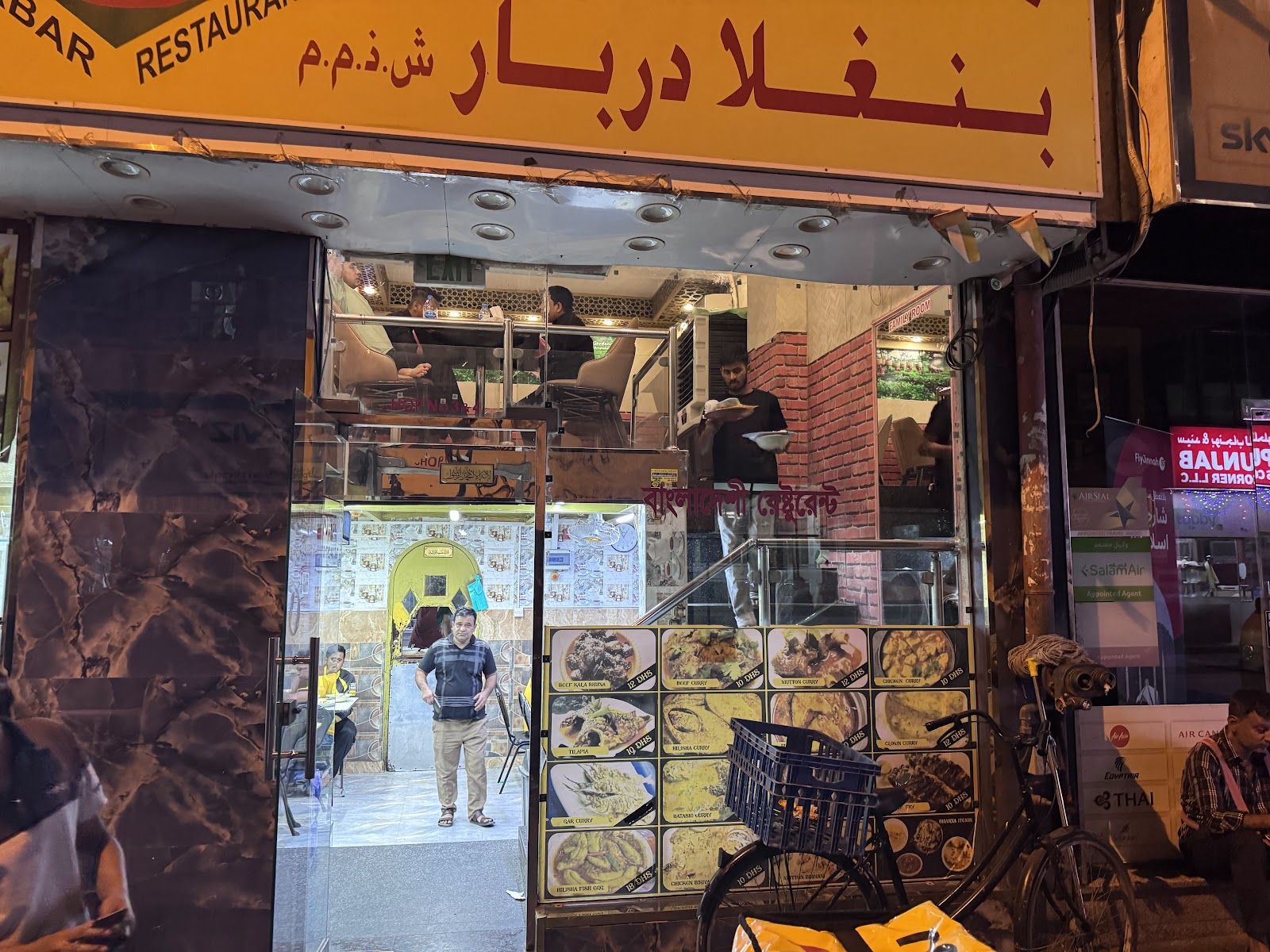
Bangla Darbar
A no-frills Bangladeshi-Bengali canteen in old Bur Dubai where the sweets are cheap, fresh and unpretentious. The cham cham (AED 5 each) and mishti doi are the picks, best ordered after a plate of kacchi biryani or a hilsa curry.
This is community cooking rather than a polished counter — expect a plastic-table room and brisk service. It is the value option of the group, and a genuine slice of Bengali Bur Dubai. The Bur Dubai food guide maps what else is on the same streets.
Gangour Sweets
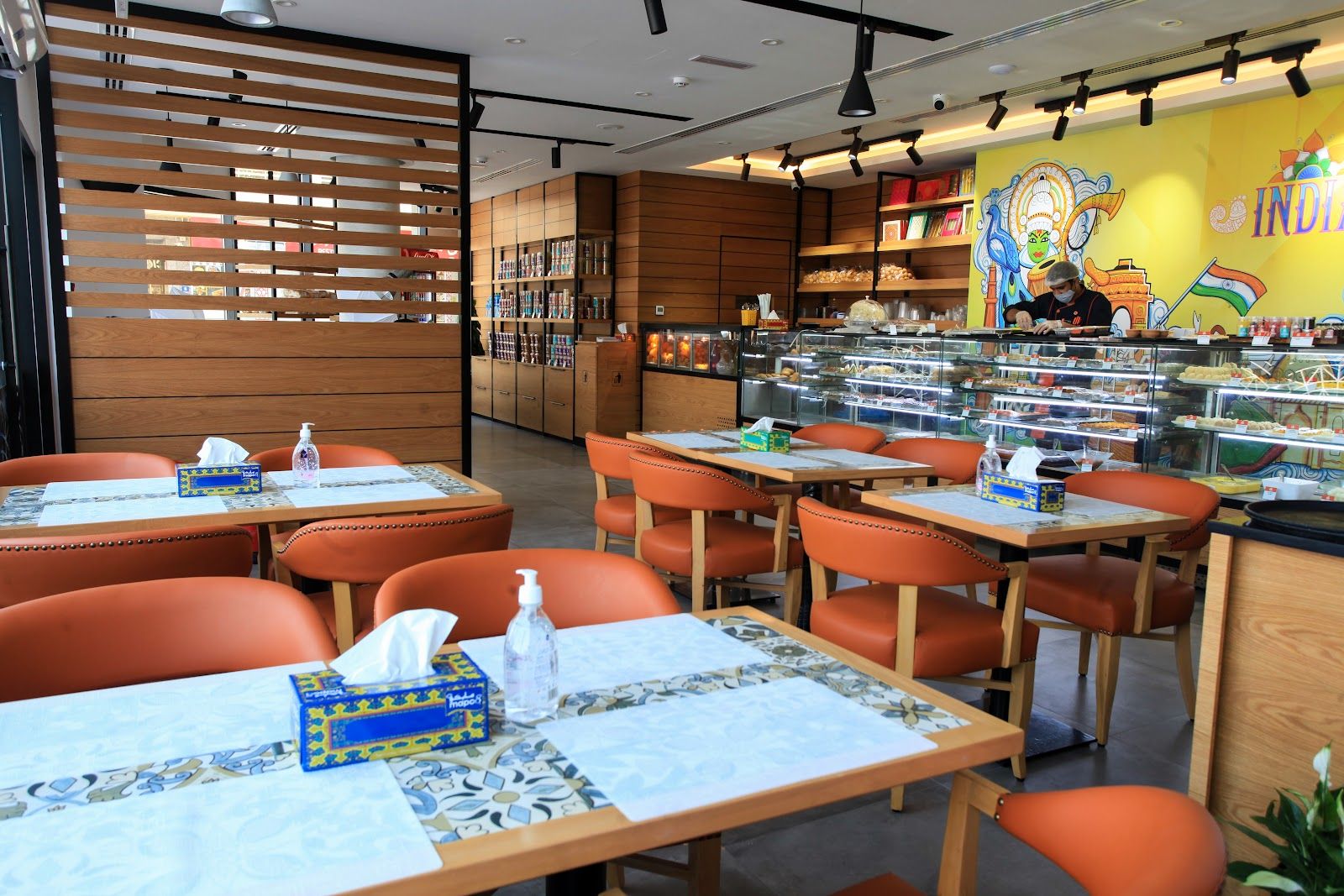
Not a Bengali specialist — Gangour is a large North Indian mithai house near Lamcy Plaza — but it earns a place for the widest, most consistent counter of Bengali classics in the city. The rasgulla and rasmalai (AED 8 a piece) are dependable year-round, and a mixed box (AED 60) is the easiest single stop for a party.
Come here when you want variety and gifting boxes rather than the artisan, small-batch feel of the Karama shops. It is the pragmatic pick: reliable, well-priced, and open late.
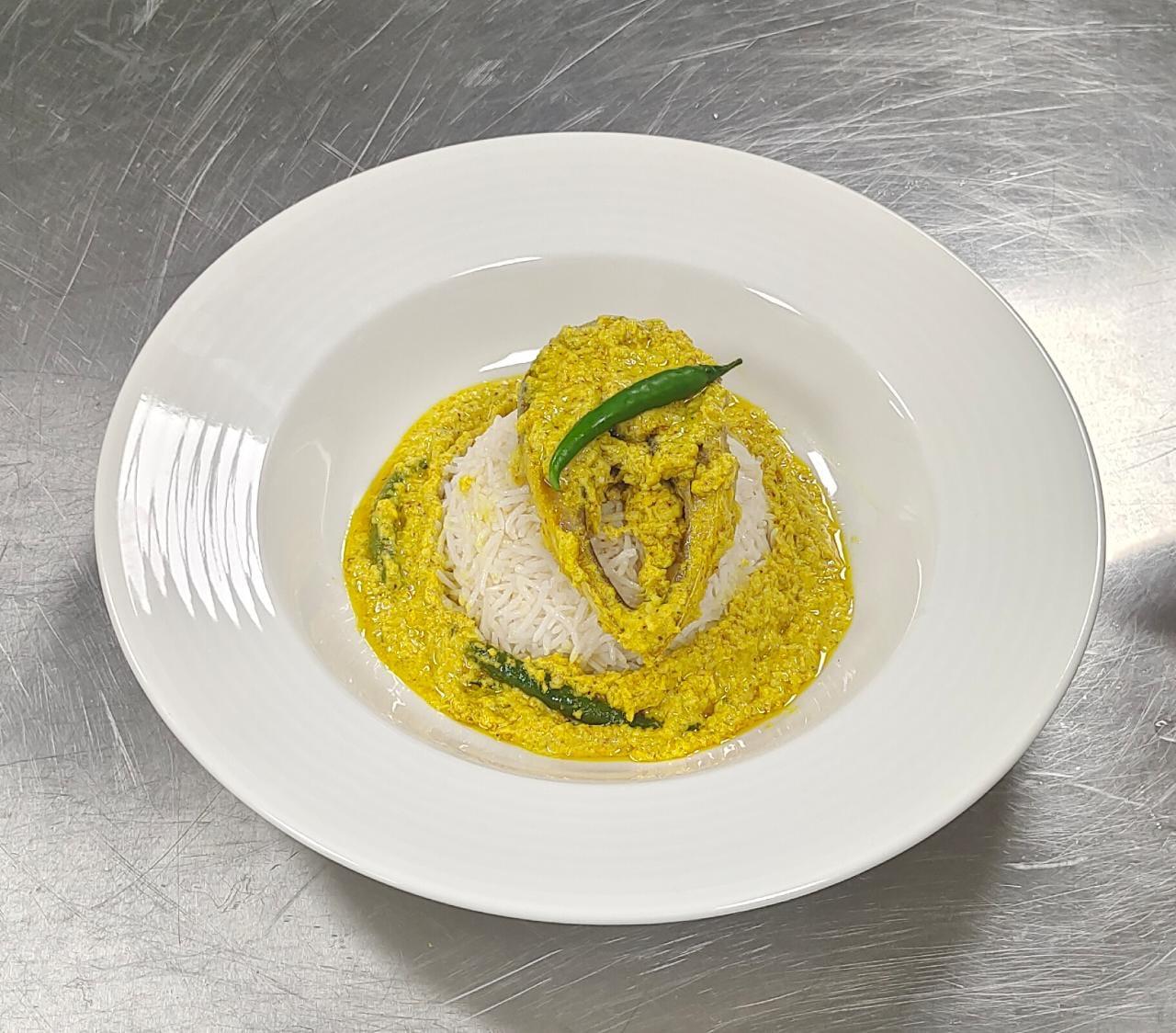
Babumoshai's nolen gur desserts — Bengal's date-palm jaggery, plated as a dessert course.
How to buy Bengali mishti like a Kolkata regular: Go in the early evening when the second batch is set, ask what was made today, and buy sweets loose by the piece rather than pre-packed boxes. Mishti doi should wobble and smell faintly of caramel; sandesh should be soft, not crumbly. In winter (December–February) always ask for anything made with nolen gur — the date-palm jaggery that defines Bengal’s sweet season.
Where are the best Bengali sweet shops in Dubai?
Frequently asked questions
What are the most famous Bengali sweets?
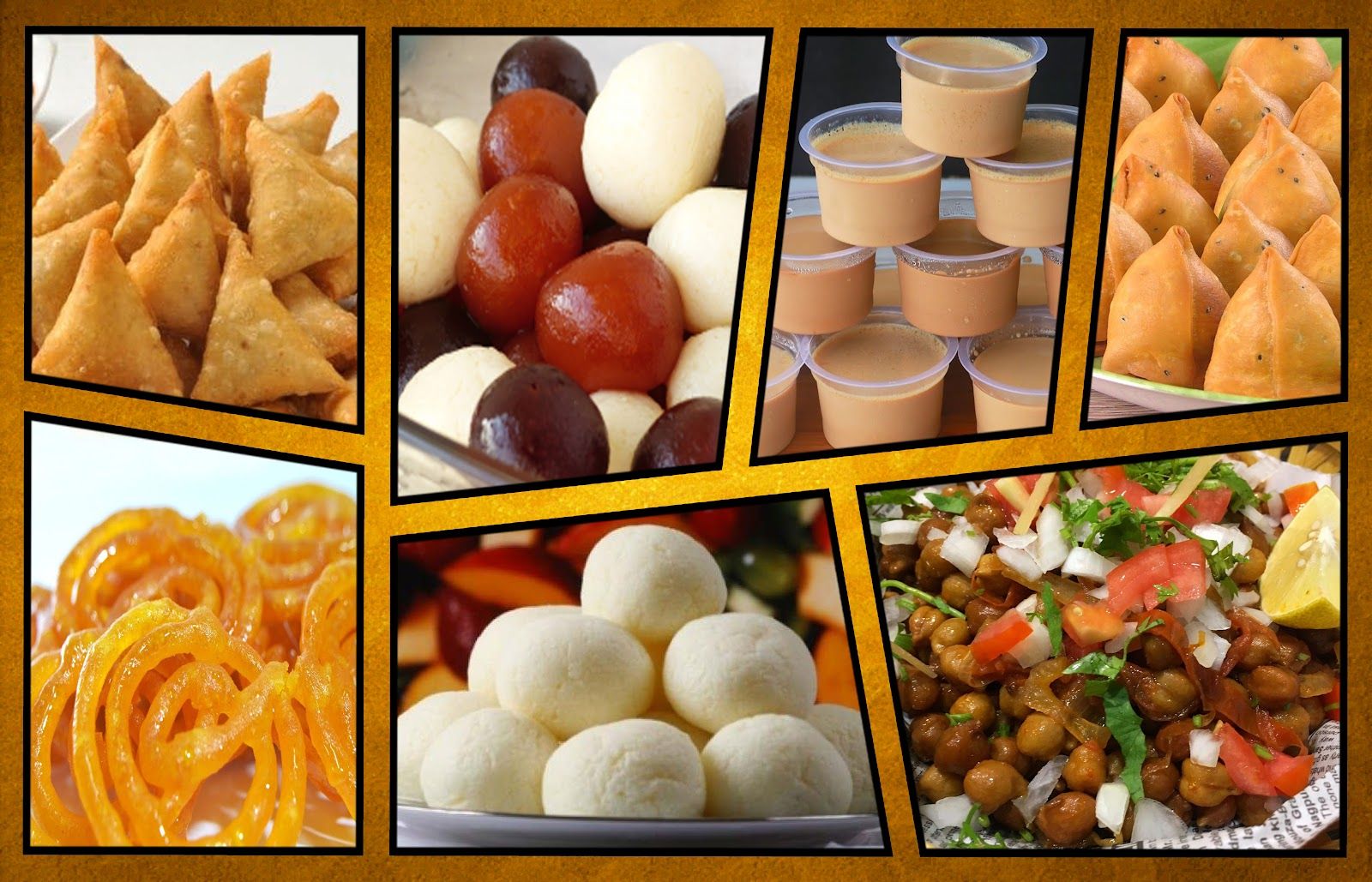
The Bengali canon is milk- and chhena-based: rasgulla (spongy syrup balls), sandesh (fresh chhena fudge), mishti doi (sweet set yoghurt), roshomalai, cham cham and, in winter, anything made with nolen gur (date-palm jaggery). Most are found on this list in Karama and Bur Dubai.
Where can I buy authentic Bengali sweets in Dubai?
Mishti and More by City of Joy in Al Karama is the dedicated Bengali sweet counter and our top pick. For plated, refined Bengali desserts, Babumoshai in Bur Dubai is the best; City of Joy Restaurant serves the same sweets at the end of a meal.
How much do Bengali sweets cost in Dubai?
Individual pieces run AED 5–15 (a cham cham is around AED 5, a piece of rasmalai AED 8, a pot of mishti doi about AED 12). A mixed box of six to a dozen sweets is roughly AED 22–60 depending on the shop.
What is nolen gur and when is it available?
Nolen gur is fresh date-palm jaggery, harvested in the Bengal winter. It gives sandesh and mishti doi a smoky-caramel depth. In Dubai you will mostly see it from December to February; ask the counter whether the day’s batch used it.
Are Bengali sweets vegetarian?
Yes. Traditional Bengali sweets are made from chhena (fresh curdled milk), milk, sugar and jaggery, with no egg, so they are vegetarian. Vegans should note they are dairy-based and not suitable.

Related guides
Keep exploring: our South Asian restaurants pillar, the best Indian restaurants in Dubai, the best cheap eats, and the Bur Dubai area guide. Or subscribe to The Dubai Fork for weekly picks.