The best haleem in Dubai in 2026 is at Sabri Nihari in Karama, where the wheat-and-lentil porridge is pounded until the mutton dissolves completely (AED 22 a bowl). For the Hyderabadi style — richer, ghee-laced, fried-onion topped — Gazebo in Business Bay is the city's most reliable, especially through Ramadan when haleem moves to the front of the menu.
Haleem is a test of patience, not technique. Wheat, barley, lentils and meat are cooked and pounded for four to six hours until the whole pot turns into a single silken mass with no visible grain or fibre left. Do it properly and it's one of the great one-bowl meals on earth; rush it and you get lumpy porridge with stringy meat. I ate haleem at fourteen spots across Bur Dubai, Karama and Satwa between March and June 2026 — here are the five bowls worth crossing the creek for.
Best Haleem in Dubai at a Glance
| Restaurant | Area | Price for Two | Signature Dish | Google Rating |
|---|---|---|---|---|
| Sabri Nihari | Al Karama | AED 55–90 | Mutton haleem | 4.3 ★ |
| Gazebo | Business Bay | AED 140–220 | Hyderabadi haleem | 4.4 ★ |
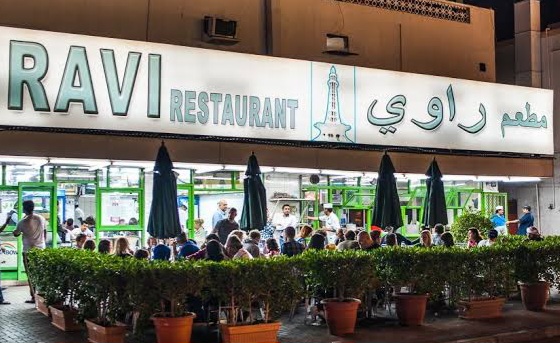
| Ravi Restaurant | Satwa | AED 35–60 | Beef haleem | 4.2 ★ |
| Karachi Darbar | Multiple (Karama) | AED 30–55 | Chicken haleem | 4.1 ★ |
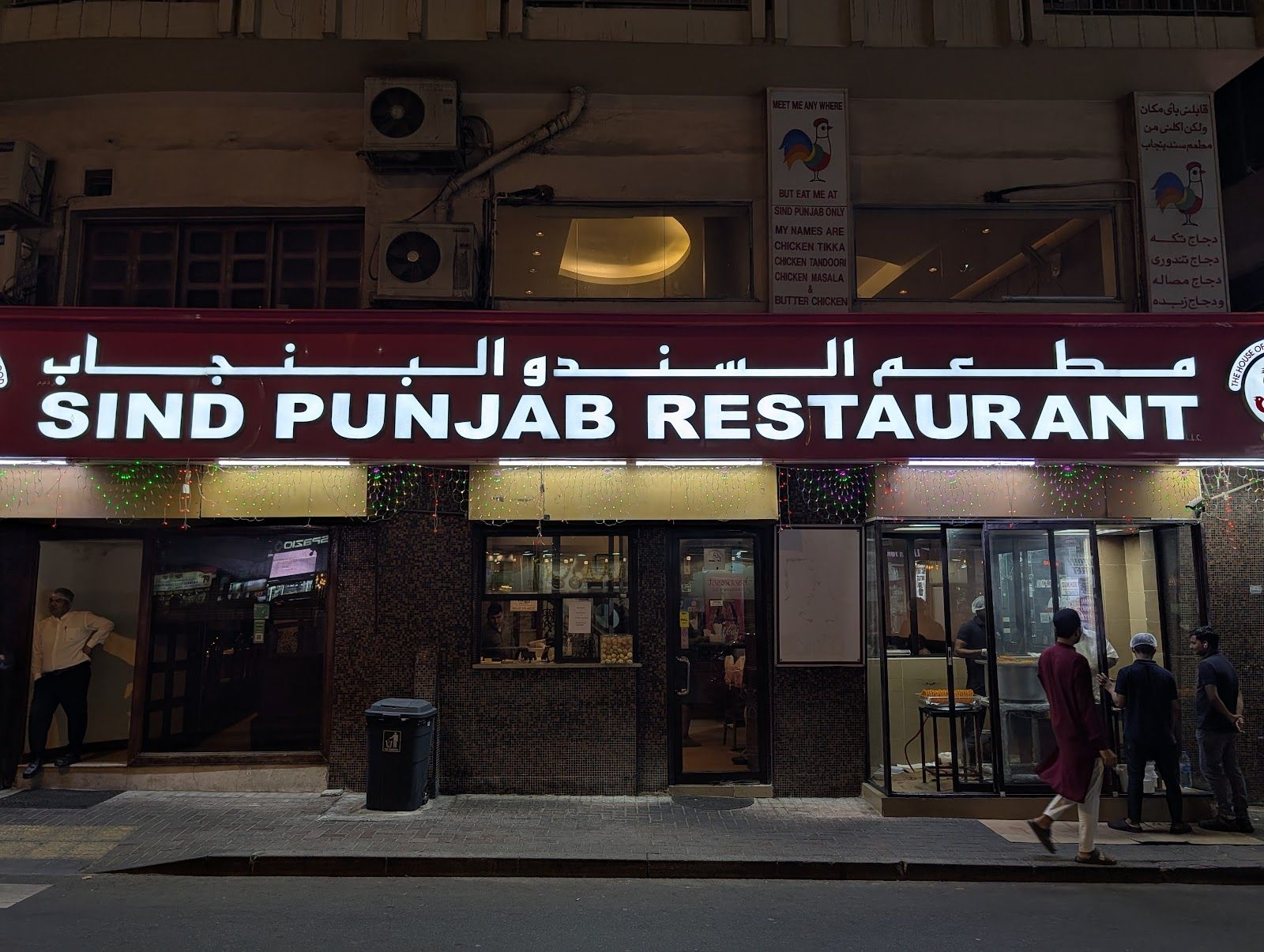
| Sind Punjab | Meena Bazaar, Bur Dubai | AED 30–55 | Mutton haleem | 4.0 ★ |
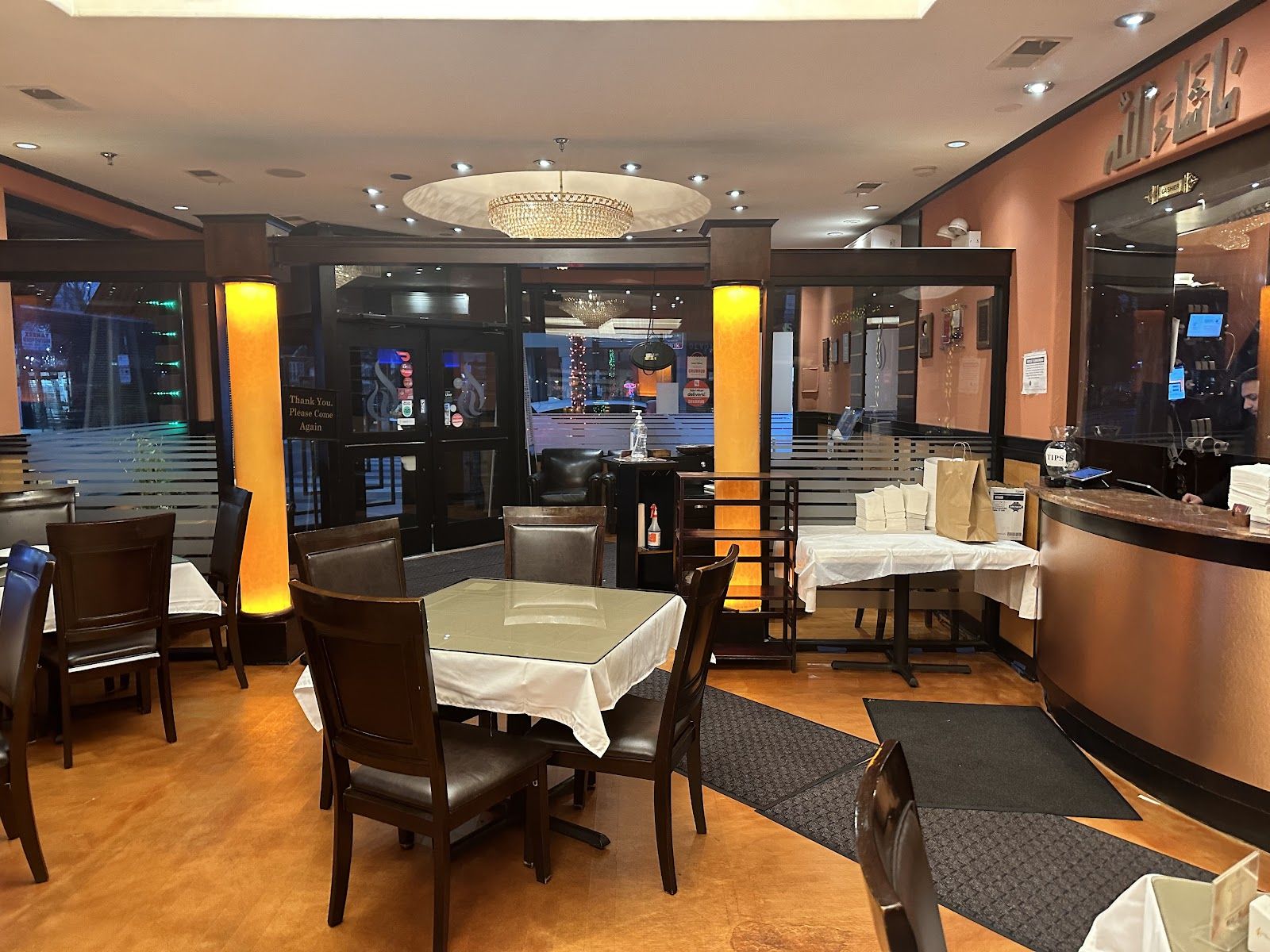
The Five Best Bowls — Ranked
1. Sabri Nihari — Al Karama
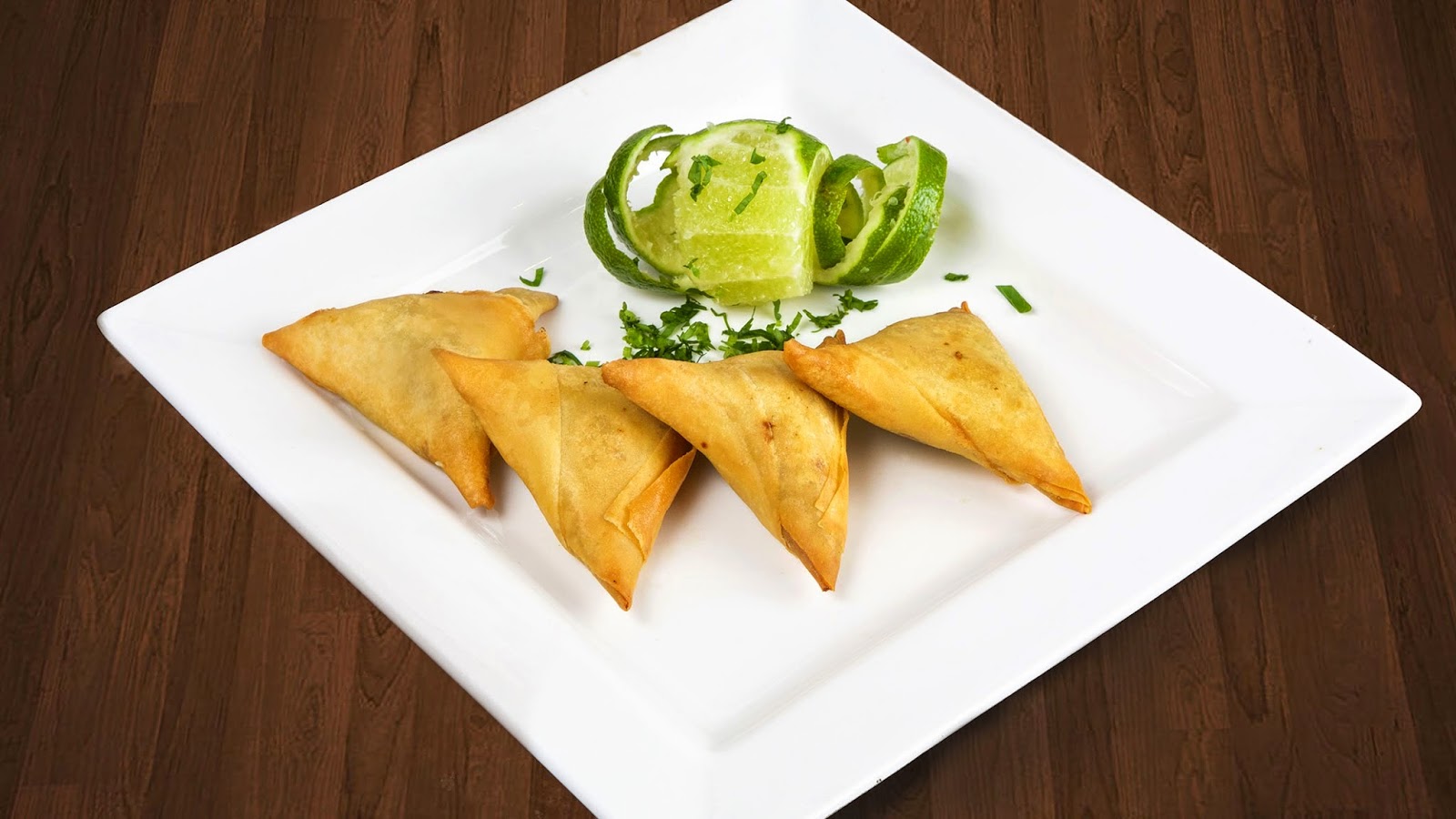
Sabri is best known for its namesake nihari, which is exactly why the haleem sneaks up on you. The mutton version (AED 22) is pounded to total smoothness — you taste meat without ever chewing it — and arrives with the correct battery of toppings brought separately: fried onions, julienned ginger, green chilli, lemon and a dusting of garam masala. Order it with a plain naan (AED 4) and dress it yourself. Go before 1pm on a weekday; by 2pm the lunch rush thins the pot and they top it up with stock.
Book a Table →2. Gazebo — Business Bay
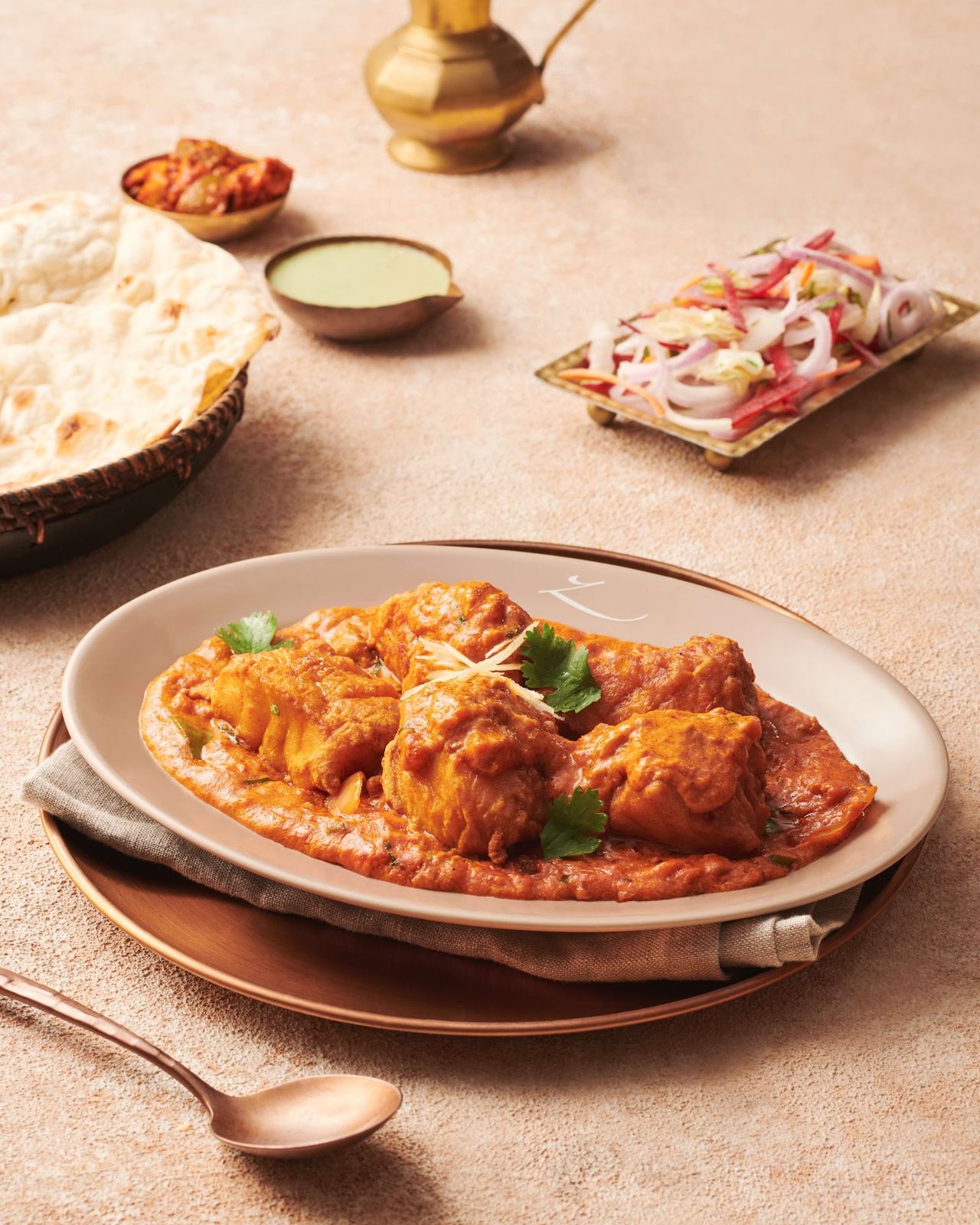
Gazebo does the Hyderabadi rendition: darker, denser, glossier with ghee, and finished with a heavier hand of fried onion and mint. At AED 34 it's the priciest bowl here, but it's also the only one served in a sit-down room where you'd happily take a guest. During Ramadan it becomes a signature iftar dish and the kitchen runs it in volume — that's the moment to order it, freshly opened at sunset. Ask for the extra caramelised onions on the side; the kitchen obliges without a fuss.
Book a Table →3. Ravi Restaurant — Satwa
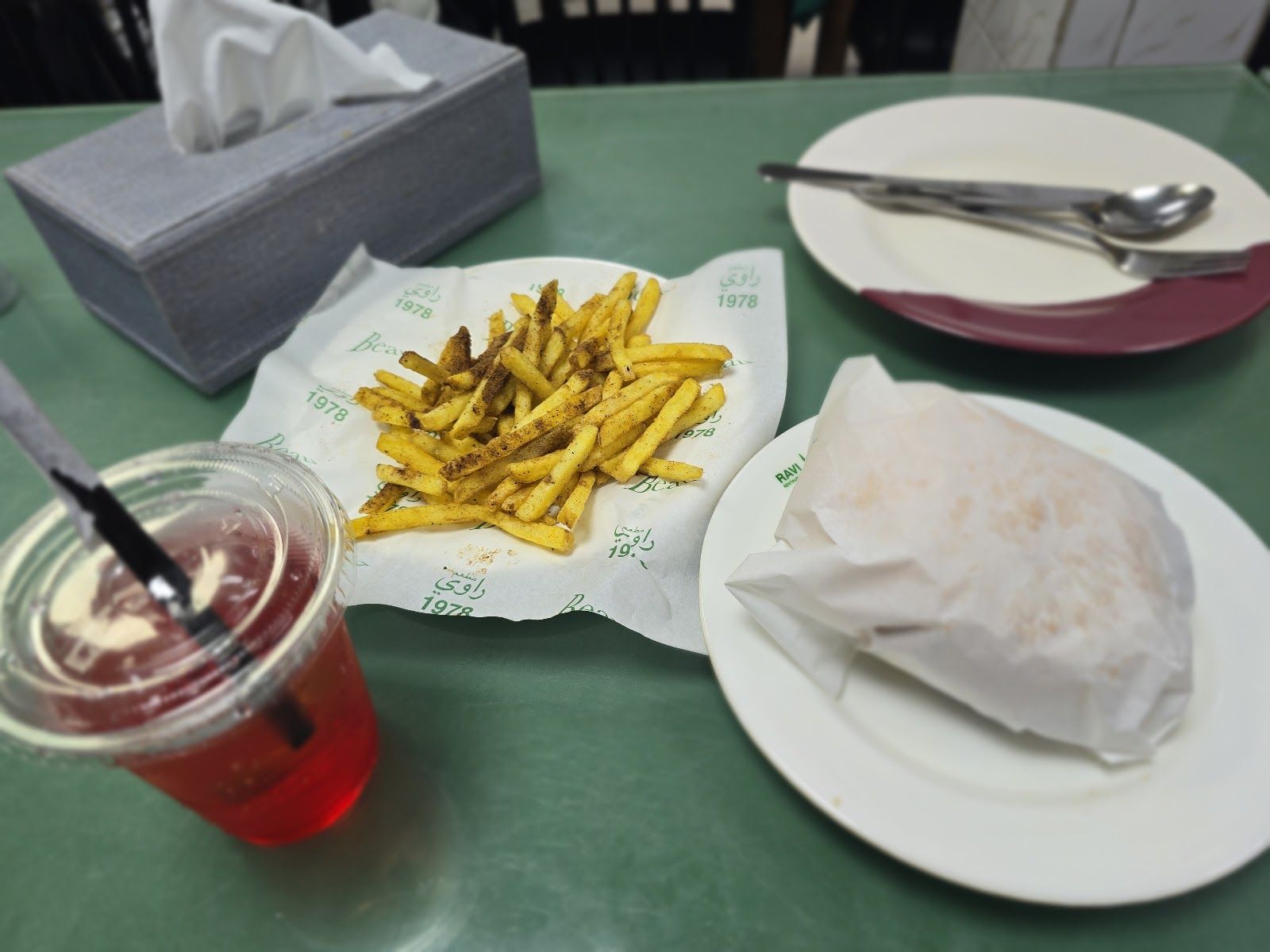
The Satwa legend. Ravi's beef haleem (AED 18) is the cheapest genuinely good bowl in the city and the one most likely to be eaten at 11pm after everything else has closed. It's looser than Sabri's — a touch more liquid — but the flavour is deep and the value indefensible. Sit at one of the plastic-topped pavement tables, order a fresh lime soda (AED 8), and watch Satwa go by. Cash is easiest, though they now take cards.
Book a Table →4. Karachi Darbar — Multiple (Karama)
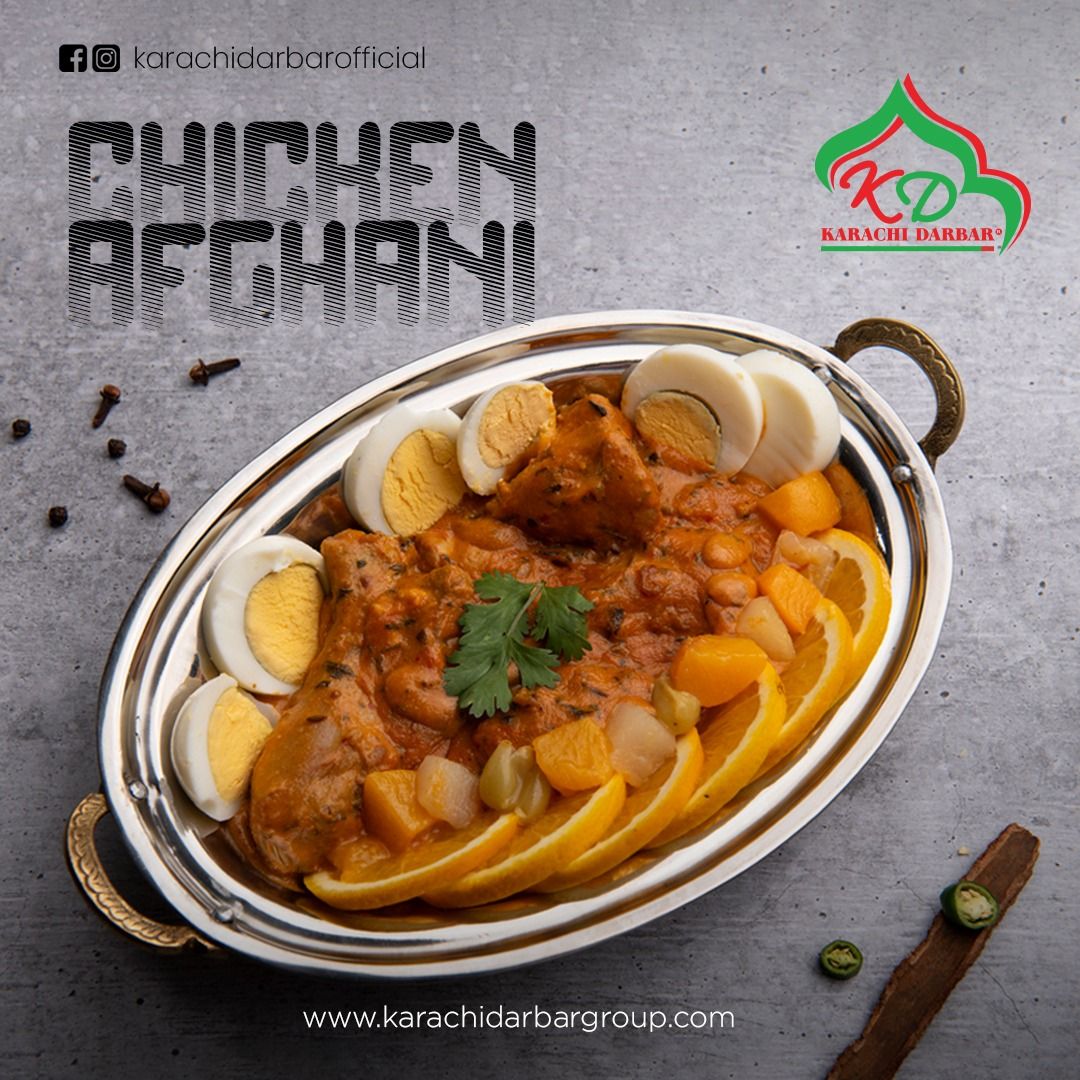
A workhorse chain that does one thing you won't find easily elsewhere: a lighter chicken haleem (AED 19) alongside the standard mutton. It's the entry point for anyone easing into the dish — less heavy, quicker to arrive, and available across a dozen branches so there's usually one near you. The Karama branch on the main road is the most consistent. Add a portion of their seekh kebab (AED 16) to round it into a meal.
Book a Table →5. Sind Punjab — Meena Bazaar, Bur Dubai
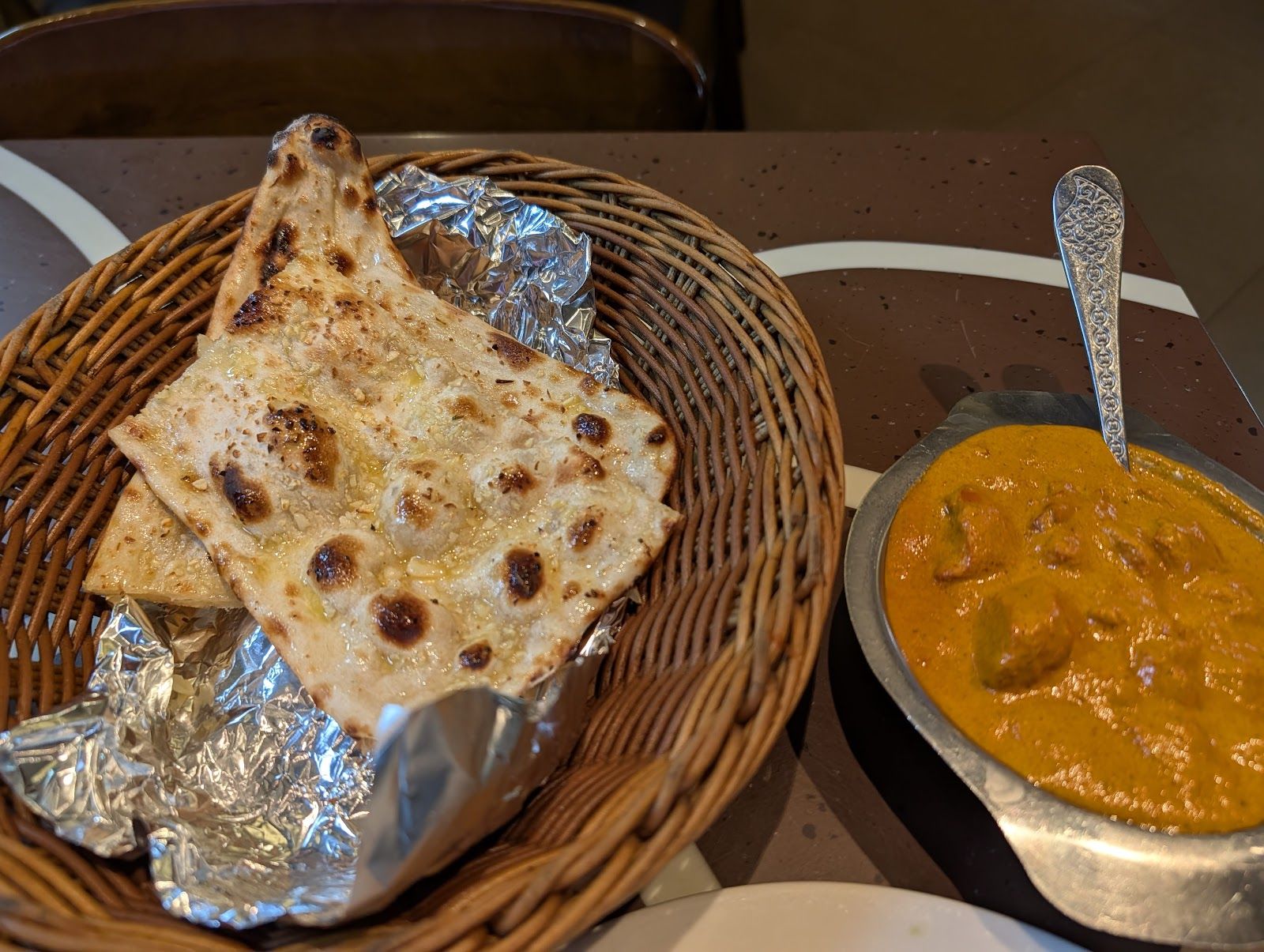
Trading in Meena Bazaar since 1977, Sind Punjab is the old-Dubai option — a proper Punjabi kitchen where haleem (AED 20) is a weekend and Ramadan fixture rather than an everyday item, so call ahead or go Friday lunch to be sure it's on. When it is, it's excellent: robust, well-spiced, and best mopped up with their tandoori naan straight off the wall of the oven. The dining room upstairs is quieter than the ground-floor scrum.
Book a Table →Hyderabadi vs Pakistani Haleem: What's the Difference?
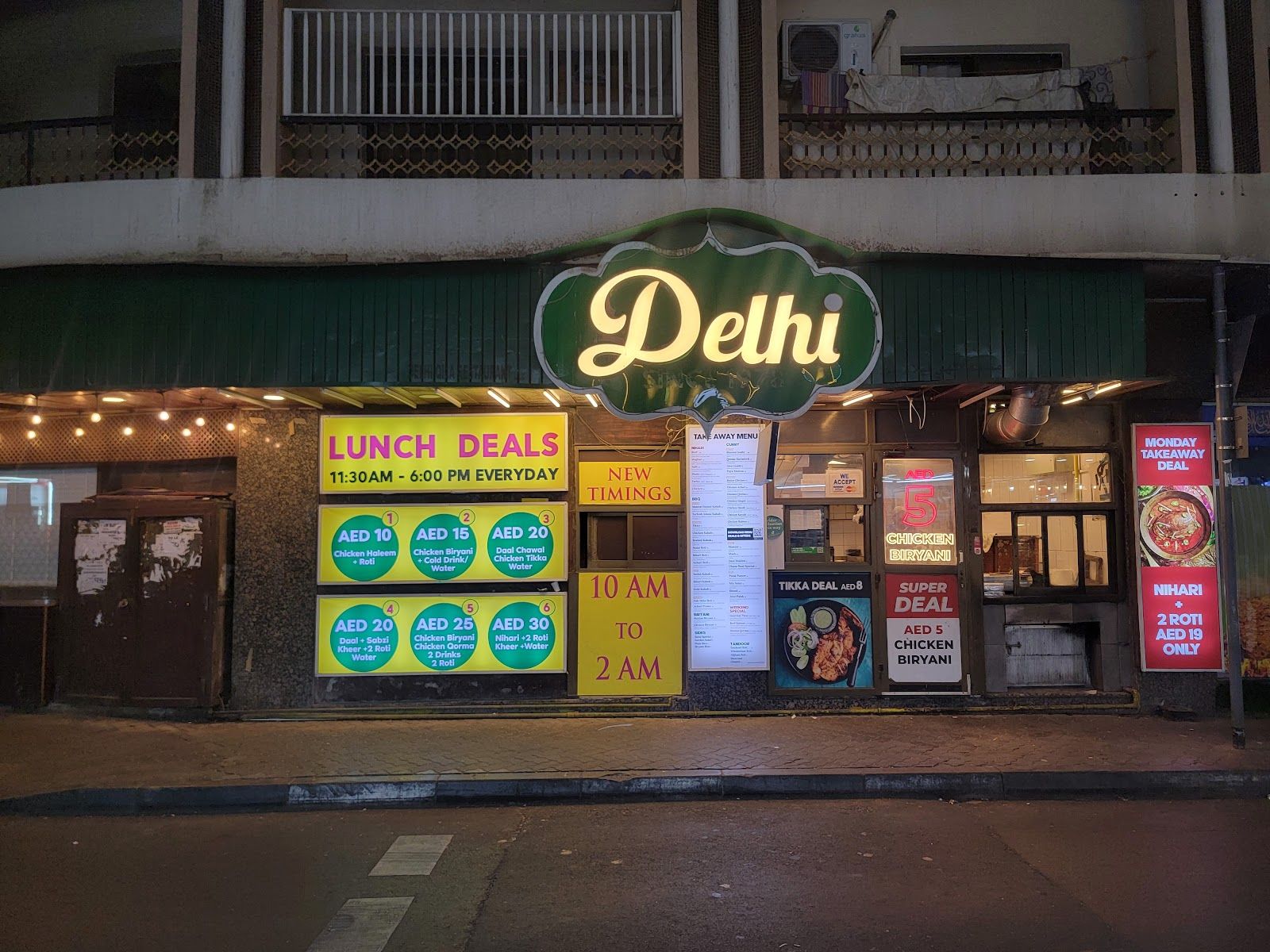
The two styles you'll meet in Dubai split cleanly. The Hyderabadi version (Gazebo's territory) leans richer — more ghee, a heavier fried-onion garnish, often a squeeze more lemon and mint — and is traditionally an Eid and Ramadan dish. The Pakistani version (Sabri, Ravi, Karachi Darbar) is a touch leaner and more of an everyday street food, sometimes labelled khichda when barley is prominent. Both are pounded to the same smoothness; the difference is in the fat and the finish. If you're new to it, start Pakistani and cheap at Ravi, then graduate to Gazebo's Hyderabadi bowl.
Frequently Asked Questions
What is the best haleem in Dubai?
Sabri Nihari in Karama serves the most consistent mutton haleem (AED 22), pounded until completely smooth. For the richer Hyderabadi style, Gazebo in Business Bay is the best sit-down option at AED 34 a bowl.
How much does a bowl of haleem cost in Dubai?
Between AED 18 and AED 34 in 2026. Street institutions like Ravi in Satwa charge AED 18–20; refined dining rooms like Gazebo charge around AED 34.
What is the difference between haleem and khichda?
They are closely related. Haleem is pounded until smooth with no visible grain; khichda leaves the barley and lentils a little more intact for texture. Both use the same slow-cooked wheat-lentil-meat base.
When is the best time to eat haleem in Dubai?
During Ramadan, in the first hour after iftar, when kitchens cook it in the largest and freshest batches. Outside Ramadan, Friday lunch is the safest bet for a full, freshly made pot.
Where This Fits on the Dubai Map
Haleem sits in the same slow-cooked family as nihari and biryani — for the wider picture see our best South Asian restaurants in Dubai pillar and the cheap eats guide, where Ravi and Karachi Darbar both feature. Sabri and Sind Punjab also anchor the Bur Dubai and Deira area guides, and the Indian & Pakistani cuisine guide maps the rest.

Related Reading
Internal compass: South Asian pillar · Cheap eats · Indian cuisine · Bur Dubai · Deira · Business Bay · Join The Dubai Fork