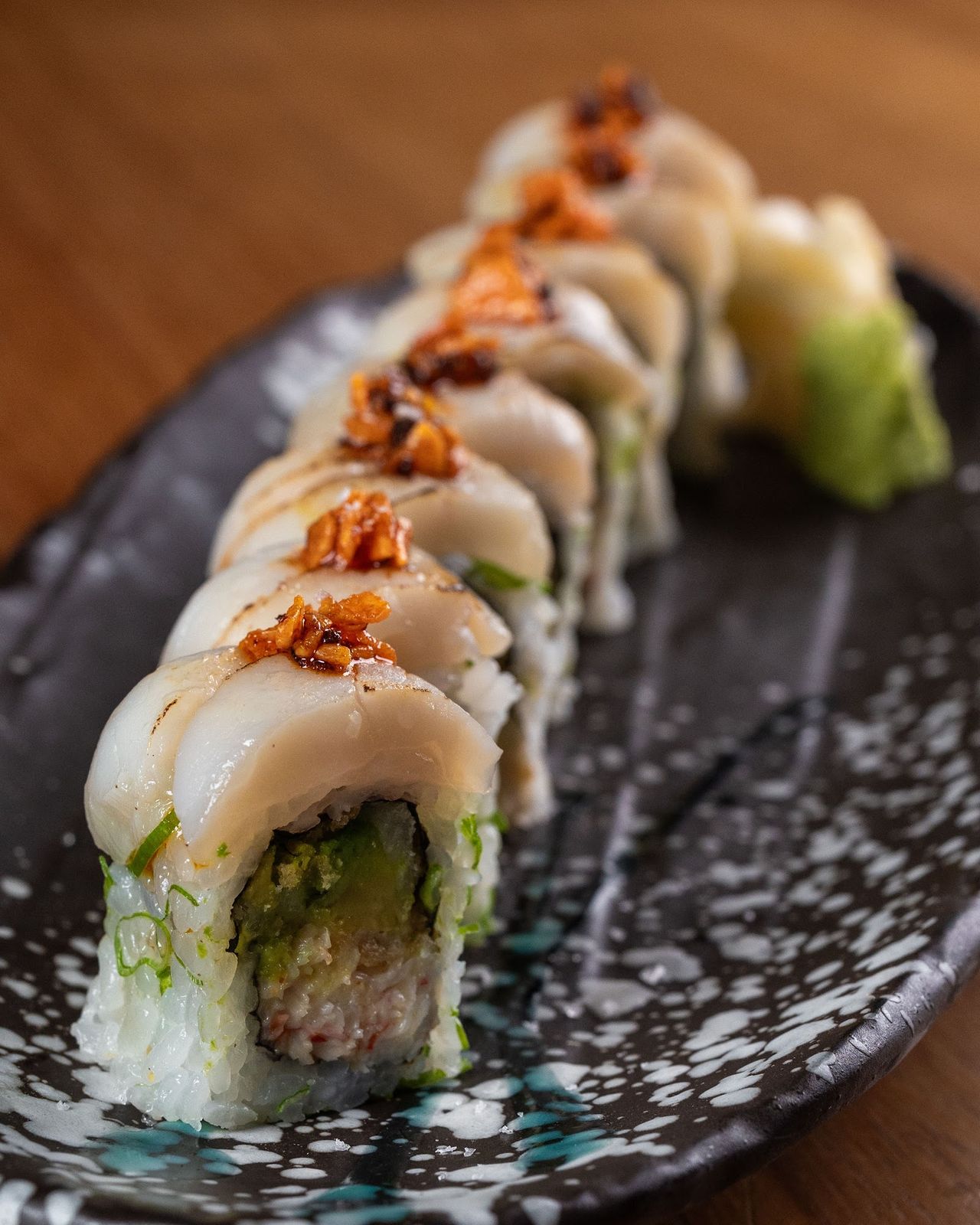
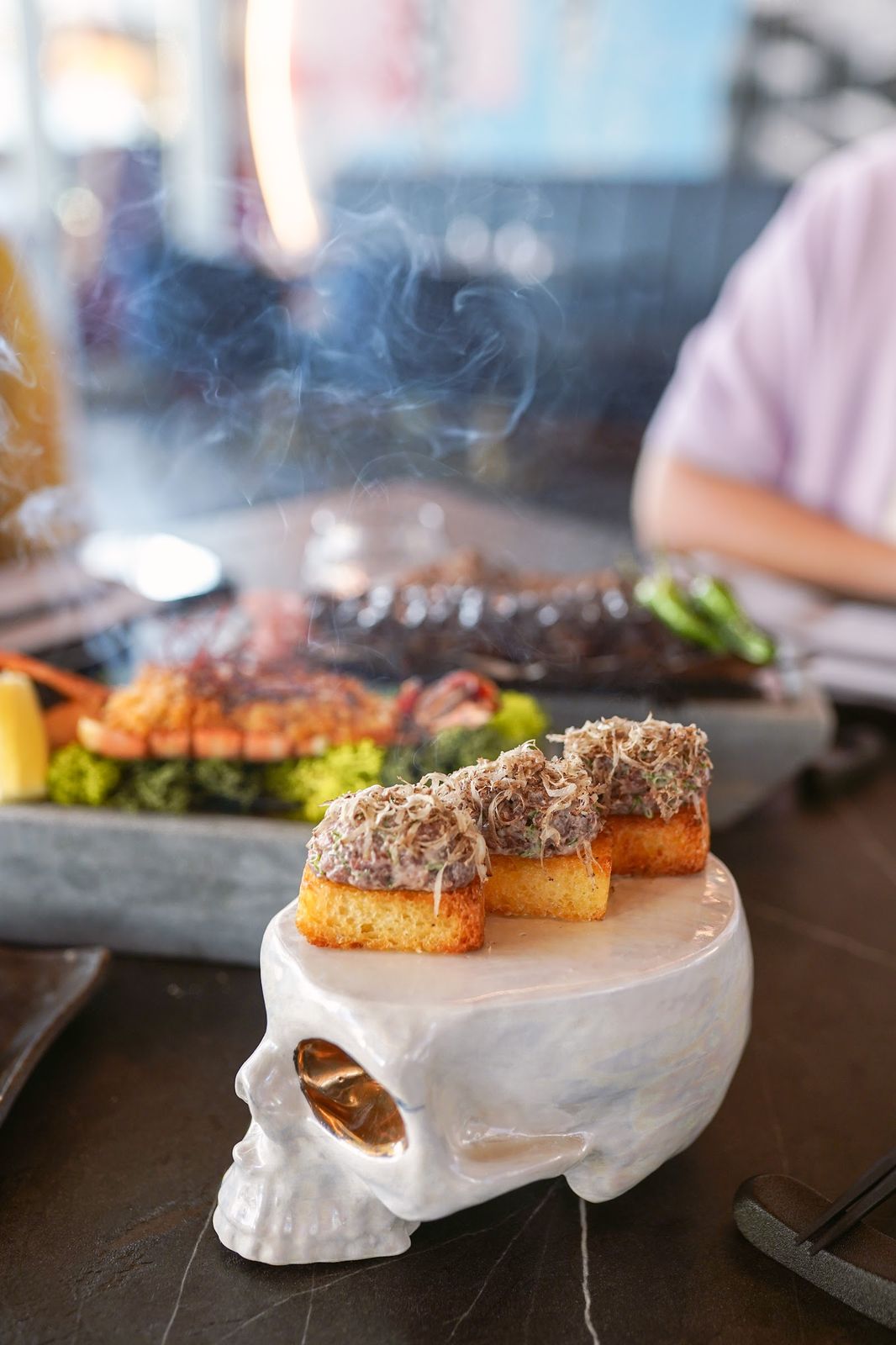
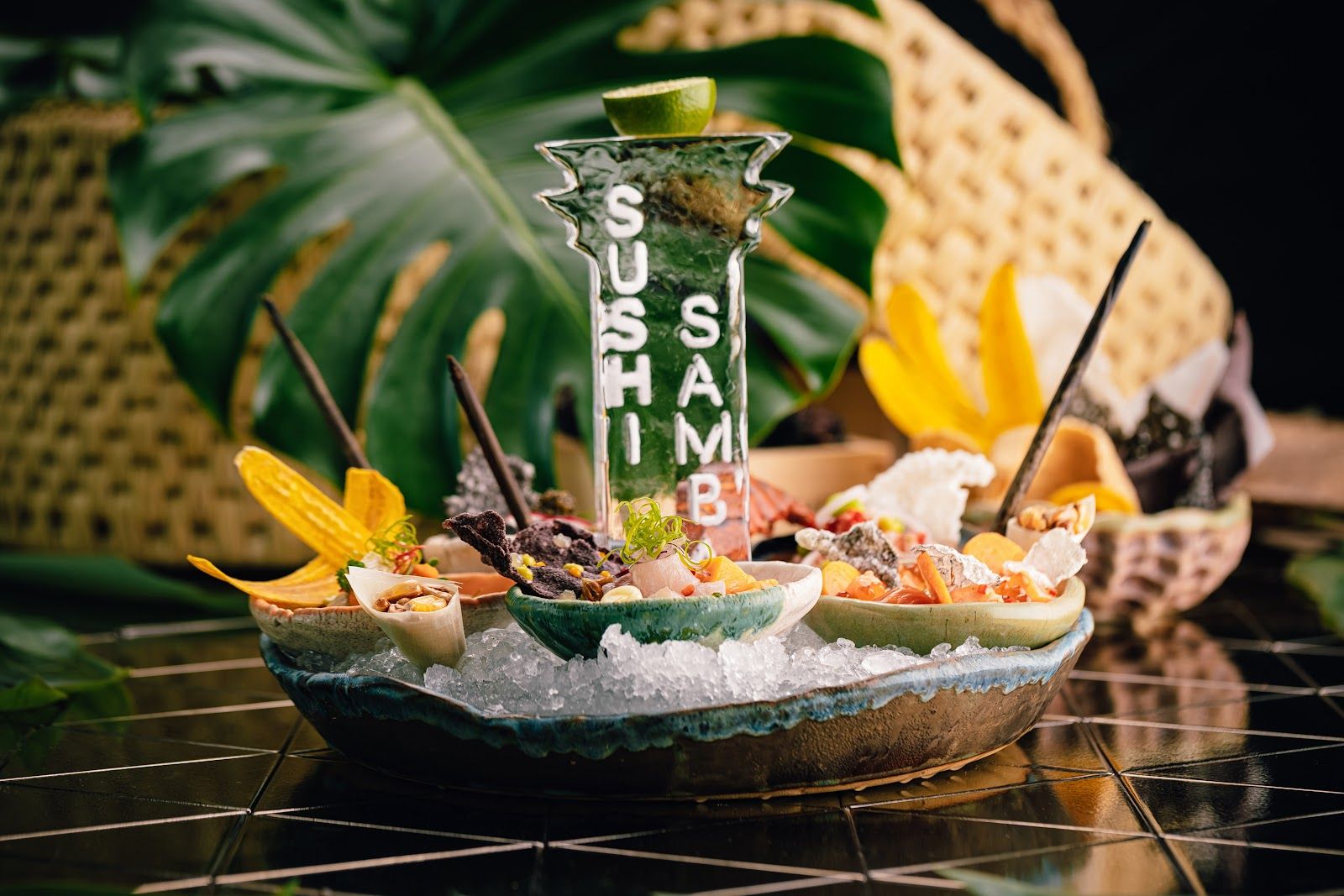
Omakase — ‘I leave it up to you’ — is dinner as a relationship: you sit at the counter, the chef decides, and course after course of sushi and small plates arrives at the pace the kitchen chooses. Dubai's version of it has matured fast, and in 2026 the city finally has counters that stand comparison with the ones abroad.
We sat at eight omakase counters across the Palm, DIFC and Downtown between March and June 2026 to build this ranking. What we rewarded: rice temperature and seasoning, the quality and cut of the fish, and whether the chef actually engaged rather than plating on autopilot. Prices below are per person for the chef's tasting.
Which restaurant has the best omakase in Dubai?
| Restaurant | Area | Cuisine | Price for two | Signature dish | Rating |
|---|---|---|---|---|---|
| Nobu Dubai | Atlantis, Palm Jumeirah | Japanese-Peruvian | AED 1,300 | Chef's omakase tasting | 4.6★ |
| Omakaseya | Jumeirah | Edomae Japanese | AED 900 | Edomae omakase | 4.6★ |
| Mimi Kakushi | Four Seasons, Jumeirah | 1920s-Osaka Japanese | AED 700 | Omakase & black cod | 4.5★ |
| 99 Sushi Bar | DIFC | Japanese-Spanish | AED 800 | Nigiri omakase | 4.4★ |
| KATA | Downtown Dubai | Contemporary Japanese | AED 500 | Sushi omakase set | 4.3★ |
| SUSHISAMBA | Palm Tower, Palm Jumeirah | Japanese-Brazilian-Peruvian | AED 900 | Nikkei omakase | 4.4★ |
1. Nobu Dubai
The global heavyweight earns its place. Nobu's omakase is the most polished chef's tasting in the city — immaculate nigiri alongside the signature new-style sashimi and black cod miso that made the brand. The counter seats are the ones to fight for; you watch the whole thing unfold.
It's expensive and it's a scene, but the consistency across visits is what keeps it top. Reserve a counter seat weeks ahead.
What to order: The chef's omakase (from around AED 650 per head); make sure the black cod miso and yellowtail jalapeño appear.
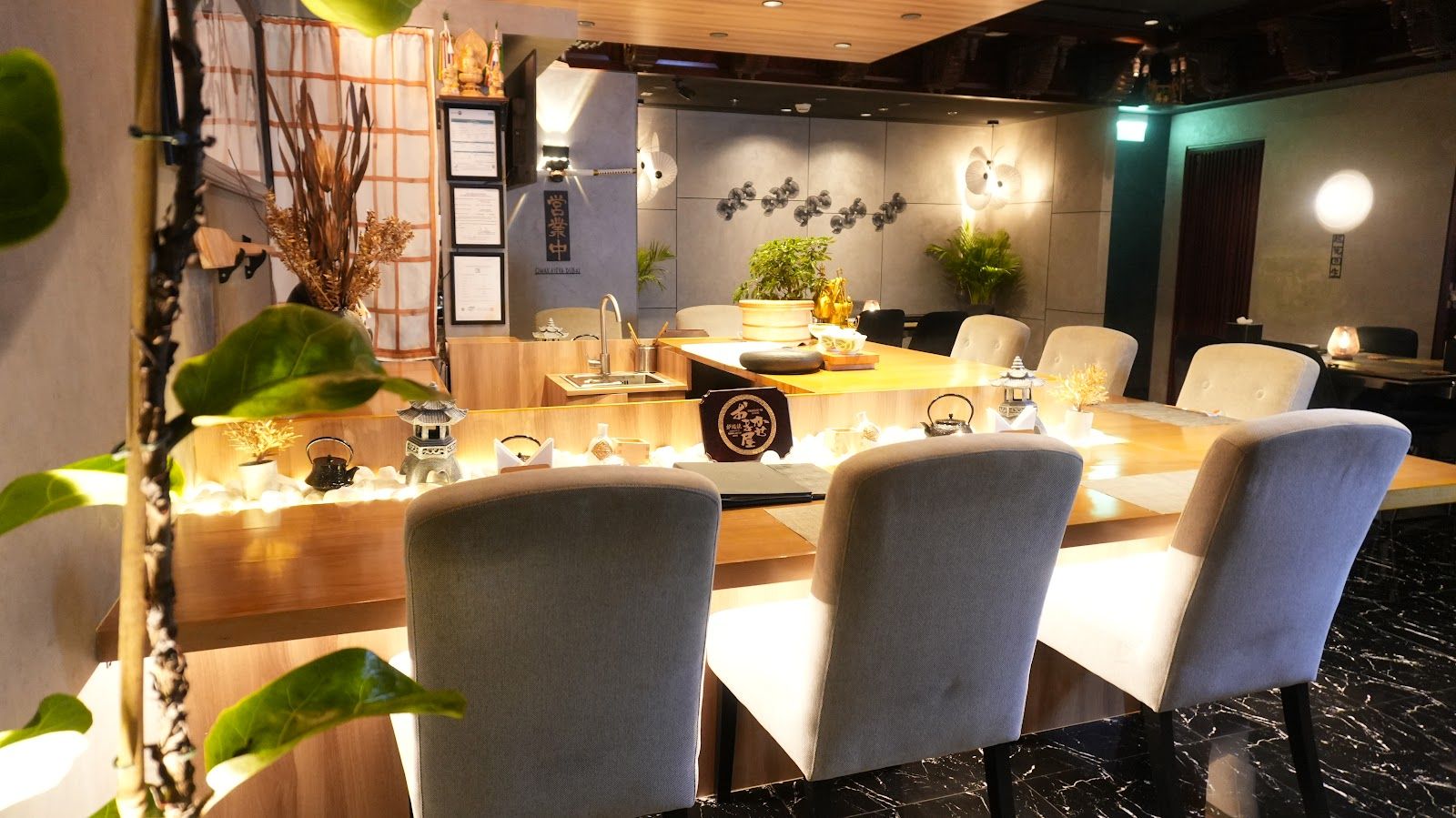
2. Omakaseya
The purist's pick. Omakaseya runs a small, quiet counter focused on classic Edomae technique — aged fish, hand-formed nigiri, warm seasoned rice, minimal theatre. If you care more about the shari (rice) than the setting, this is the one.
Only a handful of seats per sitting, so it books out. Go with an appetite and let the chef lead entirely.
What to order: The full Edomae omakase (around AED 450 per head); trust the chef on the day's neta.
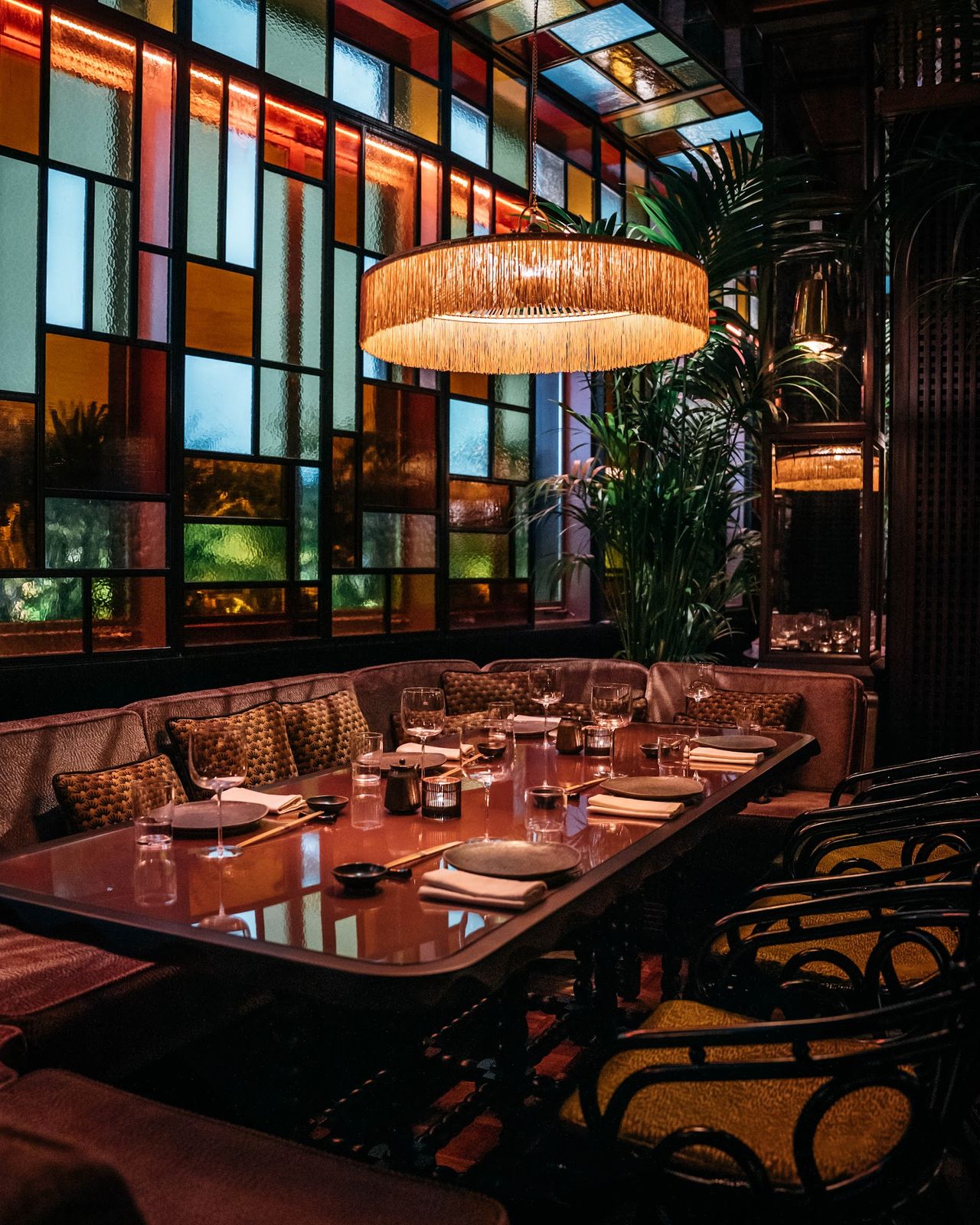
3. Mimi Kakushi
Dubai's most beautiful Japanese room does an omakase to match. The 1920s Osaka styling — velvet, brass, live music — makes it the choice for a date, and the kitchen backs the looks with excellent black cod and a considered counter tasting.
Less austere than Omakaseya, more fun than most; a genuine occasion restaurant. Read our full omakase overview for how it compares.
What to order: The counter omakase, plus the miso black cod and the wagyu gyoza if offered.
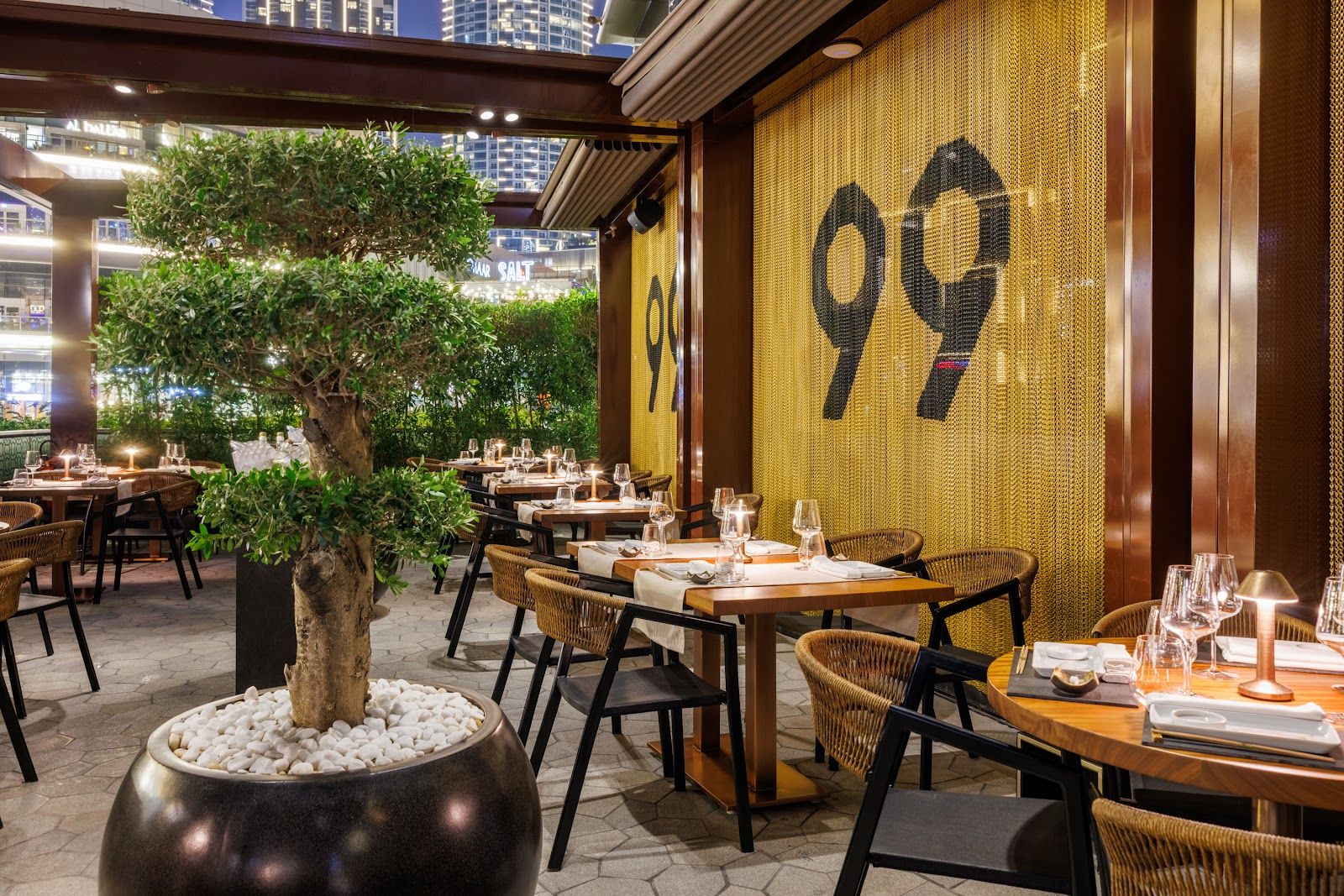
4. 99 Sushi Bar
The Spanish import runs a slick DIFC counter with genuinely good fish and a shorter, business-friendly omakase that suits a weeknight. The nigiri is clean and precise; the room hums with the financial-district crowd.
Not the cheapest, but the location and the pace make it the practical omakase for a DIFC dinner.
What to order: The nigiri omakase; add the toro and the uni if the counter has them fresh.
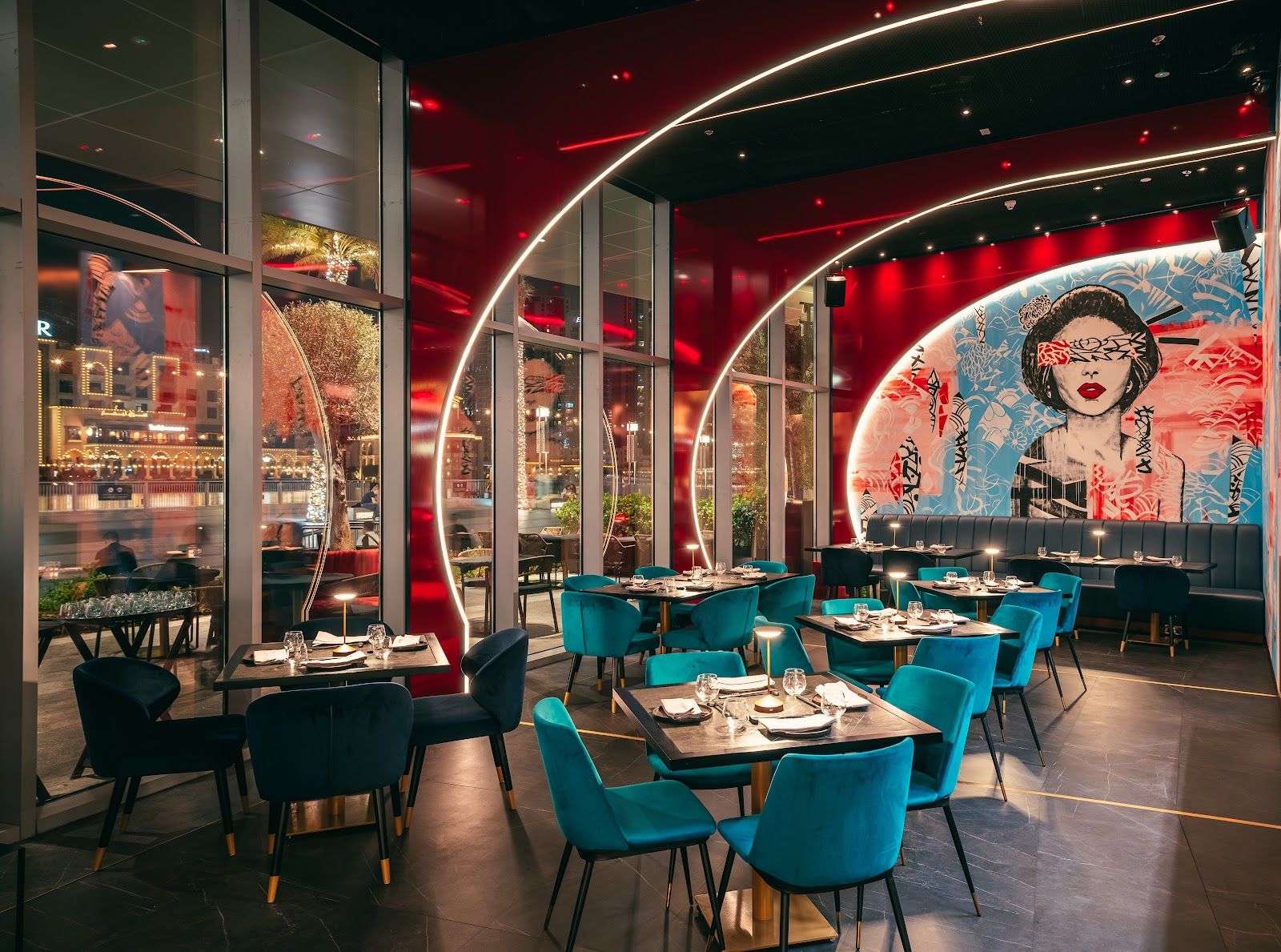
5. KATA
A more accessible entry point, KATA does a contemporary sushi omakase near Downtown that won't require a second mortgage. The fish is well-sourced and the format relaxed — a good first omakase before you graduate to the Palm counters.
Portioning is generous and the room is easygoing rather than reverent.
What to order: The sushi omakase set (from around AED 250 per head), with a side of tempura.
6. SUSHISAMBA
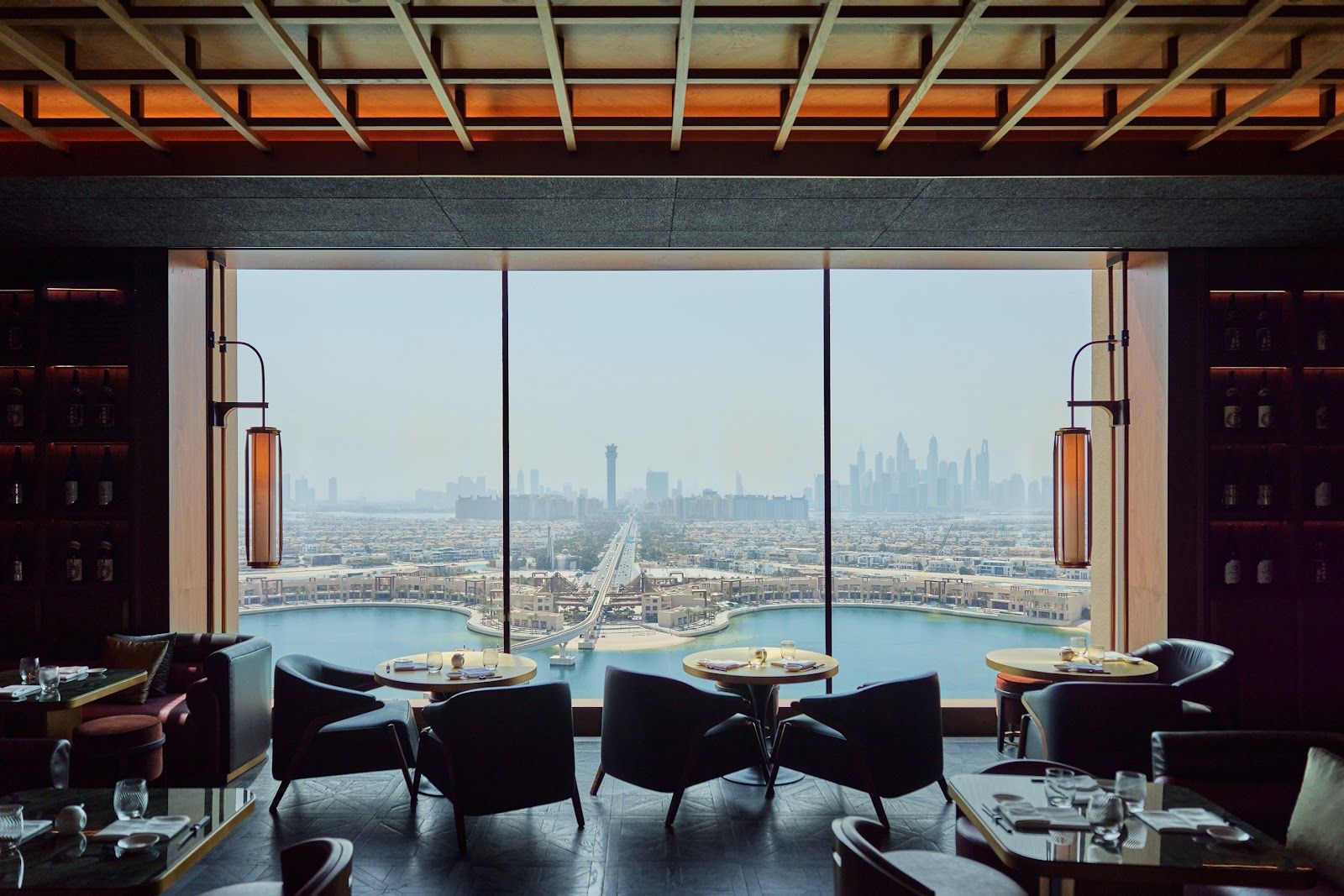
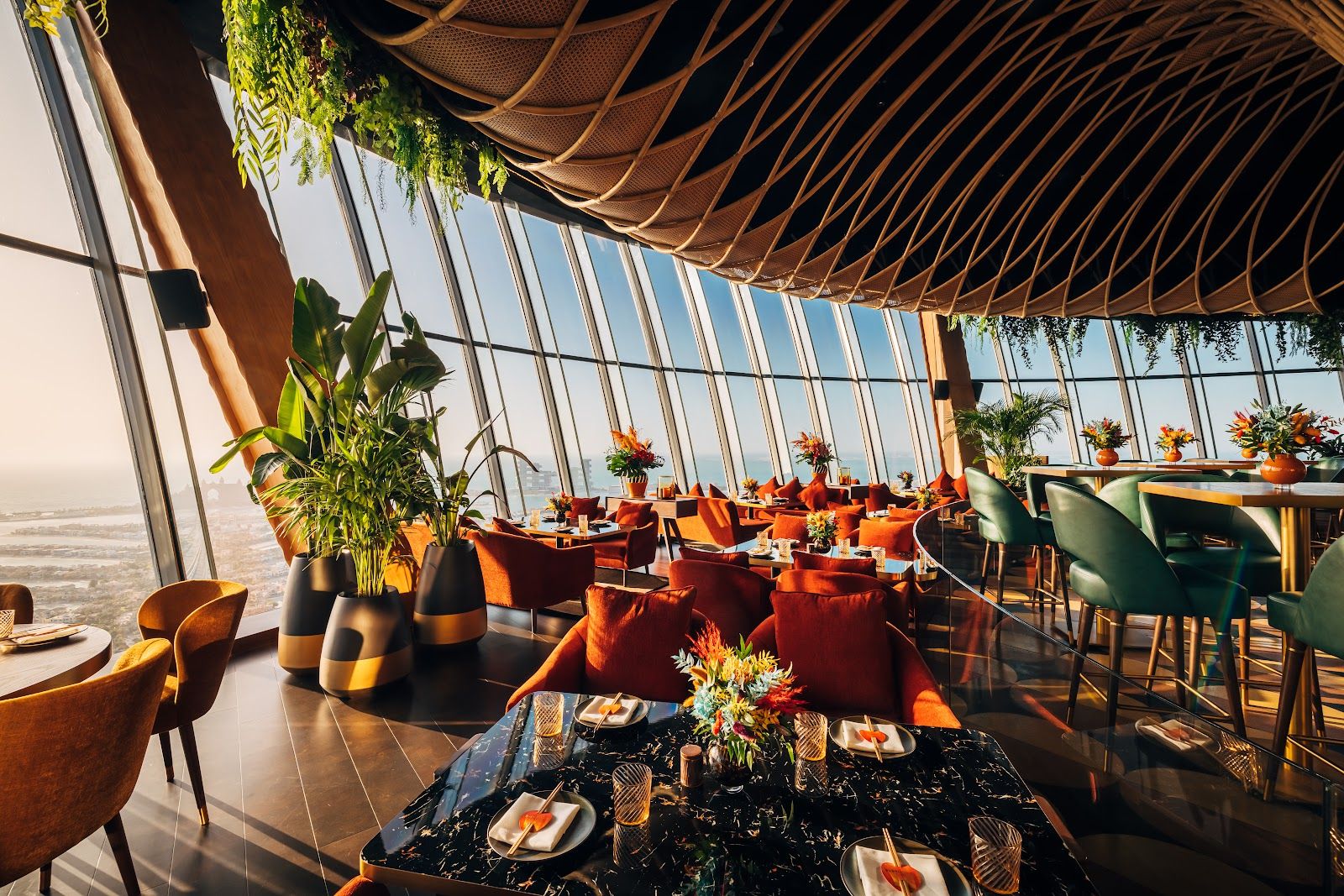
Fusion, unapologetically. SUSHISAMBA's Nikkei omakase leans Japanese-Brazilian-Peruvian rather than traditional, but the fish is serious and the 51st-floor Palm Tower view is the best of any counter in the city.
Come for the spectacle and the sunset as much as the sushi. Read our SUSHISAMBA guide for the full picture.
What to order: The Nikkei omakase; don't miss the tuna tataki and the anticucho skewers.
What should you expect from a Dubai omakase?
A Dubai omakase typically runs eight to fifteen courses over 60 to 90 minutes, weighted towards nigiri with a few cooked and seasonal plates woven in. You'll usually be offered a set price per head; at the top counters that's AED 450–650, climbing higher with premium neta like otoro or uni. Sake and tea pairings are common add-ons.
Because these are halal-market kitchens, alcohol service varies by venue — the hotel counters (Nobu, Mimi Kakushi, SUSHISAMBA) pour sake, while some standalone rooms don't. If it matters, check when booking.
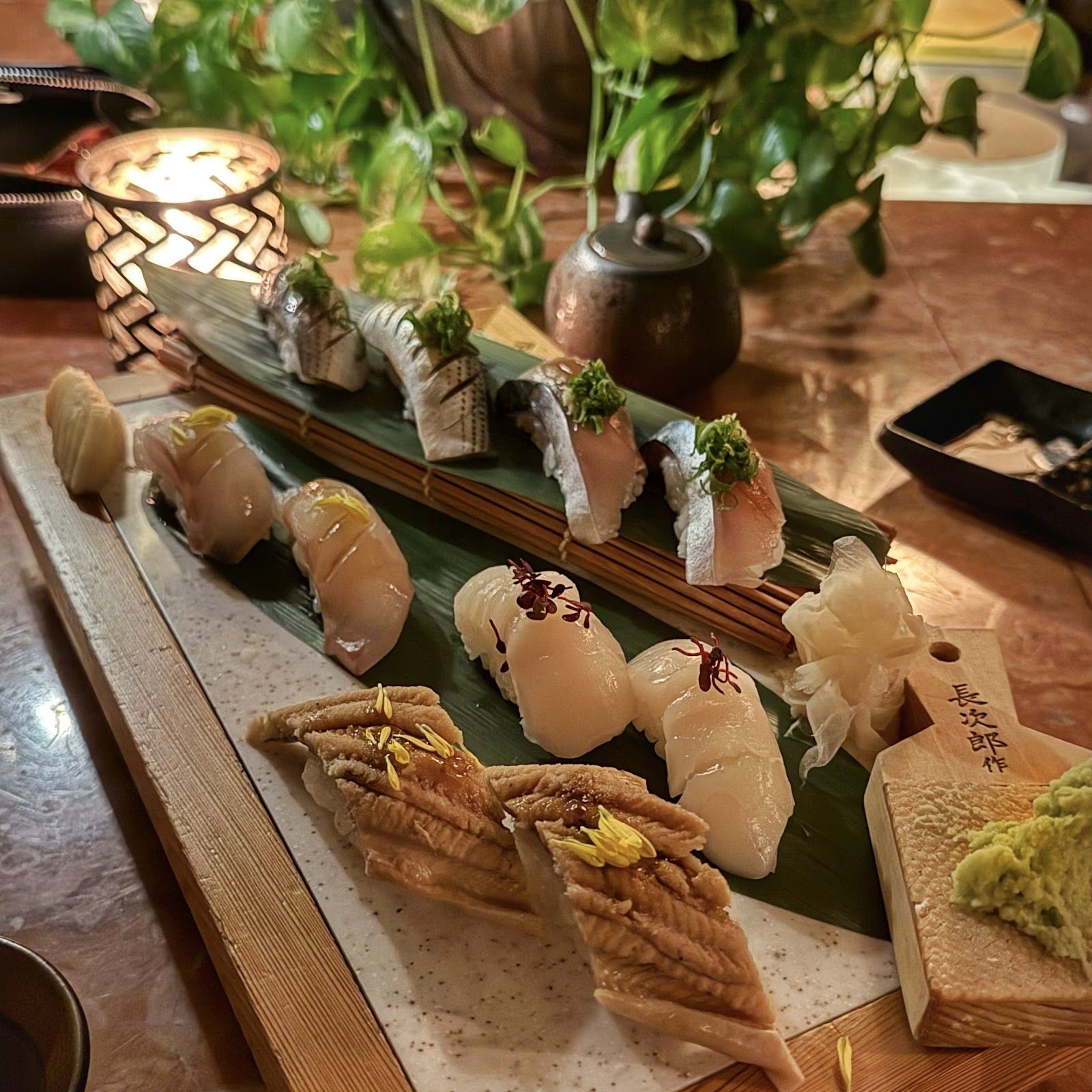
Booking tip: always request a counter seat, not a table — the whole point of omakase is watching the chef work and being served piece by piece. Counter seats are limited and go first, so book 1–3 weeks ahead for the Palm counters.
How much does omakase cost in Dubai?
Entry-level omakase starts around AED 250 per head at KATA; the mid-field (Omakaseya, 99 Sushi Bar, SUSHISAMBA) sits at AED 450–600; and the flagship Nobu tasting climbs to AED 650 and beyond before drinks. For two with sake, budget AED 1,000–1,500 at the top end.
If you want the sushi without the tasting-menu commitment, our best sushi in Dubai guide covers à la carte rooms, and the halal omakase guide flags alcohol-free counters.
Where are Dubai's best omakase counters?
The luxury cluster is on Palm Jumeirah — Nobu at Atlantis and SUSHISAMBA in the Palm Tower — with Mimi Kakushi and Omakaseya over in Jumeirah. For a business dinner, DIFC's 99 Sushi Bar is the pick, and Downtown's KATA is the value option.
For the wider Japanese scene, see our Japanese cuisine hub and the citywide fine dining guide.
Frequently Asked Questions
Where is the best omakase in Dubai?
Nobu on Palm Jumeirah is the most-recommended for its polished chef's-choice tasting. Omakaseya in Jumeirah offers the most authentic Edomae counter, and Mimi Kakushi the most atmospheric setting.
How much does omakase cost in Dubai?
Omakase runs roughly AED 250 to 650+ per person for the chef's tasting, before drinks. KATA is the most affordable at around AED 250, while Nobu's flagship tasting starts near AED 650.
Do I need to book a counter seat for omakase?
Yes, always request a counter seat rather than a table. Omakase is designed to be served piece by piece by the chef in front of you. Counter seats are limited, so book one to three weeks ahead at the top Palm Jumeirah counters.
Is there halal omakase in Dubai?
Yes. Most Dubai sushi counters use halal-market seafood, and several standalone rooms are alcohol-free. See our dedicated halal omakase guide for the counters that don't serve alcohol.