Here's a number to chew on before the best wagyu nigiri in Dubai 2026 gets ranked: by my count, at least forty restaurants in this city now list a wagyu nigiri, wagyu sushi, or "wagyu aburi" somewhere on the menu. Forty. A dish that requires certified Japanese beef, a sushi chef who understands rice temperature, and a torch wielded with restraint has become as common on Dubai menus as truffle fries — and about as carefully executed, on average.
So I spent a month and a frankly irresponsible amount of money eating wagyu nigiri at seventeen of those counters. The premise of the dish is simple: warm seasoned rice, a slice of intensely marbled beef, usually a brief kiss of flame, sometimes a brush of nikiri or a flake of salt. When it works, it's one of the great two-bite luxuries on earth. When it doesn't, you've paid AED 90 for cold fat on rice. These seven counters make it work, every time.
The Seven Counters — Ranked
1TakaHisa — Banyan Tree, Bluewaters
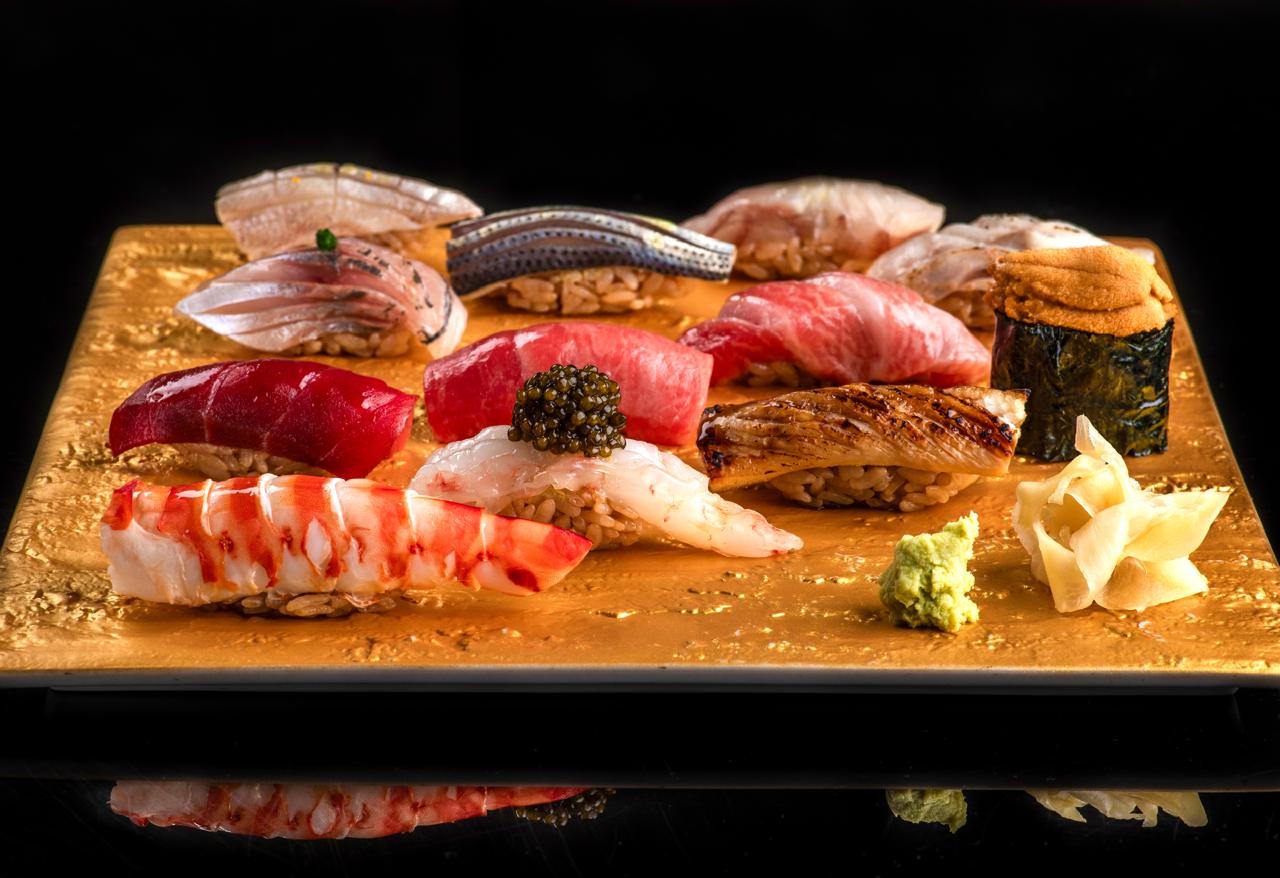
No suspense: TakaHisa serves the best wagyu nigiri in Dubai and it isn't particularly close. The restaurant is the city's flagbearer for Ozaki beef — the single-farm Miyazaki wagyu raised longer than almost any other A5 — and the nigiri treatment is reverent: a slice cut to translucency, the briefest pass of flame, rice a degree or two warmer than body temperature so the fat starts melting on contact. At roughly AED 145 a piece it is an event, not a snack. Sit at the counter, go at the 6:30pm first seating, and let the chefs sequence it late in the run when your palate is ready.
Book a Table →299 Sushi Bar — Emerald Palace Kempinski, Palm
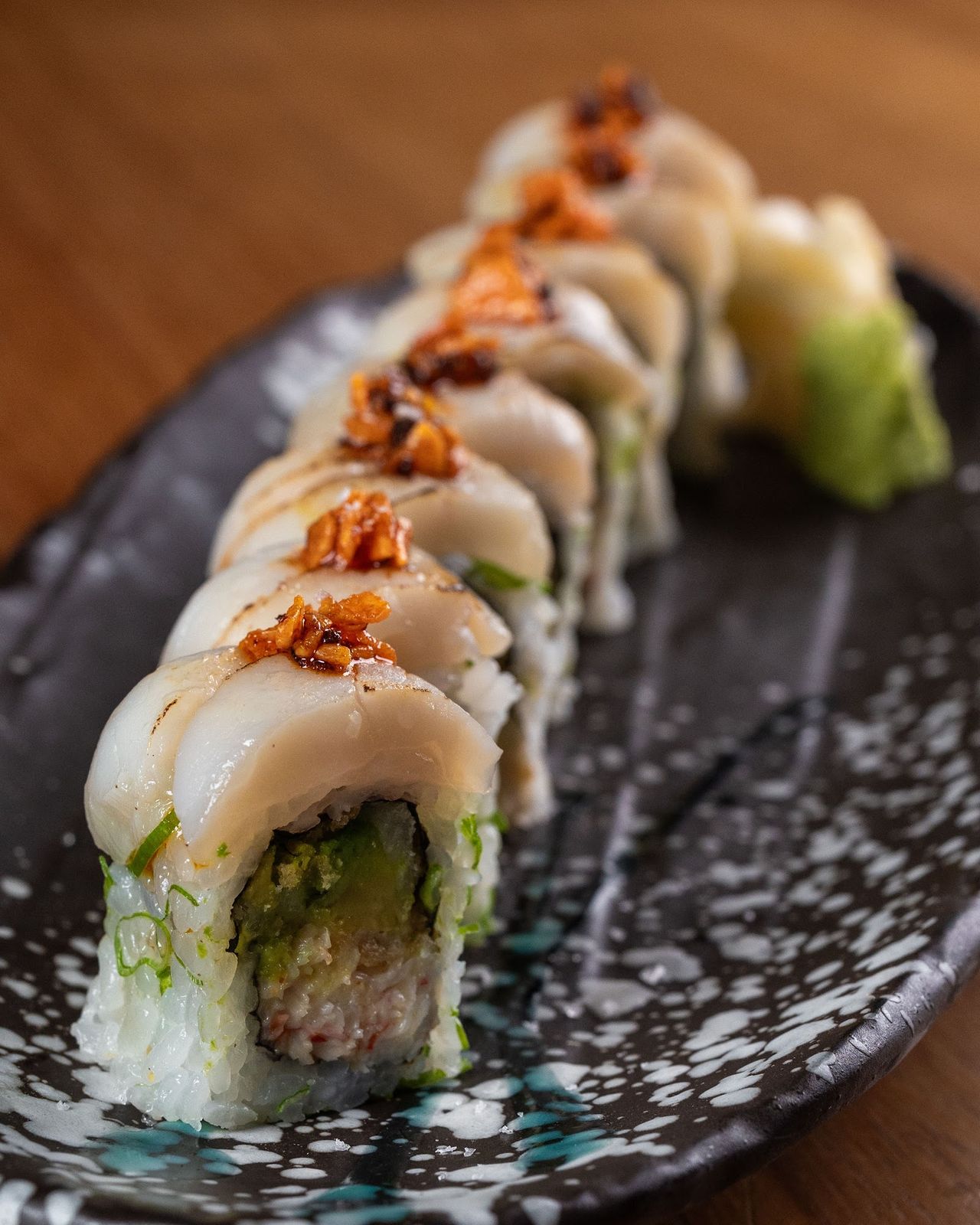
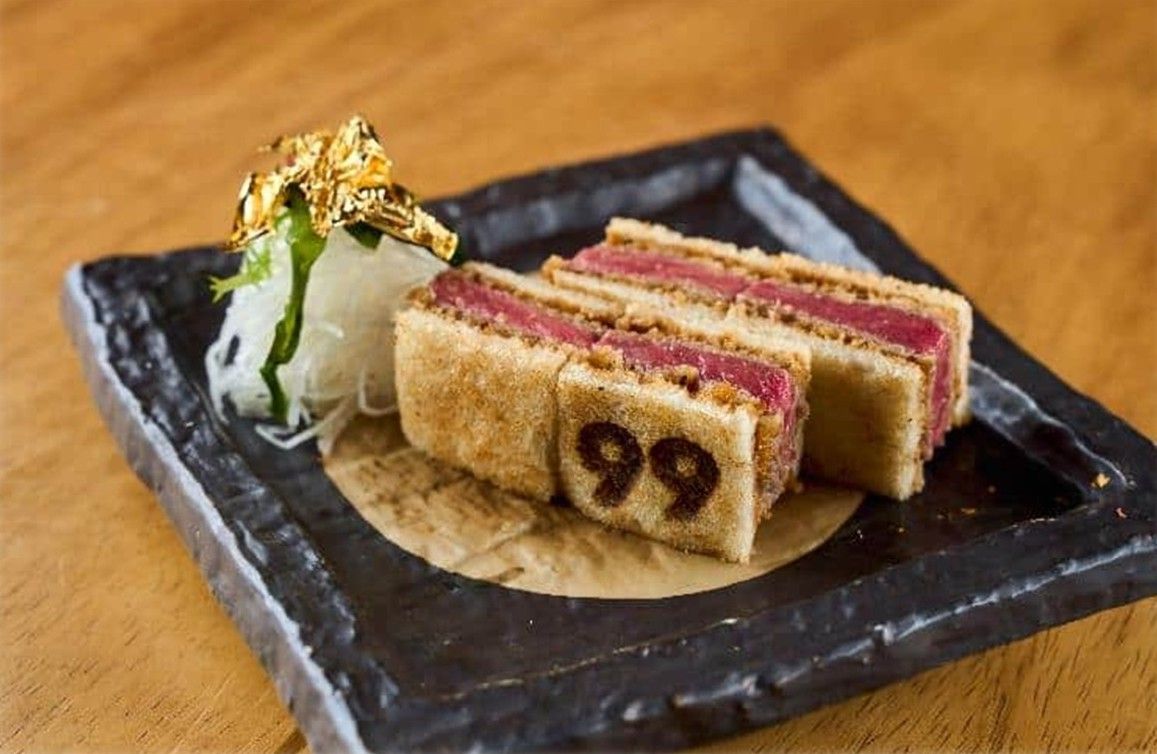
The Madrid-born 99 Sushi Bar does the most precise aburi in Dubai — the sear is a half-second event that leaves the surface smoky and the centre untouched. Their signature wagyu nigiri (AED 95) arrives with a whisper of foie and, yes, a flake of gold leaf, which the beef doesn't need but the room seems to. Skip the gold-leaf upsell if offered the plain version; the beef wins on its own. The counter at the far end, away from the entrance, is where the head itamae works.
Book a Table →3Hoseki — Bulgari Resort, Jumeira Bay
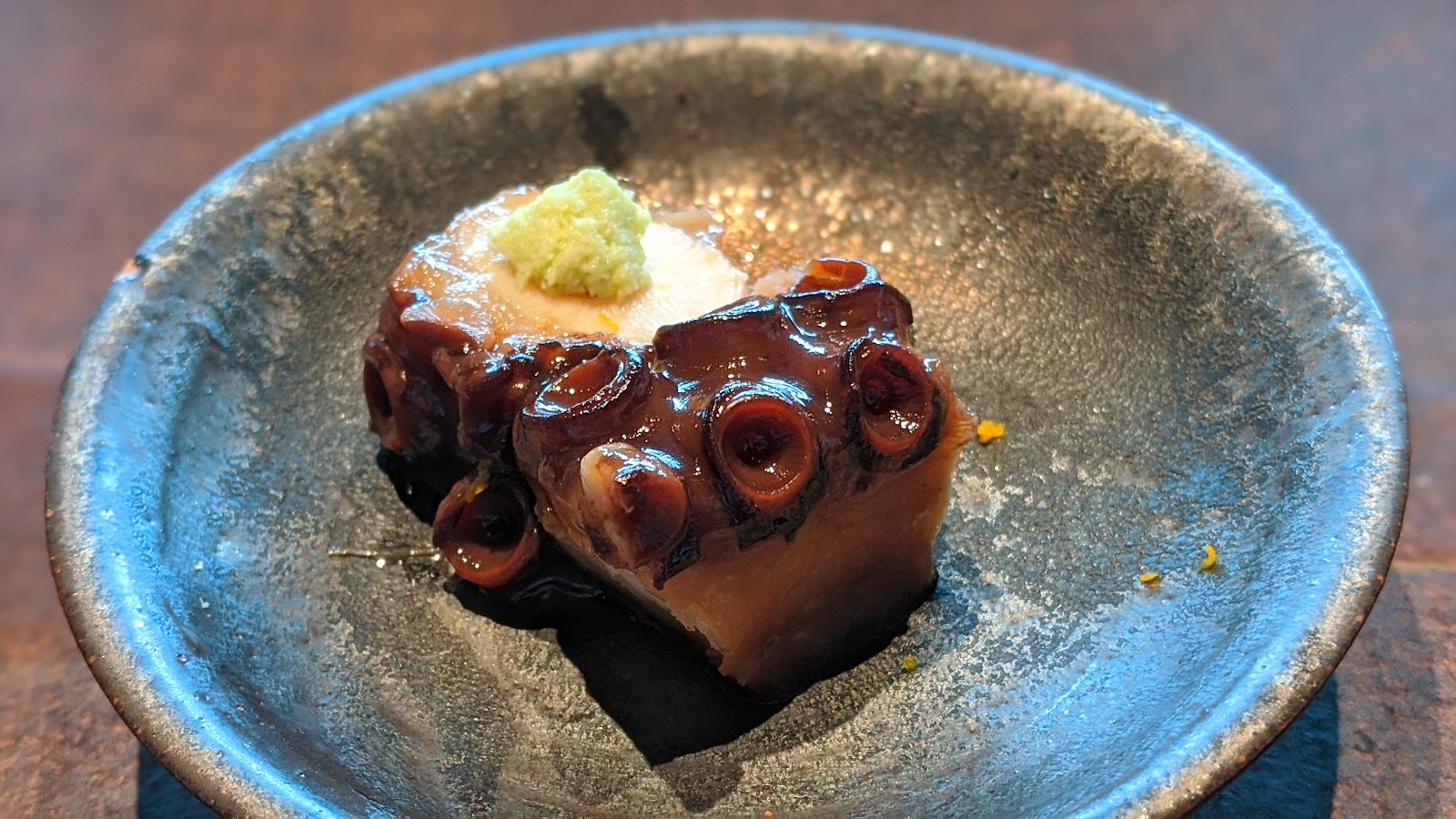
You can't order wagyu nigiri at Hoseki — you can only hope for it. The eight-seat counter runs a fixed omakase (AED 1,500pp), and on the nights the wagyu course appears it's a single piece, served without commentary, somewhere past the halfway mark. It's the least adorned version on this list: no torch theatrics, no toppings, just beef and rice in an equilibrium that took the chef a career to find. The whole experience is the price of admission; the nigiri is the memory you leave with.
Book a Table →
4Zuma — DIFC
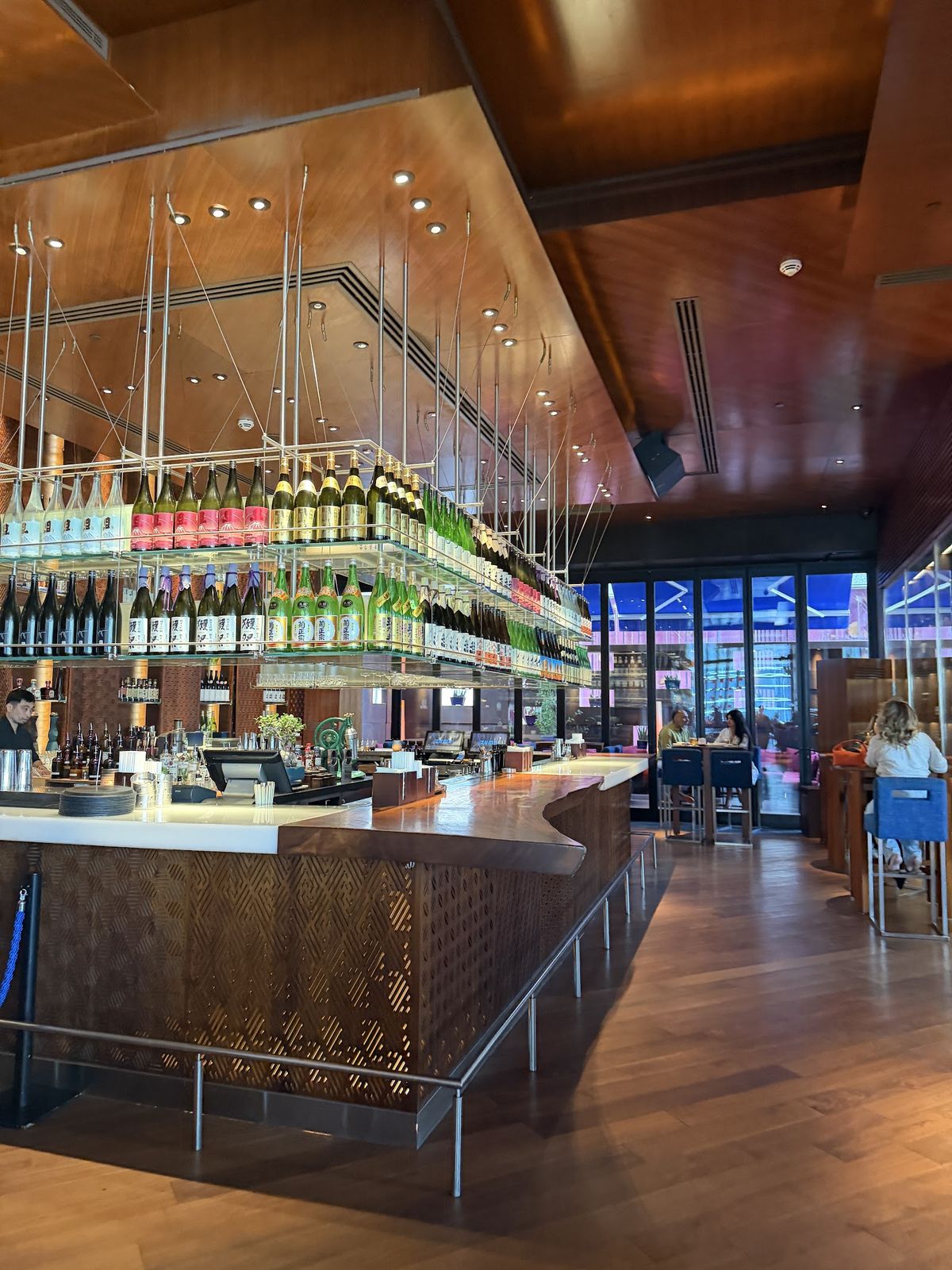
Zuma's seared wagyu nigiri with a dab of wasabi and sweet soy (AED 80) is the piece that taught Dubai to order this dish, and fifteen years on it remains the most consistent. The sear is heavier than the purist standard — closer to tataki — but it's a deliberate house style and it works with the robata-smoke character of the room. Order it at the sushi counter at lunch, when the kitchen is calm; the Friday-night version, made under volume pressure, runs a notch less precise.
Book a Table →5Beefbar — Jumeirah Al Naseem
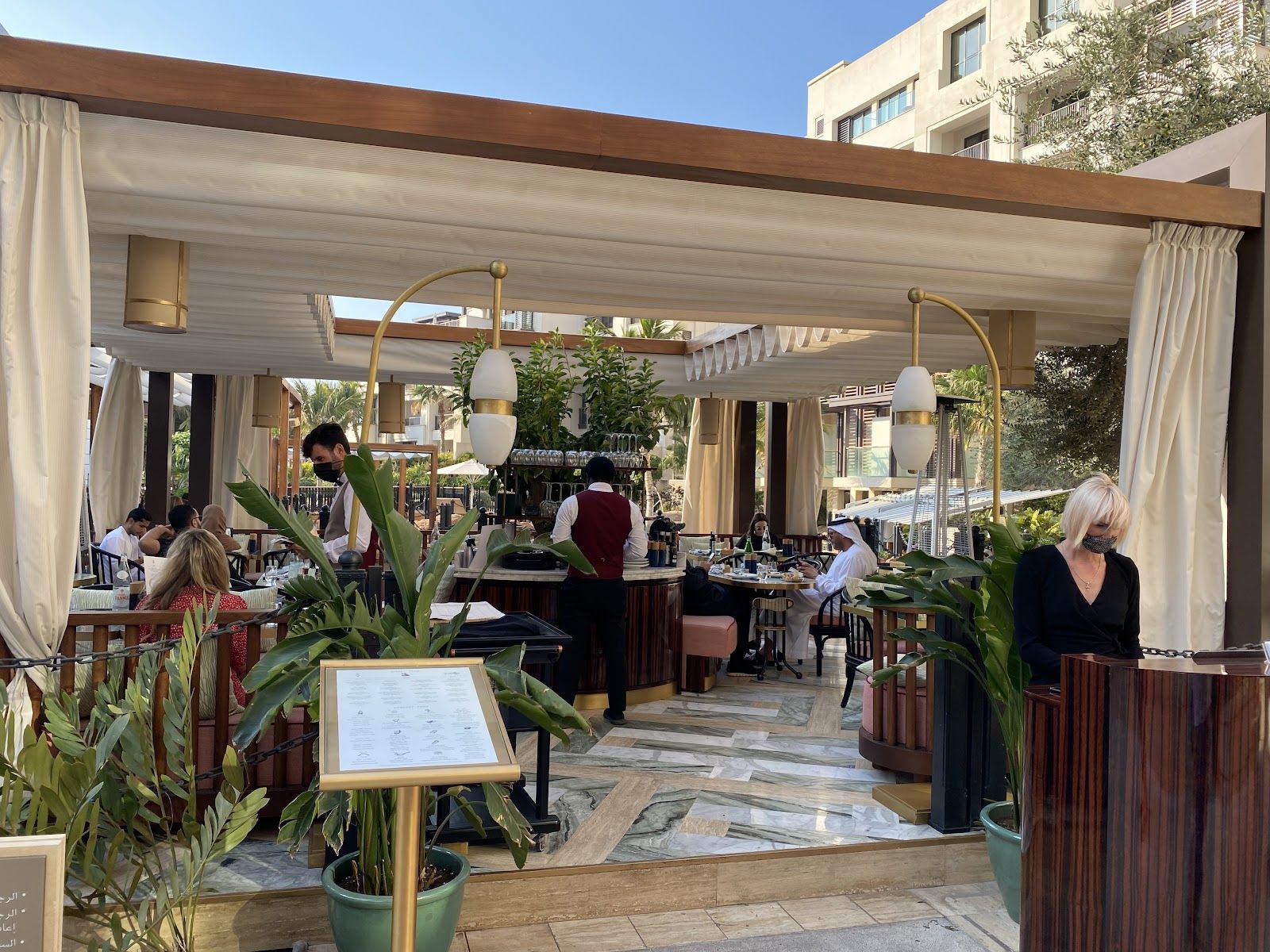
Beefbar comes at the dish from the opposite direction — a beef restaurant that learned sushi rather than a sushi restaurant that bought beef — and the result (AED 88) is the most flavour-forward piece on the list: a slightly thicker cut, a deeper sear, a finishing salt that's been smoked over beech. The wagyu sushi flight, three styles for AED 240, is the smartest single order for understanding what marbling grades actually taste like side by side.
Book a Table →6Mimi Kakushi — Four Seasons, Jumeirah
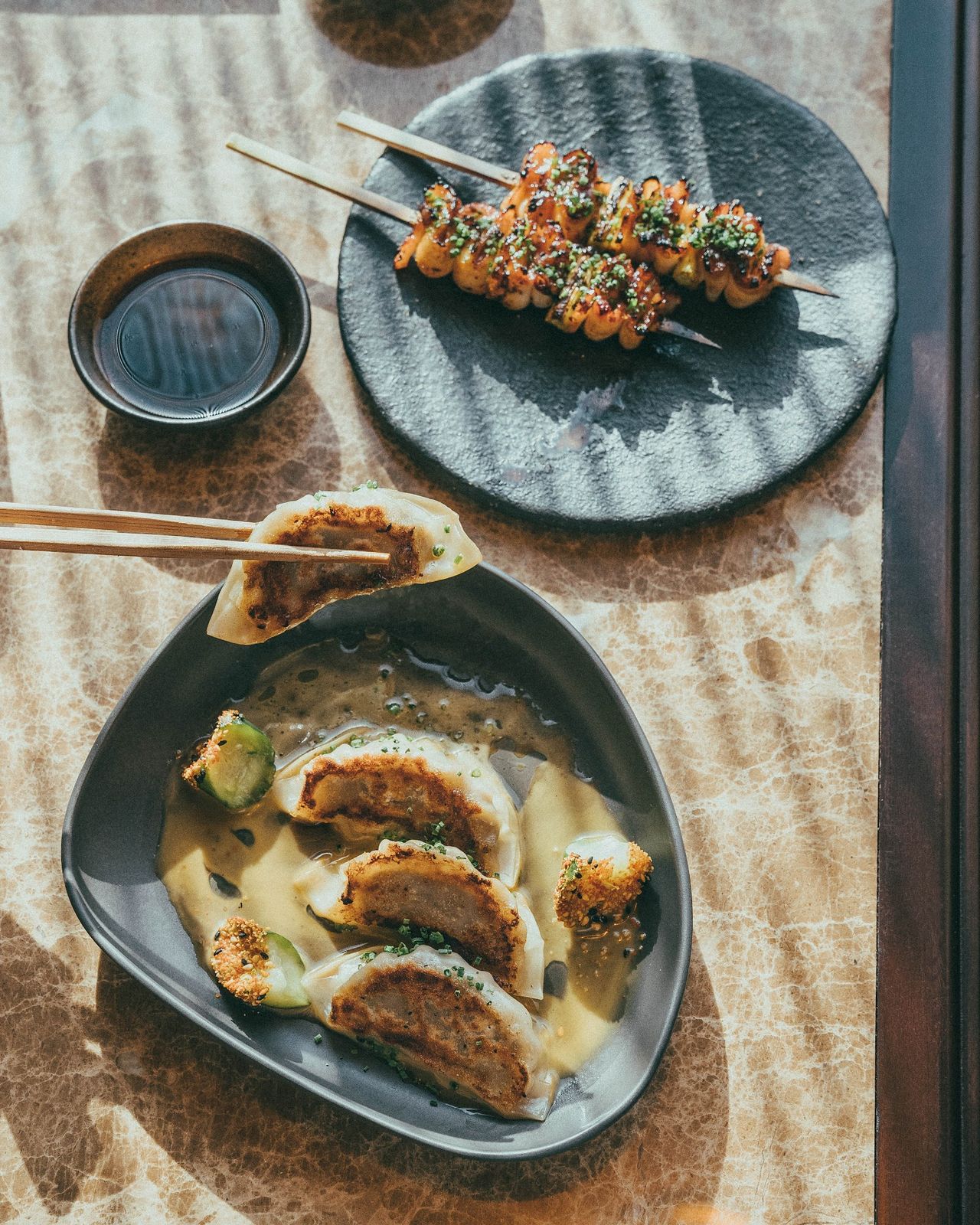
Mimi Kakushi's wagyu nigiri (AED 85) gets a brush of truffle-spiked nikiri that would be a crime against the Ozaki at TakaHisa but suits the jazz-age maximalism of this room perfectly. The kitchen's rice work is underrated — properly warm, properly loose — and the piece eats beautifully between rounds of the smoked salmon tataki and the miso black cod. Saturday brunch includes it in the unlimited rounds, which is either the best or most dangerous fact in this article.
Book a Table →7Nobu — Atlantis, The Palm
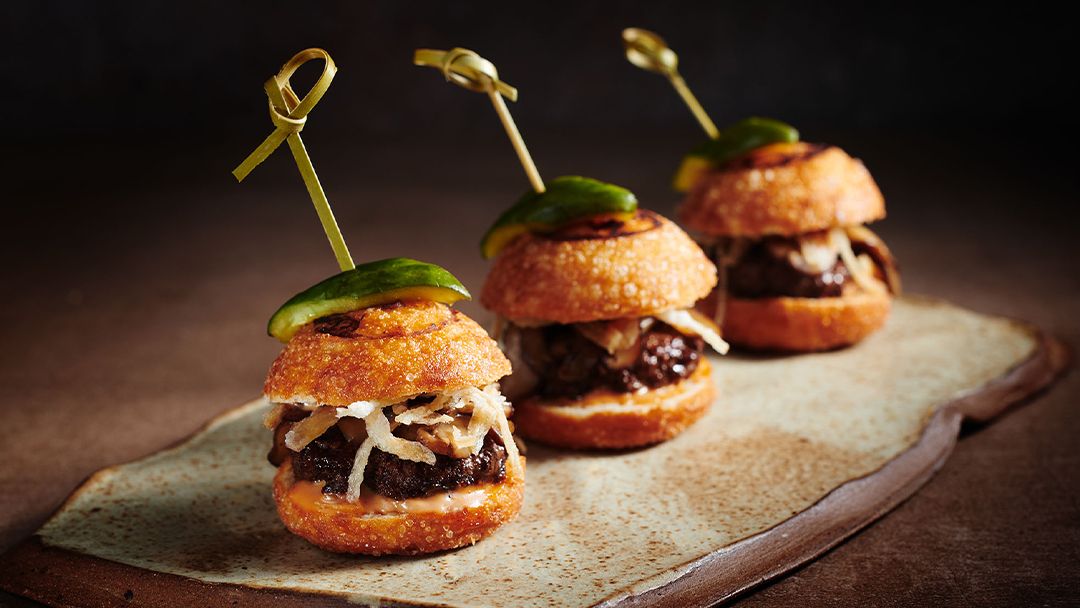
Nobu's wagyu nigiri (AED 75) is the most accessible entry point on this list — available, consistent, and made by a sushi brigade that handles more volume than anyone else here without dropping standards. The house twist is an anticucho-style sauce that divides opinion; ask for it on the side and try the piece plain first. If TakaHisa is the pilgrimage and Zuma the institution, Nobu is the dependable gateway that converts the wagyu-curious.
Book a Table →Frequently Asked Questions
Where is the best wagyu nigiri in Dubai?
TakaHisa at Banyan Tree Bluewaters — A5 Ozaki wagyu at roughly AED 145 per piece. For an accessible classic, Zuma DIFC's seared version (AED 80) has been the city's reference point for over a decade.
How much should it cost?
AED 75–95 per piece at fine-dining Japanese rooms in 2026; AED 145 for certified Ozaki at TakaHisa. Anything under AED 50 deserves a polite question about where the beef is from.
Seared or raw?
Both are legitimate. A half-second aburi sear renders the surface fat and adds smoke; raw showcases texture. The higher the marbling grade, the more a brief sear helps.
Go Deeper on Japanese Dubai
The full landscape is in the Japanese cuisine guide. Beef obsessives should cross-read the best wagyu in Dubai ranking; sushi generalists, the 99 Sushi Bar review and the Mimi Kakushi review. DIFC's counters are mapped in the DIFC area guide, the Palm's in the Palm Jumeirah guide — and if a month of A5 has emptied your wallet, the budget dining guide is the antidote.
Related Reading
Internal compass: DIFC area guide · Palm Jumeirah · Jumeirah · Japanese cuisine · Fine dining Dubai · Budget dining · Best wagyu Dubai · Zuma Dubai · Best ramen Dubai · Join The Dubai Fork