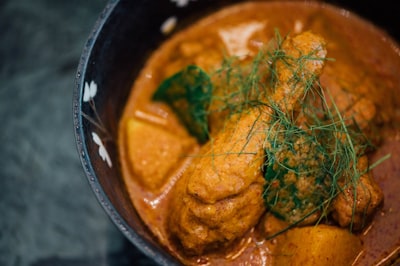
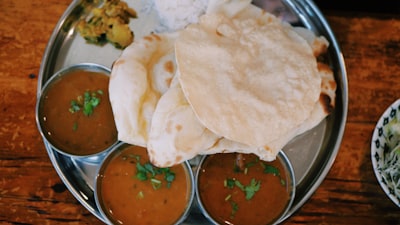
Bengali cuisine is one of the most misunderstood food traditions in Dubai. Often lumped in with "Indian food" by diners who don't know better, it is in fact a profoundly distinct culinary tradition with its own philosophy, techniques, spice logic, and ingredient obsessions — a tradition that prioritises fish over meat, that uses mustard oil and paste with a confidence that no other South Asian cuisine matches, and that produces some of the finest sweets in Asia.
Dubai has one of the largest Bangladeshi communities in the world, with hundreds of thousands of Bangladeshi workers and professionals calling the city home. This has created a restaurant ecosystem that serves this community with remarkable authenticity — but which has remained largely invisible to non-Bengali diners who simply haven't found their way in.
This guide changes that. We've spent months eating through Dubai's Bengali and Bangladeshi restaurant scene to bring you the definitive word on where to go, what to order, and how to understand what you're eating.
Bengali Food at a Glance
- Origin: Bangladesh and West Bengal, India
- Base flavour: Mustard, fish, aromatic spices
- Signature protein: Hilsa fish (ilish)
- Key technique: Panch phoron (5-spice tempering)
- Defining dish: Ilish macher jhol
- Signature sweet: Mishti doi, rasgolla, sandesh
- Best areas in Dubai: Bur Dubai, Deira, Al Karama
- Budget: AED 30–60 per person typical
What Makes Bengali Food Distinctive
Understanding Bengali cuisine requires letting go of what you think you know about South Asian food. Where North Indian cooking centres on cream, ghee, and tandoor-roasted meat, and South Indian cooking builds around coconut, tamarind, and rice-based dishes, Bengali food is entirely its own thing.
The single most important ingredient is mustard — both the oil (used as the primary cooking fat) and the paste (ground yellow and black mustard seeds combined into a pungent, nasal-clearing condiment that goes onto fish with almost reckless generosity). Mustard oil has a sharp, almost wasabi-like quality when raw that mellows into a nutty, rich depth when heated. This is the flavour that underlies Bengali cooking in a way that nothing else does.
Fish is the second defining pillar. Bengal — both the Indian state and Bangladesh — sits at the convergence of the Ganges, Brahmaputra, and dozens of lesser rivers. Fish is not a side dish here; it is the primary protein around which the entire cuisine organises itself. And the king of all fish in Bengal is the hilsa (ilish) — a silver, oily, bony, extraordinarily flavourful fish that is prepared in dozens of different ways and which Bengalis speak of with the reverence usually reserved for truffle or caviar.
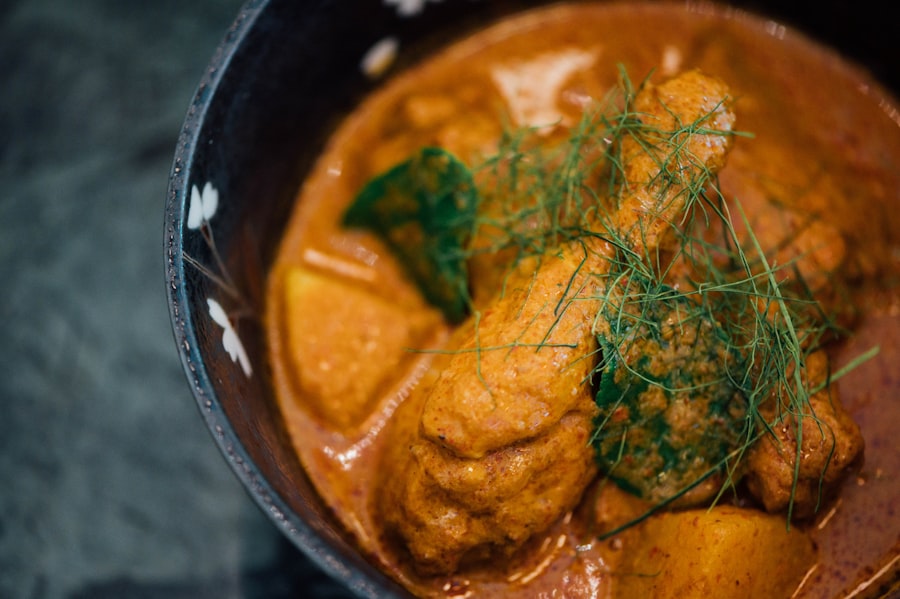
The Two Traditions: Bangladeshi vs West Bengali
It's worth understanding that "Bengali food" encompasses two slightly different culinary traditions — one from Bangladesh (the majority tradition in Dubai, given the large Bangladeshi community) and one from West Bengal, India.
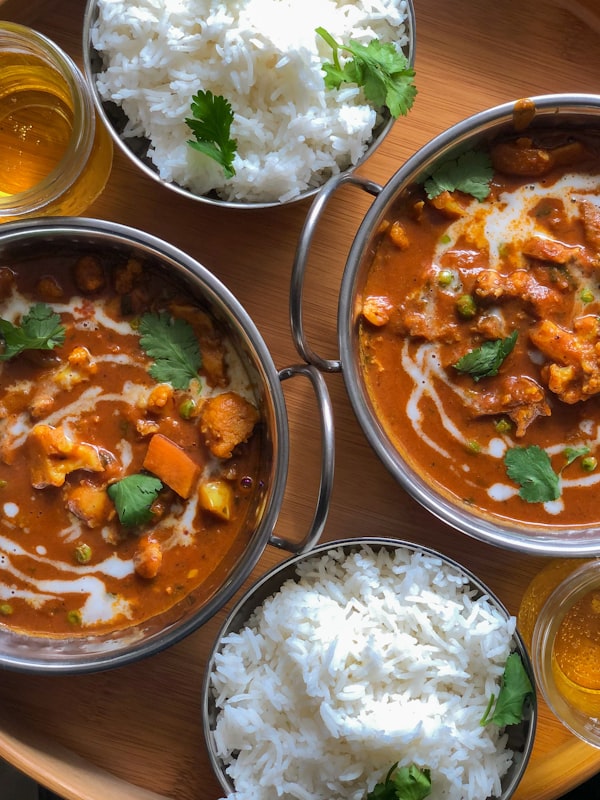
Bangladeshi Cuisine
Heavier use of meat (kacchi biryani is iconic), more emphasis on slow-cooked beef and mutton dishes, spicier profile overall, and a rice tradition that includes very specific long-grain varieties. Kacchi biryani — raw meat layered with par-cooked rice and slow-cooked together — is considered one of the finest biryanis in South Asia.
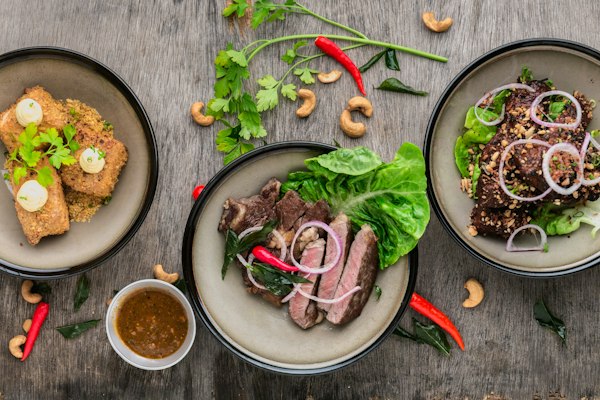
West Bengali Cuisine
More fish-forward, greater emphasis on vegetable preparations, the most sophisticated sweet tradition in South Asia (sandesh, mishti doi, rasgolla all originate here), and a subtle, layered spice approach that relies on panch phoron (a five-spice blend of cumin, fennel, fenugreek, nigella, and mustard) as its defining seasoning signature.
In practice, Dubai's Bengali restaurants tend to blend both traditions — serving kacchi biryani (Bangladeshi) alongside ilish macher jhol (West Bengali fish preparation) alongside mishti doi (West Bengali dessert). This is the menu of the Bengali diaspora: comprehensive, inclusive, and deeply satisfying.
Essential Bengali Dishes to Try in Dubai
Best Bengali Restaurants in Dubai
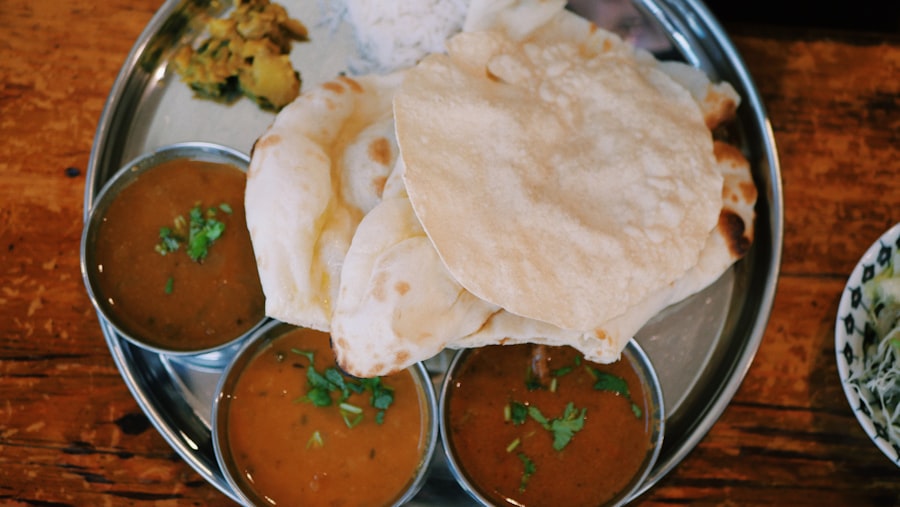
Dhaka Kitchen
The undisputed best Bangladeshi restaurant in Dubai, Dhaka Kitchen has been feeding the city's Bangladeshi community for over a decade with food that genuinely tastes like Dhaka's Old City. The kacchi biryani (AED 42) is the reason to make the journey — proper raw-meat slow-cooked biryani with a potato embedded in each portion, saffron-tinted rice, and an intensity of spice that the South Asian restaurant market in general Dubai has yet to match. The beef bhuna (AED 38) is exceptional: dry, caramelised, intensely fragrant.
Order a mishti doi (AED 18) for dessert — it arrives in a small clay pot, exactly as it should. The kitchen also does ilish (hilsa fish) when in season — ask on arrival.
Kacchi biryani (AED 42) · Beef bhuna (AED 38) · Mishti doi (AED 18). Ask about hilsa when available.
Bengal Lounge
A slightly more polished setting than most Bengali restaurants in Dubai, Bengal Lounge in Deira draws a mixed crowd of Bangladeshi and South Asian diners alongside adventurous non-Bengali food lovers who've discovered the quality here. The menu is more comprehensive than most competitors — they make a proper sorse chingri (prawns in mustard paste, AED 55) and stock hilsa when available, flown in from Bangladesh during peak season (July–September). The paratha service with various curries at lunch is outstanding value (AED 28–35).
Sorse chingri mustard prawns (AED 55) · Paratha set lunch (AED 28) · Hilsa fish when in season.
Sweet Bengal
Dubai's finest Bengali sweet shop and snack cafe — and arguably one of the finest sweet shops of any South Asian tradition in the city. Sweet Bengal makes mishti doi in clay pots daily (AED 15 small, AED 25 large), hand-forms sandesh using traditional moulds, and produces rasgolla with a textural precision that is genuinely impressive. For savoury snacks, the singara (Bengali samosa, filled with potato and peas, AED 6) and chotpoti (spiced chickpea chat, AED 18) are essential stops.
Mishti doi in clay pot (AED 15) · Sandesh assortment (AED 35 per box) · Singara (AED 6 each).
Bengali Food by Area in Dubai
| Area | What to Find | Best For |
|---|---|---|
| Bur Dubai | Highest concentration of Bangladeshi restaurants, community canteens, hilsa fish specialists | Kacchi biryani, beef bhuna, authentic home cooking |
| Deira | More polished Bengali restaurants, sweet shops, fish-forward menus | Hilsa fish, sorse chingri (mustard prawns), Bengali sweets |
| Al Karama | Bengali sweet shops, snack cafes, mixed South Asian restaurants with Bengali sections | Mishti doi, sandesh, Bengali street food snacks |
| International City | Bangladeshi community canteens, affordable daily thali-style meals | Cheapest authentic Bengali food, lunch sets from AED 18 |
Bengali Food for Every Occasion
Fish Lover's Feast
Hilsa fish curry + mustard prawn + rice. The quintessential Bengali fish meal. Go to Bengal Lounge in Deira.
Best Biryani Discovery
Kacchi biryani at Dhaka Kitchen. Unlike any other biryani in Dubai — more aromatic, more complex.
Sweet Tooth Paradise
Sweet Bengal in Al Karama for mishti doi, sandesh, and rasgolla. The finest South Asian sweets in the city.
Budget Bengali Lunch
International City canteens for AED 20–30 set meals. Dal, rice, fish curry, and papad — complete meal.
Pahela Boishakh
Bengali New Year (mid-April): special menus featuring panta bhat, hilsa, and festive sweets at all Bengali restaurants.
Iftar / Ramadan
Bangladeshi iftar spreads are legendary — biryani, beef bhuna, payesh (rice pudding) and jilapi (jalebis). Book ahead.
Bengali Food in Dubai — Complete Guide Cluster
Bengali Food in Dubai
Pillar guide — you are here
Best Bengali Restaurants
Our ranked top-8 list with reviews
Kacchi Biryani Dubai
Where to find the best Bangladeshi biryani
Hilsa Fish in Dubai
The king of Bengali fish — where to eat it
Bengali Sweets Dubai
Mishti doi, sandesh, rasgolla — where to buy

Bengali Food FAQs
Is Bengali food the same as Indian food?
No — Bengali cuisine is a distinct culinary tradition from South Asia that happens to be shared across two countries (Bangladesh and the Indian state of West Bengal). It differs substantially from North Indian cuisine in its emphasis on fish, mustard oil, and fish-forward preparations, and from South Indian cuisine in its spice logic and ingredient base.
What is hilsa fish and why is it special?
Hilsa (ilish) is a silver, oily, highly flavourful river fish native to the rivers of Bengal. It is the national fish of Bangladesh and holds near-sacred cultural status in Bengali cuisine. The fish is intensely flavoured, moderately bony, and particularly suited to mustard-based preparations. Imported from Bangladesh and available seasonally in Dubai's Bengali restaurants.
What is panch phoron?
Panch phoron is a Bengali five-spice blend consisting of equal parts cumin, fennel, fenugreek, nigella (kalonji), and mustard seeds. Used as a tempering at the beginning or end of cooking, it creates the characteristic floral-earthy-slightly bitter flavour that underlies most Bengali cooking.
Is Bengali food halal in Dubai?
Yes — all Bengali and Bangladeshi restaurants in Dubai are halal. Bangladesh is a majority-Muslim country and the restaurants here follow halal practices. West Bengali restaurants are also halal-certified in Dubai. No pork or alcohol is served.
When is the best time to find hilsa fish in Dubai?
Hilsa season in Bangladesh runs roughly July to September (the monsoon season, when the fish migrates upriver to spawn and is at its richest and most flavourful). Dubai's Bengali restaurants import hilsa during this period — expect to see it on specials menus from July onwards. Outside this window, frozen hilsa is sometimes available.