🐟 The King of Bengali Fish📍 Bur Dubai · Al Karama🕐 Updated 2025
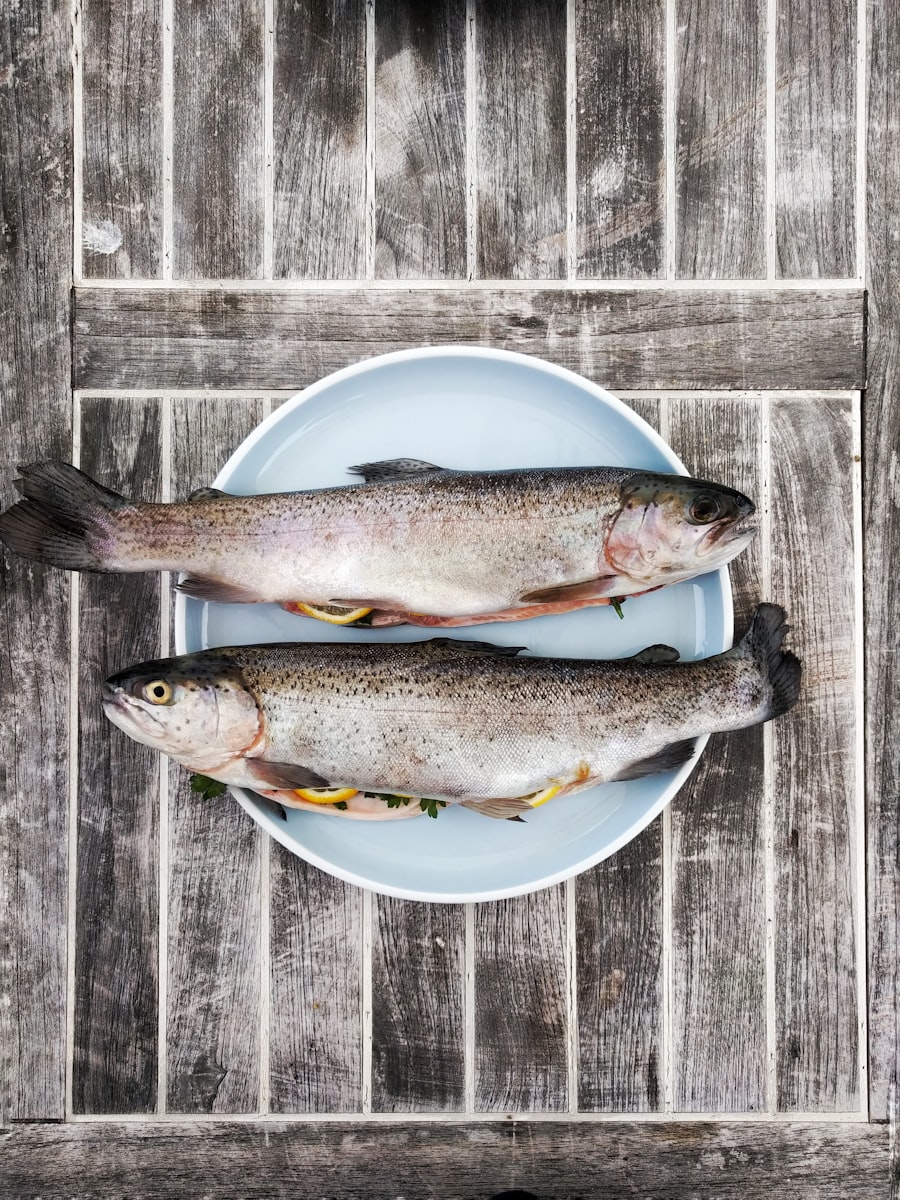
The Hilsa — called Ilish in Bangla and sometimes Hilsa Herring in English — is not just a fish. In Bangladesh and West Bengal, it is a cultural institution, a nostalgic reference point, a seasonal celebration, and arguably the most complex-tasting freshwater fish in the world. Dubai's Bengali community has brought their reverence for Ilish with them, and if you know where to look, you can find it prepared beautifully here.
What Makes Hilsa So Special?
Hilsa (Tenualosa ilisha) is an anadromous fish — it lives in the ocean but migrates to freshwater rivers to spawn. This journey concentrates extraordinary amounts of fat in its flesh, giving it a richness and flavour intensity that no other freshwater fish quite matches. The fat itself carries flavour compounds that respond beautifully to mustard oil, creating the iconic sharp-sweet combination that defines Bengali cooking.
The fish has between 40 and 70 tiny bones, which Bengalis consider a feature rather than a bug — eating Hilsa slowly, navigating the bones, is considered a meditative pleasure. "The challenge of the bones is part of the experience," is a phrase you'll hear from Bengali food lovers, who find boneless fish preparations of Hilsa almost offensive.
Bangladesh is by far the largest producer of Hilsa globally, accounting for over 65% of world catch — which is why Bangladeshi Ilish preparations are generally considered the most authentic and refined.
The Major Hilsa Preparations You'll Find in Dubai
Hilsa Dishes Available in Dubai
Shorshe Ilish (Mustard Hilsa)
The defining dish. Hilsa steamed or lightly cooked in a paste of black and yellow mustard seeds, mustard oil, green chilli and turmeric. Intensely flavoured, slightly pungent, extraordinary with plain rice.
AED 55–75
Ilish Bhaja (Fried Hilsa)
Hilsa slices marinated with turmeric and salt, then fried in mustard oil until the skin crisps and the fat renders. The simplest preparation and often the most revelatory — the fish's inherent flavour needs nothing else.
AED 45–60
Ilish Matha Leja Tok (Sour Head Curry)
Hilsa head cooked with raw green mango, mustard paste and green chilli. The sour-pungent-bitter combination is an acquired taste but one of the most complex Bengali dishes available in Dubai.
AED 48–65
Doi Ilish (Yoghurt Hilsa)
Hilsa cooked gently in whisked yoghurt with turmeric and green chilli. Milder than mustard preparations, the yoghurt coating creates an almost velvet texture around the fish.
AED 58–70
Ilish Paturi (Banana Leaf Steamed Hilsa)
Hilsa coated in mustard paste, wrapped in banana leaf, and steamed or roasted. The leaf imparts a faint vegetal aroma and keeps the fish impossibly moist. One of the most refined preparations.
AED 65–85
Macher Mathar Jhal (Fish Head Curry)
Spicy hilsa head curry with mustard oil, dried chilli, and turmeric. A beloved preparation that uses the most flavourful part of the fish — the head and collar.
AED 42–55
Shorshe Ilish with steamed rice — the combination is considered the defining comfort meal of Bengal. The mustard paste turns vivid yellow-green and the fish absorbs its fierce aromatic heat.
Where to Find the Best Hilsa in Dubai
City of Joy — Best for Ilish Variety
Al KaramaBest Hilsa SelectionMid-range
City of Joy has the broadest Hilsa menu in Dubai. On any given day you might find three or four Ilish preparations — Shorshe Ilish, Ilish Matha Leja Tok, Ilish Bhaja, and occasionally Paturi when they can source banana leaves. The quality is consistently excellent; the fish sourced fresh from wholesale suppliers in Deira who receive regular shipments from South Asia.
Ask the staff what came in that day — they'll steer you to the freshest preparation. If the Tok (sour head curry) is on, order it.
Location43A St, Al Karama
Hilsa priceAED 48–75
Hours7am – 12am
Babumoshai — Most Refined Hilsa
Bur DubaiFine DiningPaturi Specialist
Babumoshai is the only restaurant in Dubai we know of that regularly serves Ilish Paturi — the banana-leaf steamed preparation. They also do a superb Doi Ilish (yoghurt hilsa) that showcases the fish's fat content beautifully. The Shorshe Ilish here is more refined than City of Joy's version — the mustard paste finer, the heat more controlled.
Location16th St, Bur Dubai
Hilsa priceAED 65–88
ReservationsRecommended
Bangla Darbar — Best Value Hilsa
Al FahidiBudgetDaily Availability
For under AED 40, Bangla Darbar serves Hilsa Bhaja (fried hilsa) that honestly competes with restaurants charging double. The fish is fresh, the frying technique correct, and the portions generous. They also do a simple but satisfying Shorshe Ilish on most days. Consistency varies slightly day to day — arrive at lunch when it's freshest.
LocationAl Esbij St, Al Fahidi
Hilsa priceAED 28–38
Hours6am – 1am
Hilsa arrives in Dubai's wholesale fish markets fresh from Bangladesh and India — Dubai's Bengali restaurants source from specialist suppliers in Deira's wholesale district.
Hilsa Seasonality in Dubai
Hilsa has two peak seasons in Bangladesh — the first around July–September (monsoon season, when the fish are fattest from spawning migrations) and a second smaller run in January–February. In Dubai, the best Hilsa is generally available from September to November, when post-monsoon fish arrives. February also brings good availability.
Hilsa Availability in Dubai by Season
September – NovemberPeak quality — post-monsoon Bangladesh Hilsa. Maximum fat content.
January – FebruarySecond season. Good availability, slightly leaner.
March – JuneOff-season. Frozen Hilsa available but significantly inferior.
July – AugustBangladesh spawning season — imports restricted. Very limited fresh supply.
How to Eat Hilsa: A Practical Guide
If you're new to Hilsa, the bones are the first challenge. The fish has a characteristic lattice of fine Y-shaped bones running through the flesh — unlike the simpler bone structure of salmon or cod. Here's how experienced Hilsa eaters approach this:
Always eat Hilsa with your hands and plain rice — this is not optional, it's the correct technique. Fingers give you the sensitivity to feel bones that chopsticks or forks cannot. Take a small piece of fish, press it gently between thumb and forefinger, and feel for the central rib before eating. Work methodically from the surface of the flesh inward.
The roe (fish eggs) and the liver are considered delicacies — if your portion includes them, don't discard them. The liver in particular has a concentrated, almost foie-gras richness that Bengalis prize above the flesh itself.
Fredrik Filipsson
Founder & Lead Critic — Where To Eat Dubai
Fredrik lived on Palm Jumeirah for 8 years while working as a business executive. He has personally visited over 1,000 Dubai restaurants and has dined in restaurant cities across the globe — from Tokyo and New York to London, Paris, and São Paulo. His reviews are always independent, always paid for out of his own pocket, and always honest. How we rank →
🏙️ 8 Years on Palm Jumeirah🍽️ 1,000+ Dubai Restaurants✈️ Dined in 40+ Countries📰 Independent Since 2020
Hilsa Fish Dubai: FAQ
Is Hilsa available year-round in Dubai?
Fresh Hilsa is seasonal, with peak availability September–November. Frozen Hilsa is available year-round, but experienced Bengali cooks will tell you it's not the same — the fat deteriorates during freezing. The best restaurants only serve fresh.
Why does Hilsa taste different from other fish?
Hilsa's extraordinary flavour comes from its exceptionally high omega-3 fat content — up to 25% fat by weight when in peak season. This fat is what interacts so brilliantly with mustard oil to create the signature Bengali fish curry flavour.
How much does Hilsa cost in Dubai restaurants?
Expect to pay AED 28–38 at budget spots like Bangla Darbar, AED 48–75 at City of Joy, and AED 65–88 at Babumoshai. The price variation reflects both the quality of the fish and the complexity of the preparation.
Can I buy Hilsa to cook at home in Dubai?
Yes — several fishmongers in Deira's wholesale fish market stock Hilsa during season. Al Meena Fish Market and the Deira Fish Souk are your best bets. Expect to pay AED 60–100 per kg for fresh Hilsa depending on seasonality.
The Dubai Fork
Join 14,000+ Dubai food lovers getting our weekly restaurant picks, new openings, and exclusive guides.