
Persian cuisine is one of the great undiscovered treasures of the Dubai dining scene. Despite the UAE's enormous Iranian expat community — one of the largest in the world — truly outstanding Persian restaurants remain a secret known mostly to insiders. That is changing. Ariana Bundy's spectacular debut at Atlantis The Royal has finally given Persian food the high-profile platform it deserves, while veteran establishments like Shabestan (with its Michelin Bib Gourmand) and the beautifully conceived Anar continue to prove that this 3,000-year-old culinary tradition has no rival for depth, fragrance, and soul.
The Best Persian Restaurants in Dubai, Ranked
Ariana's Persian Kitchen
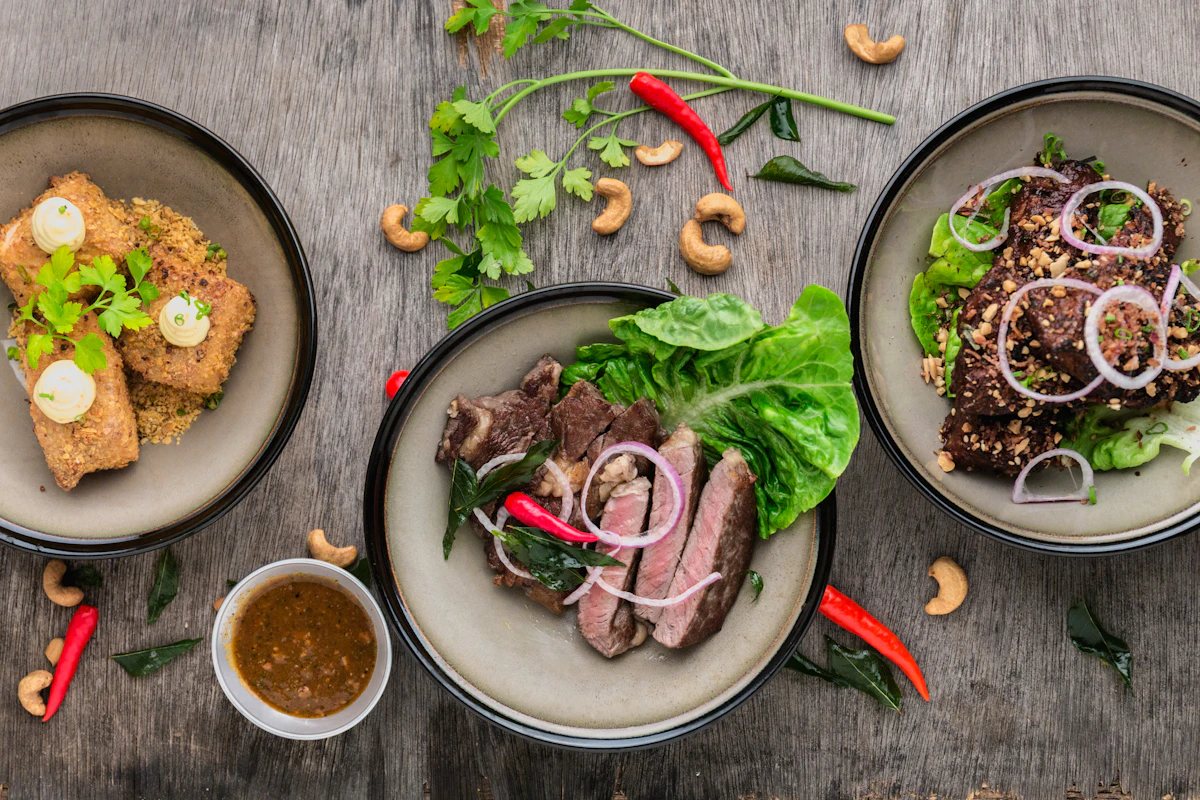
When Atlantis The Royal opened its doors — itself a landmark moment in Dubai's hospitality history — Ariana's Persian Kitchen was immediately among the most talked-about of its dozen celebrity chef concepts. Celebrity chef Ariana Bundy, born in Tehran and trained internationally, has created something rare: a restaurant that celebrates Persian culinary heritage with genuine conviction, contemporary technique, and the spectacular budget that only a resort like Atlantis can provide. The space is breathtaking — intricate tiled ceilings, pomegranate-red lacquerwork, and light that makes everything shimmer.
The menu reads like a love letter to Persia: ghormeh sabzi (herb and kidney bean stew with lamb, AED 145) made with dried limes from Iran; fesenjan (pomegranate and walnut stew with duck, AED 165) that is one of the finest renditions outside Tehran; and a baghali polo (rice with dill and broad beans, AED 95) that will haunt you for weeks. The Persian tea service — brewed in a samovar with dried saffron and crystallised sugar — is the perfect conclusion. Reserve weeks ahead.
Must-Order Dishes
Best Time to Visit
Dinner only, Tuesday–Sunday. Book 3–4 weeks ahead — one of the hardest reservations in Dubai. Call directly for cancellations.
The Tea Service
Don't skip the Persian tea service at the end — it's a ritual, a dessert, and a cultural experience all in one.
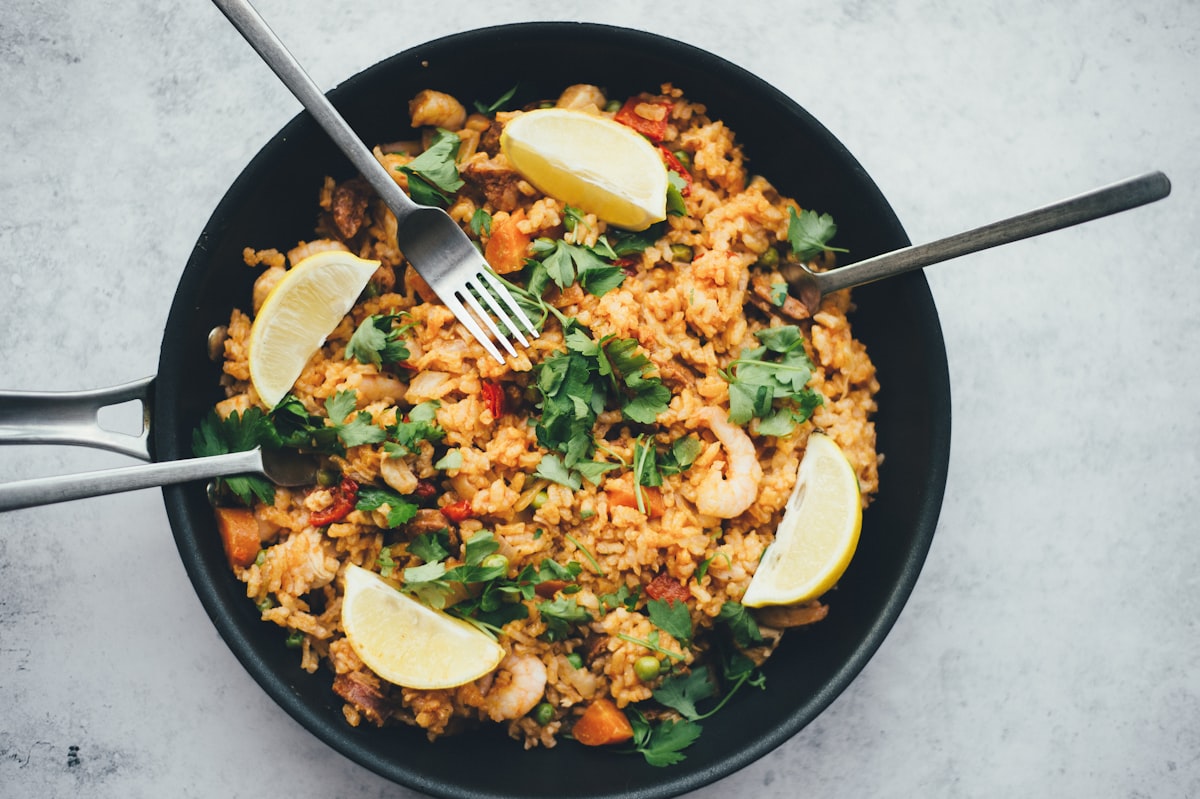
The gold standard of Persian rice — fragrant, jewel-coloured, made with generosity. Dubai dining scene.

Shabestan
Shabestan is the most important Persian restaurant in Dubai — not for its glamour (it has none) but for its integrity. Established in 1984, it predates the entire modern Dubai dining scene and has maintained its standards with an almost stubborn commitment to cooking the way Persian grandmothers cook: slowly, carefully, without shortcut. The Michelin Guide recognised this with a Bib Gourmand — exceptional value for exceptional cooking — and Dubai's Iranian community has been saying the same thing for four decades.
The signature bahalah polo ba mahicheh (lamb shank slow-cooked for 4–5 hours over saffron rice, AED 145) is a dish of profound satisfaction — the meat falls from the bone at a glance, the rice is perfectly golden at the bottom (tahdig, the most prized part), and the saffron fragrance fills the room when the lid lifts. The views of Deira Creek through the restaurant's windows are genuinely beautiful. This is a place for unhurried, generous eating.
Must-Order Dishes
Best Time to Visit
Lunch on weekdays for the most relaxed experience. Friday evenings are lively with Iranian families celebrating together.
Value Note
Exceptional value for the quality — one of the best price-to-quality ratios of any heritage restaurant in Dubai.
Anar
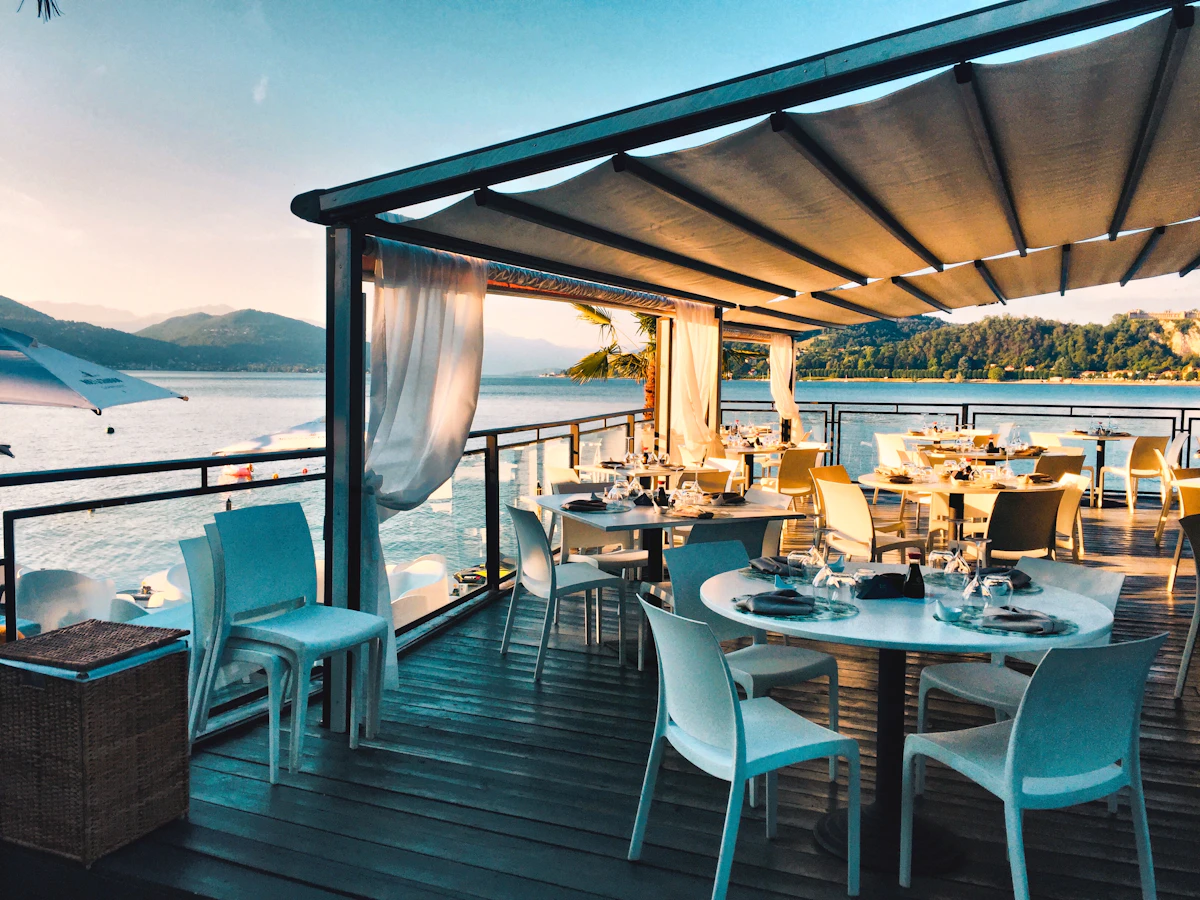
Anar — "pomegranate" in Farsi — sits within the Madinat Jumeirah complex with a sophistication that complements its spectacular surroundings. The restaurant has cultivated a devoted following among Dubai food lovers who appreciate Persian cuisine at its most polished: dishes that honour traditional recipes while being presented with contemporary elegance. The interior uses Persian architectural motifs — intricate tilework, arched doorways, lantern lighting — to create one of the most beautiful dining rooms in the Jumeirah strip.
The khoresh-e fesenjān (duck in pomegranate and walnut sauce, AED 165) is a revelation: sweet, sour, nutty, with a depth that deepens with each bite. The mixed kebab platter (AED 185 for two) — koobideh, joojeh, and barg — comes with fluffy saffron rice and grilled tomatoes and is the ideal introduction for Persian food newcomers. The rose water crème brûlée (AED 68) is a beautiful fusion dessert that regular visitors plan their meal around.
Must-Order Dishes
Best Time to Visit
Dinner Thursday–Saturday for a vibrant atmosphere. The terrace overlooking the Madinat waterway is one of the most romantic spots in Dubai.
First-Timer's Tip
The staff are warm and knowledgeable about Persian food history — don't hesitate to ask for guidance through the menu.
Iranish
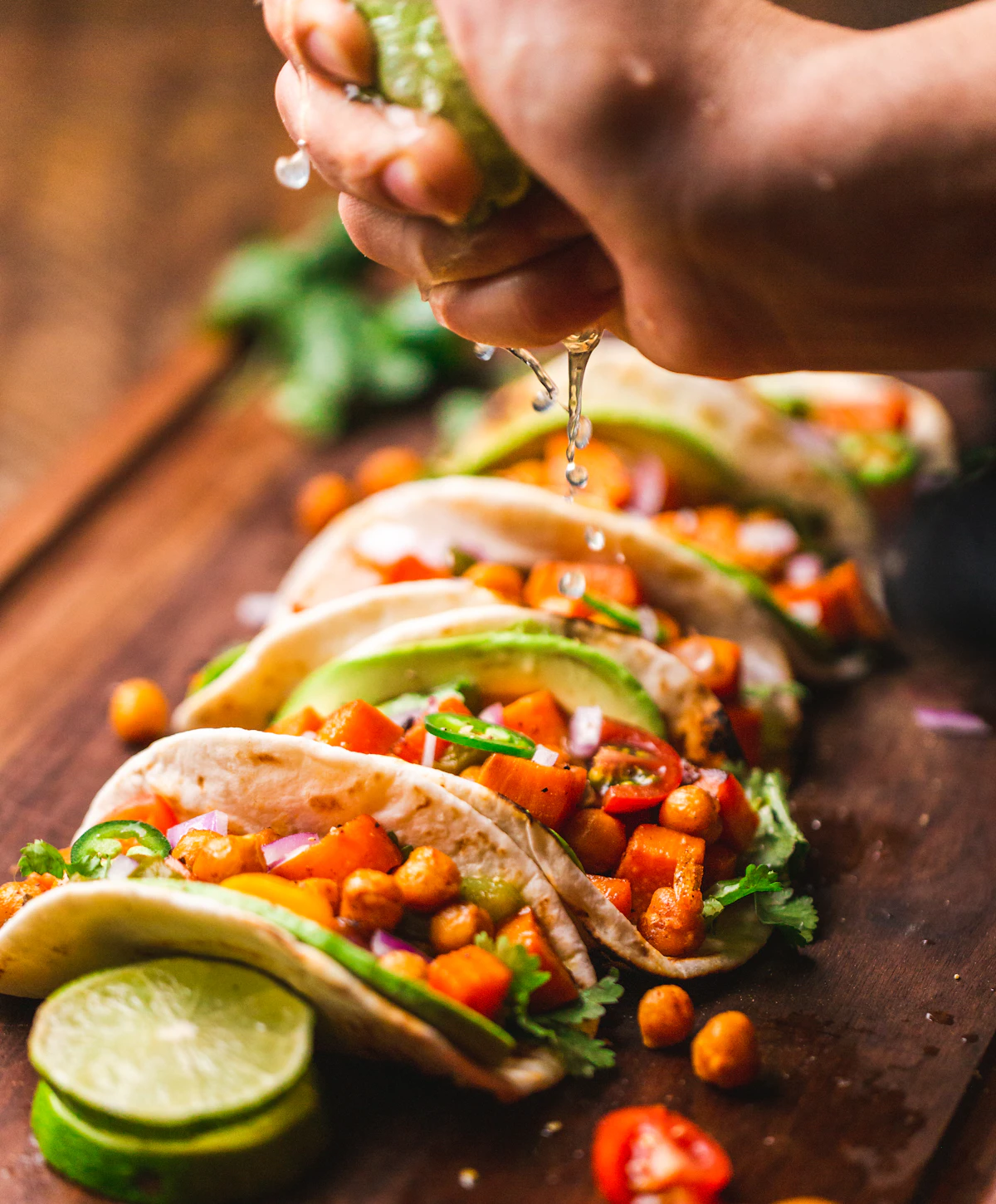
Chef-owner Amin Ebra opened Iranish with a mission that sets it apart from every other Persian restaurant in Dubai: to rescue forgotten family recipes from obscurity and give them new life with thoughtful technique and beautiful presentation. The result is a small, intimate restaurant on Al Wasl Road that feels like being invited into a Persian family home — hand-painted tiles, Iranian ornaments, and cooking smells that hit you before you've opened the door.
The menu changes seasonally as Amin travels to find regional recipes from across Iran's diverse culinary geography — dishes from Gilan province, from Isfahan, from Tabriz that rarely appear on restaurant menus. The khoresh-e anar o gerdoo (pomegranate and walnut stew, AED 95) comes from a 200-year-old recipe. The lavash bread, baked in-house, is worth a standalone visit. A deeply personal restaurant doing something genuinely important for Persian cuisine in Dubai.
Must-Order Dishes
Book Ahead
Only 30 covers — this tiny restaurant fills up fast. Book 3–5 days ahead for weekend evenings.
Ask About the Menu
Chef Amin often comes to the table. Ask about the provenance of the dishes — the stories are as good as the food.
Enigma
Enigma at Palazzo Versace is the most opulent Persian dining experience in Dubai — a restaurant where the setting itself is a statement. Versace's signature maximalism (marble, gold, intricate patterns) actually pairs remarkably well with the jewel-like richness of Persian cooking: both traditions value beauty, craft, and generosity. The menu interprets classical Persian dishes through the lens of modern fine dining without sacrificing the soul of the cuisine.
The slow-roasted rack of lamb with pomegranate glaze (AED 285) is a masterpiece of timing and restraint. The barberry and saffron risotto (a Persian-Italian hybrid that shouldn't work but absolutely does, AED 125) is a creative triumph. The Persian breakfast, served on weekends, with fresh sangak bread, feta, walnuts, honey, and strong black tea is a profound cultural experience at a very un-Persian price.
Must-Order Dishes
Best Time to Visit
Dinner on Thursday or Friday for the full resort atmosphere. The creek terrace is exceptional in winter.
For Celebrations
The private dining rooms (up to 20 guests) are among the most spectacular in Dubai for a special occasion.
A Brief Guide to Persian Food for Dubai Diners
Persian cuisine rests on three foundations: rice, slow-cooked meats, and herbs. The rice culture is unparalleled — Persian cooks spend years mastering the art of the tahdig (the golden, crispy layer at the bottom of the pot) and the chelow (perfectly steamed long-grain basmati). Meats are typically braised or grilled slowly with aromatics, dried fruits, and the characteristic Persian sourness from sumac, dried limes (limu omani), and tamarind. Herb is not a garnish in Persian cooking but a primary flavour: sabzi (fresh herb) plates come by the pound, not the sprig.
🌴 Palm Jumeirah
Ariana's Persian Kitchen at Atlantis The Royal — the headline Persian dining experience in the city.
Best for: fine dining, special occasions
🌊 Madinat Jumeirah
Anar with its beautiful waterway terrace — the most romantic Persian dining setting in Dubai.
Best for: date nights, romantic dinners
🚤 Deira Creek
Shabestan with its 40-year heritage and Michelin recognition — pure, uncompromising Persian cooking.
Best for: authentic heritage dining
🌿 Al Wasl Road
Iranish — 30-cover restaurant cooking forgotten regional recipes. The most culturally important Persian table in the city.
Best for: adventurous food lovers
Frequently Asked Questions
What is the best Persian restaurant in Dubai?
Ariana's Persian Kitchen at Atlantis The Royal is Dubai's most celebrated Persian restaurant — celebrity chef Ariana Bundy brings contemporary flair to traditional Persian recipes in a spectacular setting. For a more authentic and heritage-focused experience, Shabestan at Dubai Festival City holds a Michelin Bib Gourmand and is beloved by Dubai's Iranian community.
What is traditional Persian food like?
Persian cuisine is among the world's most sophisticated — centuries-old recipes featuring the counterpoint of sour and sweet (pomegranate, dried fruit, citrus), slow-cooked meats (lamb shanks braised for hours), fragrant rice dishes, herb-heavy stews called khoresh, and extraordinary flatbreads. In Dubai, the best restaurants serve everything from fesenjan (walnut and pomegranate stew) to zereshk polo (rice with barberries and saffron chicken).
How much does Persian food cost in Dubai?
Persian dining in Dubai covers all budgets. Casual: AED 60–120 at neighbourhood spots. Mid-range: AED 150–280 at Anar, Iranish, and Shabestan. Fine dining: AED 350–600 at Ariana's Persian Kitchen. Enigma at Palazzo Versace runs AED 400–700 per person.
Explore more: Arabic & Lebanese restaurants, Turkish restaurants in Dubai, Mediterranean cuisine guide, and the Palm Jumeirah restaurant guide.


