Yemeni food may be Dubai's most underrated cuisine — ancient, deeply satisfying, and frequently extraordinary value. Finding the best of it requires knowing where to look: the real gems are mostly in Deira's older streets, a world away from the Marina glass towers. We've done the legwork. Here are eight Yemeni restaurants worth your time, ranked.
Bait Al Mandi
The most authentic Yemeni dining experience in Dubai, and one of the best-value meals in the entire city. Bait Al Mandi is everything a great mandi house should be: no-frills surroundings, shared tables, and food that makes everything else in a three-mile radius irrelevant. The lamb mandi (AED 40) is the benchmark — dripping fat and smoke into fragrant long-grain rice below, the meat falling at the slightest touch, the bones burnished gold. Chicken mandi (AED 20) is extraordinary for the price.
The maraq broth arrives within minutes of sitting down, clear and deeply savoury, a proper stomach preparation for what follows. The sahawiq salsa is mixed fresh, the lahoh bread soft and spongy. On Thursday evenings the restaurant fills with Yemeni families and regulars who've been coming for years. Sit among them and eat the way they do: communally, without ceremony, and with great appreciation.
Al Marhabani Mandi
The address for anyone who wants the full Yemeni experience in a setting comfortable enough for a first date or a business dinner. Al Marhabani's menu spans the breadth of Yemeni cooking — mandi, haneeth, kabsa, madhbi, madfoon — and the kitchen handles all of it competently. The haneeth is particularly impressive: ordered ahead, it arrives as a whole roasted leg of lamb that dominates the table with its caramelised exterior and extraordinary fragrance.
Service is more attentive than you'd expect at this price point, and the restaurant is popular with both Yemeni families celebrating occasions and curious non-Yemeni diners taking their first steps into the cuisine. It bridges both worlds without compromising either.
Tibba Restaurant (Mandi & Madhbi)
Tibba is the place in Dubai for haneeth. This is a focused, no-nonsense Deira kitchen that does three or four things — haneeth, madhbi, mandi, and occasionally madfoon — and does all of them better than most restaurants twice its size. The haneeth requires advance ordering (call ahead, at least a few hours) but the result is worth the planning: an entire slow-roasted lamb shoulder or leg with a crust that shatters on contact and meat so tender it barely needs chewing.
The madhbi (stone-grilled chicken) is an excellent second order — the flat-stone cooking method produces a char pattern and smokiness unlike anything achievable on a standard grill. The restaurant is always busy on Thursday and Friday evenings. If you can arrive by 7pm, you'll get the best of the kitchen's output while it's still running at full heat.
Quick guide to Yemeni cooking methods: Mandi = pit-smoked over charcoal (meat drips into rice below). Madhbi = grilled on superheated flat stones. Haneeth = long slow-roasted whole lamb. Madfoon = sealed and slow-cooked in a buried clay pot. Each method produces a distinct texture and smoke profile.
Shahbandar Mandi (Bait Al Zain)
Shahbandar stands out in Dubai's Yemeni scene for one key reason: it does seafood as well as it does meat. The fish mandi — fresh snapper or hamour over saffron-tinted rice — is worth coming specifically for, a lighter alternative to the lamb-heavy offerings at most of its competitors. The mandi rice here is among the most fragrant in Dubai, coloured golden with turmeric and perfumed with cardamom and bay leaf.
The kabsa and madhbi are both excellent, and the restaurant has a slightly more settled feel than some of the rougher Deira institutions — still casual, but with proper table service. The fresh juice counter (sugarcane, mango, lemon mint) is a bonus that many regulars treat as mandatory.
Madfoon Al Sadda
Built for celebration. Madfoon Al Sadda is the Jumeirah restaurant you book when you're feeding twelve people and you want everyone to leave speechless. The madfoon — sealed slow-cooked lamb — is the signature and it's extraordinary: the clay sealing traps every bit of moisture and spice inside, and when the vessel is opened at the table, the aroma that escapes is one of the great sensory experiences in Dubai dining. This is proper event food.
Al Yemen Mandi
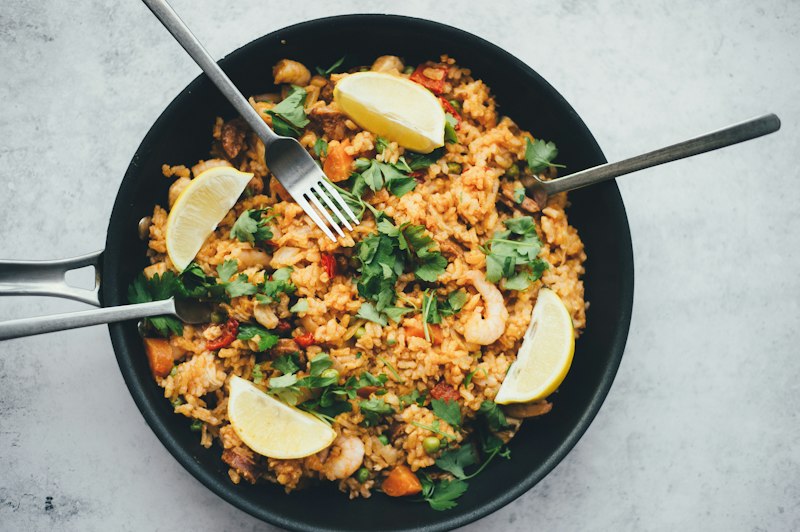
The two-branch Deira operation has been one of Dubai's most reliable budget Yemeni restaurants for years. Mulawah bread — the flaky, buttery layered flatbread — is outstanding here and unique among the Deira restaurants. The chicken mandi is priced aggressively and tastes considerably better than the price suggests. Come for lunch when the rice is freshest from the morning cook.
Also Worth Visiting
Raidan Mandi Restaurant (Deira, AED 30–70) — consistently recommended by Dubai's Yemeni community for its zurbian, a fragrant lamb-and-rice dish with dried fruits and nuts. Aroos Al Yemen (Al Qusais, AED 25–50) — a neighbourhood institution that excels in saltah and the full Yemeni breakfast spread including lahoh, asida, and fresh honey. Both are deeply authentic and very good value.
Related Guides