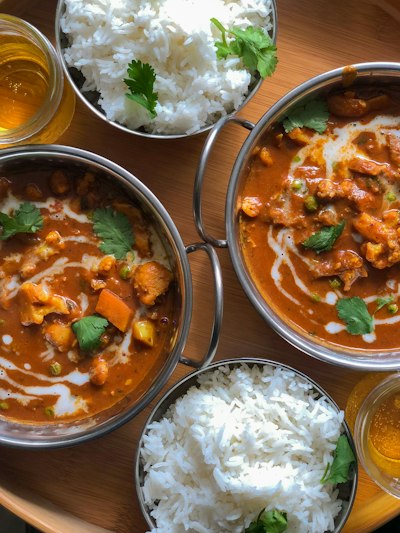
In the highlands of Nepal and among the Himalayan diaspora worldwide, there is a saying: "Dal bhat power, 24 hour." It is both a boast and a fact — the simple combination of lentil soup poured over steamed rice, accompanied by curries, pickles, and vegetables, is so nutritionally complete and deeply satisfying that Nepali mountain guides, farmers, and trekkers eat it twice a day, every single day of their lives.
In Dubai, dal bhat has quietly become one of the city's best-kept dining secrets. For as little as AED 35, you can sit down to a meal that's genuinely nourishing, genuinely authentic, and genuinely delicious — poured over your plate by a waiter who will refill every component, as many times as you want, until you literally cannot eat any more. That's the tradition: unlimited refills are part of the experience.
What Is Dal Bhat? Every Component Explained
Best Dal Bhat in Dubai — Our Top Picks
Thamel Restaurant — The Gold Standard
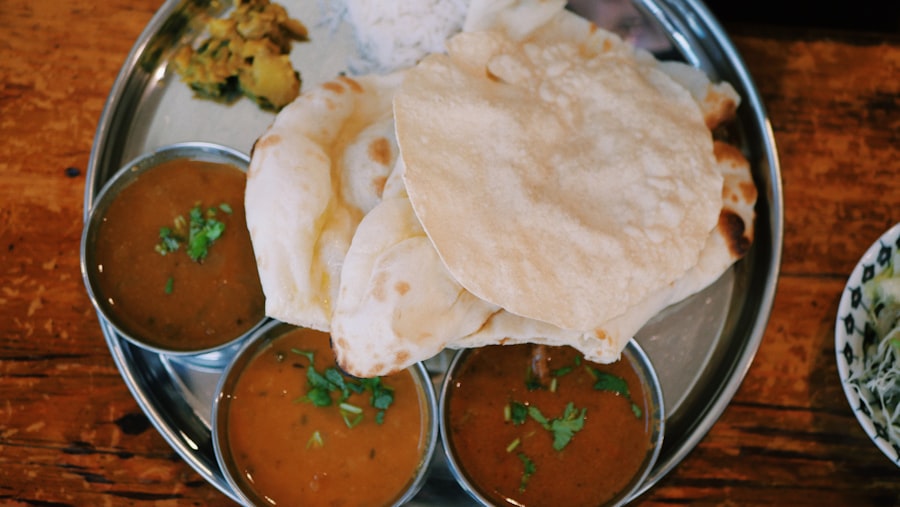
The thakali set at Thamel (AED 45) is the benchmark against which every other dal bhat in Dubai must be measured. It arrives on a stainless steel thali: rice in the centre, a generous ladle of musura dal (yellow lentil soup), two vegetable curries, gundruk pickle (fermented dried greens — a rarity in Dubai), fresh tomato achar, and a wedge of papad. A small bowl of ghee arrives separately. Refills on rice and dal are offered without asking.
The kitchen source their gundruk from a Nepali supplier — it's the real fermented article, not a substitute. This single ingredient is what elevates Thamel's thali above the competition. Come at 1 PM on a weekday to eat shoulder-to-shoulder with Dubai's Nepalese community.
Manakamana Restaurant — Dal Bhat Power, AED 35
Manakamana delivers the complete dal bhat experience at a price point that's hard to believe: the full thali set with rice, dal, two curries, papad, and achar is AED 35 — and refills are offered until you surrender. The dal is properly seasoned (garlic-forward, good turmeric, a clean tempering), the rice is cooked correctly, and the vegetable tarkari changes daily. We've eaten the set seven times across different visits; consistency is excellent.
For AED 10 more (AED 45), you can upgrade to the non-vegetarian dal bhat with a chicken or mutton curry alongside. The mutton version on Fridays, when the kitchen makes a slow-cooked khasi ko masu (goat curry), is particularly good.
Lali Gurans — Community Thali at Its Finest
Out in International City, Lali Gurans is where Dubai's Nepalese community comes to recreate the feeling of home. The thali here draws from the eastern hills tradition — the dal is slightly tangier (a touch of lemon is used in the tempering), the achar uses fresh coriander and green chili rather than the roasted-tomato version more common in Kathmandu. Small regional differences that matter enormously to connoisseurs.
Friday afternoons here are something to experience: tables of extended families, sel roti (sweet rice doughnuts) being made to order at AED 18, and a warmth in the room that can't be manufactured. The longest-running Nepalese family restaurant in Dubai, with a following to prove it.
Kasthamandap — The Vegetarian Thali Specialist
For vegetarians, Kasthamandap is the unequivocal choice. Their vegetarian thali (AED 38) is built around a rotating selection of vegetables: always a spinach saag finished with homemade ghee, always an aloo curry (potato, usually with peas or carom seeds), and a seasonal third vegetable. The gundruk soup served as a starter is an extraordinary fermented umami bomb that sets the tone perfectly.
Non-vegetarians may find the menu limiting, but for vegetarians navigating Dubai's predominantly meat-heavy South Asian restaurant scene, Kasthamandap is a genuine sanctuary. The kitchen also offers dhindo (buckwheat porridge) as an alternative to rice — a rare find in Dubai.
Dal Bhat Price Guide: Dubai 2025
How to Eat Dal Bhat Like a Local
If you're new to the thali experience, a few tips will help you eat it correctly — which matters both for enjoyment and for respect to the tradition.
Mix everything together. The correct approach is to pour the dal over your rice, add a spoonful of curry, a small amount of achar, and mix the whole thing together with your right hand (or a spoon if you prefer). Eating each component separately misses the point — the flavours are designed to blend.
Accept refills graciously. When the waiter comes to refill your dal or rice, it is a gesture of hospitality. Saying yes — even if you're already getting full — is the polite response. You can always eat a few more spoonfuls before gently declining further refills.
The achar goes a long way. Add small amounts at a time. The fermented or fresh achar is intensely flavoured — a little transforms the rice and dal, too much overwhelms it. Treat it like a condiment, not a sauce.
Ghee is not optional. If your restaurant provides ghee with the thali, drizzle it over the rice before pouring the dal. This is the traditional way and it genuinely makes the dish better — the nutty richness ties everything together.

Dal Bhat FAQs
What does dal bhat taste like?
Dal bhat is warming, earthy, and gently spiced. The dal (lentil soup) is savoury with hints of cumin, garlic, and turmeric. The rice is mild and fluffy. The combination with fresh achar and vegetables creates a complete, satisfying meal — comforting rather than exciting, but deeply nourishing and flavourful.
Is dal bhat vegetarian?
Yes — traditional dal bhat is always vegetarian (sometimes vegan). The base combination of rice, lentils, vegetables, and pickle is plant-based. Meat curries are typically served as additions to the thali, not as core components.
Does dal bhat come with unlimited refills?
In authentic Nepalese restaurants, yes. The tradition is to refill rice and dal (and often the vegetable curry) as many times as the guest wants. In Dubai, Thamel, Manakamana, and Lali Gurans all follow this tradition. Always ask if you want more.
What is the difference between dal bhat and thakali set?
A thakali set refers to a more elaborate dal bhat from the Thakali people of Nepal's Mustang district — known for their sophisticated cooking tradition. Thakali sets typically include more components (more curries, gundruk, more varieties of pickle) and are generally considered the premium version of dal bhat.