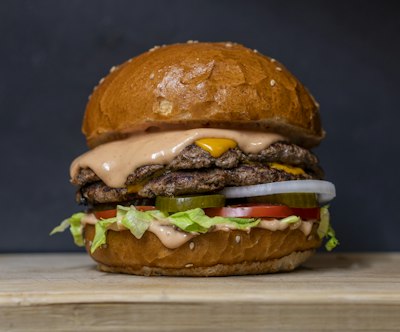
Is Dubai Halal? Yes—And Here's Why Every Restaurant Is
One of the most common questions from first-time visitors to Dubai is simple: "Is the food halal?" The answer is even simpler: yes. Virtually 100% of restaurants in Dubai serve exclusively halal food. It's not optional—it's the law.
Dubai is an Islamic emirate in an Islamic country (the United Arab Emirates). Islamic dietary law (Shariah) governs what can and cannot be served. In practical terms, this means no pork, no non-halal meats, and strict rules around animal slaughter, meat preparation, and food handling. Every restaurant—from a street shawarma stand to Michelin-starred fine dining—must comply.
This is genuinely reassuring for Muslim diners and something that often surprises non-Muslim visitors: in Dubai, you don't need to worry. The entire food system is built on halal principles. Even international chains like McDonald's, KFC, Nando's, and Shake Shack operating in Dubai are fully halal certified.

What Exactly Is Halal?
Halal (حلال) literally means "permitted" in Arabic. In Islamic dietary law, it refers to food and drink that is permissible according to Shariah (Islamic law). The opposite is Haram (حرام), which means "forbidden."
Forbidden Foods in Islamic Dietary Law
- Pork and pork products (the most well-known prohibition)
- Animals not slaughtered according to Islamic guidelines
- Carrion (dead animals)
- Blood and blood products
- Alcohol (in any form, even as a cooking ingredient)
- Predatory animals and birds (eagles, hawks, foxes)
- Animals with fangs (wild dogs, cats, lions)
How Meat Must Be Slaughtered (Zabiha)
For meat to be halal, it must be slaughtered according to specific Islamic guidelines called Zabiha. A trained Muslim (or Christian/Jewish clergy) recites "Bismillah" (in the name of God) and swiftly cuts the animal's throat to ensure rapid blood loss and minimal suffering. The animal must be healthy and conscious at the time of slaughter. Mechanical slaughter is permitted if these conditions are met.
In Dubai, all meat sold in markets and served in restaurants comes from halal-certified suppliers. It's not something you need to investigate—the system is standardized and regulated by the Dubai Municipality and the Department of Health & Safety.
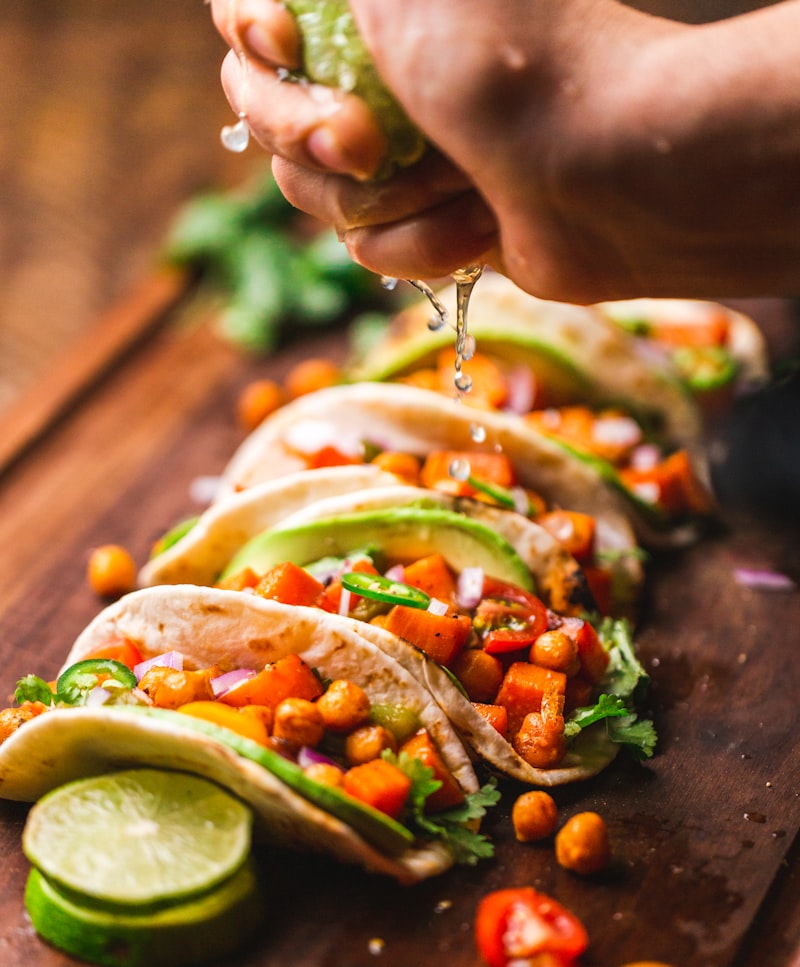
What About Alcohol? Can I Drink in Dubai?
This is the question that confuses most tourists: "If halal means no alcohol, how can I drink in Dubai?"
The answer is nuanced. Alcohol is forbidden in Islam—consumption is haram. However, UAE law permits alcohol sales and consumption for non-Muslims. There's a distinction between Islamic dietary law (which governs what you eat/drink) and civil law (which governs what's legal).
In practice: You can absolutely drink alcohol in Dubai. Most restaurants serve wine, beer, and spirits. Bars and nightclubs are ubiquitous. The difference is that the food itself must be halal, but alcohol (a beverage, not food) can still be served.
That said, there are some restrictions: no alcohol sales before 10am, no alcohol in specific areas (beaches, public spaces), and respect for Ramadan (reduced hours/availability). But for non-Muslims dining in restaurants, bars, and hotels, alcohol is openly available.
Key point: Halal refers to food and food-related products. Alcohol is a separate category. Dubai is a halal-food emirate that permits alcohol for non-Muslims. Both things are true simultaneously.
International Chains That Are Halal in Dubai
One surprising fact for many tourists: virtually every major international chain operates as fully halal in Dubai. This includes:
McDonald's
100% halal certified. All meat sourced from halal suppliers. No pork products.
KFC
All chicken halal certified. No non-halal ingredients used in Dubai locations.
Nando's
Fully halal certified. Chicken sourced from approved halal suppliers.
Shake Shack
All meat halal certified. Follows Dubai's halal standards strictly.
Subway
Chicken and turkey options are halal. No pork products served in Dubai.
Pizza Hut
Meats are halal certified. Operates to Dubai's dietary standards.
Starbucks
Food items are halal where applicable. Coffee/beverages have no restrictions.
Chick-fil-A
Where available, sourced from halal suppliers meeting UAE standards.
If you recognize the brand name, you can eat it with confidence in Dubai. International chains have adapted their supply chains and ingredients specifically for the UAE market to meet halal requirements. This is actually a point of pride for Dubai's food safety standards—the system is incredibly reliable and transparent.
Best Halal Options by Cuisine
Arabic & Middle Eastern (Natively Halal)
Arabic cuisine was developed within Islamic culture, so all traditional Arabic food is inherently halal. This includes shawarma, kebabs, biryani, hummus, falafel, tabbouleh, and every mezze dish you'll encounter. Restaurants like Al Mallah (street-level shawarma), Al Reef Bakery (traditional bread and pastries), and fine-dining venues like Bab Al Bahr serve exclusively halal cuisines. No research needed—if it's Arabic food, it's halal.
Indian & Pakistani
Most Indian and Pakistani restaurants in Dubai are run by Muslim communities and serve halal meat. Pukka, Ravi, and Al Reef serve halal-certified chicken and lamb curries. Vegetarian Indian (paneer, dal, vegetable curries) is universally available and halal. When in doubt at an Indian restaurant, ask if their meat is halal-certified—it virtually always will be.
Turkish & Persian
Turkish kebab houses and Persian restaurants (most in Deira) serve exclusively halal meat. Anzac, Turkish Kitchen, and Persian restaurants operate under Dubai's halal certification. These cuisines align naturally with Islamic dietary law.
Asian Cuisines
Chinese, Japanese, Thai, Vietnamese, and other Asian restaurants in Dubai serve halal-certified meat and seafood. The only exception is restaurants serving pork-based dishes (which some do, but it's clearly labeled). A good rule: ask "is this halal?" if you're uncertain. Restaurant staff will happily confirm.
Fast Food
Every major fast-food chain in Dubai is halal certified. McDonald's, KFC, Nando's, Shake Shack, Subway, Burger King—all meat is halal. This means you can confidently eat anywhere without concern.
Fine Dining
Michelin-starred and luxury restaurants (Nobu, Zuma, Al Mallah fine-dining, etc.) all serve halal meat sourced from approved suppliers. European restaurants may serve certain non-halal items (like imported seafood or specific preparations), but the meat is always halal-certified. Ask if you have concerns about specific ingredients.

How to Know a Restaurant Is Halal-Certified
Official Halal Certificate: Legitimate halal restaurants display an official Dubai Municipality or UAE Ministry of Health halal certification certificate. It's usually posted near the entrance or kitchen. If you don't see one, ask staff—they should be able to confirm their halal certification status.
Halal Logo: Many restaurants display the official halal logo (a crescent and star symbol) on their storefront, menus, or website.
Ask Directly: Simply ask the restaurant owner or staff, "Is this halal?" In Dubai, they'll confidently say yes (and they're right—they're legally required to be). If a restaurant wasn't halal, it wouldn't be operating.
Non-Halal Exceptions & What to Avoid
The honest truth: there are almost no non-halal restaurants in Dubai. It's not that they're hard to find—they essentially don't exist in the restaurant sector. Dubai's licensing system ensures comprehensive halal compliance.
The only exceptions are in private settings (expat homes sometimes have imported pork) or specialized import shops. In restaurants and food establishments accessible to the public, halal is universal.
Ramadan & Halal Dining
During the holy month of Ramadan, halal becomes even more central to Dubai's dining culture. Muslims fast from sunrise to sunset and break their fast at sunset with iftar meals. While Ramadan doesn't change what's halal, it changes when and how food is served. Many restaurants offer special Ramadan iftar buffets, and most extend hours into the early morning for suhoor (the pre-dawn meal).
Non-Muslims dining during Ramadan should be respectful: avoid eating or drinking publicly during fasting hours, and dress modestly. That said, restaurants in hotels and tourist areas operate normally for non-fasting diners.
FAQ: Halal Dining in Dubai

Do I need to worry about non-halal food in Dubai?
No. Virtually all restaurants in Dubai are halal certified by law. If you eat at any established restaurant, the meat is guaranteed to be halal. It's one of Dubai's safest food systems globally.
Can I drink alcohol with halal food in Dubai?
Yes. Halal refers to the food itself. Alcohol is a separate beverage category and is served openly in restaurants, bars, and hotels for non-Muslims. You can have wine with your halal meal without contradiction.
Are fast-food chains halal in Dubai?
Absolutely. Every major chain (McDonald's, KFC, Nando's, Shake Shack, Burger King) is 100% halal certified in Dubai. All meat is from halal suppliers. No pork products are used.
What if I'm vegetarian—do I need to worry about halal?
No. Vegetarian dishes (salads, rice, vegetables, dairy, eggs) are inherently halal. Halal restrictions primarily concern meat preparation. Vegetarian dining is straightforward in Dubai.
The Bottom Line for Tourists
If you're visiting Dubai and concerned about halal, stop worrying. The entire food system is built on halal principles. Every restaurant you walk into—from street shawarma stands to Michelin-starred fine dining—serves halal-certified food. It's not something you need to investigate, ask about, or stress over. It's simply the standard.
This is actually one of Dubai's greatest strengths as a dining destination. You're guaranteed food safety, religious compliance, and ethical sourcing. You can eat anywhere with complete confidence.
Related Articles