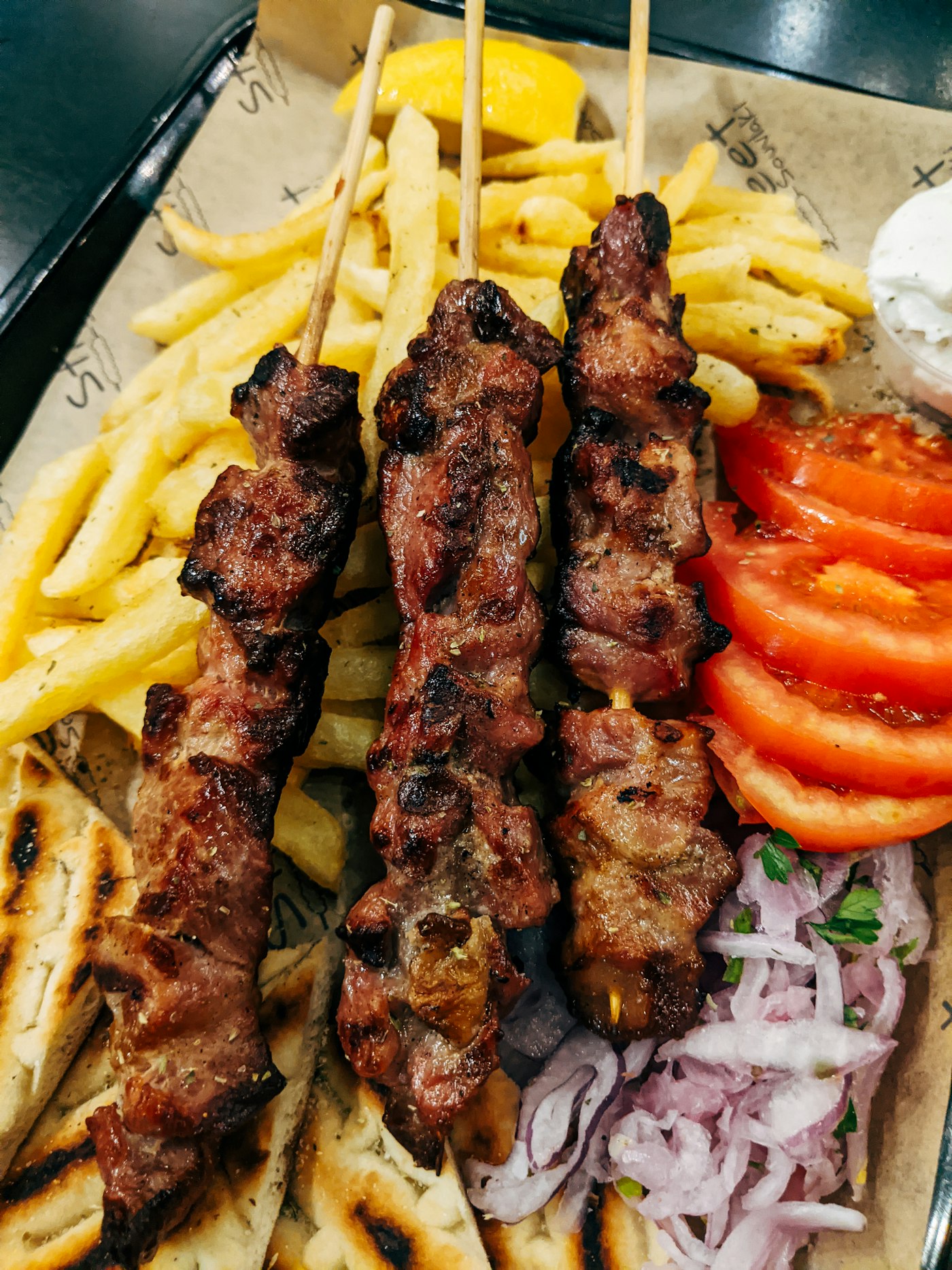
Satay is one of Southeast Asia's most universally beloved street foods — but Indonesian satay is a category of its own. The Indonesian version (spelled "sate" in Indonesian) is characterised by smaller, more tightly packed skewers of marinated meat grilled over live charcoal; a rich, complex peanut sauce thickened with coconut milk and sharpened with kecap manis; compressed rice cakes (lontong) that provide starchy ballast; and fresh-cut cucumber and shallots for contrast. It is humble, it is ancient, and when done properly, it is extraordinary.
In Dubai, the quality of satay varies enormously. The difference between satay grilled over gas versus satay grilled over proper charcoal is immediately obvious — the charcoal version has a distinctive smokiness and slight char at the edges that gas cooking cannot replicate. Finding the charcoal version in Dubai requires some navigation. Here's where to look.
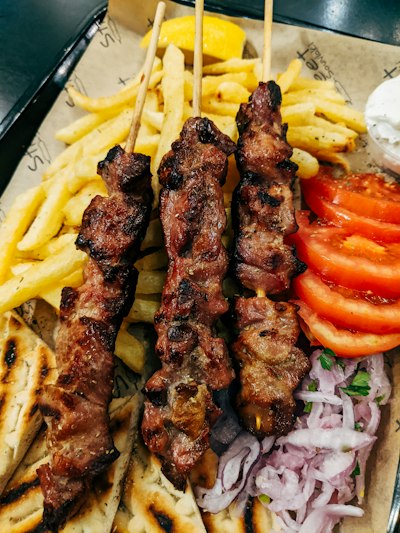
Sate Ayam
Chicken satay — Indonesia's most common variety; marinated in turmeric and coconut milk, served with peanut sauce
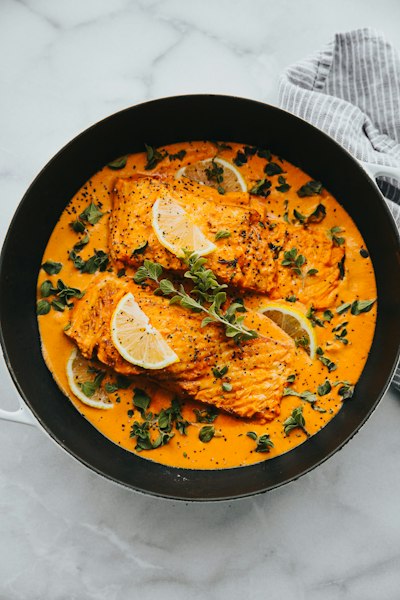
Sate Kambing
Lamb satay — more pungent, typically served with sweet soy and shallot dip rather than peanut sauce
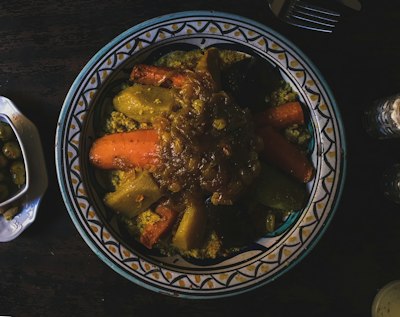
Sate Padang
West Sumatran beef satay served with a thick, spiced yellow curry sauce instead of peanut sauce — the bold version
🥜 The Indonesian Peanut Sauce: What to Look For
The peanut sauce (bumbu kacang) is the soul of Indonesian satay — and the single greatest differentiator between restaurants. A great bumbu kacang should be: thickened with freshly ground roasted peanuts (not peanut butter); enriched with coconut milk; sharpened with kecap manis; spiced with galangal, garlic, and shallots; and balanced with a little lime juice and sugar. It should be thick enough to coat a skewer, smooth but with texture, and complex in flavour — not just "peanutty".
What to avoid: thin, watery peanut sauce that tastes of peanut butter; sauce without any aromatics or spice; sauce served cold rather than warm. If the sauce is warm, slightly glossy, and thicker than you'd expect, you're in the right place.
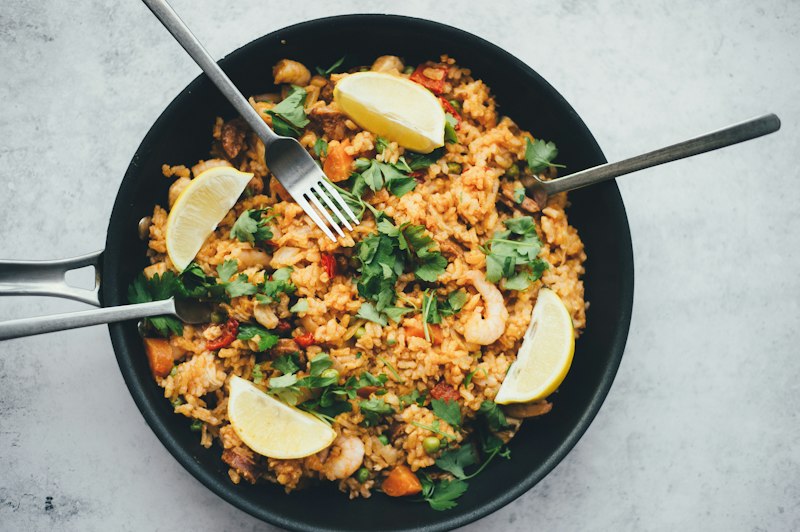
Best Indonesian Satay in Dubai — Ranked
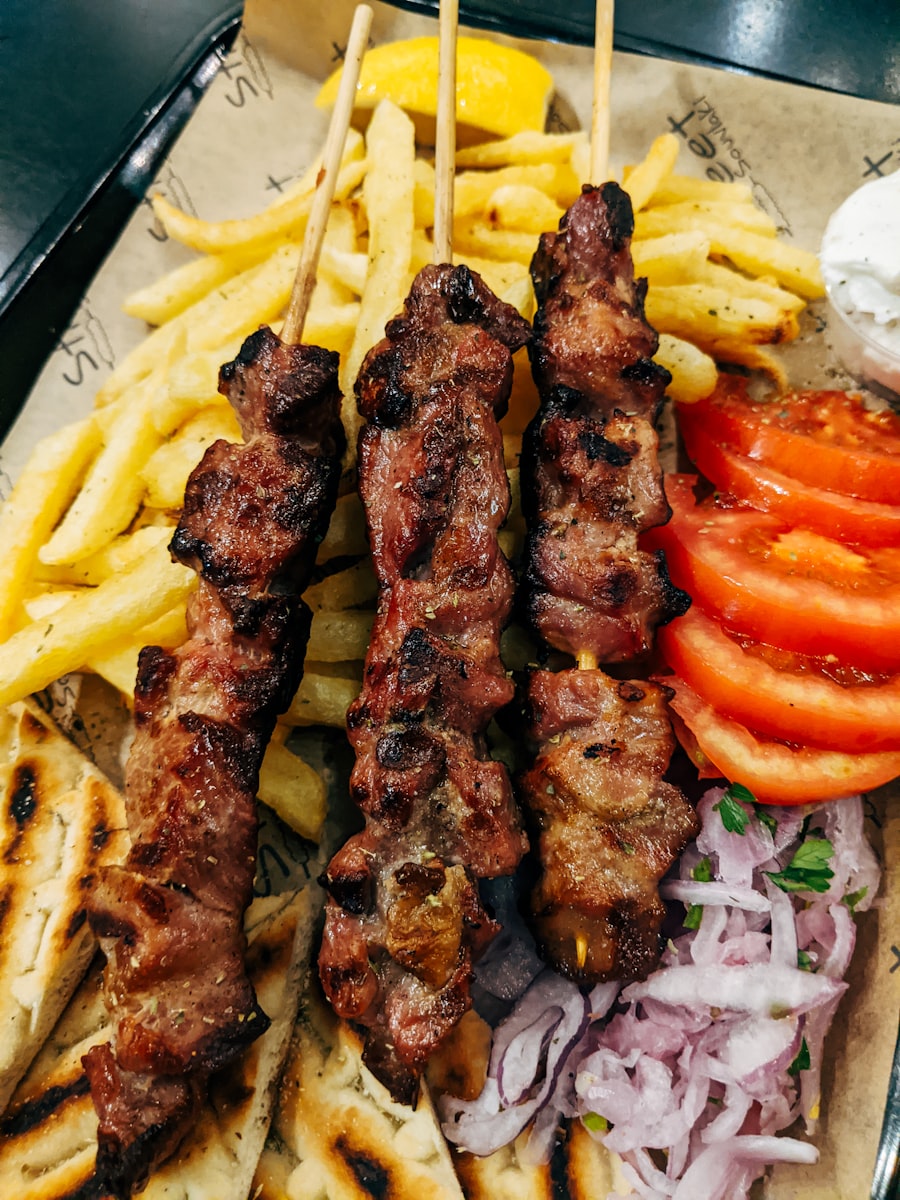
Sedap Indonesia — Deira
Sedap Indonesia has been charcoal-grilling satay for Dubai's Indonesian community since 2008. This is the gold standard for Indonesian satay in Dubai — the version that every other restaurant is benchmarked against. The setup is visible from the street: a small charcoal grill outside the restaurant, wisps of fragrant smoke drifting across the pavement, and a cook who fans the coals with practised efficiency.
The chicken satay (sate ayam, AED 42 for 10 skewers) is the main draw: tightly packed pieces of marinated chicken thigh, slightly charred at the tips, glossy with marinade, served with a house peanut sauce that takes 45 minutes to make and shows it. The lontong rice cakes are house-made, properly compressed. The cucumber is fresh-cut. The sambal is properly hot. This is the complete, authentic satay experience, and it exists in a small, slightly chaotic restaurant in Deira for AED 42. Go.
Must order: Sate ayam (AED 42, 10 skewers) + es teh manis (AED 10). Insider tip: Friday lunch is the best time — the Indonesian community fills the restaurant and the cook is at his most focused. Get there early.
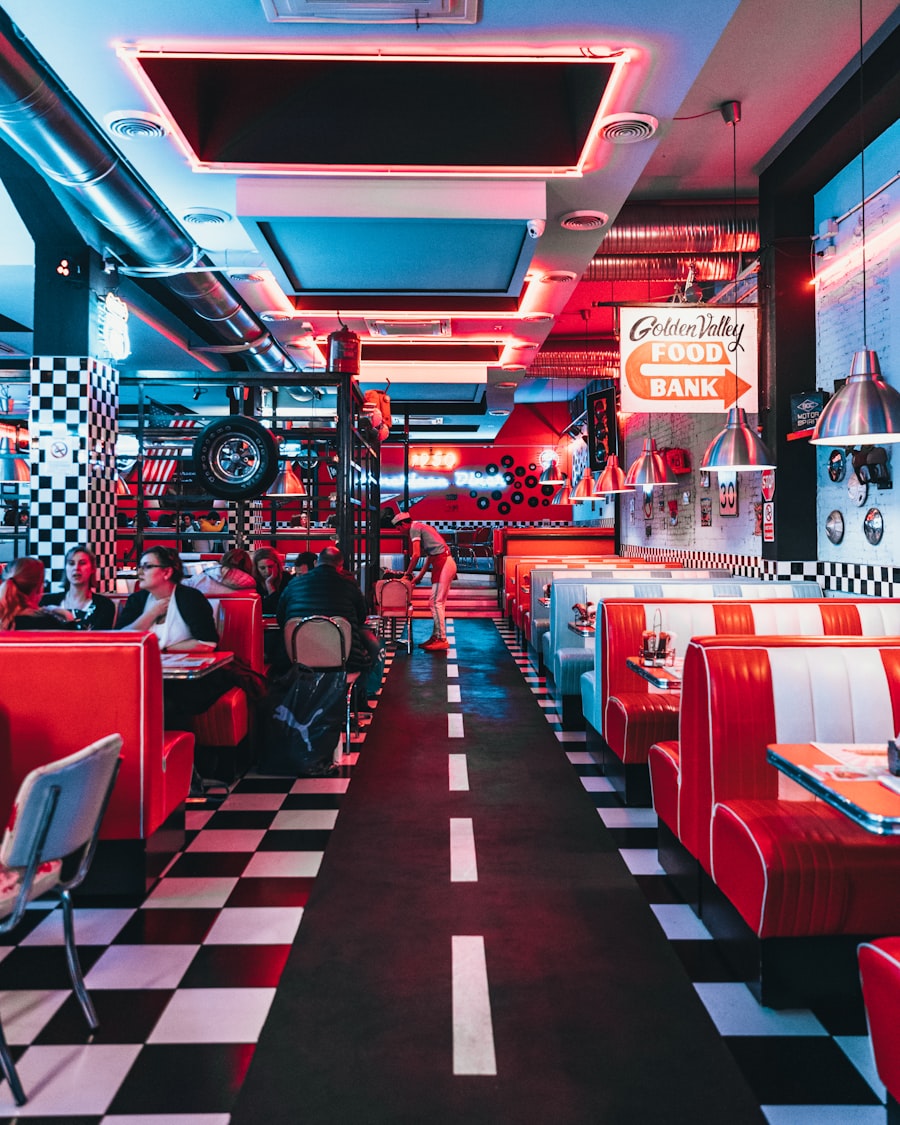
Bumbu Restaurant — Al Barsha 1
Bumbu offers the most extensive satay menu in Dubai — six varieties including the hard-to-find sate padang (West Sumatran beef satay with yellow spice sauce, AED 62) and sate lilit (Balinese minced fish satay on lemongrass skewers, AED 55). The technique is slightly different to Sedap's: Bumbu uses a combination of charcoal and gas depending on service demand, which means the charcoal character varies visit to visit. On good nights — when the charcoal grill is running at full capacity — the satay here is exceptional. The peanut sauce is arguably the finest in Dubai, more complex than Sedap's and enriched with additional coconut milk.
Must order: Sate padang (AED 62) — the yellow sauce is unlike any other version in Dubai. Also: Sate lilit (AED 55) for the Balinese experience.
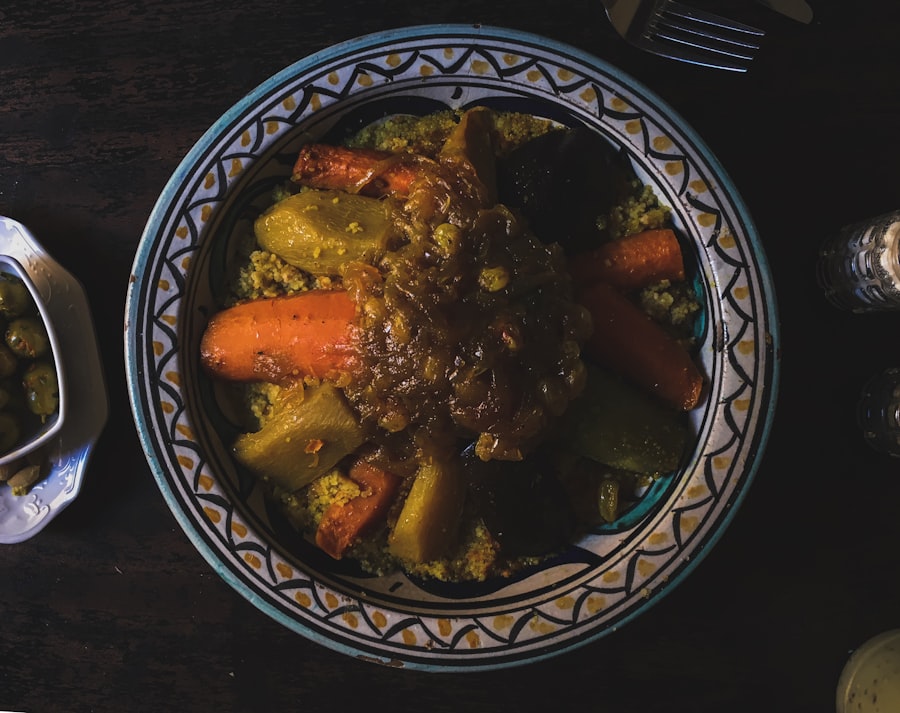
Rumah Makan Indo — Discovery Gardens
Rumah Makan Indo is Discovery Gardens' Indonesian anchor — a family restaurant with proper charcoal-grilled satay and a weekend service that draws Indonesian families from across the neighbourhood. The satay ayam here uses charcoal (crucial) and produces a version that's well-marinated, properly charred, and served with a house peanut sauce that, while slightly milder than Sedap's, is genuinely made rather than bought in. Weekend lunch here feels authentically Indonesian — families, children, conversation in Bahasa, and food that's just like home.
Must order: Sate ayam (AED 38), gado-gado (AED 32). Best time: Saturday or Sunday lunch for the community atmosphere.
The Rest of the Rankings
#4 — Warung Nusantara (Al Barsha 3), AED 35: The smallest restaurant on this list, but the satay is legitimately charcoal-grilled and the peanut sauce is house-made with care. Portions are smaller (6 skewers), but the flavour is honest and the price is the lowest on this list.
#5 — Sate House Dubai (JLT), AED 55: The most modern and Instagram-friendly presentation on this list. Five satay varieties including beef and lamb alongside chicken. The grilling is gas rather than charcoal, which shows — there's no smokiness. But the meat quality is excellent and the peanut sauce is good. A worthy option if you're in JLT.
#6 — Kembali Restaurant (Bur Dubai), AED 40: Kembali's satay is a secondary focus — the restaurant excels at rice dishes and soups. The satay is gas-grilled and correct if unremarkable. The peanut sauce is purchased rather than made in-house, which is perceptible. Order the nasi goreng here instead.
#7 — Kampung Kitchen (JVC), AED 48: Competent but uninspired. The satay tastes more Malaysian than Indonesian — slightly different spicing, slightly different peanut sauce. Nothing wrong with it, but it doesn't make the trip across the city worthwhile.
How to Order Satay in Dubai Like a Local
Specify your preferred protein
Always specify whether you want sate ayam (chicken), sate daging (beef), or sate kambing (lamb/mutton) — the chicken version is the most common and the baseline, but the lamb version has its devoted followers. At Bumbu, ask about sate padang availability before ordering.
The lontong question
Lontong (compressed rice cakes) are the traditional accompaniment to satay in Indonesia — more so than regular rice. They provide a neutral, starchy base that doesn't compete with the satay. Some Dubai restaurants substitute regular steamed rice; ask for lontong specifically if you want the traditional experience.
Order extra sambal
The standard sambal served with satay in Dubai is calibrated for mixed audiences. The house-made sambals at Sedap and Warung Nusantara are notably better than what appears by default — ask for extra, ask if there's a hotter version, and be prepared for a genuinely spicy condiment.

Frequently Asked Questions
What is Indonesian satay (sate)?
Indonesian sate (satay) is skewered, marinated meat grilled over charcoal and served with peanut sauce, lontong rice cakes, and sambal. The meat is typically chicken (ayam), beef (daging), or lamb/goat (kambing). Indonesian sate differs from Thai satay in its spicing, marinade, and peanut sauce composition — it's generally richer and more complex.
How much does satay cost in Dubai?
At Indonesian restaurants in Dubai, a standard portion of satay (8–12 skewers) costs AED 35–65. The most affordable authentic option is Warung Nusantara (AED 35 for 6 skewers) and Sedap Indonesia (AED 42 for 10 skewers). At upmarket restaurants, satay can reach AED 85–110.
What is the difference between Indonesian and Malaysian satay?
Indonesian sate typically uses smaller, more tightly packed pieces of meat and a richer, more complex peanut sauce thickened with coconut milk. Malaysian satay tends to be slightly sweeter in the marinade and the peanut sauce is often slightly thinner. Sate padang (West Sumatran) uses a thick spiced yellow sauce rather than peanut sauce — there's no Malaysian equivalent.
Is charcoal-grilled satay available in Dubai?
Yes — Sedap Indonesia (Deira), Bumbu Restaurant (Al Barsha 1), Rumah Makan Indo (Discovery Gardens), and Warung Nusantara (Al Barsha 3) all use charcoal grilling for their satay. Gas-grilled versions are more common and noticeably less smoky. The charcoal spots are worth the extra effort to find.
See also: our complete Indonesian food in Dubai guide, the top 10 Indonesian restaurants, and our guide to the best beef rendang in Dubai.