The smell hits you halfway up the staircase. Lime, cilantro, leche de tigre with a slow undercurrent of binchotan smoke. By the time you've cleared the rope at the top, the maître d' has registered your name and a server is moving toward the corner of the terrace where the four-top tables face the Burj Al Arab. The light at 7:14 PM in early May is the gold-pink of an over-saturated postcard. It is, in that exact moment, almost impossible to imagine a more beautiful Dubai dining room.
I ate at Kayto five times between November 2025 and April 2026 — twice for dinner with friends, twice on solo bar visits, once for the chef's tasting on a Thursday. The headline is straightforward: this is one of the most genuinely beautiful rooftop dining rooms in Dubai, the cocktail program is the strongest in the city for its category, and the menu — at its best — is genuinely world-class Nikkei. The headline also has an asterisk: the kitchen is occasionally inconsistent, the room shrinks dramatically once the heat sets in (May through September), and the price point is firm. Below, what I found, what to order, when to go, and where Kayto fits among Dubai's other Nikkei and rooftop options. Long-form, no fluff.
The Setting: One of the Most Beautiful Restaurant Rooms in Dubai
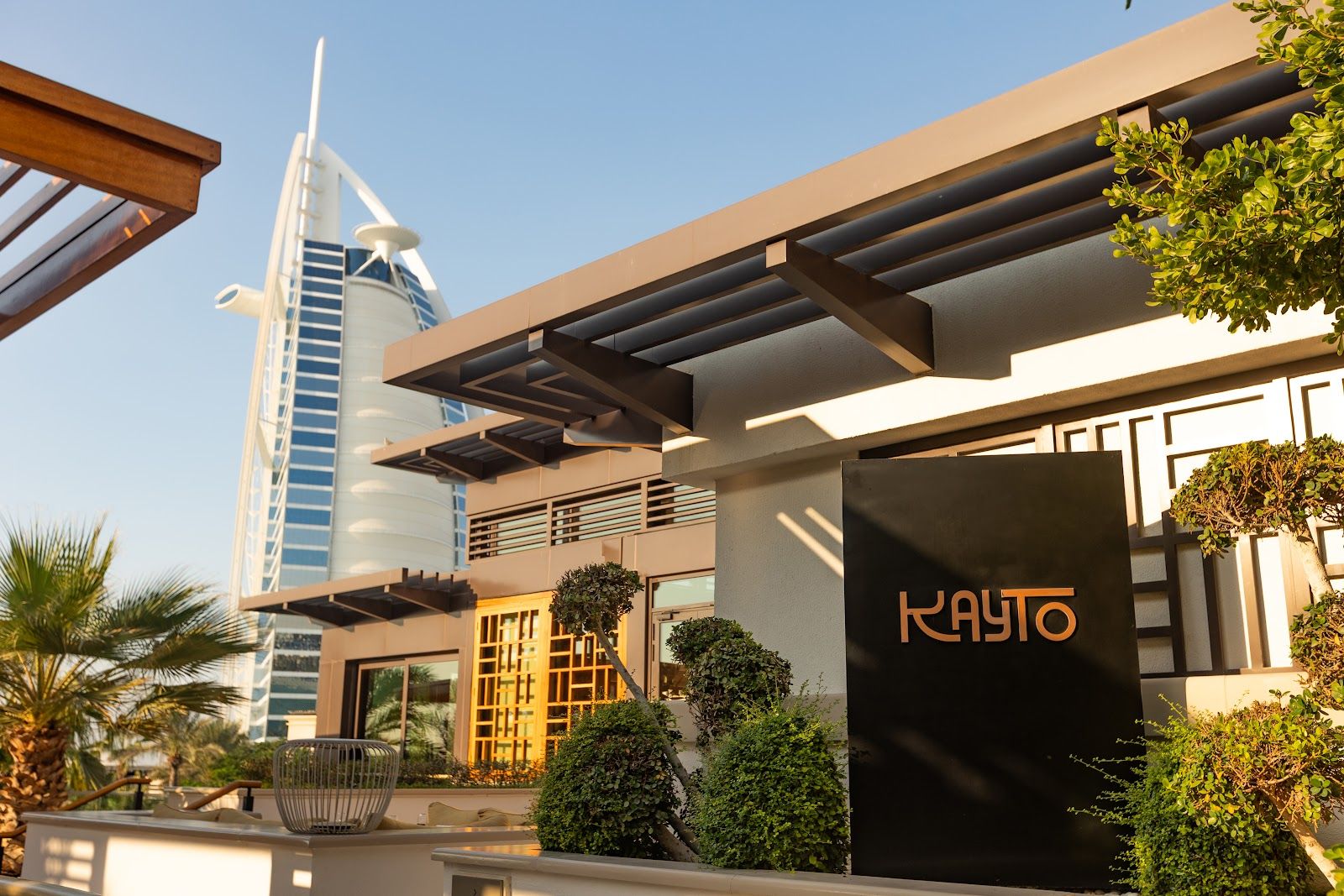
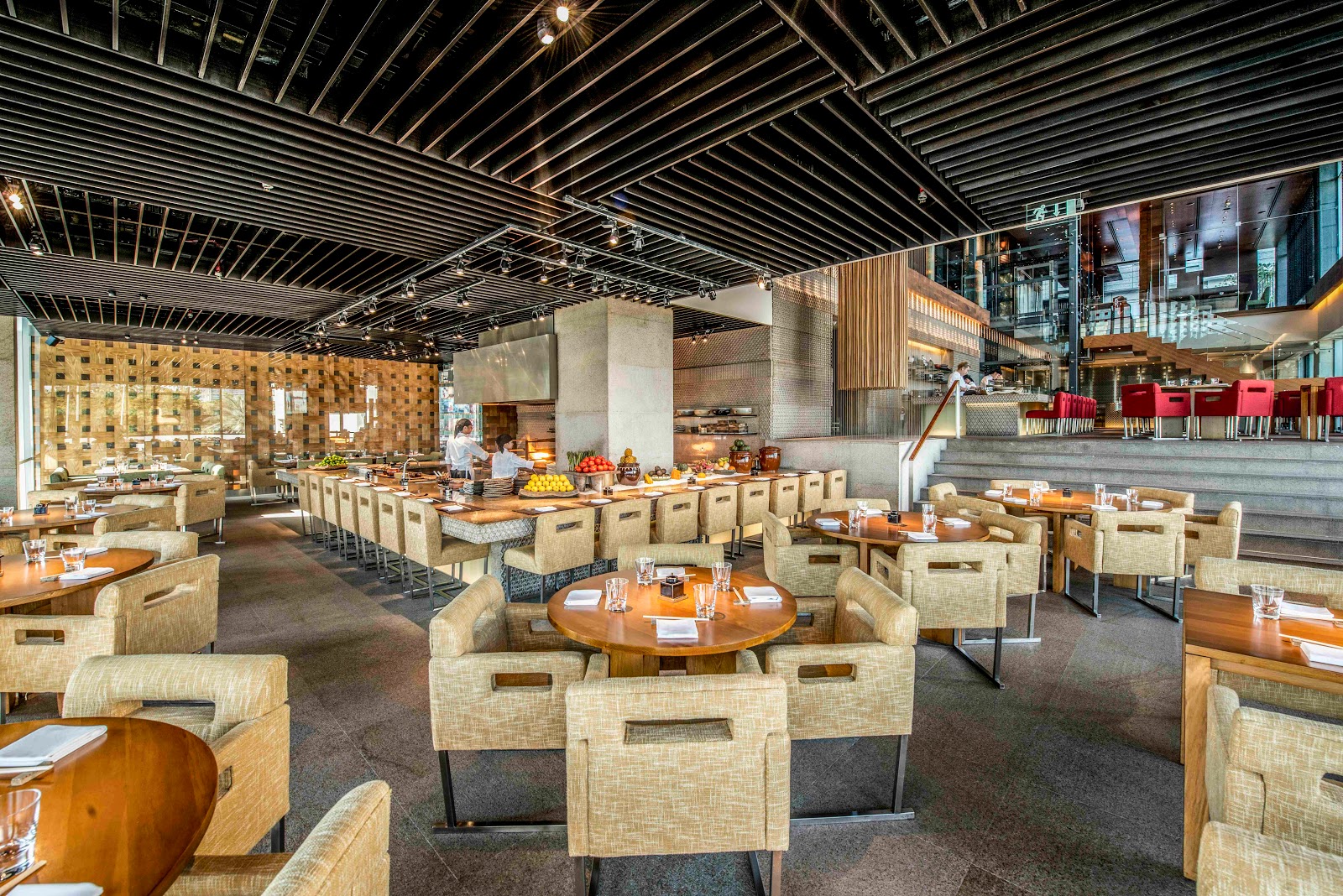
Kayto sits on the upper rooftop of Jumeirah Al Naseem, the newest of the three connected hotels that make up Madinat Jumeirah. Getting to the restaurant is itself a deliberate experience: you arrive at the Al Naseem lobby, take the brass-fronted lift up four floors, walk past a Burmese teak corridor, and emerge onto a vine-canopied terrace with a 270-degree view across the lagoon to the Burj Al Arab. There is a small indoor section — twelve booths and a long, polished walnut bar — but the entire identity of the room is the open-air rooftop.
The design is by London studio Conran & Partners, and they have done a beautiful, restrained job. Reclaimed teak floors, hand-thrown ceramic tabletops in a desert-oxidised glaze, low pendant lights with terracotta shades, and overhead grape vines that have grown in across the steel canopy in the four years since opening. There is no music for the first half of dinner — only a low background of conversation and the muted whir of the open robata grill — and only after 9:30 PM does the in-house DJ come on at conversational volume. By 11 PM, the terrace has the energy of a beautifully designed late-night bar. By midnight, only the bar and four booths remain occupied, and that — counterintuitively — is the version of Kayto I like best.
The seats matter, more than at most rooftop restaurants. I'll come back to this in detail, but the short version: book the western corner four-tops if you want sunset, the inner-garden two-tops if you want a quiet date, and the bar if you want the chef's-counter experience. Avoid the central island tables (between two service stations, slight noise echo) and the eastern-edge two-tops (close to the lift, more foot traffic).
The Food: The Tiradito Section is the Reason
Kayto's menu is structured into seven sections: ceviche & tiradito, anticucho, sushi & nigiri, robata, large plates, rice and noodle, and dessert. Nikkei cuisine — a Japanese-Peruvian fusion that emerged from Japanese immigration to Lima in the early 20th century — gives Kayto a fundamentally different identity from a standard Japanese rooftop. The kitchen is led by Head Chef Camilo Suaza, a Lima-trained Peruvian who came to Dubai via Coya in London. The Peruvian-side sections (ceviche, tiradito, anticucho) are where the kitchen is at its most confident. The Japanese-side sections are technically excellent but, occasionally, slightly less interesting than what you'll find at Zuma or 99 Sushi Bar two miles away.
The five must-orders, in the order I would recommend you eat them across a two-person dinner:
Salmon & Truffle Tiradito (AED 145)
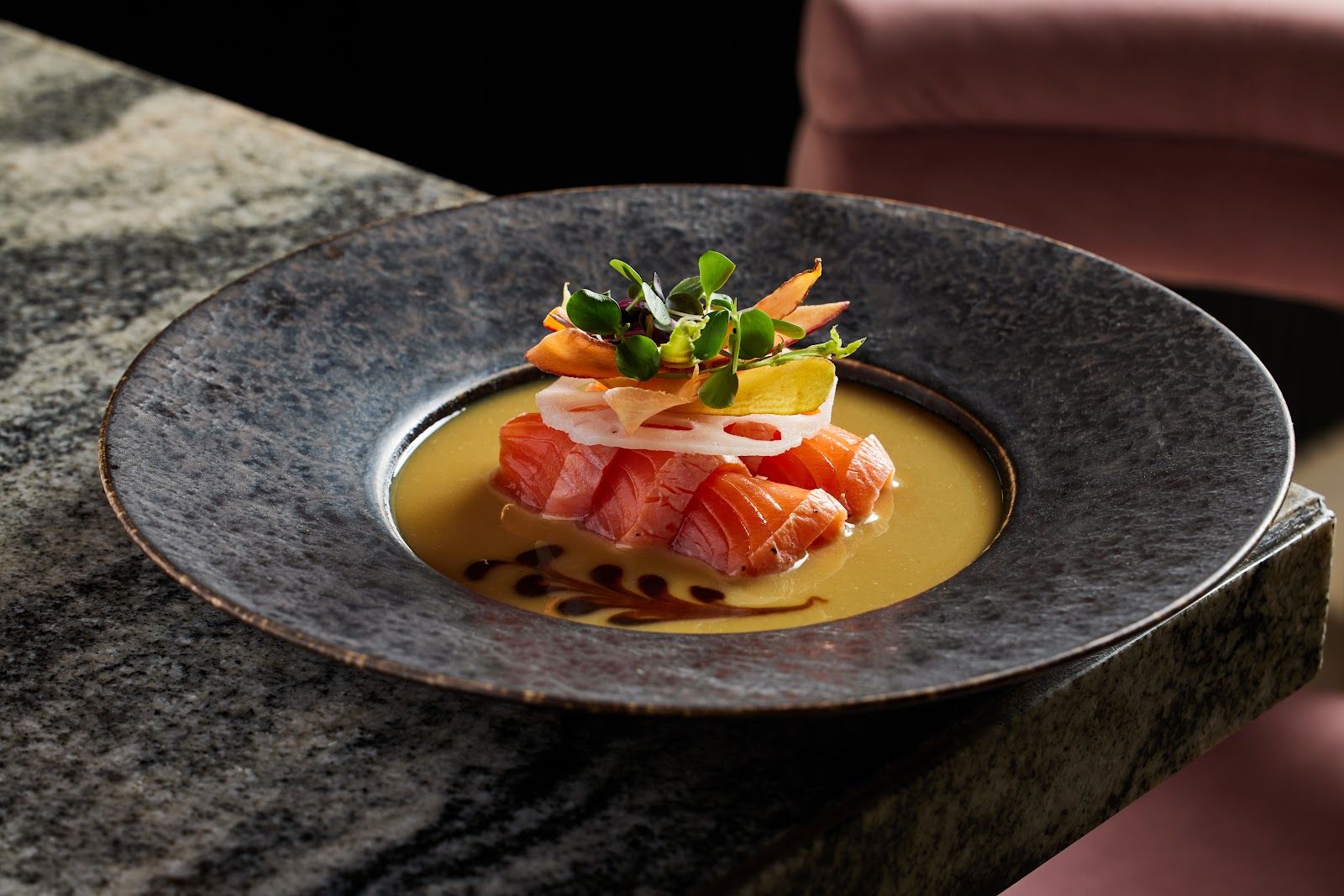
The signature opener and, on three of my five visits, the best dish on the table. Slices of cured salmon arranged in a slow spiral, draped in a yuzu-based leche de tigre, finished with shaved black Australian truffle and a single drop of aji amarillo oil. The interplay is the entire point: the citrus from the leche de tigre cuts the salmon, the truffle adds umami, the aji amarillo brings a slow heat that arrives ten seconds after the bite. It is the dish that justifies the booking. Order it before anything else.
Corn & Aji Limo Ceviche (AED 110)
The second compulsory starter. Sweet white Peruvian corn (the giant-kernel variety, not the supermarket kind), aji limo chili, lime, red onion, and a small dice of avocado. Vegetarian, which is unusual for a ceviche, and one of the best vegetable plates in Dubai. The corn is shipped in twice a week from a supplier in Cusco; it is sweeter, chewier, and more interesting than anything you'll find on a competing menu. AED 110 is a fair price and the portion is generous enough to share.
Anticucho de Corazón (AED 125)
Beef-heart skewers, marinated in aji panca and red wine vinegar, grilled over binchotan and served with rocoto sauce and a single roasted potato. This is the dish where Kayto's robata-section kitchen meets the Peruvian heritage of the menu, and it lands beautifully. The heart is rich, dense, and gamey but cut with vinegar; the rocoto sauce is mid-spice, smoky, the colour of brick. If you have not had anticucho before, this is the place. If you have, this is among the better versions outside Lima.
Black Cod, Miso–Aji Amarillo (AED 245)
The Nikkei version of the dish that Nobu turned into a global signature. Kayto's version diverges from the Japanese original in two important ways: the miso glaze is cut with aji amarillo paste, which adds a low fruity heat; and the cod is finished on the binchotan grill, not in the oven, giving the surface a mild char. It is more Peruvian than the Nobu original and, depending on your taste, either a deserving evolution or a slight overcorrection. I prefer the Kayto version. AED 245 is steep but the portion is genuine.
Wagyu Trio Skewers (AED 195)
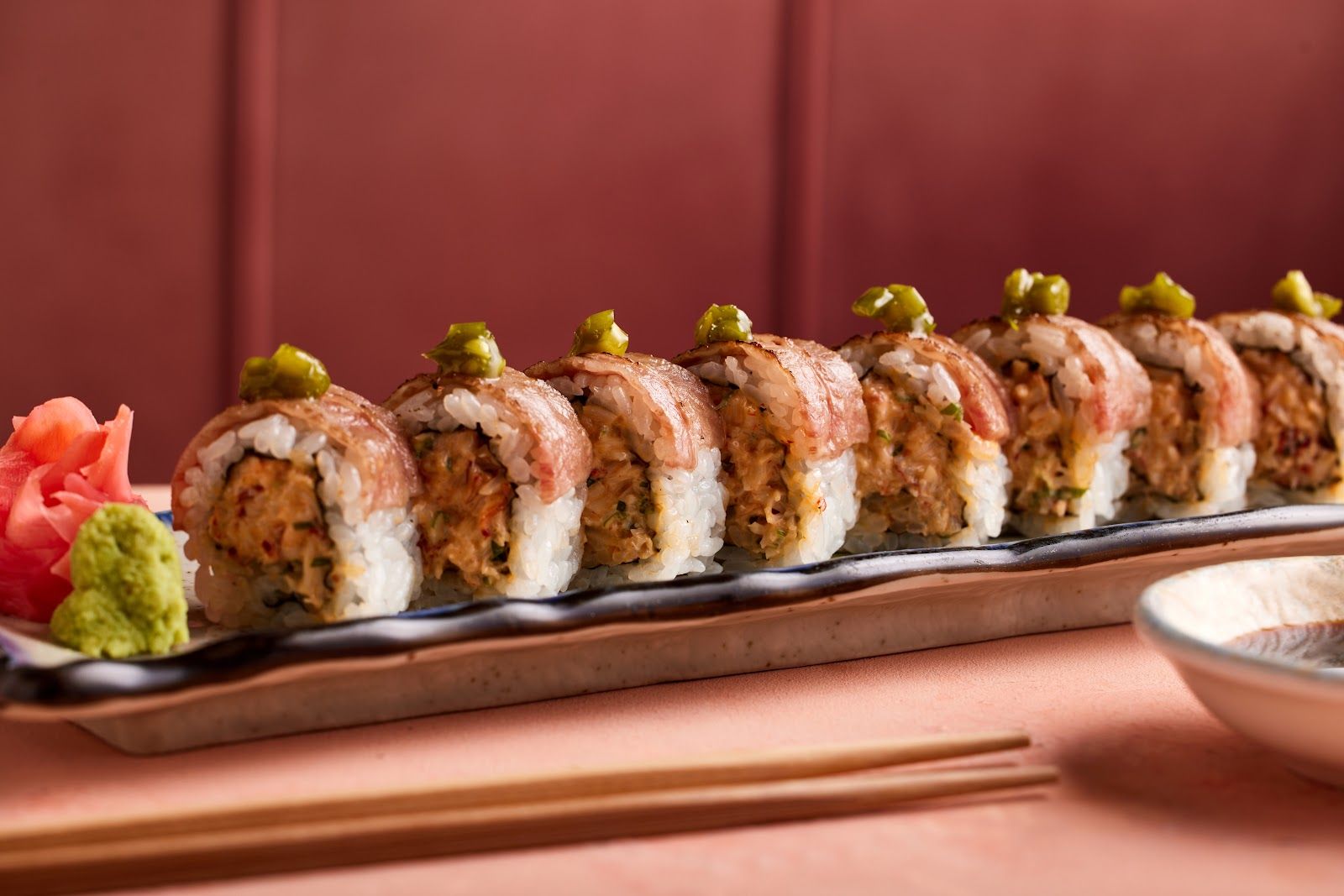
Three robata skewers — Australian wagyu sirloin, ribeye, and beef shortrib — grilled over binchotan and served with three different sauces (chimichurri, anticuchera, and shoyu-tare). The shortrib is the strongest of the three; the sirloin is occasionally over-cooked at 60 seconds past the right window. Order this if you have a four-person table; share between two only if both of you eat fast and decisively.
What I would not order, having tried both: the Nikkei sashimi platter (AED 285), which is a beautiful presentation but a slight under-performer relative to the AED-per-bite math; and the Peking-style duck (AED 320), which lands well technically but feels disconnected from the rest of the menu's identity. Stick to the ceviche, tiradito, anticucho, and robata sections — that's where Kayto is at its strongest.
The Cocktail Program: Best Pisco Sours in Dubai
This is an under-discussed part of Kayto. The cocktail program is genuinely the strongest pisco-led list in Dubai, and the bar is run by Beatriz Salazar — a Lima-born bartender who came to Kayto via the Coya group. The classic pisco sour (AED 75) is correct: pisco quebranta, fresh lime, simple syrup, egg white, three drops of angostura on the foam. No shortcuts. Beyond the classic, the 'Kayto Sour' (AED 85) substitutes mango leaf and tepache for the simple syrup and is one of the most interesting pisco sours I've had outside Peru.
If you don't drink pisco, the 'Yuzu Highball' (AED 75) — Japanese whisky, fresh yuzu, soda, finished with a lemon-zest mist from a six-foot height — is the best non-pisco option. The wine list is small but well-chosen, with a strong showing of Argentinian Malbec and a few well-priced Albariños.
One pricing thing worth flagging: the bar has a happy hour Sunday to Wednesday from 6:30 to 8:00 PM where pisco sours drop to AED 50 and the bar bites menu (AED 45–95) opens. This is the cheapest way to experience Kayto and a fully legitimate dinner option for two — bar seats, three small plates, two drinks each, AED 320 total.
Service: Sharp at the Bar, Slightly Patchier in the Room
Service across my five visits varied, and the variation followed a consistent pattern. At the bar, service was uniformly excellent — the bartenders read the room, paced the drinks, and made conversation only when invited. In the dining room, service was correct but occasionally cooler than I'd want for the price point. The hostess team is warm; the floor team can feel slightly distant on busier nights. On my Friday-night February visit, my sashimi came out cold (the kitchen had it sitting under the pass for three minutes, by my count), and the captain handled the swap professionally but without the kind of warm acknowledgment that you'd hope for at AED 700pp.
The chef's tasting (AED 695pp, six courses, currently offered Tuesday to Thursday only) is where service is at its sharpest. The pace is excellent, the explanations are clear without being lecture-y, and the wine pairing (AED 295 supplement) is intelligently chosen. If you want the best version of Kayto's service, the tasting on a quieter weekday is the right path.
The Best Seats — and the Ones to Avoid
Seat selection at Kayto is more determinative than at almost any other Dubai rooftop. Here is the order, from best to worst:
Western corner four-tops (tables 12, 13, 14): The clearest sightline to the Burj Al Arab, slightly elevated against the railing, and (because of the layout) the only tables that catch the last 30 minutes of sunset uninterrupted. Table 14 is the best of the three — a corner banquette that allows two people to sit side-by-side with the view straight ahead.
Inner-garden two-tops (tables 22–25): The quietest seats in the room. Tucked along the green wall on the eastern side of the terrace, with vines overhead and a clean acoustic separation from the central island. The right choice for a date that involves actual conversation. No view of the Burj from these — but you can walk to the terrace railing for photos before dessert.
Bar (twelve seats, indoor): The best solo experience. You see the cocktail program from the inside, the bartenders pace your meal, and the AED 320 happy-hour dinner I described above runs from these seats. Worth booking specifically (yes, you can reserve bar seats in advance).
Central island tables (1–6): These are between two service stations. Loud, slightly drafty in winter when the canopy is fully extended, and with the worst view-to-price ratio in the room. The only seat tier I'd actively decline.
The Scorecard
Kayto Dubai — The Score
Pros and Cons
What it gets right
- Best pisco sour program in Dubai by a margin
- Tiradito and ceviche sections are world-class Nikkei
- One of the most beautiful rooftop rooms in the city
- Bar seats are bookable and the bar dinner is excellent value
- Happy hour Sun–Wed is genuinely worthwhile
- Chef's tasting on quiet weekdays is the strongest service
What it gets wrong
- Japanese-side menu sections occasionally less interesting than Zuma's
- Service can feel slightly cool on busy Fridays
- The terrace is unusable from May to September peak heat
- AED 700pp average is firm — value math depends heavily on cocktail count
- Central-island tables are not worth the same money as the corner ones
Sample Bill — Two People, One Bottle of Wine
| Item | Price (AED) | Note |
|---|---|---|
| Salmon & truffle tiradito | 145 | Must order |
| Corn & aji limo ceviche | 110 | Must order |
| Anticucho de corazón | 125 | Share |
| Black cod, miso-aji amarillo | 245 | Signature |
| Wagyu trio skewers | 195 | Share |
| Two pisco sours | 150 | One classic, one Kayto Sour |
| Bottle of Argentinian Malbec | 340 | Cheaper options exist |
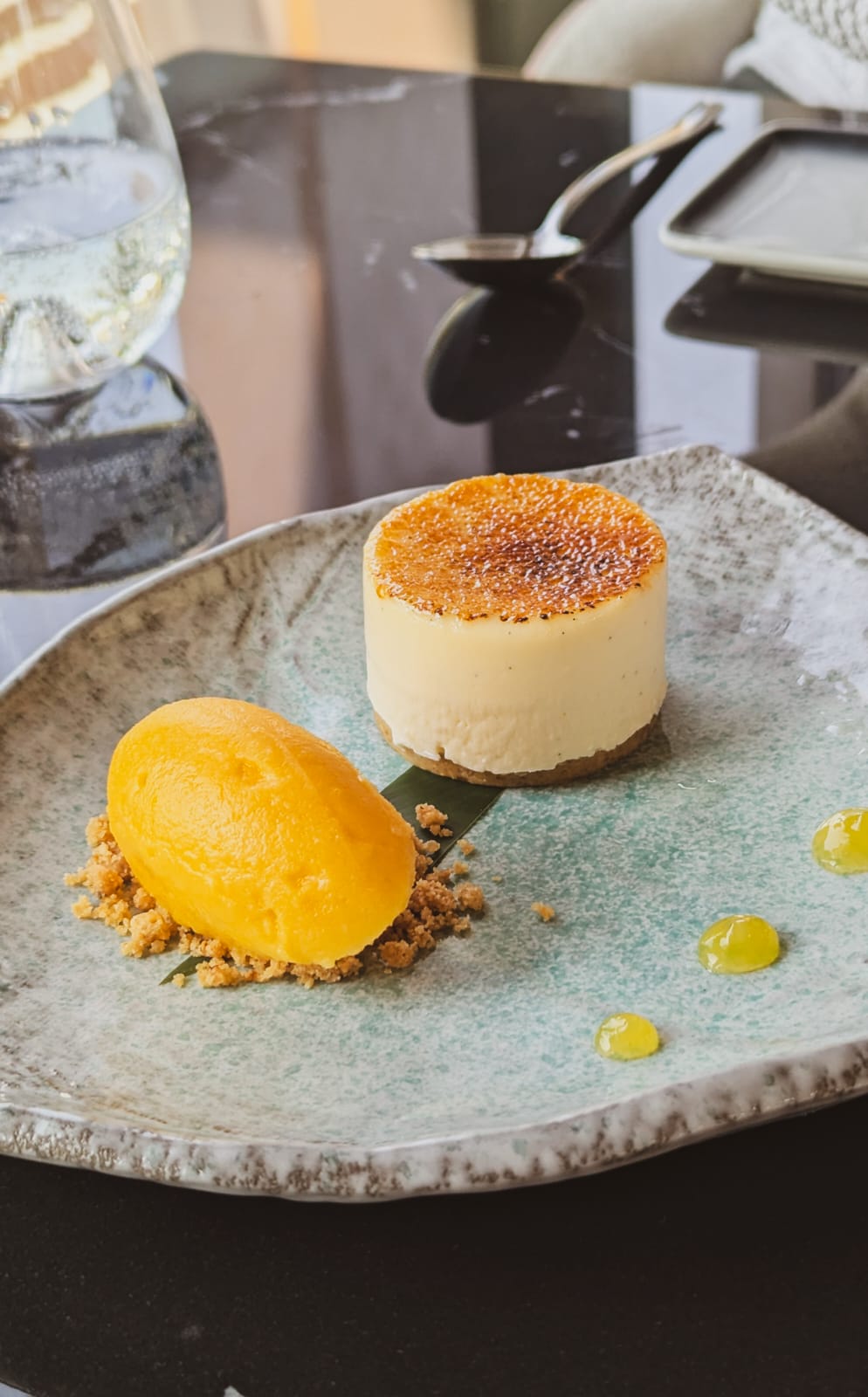
| Tres leches dessert (shared) | 75 | Worth it |
| Service charge (10%) | 139 | |
| Total for two | AED 1,524 | ≈ AED 762pp |
How Kayto Compares
Three comparisons that might help you choose between Kayto and its closest peers in Dubai. Kayto vs Coya: Coya in Four Seasons Jumeirah does Peruvian without the Japanese fusion. Coya is more energetic, louder, slightly stronger on ceviche, slightly weaker on robata. Coya is the better choice for a group of six; Kayto is the better choice for a four-top date or a solo bar visit.
Kayto vs Zuma: Zuma in DIFC does Japanese without the Peruvian heritage. Zuma is more polished, more consistent, marginally better on sushi and robata, and has stronger service. Kayto is more beautiful (the room, by some distance) and the cocktail program is stronger. Choose Kayto for a date; choose Zuma for a business dinner.
Kayto vs 99 Sushi Bar: 99 Sushi at Four Seasons Jumeirah does Japanese-only at a similar price point. 99 has the better sushi counter; Kayto has the better setting and atmosphere. If sushi is the headline of your evening, 99. If everything else is the headline, Kayto.
FAQs — Kayto Dubai 2026
How much does dinner at Kayto cost?
Budget AED 450–950 per person depending on order. Two people with three plates each, two cocktails, and a glass of wine come in around AED 1,650–2,100. The set tasting (AED 695pp, six courses) is the best price-per-bite — it includes both signature ceviches and the robata course.
What should I order at Kayto?
Start with the salmon truffle tiradito (AED 145), the corn ceviche (AED 110), and a pisco sour (AED 75). Move to the robata: black cod with miso-aji amarillo (AED 245) or the wagyu skewer trio (AED 195). Finish with the dulce de leche tres leches (AED 75).
What is the best seat at Kayto?
The four-top corner tables on the western terrace face the Burj Al Arab and catch the last 30 minutes of sunset. Table 14 is the best — slightly elevated, cleanest sightline. The two-top intimate booths along the inner garden wall are quieter and better for conversation.
Is Kayto open year-round?
The indoor bar and a small section of booths are open year-round. The terrace is closed during peak summer (typically late May to early October) due to heat. Plan a Kayto visit for October to April for the full rooftop experience.
Is Kayto good for a date?
Yes — it is one of Dubai's strongest date-night rooms in shoulder months. Book the 7:00 PM sunset seating, request a corner-terrace four-top, and order the tasting menu. The cocktail list is romantic and the lighting after 8 PM is exactly right.
The Verdict
Kayto is the most beautifully designed rooftop dining room in Dubai, and on its strongest nights it is also one of the most genuinely interesting. Order the Peruvian half of the menu — the ceviche, the tiradito, the anticucho — drink the pisco sours, book a corner-terrace four-top for sunset, and it will be one of the best dinners of your year. Push past those signals (order the Japanese-leaning dishes, sit at the central tables, visit on a Friday in February) and the room is still good but the math gets more demanding.
For a first visit: book a Tuesday or Wednesday at 7 PM in October, request table 13 or 14, do the chef's tasting, and add the wine pairing. For a returning visit: take the bar at 6:30 PM Sunday-Wednesday during happy hour, order three plates and two pisco sours, and watch the room fill up. Both versions are worth the money. The midweek tasting is the better introduction.
Related Reading on Where To Eat Dubai
More from the magazine: Umm Suqeim area guide · Jumeirah area guide · Japanese cuisine guide · Best rooftops Dubai · Best fine dining Dubai · Best date-night Dubai · Budget dining · Best late-night Dubai 2026 · Burj Al Arab area dining