🦅 Somali Food Dubai — Complete Guide
Somali cuisine is one of Dubai's best-kept culinary secrets. Deira's side streets and Al Quoz's industrial blocks hide restaurants where the Somali diaspora — among Dubai's oldest and most established African communities — eats the food of home: Canjeero spongy flatbread eaten with honey and sesame oil, Hilib Ari goat stewed until it falls from the bone, Bariis Iskukaris fragrant rice scattered with raisins, and the warming cardamom tea called Shahii. This guide is your entry point.
What Is Somali Food?
Somali cuisine sits at the intersection of East African tradition and centuries of Indian Ocean trade. For over a millennium, Somali port cities like Mogadishu and Berbera were hubs of Arab, Indian, and Persian commerce — and every culture left its mark on the kitchen. The result is a cuisine unlike any other in Africa: rice (not fufu or ugali) is the dominant starch; the spice blend xawaash (closely related to Indian garam masala) seasons the meat dishes; flatbreads baked on a dome griddle come in three or four varieties; and the sweets — Xalwa halwa, Laxoox pancakes, date-stuffed pastries — show clear Gulf and South Asian influence.
What makes Somali food distinctive from its East African neighbours is this layered cultural complexity, combined with its pastoral roots: camel milk, goat meat, and sesame oil appear constantly, reflecting a food culture built around nomadic livestock herders of the Horn of Africa.
Essential Somali Dishes to Know
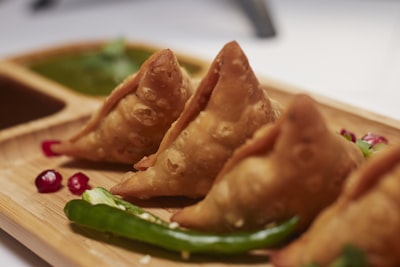
Canjeero
Spongy fermented flatbread
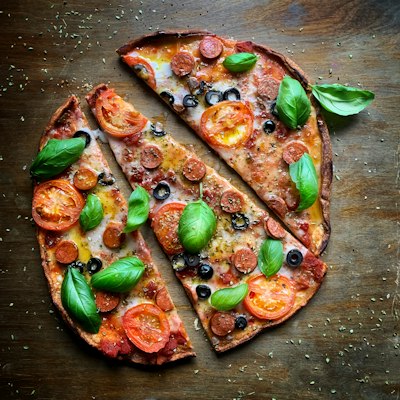
Bariis Iskukaris
Spiced rice with raisins
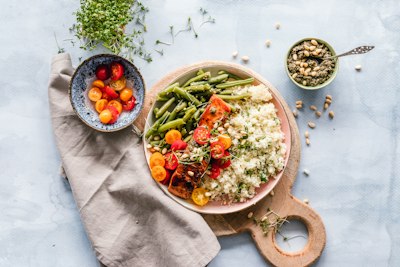
Hilib Ari
Slow-cooked goat meat
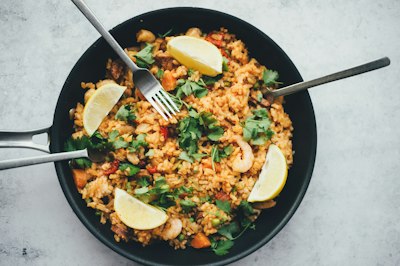
Suqaar
Spiced meat stir-fry
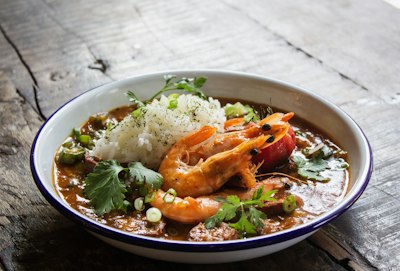
Sabaayad
Flaky layered flatbread
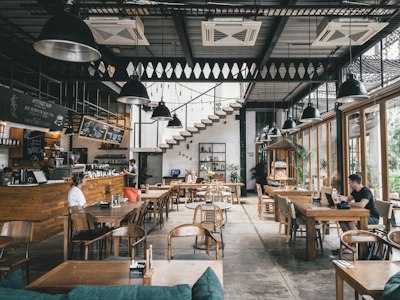
Xalwa
Somali halwa dessert
The Essential Somali Dishes Explained
What to Order at a Somali Restaurant in Dubai
Best Somali Restaurants in Dubai
 🥇 Community Favourite
Mogadishu Restaurant — Deira
The anchor of Dubai's Somali dining scene, Mogadishu Restaurant in Deira has been feeding the community for years. It is named for Somalia's capital and serves the city's food faithfully — Bariis Iskukaris with the right balance of raisin sweetness, Hilib Ari braised to the point where the meat dissolves into the sauce, and the best Canjeero breakfast spread in Dubai. The space is modest; the welcome is warm; the tea at the end will keep you coming back.
The lunch rush is spectacular — by noon, it's packed with Somali traders, drivers, and families from across Deira. This is community dining at its most unfiltered.
 🌟 Best Camel Dishes
Nasib Restaurant — Al Quoz
Nasib ("fortune" in Somali) in Al Quoz is quieter and more spacious than the Deira options, attracting a mix of Somali residents and curious food adventurers who've heard about its camel dishes. The Camel Hilib is remarkable — slow-braised for hours, served on a bed of Bariis with a generous ladle of rich broth. The Sabaayad here is made fresh to order, multi-layered and buttery, and comes out of the kitchen looking dangerously good.
Best for groups — the large sharing plates make this ideal for a crowd that wants to explore the full width of Somali cuisine in one sitting.
 ☕ Best Breakfast
Baraka Café — Al Ras, Deira
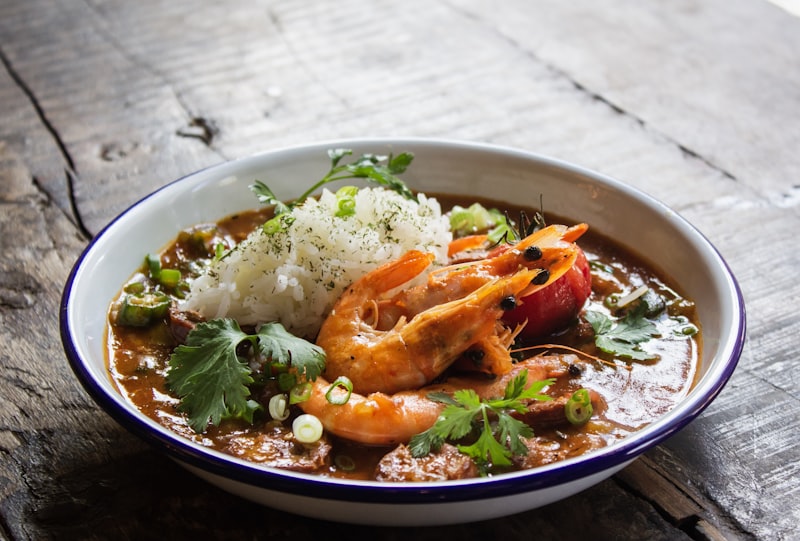
Baraka is less restaurant and more Somali morning institution. From 6am, it serves the most complete Somali breakfast in Dubai: Canjeero with honey and sesame oil, Sabaayad with sweet Somali tea, Muufo (oven-baked Somali corn flatbread), and fresh dates. By 9am it's standing room only with men from the nearby port and markets eating before the working day begins. The Xalwa sold here — made fresh in a blackened copper pot — is the best in the city.
Where to Find Somali Food in Dubai
🗺️ Dubai's Somali Food Map
Deira — Al Ras & Naif
The heart of Dubai's Somali food scene. Multiple Somali restaurants, cafés, and Xalwa shops clustered around the old port area. Walk the streets between Al Ras and Naif market — the restaurants have no signs in English but the aromas of xawaash and goat broth guide you.
Al Quoz — Industrial Area
Larger format Somali restaurants serving the workforce community. Less atmosphere than Deira but more space and often more varied menus. Nasib Restaurant is here.
Al Barsha
A smattering of pan-East African restaurants (Ethiopian-Somali crossover menus) in Al Barsha's mid-rise residential blocks. Best for those combining Somali food with Ethiopian cuisine in the same evening.
International City
The most affordable Somali options in Dubai, catering to the large East African community in International City. Canteens rather than restaurants, but food quality is solid and prices are extremely low (AED 20–40 for a full meal).
Somali Food Budget Guide
How Much Does Somali Food Cost in Dubai?
Xawaash — The Spice That Defines Somali Cooking
If you want to understand Somali cuisine in one ingredient, it's Xawaash. This warming spice blend — a mix of cumin, coriander, cardamom, cloves, black pepper, cinnamon, and turmeric — seasons every Somali meat dish. It sits tonally between garam masala and baharat; sweeter and more floral than Arabic seven-spice, earthier than Indian curry powder. Somali families in Dubai make their own blends from memory, and the ratio of each spice is as closely guarded as any French chef's mother sauce.
You can find ready-made Xawaash blends at Somali grocery shops in Deira's Al Ras area — one of the best souvenirs from any Somali food tour of Dubai.

Somali Food in Dubai — FAQs
Is Somali food halal?
Yes — Somali cuisine is entirely halal. Somalia is a predominantly Muslim country and pork has never been part of the culinary tradition. All Somali restaurants in Dubai are halal-certified.
How is Somali food different from Ethiopian food?
Both East African cuisines use fermented flatbreads (Canjeero/Injera) and share some spice traditions, but differ significantly. Ethiopian food relies heavily on berbere spice and Niter kibbeh (spiced butter); Somali food uses Xawaash and is more rice-centric. Somali cuisine also features more camel and goat, while Ethiopian uses more lamb and lentils.
Can vegetarians eat Somali food in Dubai?
With some difficulty — Somali cuisine is heavily meat-centred. Canjeero with honey, Sabaayad with sesame oil, and Bariis rice are vegetarian options. Lentil stews appear occasionally. If you're fully vegetarian, consider pairing a Somali restaurant visit with a nearby Ethiopian one for better variety.
Do Somali restaurants in Dubai speak English?
Some staff will speak basic English, but many Deira spots cater primarily to the Somali community. Pointing at dishes, showing photos, or learning a few Somali food words (Hilib = meat, Bariis = rice, Canjeero = flatbread) goes a long way. The community is warm and welcoming to curious visitors.
What is camel milk like?
Camel milk (available at some Somali restaurants) is thinner and saltier than cow's milk, with a slightly nutty flavour. It is highly nutritious, naturally low in fat, and has been consumed across the Horn of Africa and Arabian Peninsula for millennia. In Shahii tea, it adds a distinctive savouriness that is unlike any other tea experience in Dubai.
Explore more: Best Somali Restaurants · Canjeero Guide · East African Food Dubai · Ethiopian Food Dubai · All Cuisine Guides