The word "kebab" covers an enormous amount of ground in Turkish cuisine — not just skewered meat, but braised dishes, wrapped preparations, stuffed vegetables, and pasta-like creations that bear little resemblance to the roadside döner wraps the Western world associates with the word. Understanding Turkish kebab culture properly unlocks one of the richest and most varied grilling traditions in the world.
Dubai has a large and deeply-rooted Turkish food scene, particularly in Deira and Business Bay, where the Turkish community has been establishing restaurants for decades. This guide explains every major Turkish kebab type available in Dubai — what it is, how it's made, how spicy it is, and which Dubai restaurant makes it best.
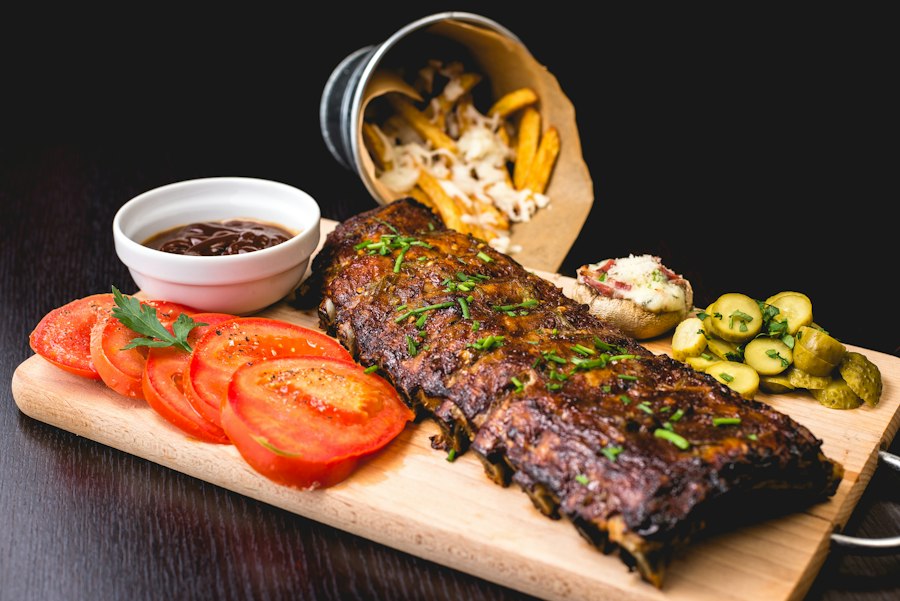
The ocakbaşı charcoal grill — the centerpiece of Turkish kebab culture and the defining experience at Dubai's best Turkish restaurants.
The Essential Turkish Kebabs in Dubai
Adana Kebab
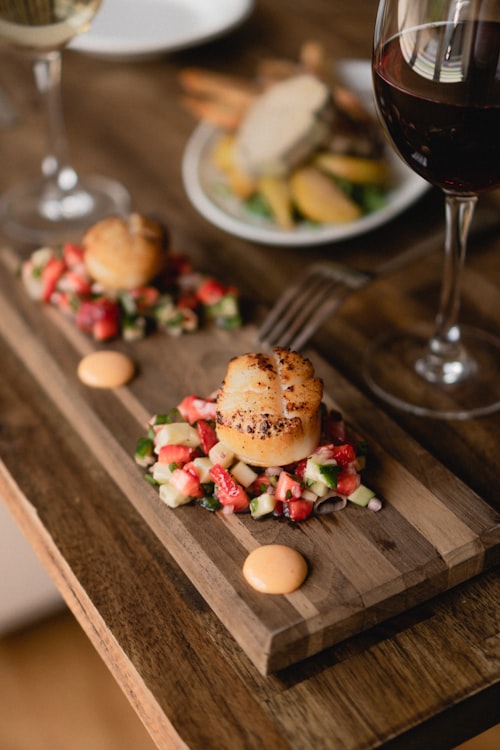
Adana Kebabı — The king of Turkish kebabsThe most celebrated Turkish kebab, named for the city of Adana in southern Turkey. Minced lamb (or lamb-beef blend) is combined with Aleppo pepper (pul biber), black pepper, and garlic, then hand-kneaded for a minimum of fifteen minutes — the kneading develops the protein structure so no binding agents are needed. The mixture is pressed onto a wide flat skewer and grilled over charcoal, producing a long ridged kebab with a finely textured interior and a caramelised, slightly charred exterior.
Authentic Adana kebab uses Aleppo pepper from Hatay province specifically — the distinctive burgundy-red, moderately spicy, slightly oily flakes that give Adana its characteristic flavour. Substitute chilli flakes or generic paprika and the result is categorically different. Served with grilled tomatoes, roasted peppers, red onion with sumac, and fresh lavaş or pide bread.
Şiş Kebab
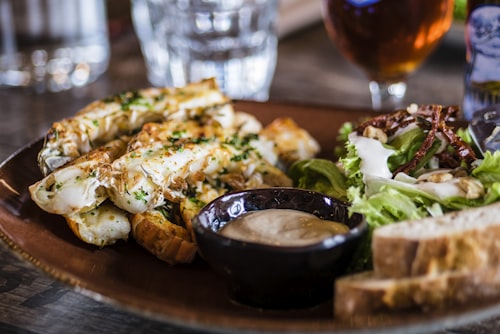
Şiş Kebabı — The classic skewerThe fundamental Turkish kebab — the word şiş simply means skewer, making this the original reference point from which all other kebab styles derive. Cubed pieces of marinated lamb (typically shoulder or leg) are threaded alternately with pieces of green pepper and tomato onto metal skewers, then grilled over high charcoal heat. The marinade is deliberately simple: olive oil, lemon, onion juice, black pepper, and sometimes a minimal amount of dried oregano. The flavour of the meat and the char are meant to be the focus.
Quality şiş requires properly aged lamb — the flavour of fresh (unaged) lamb is mild and can taste almost neutral; lamb aged 7–10 days develops a deeper, more complex flavour that carries the charcoal char beautifully. Dubai's best şiş is aged correctly at Gunaydin and Bosphorus.
Turkish Kebab Spice Guide
Döner Kebab
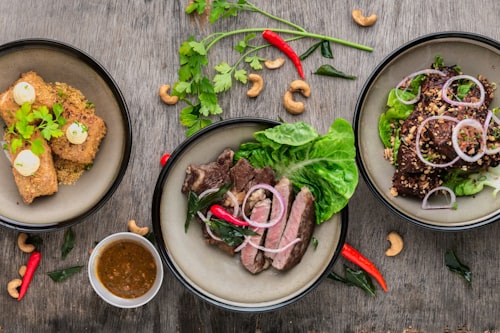
Döner Kebabı — The rotating spitThe most globally recognised Turkish food — marinated meat stacked onto a vertical rotating spit, slow-cooked over gas or charcoal heat, and shaved off in thin ribbons as needed. Turkish döner uses lamb or beef (not the mixed meat products common in European street food), seasoned with onion, black pepper, and dried herbs. The internal fat bastes the outer layers as it cooks, making the shaved portions juicy despite the constant heat.
In Turkey, döner is eaten at a counter as a plate (with rice, salad, and bread) or as a wrap inside fresh bread. Dubai's Turkish restaurants serve the plate version almost exclusively — the quality is significantly better than the wrap versions common at fast food counters. Topkapi in Deira serves Dubai's most authentic döner plate at AED 45.
İskender Kebab
İskender Kebabı — The Bursa classicNamed for its creator İskender Efendi in Bursa (1867), this is one of Turkey's most beloved regional dishes and a wholly distinct experience from standard döner. Shaved döner meat is laid over torn pieces of pide bread, doused in a rich tomato sauce, finished with sizzling browned butter poured tableside, and served with a side of thick strained yoghurt. The result — crispy-soft bread saturated in meat juices and butter, tangy yoghurt cooling the richness — is extraordinary.
The poured butter is the theatre and the flavour key: it must go on the meat immediately before serving and be genuinely browned (not simply melted), contributing a nutty sweetness that plain melted butter cannot provide. Istanbul Flower in Karama makes the most authentic İskender in Dubai.
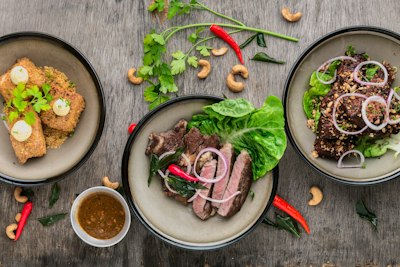
A mixed Turkish kebab platter — Adana, şiş, and köfte together on a single platter with grilled vegetables, pide bread, and sumac onions.
Köfte
Izgara Köfte — Grilled meatballsTürk köftesi is the category of minced meat preparations that encompasses dozens of regional variations. The most common in Dubai's Turkish restaurants is izgara (grilled) köfte — small oval meatballs made from a mixture of lamb and beef mince, breadcrumbs, egg, onion, parsley, and spices (cumin, black pepper, and sometimes cinnamon in the Anatolian style), shaped by hand and grilled over charcoal.
The Sultanahmet köftecisi recipe (the legendary Istanbul institution's version) uses no egg and very little breadcrumb, relying on proper kneading and the fat ratio of the meat for texture. The result is a firmer, more minerally meatball with a distinct char. Dubai's branch of Sultanahmet Köftecisi in Al Barsha serves this recipe faithfully.
Beyti Kebab
Beyti Kebabı — The wrapped kebabA sophisticated preparation named for the legendary Beyti restaurant in Istanbul (founded 1945, still operating and still exceptional). Minced lamb on a flat skewer is first grilled like Adana, then immediately removed from the skewer, wrapped tightly in thin lavaş flatbread while still hot, and sliced into rounds. The slices are arranged cut-side up on the plate, sauced with fresh tomato sauce, and served with yoghurt.
The wrapping and slicing creates a different textural experience from standard skewer kebabs — the crust of the lavaş replaces the char of the grill, and the interior stays moister from being wrapped while hot. It is more refined and less aggressive than Adana, making it a good choice for those new to Turkish kebab.
The Essential Turkish Kebab Sides
How to Order Turkish Kebab in Dubai: Insider Guide
- Start with ezme: Always order ezme (the spiced tomato-walnut-chilli paste) as your first mezze. It arrives quickly, it's delicious, and it sets the table for the kebab to come.
- Always ask for sumac onions: Sumac-dressed red onion is the essential Turkish kebab garnish — the sharp, slightly astringent sumac cuts through the fat of the grilled meat. If it doesn't arrive automatically, ask.
- Adana vs Urfa: Adana is spicy with Aleppo pepper; Urfa uses the milder, smokier Urfa pepper (isot biber). If you're heat-sensitive, order Urfa. Both are excellent.
- Never add ketchup: Turkish kebab restaurants in Dubai will have ketchup available if you ask. Resist. The meat is seasoned to be eaten with yoghurt, ezme, and sumac onion — these are the correct condiments.
- The mixed grill is the answer: If you cannot choose, order the karışık ızgara (mixed grill). You'll get Adana, şiş, and köfte on one platter — ideal for comparing the styles side by side.
- Charcoal matters: Bosphorus and Yildiz use proper charcoal grills. Gas-grilled kebab is convenient but lacks the distinctive smokiness. For the authentic experience, ask if the restaurant uses charcoal (kömür).

Frequently Asked Questions
What is the difference between Adana and Urfa kebab?
Both are minced lamb kebabs on flat skewers, but they use different peppers. Adana uses Aleppo pepper (pul biber) from Hatay province — moderately spicy, fruity, and red. Urfa uses isot (Urfa biber) — darker, smokier, less spicy, almost chocolatey. Adana has more heat; Urfa has more complexity.
Where is the best Turkish kebab in Dubai?
For Adana kebab: Bosphorus (Madinat Jumeirah) and Yildiz (Business Bay). For döner: Topkapi (Deira). For İskender: Istanbul Flower (Karama). For Anatolian aged beef şiş: Gunaydin (DIFC).
How much does Turkish kebab cost in Dubai?
Turkish kebab in Dubai ranges from AED 35–45 at casual Deira restaurants to AED 75–105 at fine dining venues like Bosphorus. A full meal (mezze, kebab, bread, soft drink) at a mid-range Turkish restaurant costs AED 100–160 per person.