
Filipino Food in Dubai: Lutong-Bahay in the Desert
The Filipino community in Dubai numbers over 500,000 people — one of the largest in the world outside the Philippines itself. This community has, over decades, built a food ecosystem that ranges from carinderia-style canteens in Deira to proper restaurant dining rooms where adobo, sinigang, and kare-kare are prepared with the same care and specificity that these dishes demand.
Filipino cuisine is one of the most misunderstood in Asia — underestimated by outsiders, ferociously beloved by those who grew up with it. The genius of the food lies in its use of vinegar and acid as flavour principles (adobo, sinigang), its embrace of slow-cooked richness (kare-kare, pochero, caldereta), and its willingness to use every part of an animal without apology or ceremony. This is comfort food in the deepest possible sense.
Dubai's Filipino restaurant scene is concentrated in Deira and the Al Rigga area, where walking the streets feels like a transportive experience. Here is where to eat.
🏆 Where to Find Filipino Food in Dubai
The heart of Filipino Dubai is in Deira — specifically Baniyas Square, Al Rigga Road, and the surrounding streets. This is where the greatest concentration of Filipino restaurants, bakeries, grocery stores (find all the imported goods from the Philippines here), and remittance centres are located. Karama also has a strong Filipino community and several good restaurants.
Best Filipino Restaurants in Dubai
Ranked by authenticity, food quality, and value. Updated March 2026.

Dampa is the most famous Filipino restaurant in Dubai — and with good reason. The concept mirrors the legendary Dampa seafood markets of Manila and Paranaque: you choose your fresh seafood from the display, select how you want it prepared (grilled, steamed, garlic butter, sweet and sour, adobo, sinigang), and then wait for the kitchen to perform. The results are consistently excellent. Whole grilled pompano with garlic rice and sinigang broth is a feast that keeps friends at the table for hours.
The restaurant fills daily with Filipino OFWs celebrating payday, birthdays, and reunions. The noise level is considerable. The joy is palpable. Come for the food but stay for the atmosphere, which is unlike anywhere else in Dubai.
Must-Order Dishes
💡 Go in a group — the seafood selection is designed for sharing. Weekend evenings require a wait (arrive by 6:30pm). The crispy pata takes 45 minutes — order it immediately when seated.

Filipino cuisine is comfort food at its most generous — adobo, sinigang, and kare-kare are the holy trinity
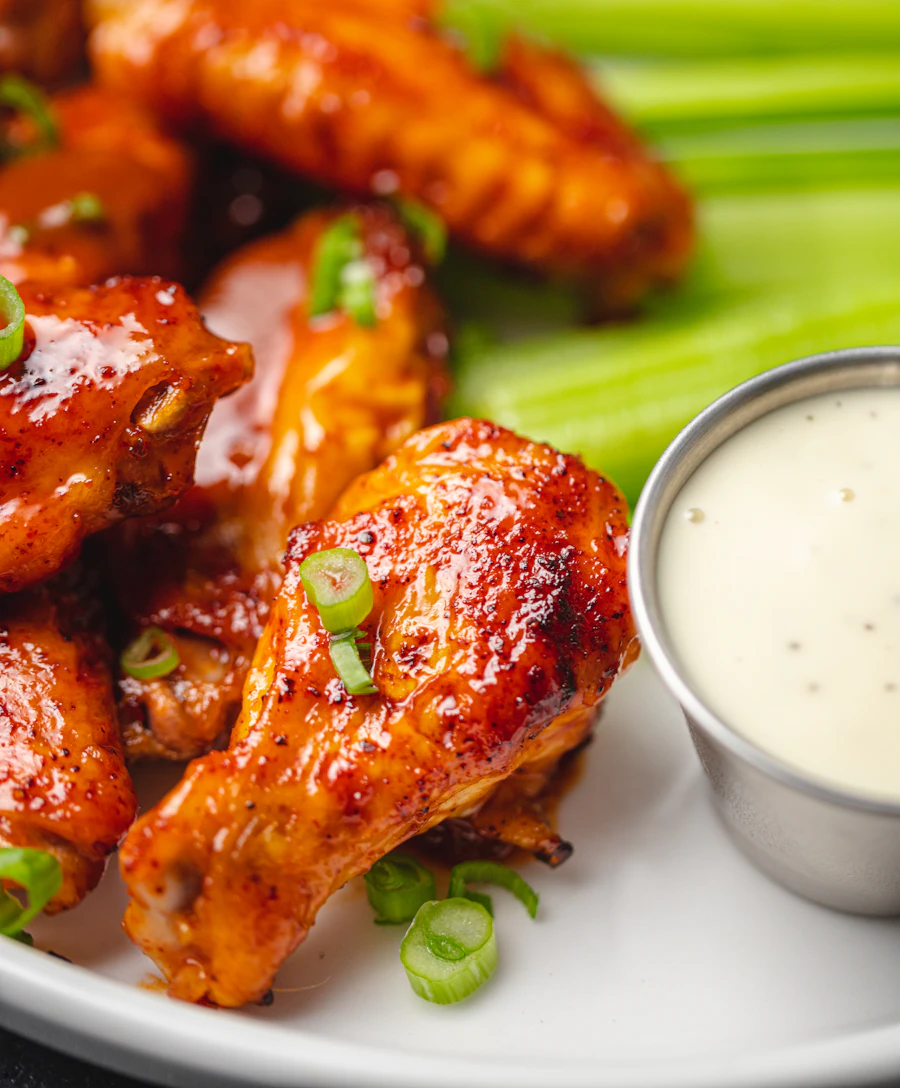
Bulwagang Filipino has been feeding the Filipino community in Dubai since 1983 — making it not just the oldest Filipino restaurant in the city, but one of the oldest in the entire UAE. Over four decades of lutong-bahay (home-cooked style) cooking have produced a menu that is the closest thing to a Filipino grandmother's kitchen available in Dubai. The adobo here — pork belly braised in vinegar, soy sauce, garlic, and bay leaves until the sauce reduces to a sticky, aromatic glaze — is the benchmark.
Must-Order Dishes
💡 Lunch daily specials (AED 28–38) are extraordinary value — rice, main dish, and soup. The restaurant is smaller than Dampa but more personal. For first-time Filipino food visitors, this is the better starting point.

Palayok means "clay pot" in Filipino — and the cooking method is central to the identity of this Karama favourite. Slow-cooked dishes served in clay pots retain heat and develop flavours differently from metal cookware, and Hot Palayok uses this to excellent effect. The bulalo (bone marrow and beef shank soup) arrives in its clay pot still bubbling, the broth clear and deeply beefy, with marrow that collapses with the lightest pressure from a spoon. Outstanding comfort food at extremely fair prices.
Must-Order Dishes
💡 Karama location is easy to park near and much less crowded than Deira Filipino spots. Families are well catered for — staff are patient with children.

Fiesta Pinoy on Al Rigga Road is the essential carinderia-style experience in Dubai — unpretentious, fast, and genuinely delicious. The signature bulalo (bone marrow beef soup) has been praised in every Filipino food guide to Dubai for years. The bangus (milkfish) belly, marinated and grilled to order, arrives crispy-skinned and smoky. The prices are the most accessible on this list. Weekday lunches are packed with Filipino workers eating properly for the first time that day.
Must-Order Dishes
💡 Best for solo diners or pairs. Groups should head to Dampa for the sharing feast experience. Cash preferred.
Essential Filipino Dishes: The Dubai Pinoy Primer
Adobo
Pork or chicken braised in vinegar, soy sauce, garlic, and bay leaves. The national dish. Every family makes it differently. The sauce should be intense, sticky, and deeply savoury. AED 42–65.
Sinigang
Sour tamarind soup with pork, seafood, or beef. The sourness is the point — bracingly so. One of the most distinctive soups in Southeast Asian cuisine. AED 45–85.
Kare-Kare
Oxtail and vegetables in a rich peanut sauce, served with bagoong (fermented shrimp paste). The paste is non-negotiable — it provides the salty contrast the dish requires. AED 75–95.
Lechon
Whole spit-roasted suckling pig with crackling skin. The centrepiece of every celebration. Pre-order required (minimum 24 hours). AED 450–900 for a whole pig (serves 15–20).
Bulalo
Slow-cooked bone marrow and beef shank soup. Clear, deeply beefy broth enriched by hours of simmering. The marrow is the prize. Best in cold weather months. AED 55–75.
Halo-Halo
The Filipino dessert: shaved ice, evaporated milk, sweetened beans, coconut, jackfruit, purple yam ice cream, and leche flan. Chaotic, colourful, and magnificent. AED 18–35.