Chakhchoukha in DubaiAlgeria's Iconic Torn Bread Stew - Where To Eat Dubai
Algerian Food Guide

Chakhchoukha in Dubai
Algeria's Iconic Torn Bread Stew

Rougag flatbread torn and soaked in slow-braised lamb stew with chickpeas and spices — chakhchoukha is Friday family tradition across Algeria. Here's where to find the best in Dubai.

By The Dubai Fork Editorial Team  ·  Updated June 2025  ·  9 min read
Fredrik Filipsson·Published May 14, 2024
Chakhchoukha (also spelled shakshuka when referring to this stew version) is Algeria's most beloved Friday-night dish — torn pieces of rougag, a soft flatbread similar to Moroccan msemen, soaked and stirred into a rich, slow-braised stew of lamb or chicken with chickpeas, tomatoes, spices, and sometimes dried fruit. Unlike the egg-based shakshuka of the Levant, Algerian chakhchoukha centers entirely on the stew's depth and the bread's ability to absorb every drop of flavor. It is not elegant food. It is not plated food. It is comfort food at its most profound — the dish that brings Algerian families to the table week after week.

What Is Chakhchoukha?

Chakhchoukha belongs to the bread-and-stew tradition that stretches across North Africa and the Levant, but Algeria's version is distinctly its own. The foundation is a slow-cooked stew (typically of lamb shoulder, though chicken and occasionally beef appear) combined with chickpeas, onions, garlic, tomatoes, and warming spices like cinnamon, coriander, and sometimes a hint of dried chili. Some versions include dried fruit — apricots or raisins — which add sweetness that balances the savory depth.

The critical element is the rougag, also called msemen taqella — a rolled, layered flatbread made with butter or oil, cooked on a griddle until golden and puffy. At the table, pieces of rougag are torn and stirred into the stew until the bread softens and begins to dissolve, thickening the sauce and absorbing the flavors. The result is neither soup nor stew nor bread — it is something unto itself. Messy, satisfying, and deeply personal.

Algerian chakhchoukha stew with torn bread Dubai
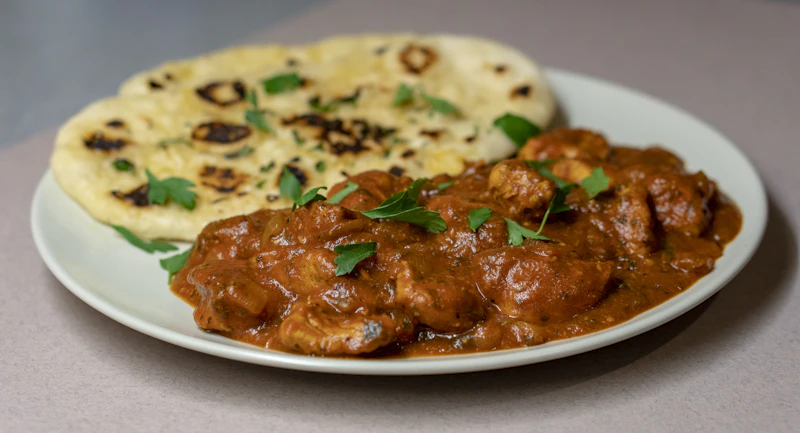
Chakhchoukha in its element — torn rougag bread melting into lamb stew at Sahara Lounge, JLT Dubai

The 4 Styles of Chakhchoukha

Classic lamb chakhchoukha — representative image for Chakhchoukha in Dubai
CLASSIC
Lamb Chakhchoukha
Slow-braised lamb shoulder, chickpeas, tomatoes, onions, cinnamon, coriander. Served with soft rougag on the side to tear and stir in. The definitive version.
AED 65–90
Chicken chakhchoukha — representative image for Chakhchoukha in Dubai
LIGHTER
Chicken Chakhchoukha
Chicken thighs replace lamb for a lighter but still deeply flavored version. Tomato-based, with the same warming spices. Served with soft rougag.
AED 55–75
Vegetarian chakhchoukha — representative image for Chakhchoukha in Dubai
VEGETARIAN
Vegetarian Chakhchoukha
Chickpeas as the protein base, with vegetables (carrots, onions, tomatoes), warming spices, and sometimes dried fruit. Equally rich and satisfying as the meat versions.
AED 45–65
Premium chakhchoukha royale — representative image for Chakhchoukha in Dubai
PREMIUM
Chakhchoukha Royale
Both lamb and chicken in the same stew, often with extra garnishes, dried apricots, and premium rougag. The most indulgent version, meant for celebrations.
AED 80–120

Where to Eat Chakhchoukha in Dubai
BEST CHAKHCHOUKHA IN DUBAI #1
Sahara Lounge
📍 Jumeirah Lake Towers (JLT) 🕐 Daily noon–midnight Classic Algerian AED 65–85
Sahara Lounge JLT best chakhchoukha Dubai
Sahara Lounge is the undisputed destination for chakhchoukha in Dubai. Their lamb version is the benchmark — the stew braises for hours, delivering a depth that only time and good ingredients produce. The chickpeas are plump and properly cooked, the spices are perfectly balanced (warm cinnamon without overshadowing the lamb), and the rougag arrives soft and fresh, folded warm on a side plate.

The kitchen does not rush this dish. Every order is made to order, not held in a bain-marie. The chakhchoukha arrives steaming, and the ritual is encouraged — you tear rougag, you stir it into the stew, you watch it soften and absorb the sauce. Regulars order two rounds: one to appreciate the purity of the stew itself, then another with the rougag incorporated fully.

Sahara Lounge's dining room has the feeling of a well-kept secret — wood furniture, warm lighting, and zero pretension. This is where Dubai's small Algerian community gathers for real food.
Must order: Lamb Chakhchoukha (AED 75) · Rougag (AED 12) · Merguez brochettes (AED 28)
Best for: Authentic Algerian experience, lunch with friends, family groups
Reservations recommended on weekends · Cash and card accepted
BEST CHAKHCHOUKHA IN DUBAI #2
Casablanca Restaurant
📍 Al Karama 🕐 Daily 11am–midnight North African AED 60–80
Casablanca Restaurant Al Karama chakhchoukha
Casablanca pulls from both Moroccan and Algerian traditions, but their chakhchoukha leans authentically Algerian. The lamb is tender, the sauce is unctuous without being heavy, and they include dried apricots which add subtle sweetness — a variation some consider more traditional than the classic version.

The rougag here is thicker and more indulgent than Sahara's, which means it can handle a longer soak without dissolving. Their chicken version is worth trying — lighter but equally flavorful. The restaurant is bustling, informal, and the prices are fair for Al Karama's dining scene.
Must order: Chakhchoukha with Apricots (AED 72) · Chicken Chakhchoukha (AED 62) · House Salad (AED 15)
Best for: Budget dining, lunch crowds, North African food lovers who want variety
BEST CHAKHCHOUKHA IN DUBAI #3
Algiers Restaurant
📍 Deira 🕐 Daily noon–1am Traditional Algerian AED 55–75
Algiers Restaurant Deira — representative image for Chakhchoukha in Dubai
Algiers is purely Algerian — no fusion, no compromise. The chakhchoukha here is home-style: the stew is made fresh daily, the flavors are deep and honest, and the portions are generous enough to serve as a meal for two. The rougag is made in-house and arrives steaming.

This is not a restaurant for those seeking refinement. The dining room is modest, the furniture is simple, and the focus is entirely on the food. The chakhchoukha is worth the trek to Deira — particularly their vegetarian version, which proves that chickpeas alone can produce extraordinary depth of flavor.
Must order: Chakhchoukha (AED 65) · Vegetarian Chakhchoukha (AED 50) · Fresh Orange Juice (AED 8)
Best for: Authentic experience, lunch escape, value dining
Walk-in preferred · No online ordering
BEST CHAKHCHOUKHA IN DUBAI #4
Al Waha Restaurant
📍 Jumeirah 🕐 Daily 1pm–midnight Modern Algerian AED 70–95
Al Waha Jumeirah — representative image for Chakhchoukha in Dubai
Al Waha brings a slightly more contemporary approach to chakhchoukha — the plating is more refined, the dining room is better appointed, but the fundamentals remain traditional. Their premium version with both lamb and chicken is a showstopper. The rougag is folded elegantly on the side, and diners have the option to fold it in themselves or allow the kitchen to prepare it mixed.

This is chakhchoukha for a special occasion or a more upscale meal. The quality of ingredients is excellent, the wine list is strong, and the service is attentive.
Must order: Chakhchoukha Royale (AED 95) · Grilled Merguez (AED 35) · Almond Pastries (AED 12)
Best for: Date nights, celebrations, groups wanting refined Algerian dining
Reservations recommended · Full bar available
BEST CHAKHCHOUKHA IN DUBAI #5
Dar Al Maghreb
📍 Jumeirah Beach Residence (JBR) 🕐 Daily 1pm–midnight North African AED 65–85
Dar Al Maghreb JBR
Dar Al Maghreb is positioned between casual and upscale — a rooftop setting with views, a good wine list, and solid North African cooking. Their chakhchoukha is consistent and well-executed, though slightly less traditional than Sahara Lounge or Algiers. They serve it both ways: traditional mixed with rougag, or with the bread on the side for diners to control the incorporation.

The atmosphere here is the draw — sunset views over JBR, attentive service, and a menu that stretches across North African cuisines. The chakhchoukha is good. The experience is excellent.
Must order: Chakhchoukha (AED 75) · Grilled Vegetables (AED 18) · Harira Soup (AED 16)
Best for: Sunset dining, groups, mix of cuisines wanted
Rooftop seating · Good for drinks before dinner
BUDGET PICK #6
Bab El Oued
📍 Al Karama 🕐 Daily 11am–11pm Budget Algerian AED 45–65
Bab El Oued Al Karama
Bab El Oued is the budget champion of Dubai's chakhchoukha scene — small, no-frills, and entirely focused on getting the food right. The stew is simple and honest, the rougag is fresh, and the price is impossible to beat. Portions are large enough to be a full meal, and the kitchen moves fast. This is where value seekers and working professionals grab lunch.

The dining room has three tables and constant turnover. Expect to wait 10 minutes and eat standing or hovering. The chakhchoukha is not fancy, but it is exactly what chakhchoukha should be.
Must order: Chakhchoukha (AED 50) · Extra Rougag (AED 8) · Mint Tea (AED 3)
Best for: Lunch on a budget, takeaway, workers seeking authentic food
Cash only · Expect a queue at lunch
Algerian chakhchoukha bread stew with rougag
Chakhchoukha in its fullness — lamb stew with soft rougag, ready to be torn and stirred

The Ordering Guide: How to Eat Chakhchoukha Like a Local

Term What It Is What to Know
Chakhchoukha The stew itself — braised meat/chickpeas with spices Arrives in a bowl, steaming. Don't assume it's mixed with bread — that's your choice.
Rougag The torn flatbread, served separately on a plate Soft, warm, buttery. Should be fresh from the griddle. Tear it as you eat.
Msemen Layered flatbread (sometimes used interchangeably with rougag) Same concept — rolled dough with butter/oil, cooked until golden.
Lamb Shoulder The traditional meat cut — slow-braised until tender Should be so tender it falls apart on the tongue. Bad chakhchoukha has tough meat.
Portion Size One order serves 1–2 people as a main Order one per person if it's your main course. Share if part of a larger meal.
What to Order With Merguez (spiced sausage), grilled vegetables, harira soup Chakhchoukha is usually a standalone main. Add sides for a feast.

The Rougag Ritual Matters

Chakhchoukha is not meant to arrive with bread already mixed in. The rougag comes separately, warm and soft, and part of the eating experience is tearing it and stirring it into the stew yourself. This is not laziness — it's intentional. The bread should retain some texture and chew, not dissolve into mush. Control how much you incorporate. Some prefer it mostly separate, others fully mixed. There is no wrong answer.

Chakhchoukha vs Similar North African Dishes

Chakhchoukha occupies its own space in the North African bread-and-stew tradition, but it shares DNA with several related dishes:

Moroccan Couscous: Couscous is made from semolina and is steamed in a couscousier over meat stew. The texture is grainy and distinct from rougag's soft bread. Moroccan couscous is about the balance between grain and stew. Chakhchoukha is about bread absorption.

Tunisian Couscous: Similar to Moroccan couscous but often served with lighter broths or seafood-based stews. Like all couscous, it maintains its granular texture. Chakhchoukha's bread dissolves partially, creating a creamy texture couscous never achieves.

Libyan Bazin: Bazin is barley flour dough formed into a dome and served with a well of meat broth poured on top. It's closer to chakhchoukha in concept — dough combined with stew — but bazin is firmer and remains more intact. Chakhchoukha's rougag is meant to soften and begin dissolving.

Levantine Shakshuka: The egg-based dish of North Africa and the Levant — entirely different from Algerian chakhchoukha despite the name similarity. Shakshuka centers on poached or baked eggs in tomato sauce. Algerian chakhchoukha is about bread and meat stew with no eggs involved.

The History and Tradition of Chakhchoukha

Chakhchoukha emerged from Berber culinary tradition in Algeria — specifically from the rural and mountain communities where slow-braised stews and flatbread were the foundations of everyday cooking. The dish represents resourcefulness: tough, economical cuts of meat transformed through long cooking into something tender and profound, combined with bread to extend the meal and create something hearty enough to sustain a family through the day.

The ritual of chakhchoukha is deeply tied to Friday gatherings in Algeria — the Muslim day of rest when families gather for a larger midday meal. Chakhchoukha became that meal: something that requires time and attention, made with intention, and shared at the table. The act of tearing the rougag and stirring it into the stew is not just cooking — it is a collective ritual.

In Berber regions, variations include the use of dried fruit (apricots, raisins) reflecting the trade routes and the influence of spice merchants. Some versions incorporate chickpeas for protein, making them accessible to families where meat was a luxury. The dish has extraordinary flexibility while maintaining its identity — the stew and bread combination remains constant, but the details shift by family, by region, by season.

In Dubai, chakhchoukha serves a different purpose: it is a link to home for the Algerian community, a taste of Friday family meals translated to a commercial restaurant setting. It is also increasingly recognized by Dubai food explorers as a dish worth seeking out — more complex and satisfying than the now-ubiquitous tagine, more honest than fusion versions found in hotel restaurants.

Frequently Asked Questions About Chakhchoukha

Fredrik Filipsson — representative image for Chakhchoukha in Dubai
Fredrik Filipsson
Founder & Lead Critic — Where To Eat Dubai

Fredrik lived on Palm Jumeirah for 8 years while working as a business executive. He has personally visited over 1,000 Dubai restaurants and has dined in restaurant cities across the globe — from Tokyo and New York to London, Paris, and São Paulo. His reviews are always independent, always paid for out of his own pocket, and always honest. How we rank →

🏙️ 8 Years on Palm Jumeirah 🍽️ 1,000+ Dubai Restaurants ✈️ Dined in 40+ Countries 📰 Independent Since 2020
What is the difference between chakhchoukha and shakshuka?
Algerian chakhchoukha is bread and meat stew, with no eggs. Levantine shakshuka is eggs poached in tomato sauce. The names are sometimes confused, but they are entirely different dishes. If you order "shakshuka" at an Algerian restaurant and expect eggs, clarify with the kitchen — ask for "chakhchoukha" specifically if you want the bread stew version.
Can I order chakhchoukha for delivery?
Yes, but the experience suffers. Rougag loses its warmth and softness, the stew cools, and the dish becomes denser and less appealing. If you must order delivery, call ahead to ensure it's made fresh, request it in a heated container, and eat within minutes of arrival. Better: visit the restaurant in person.
Is chakhchoukha vegetarian or vegan?
Traditional chakhchoukha contains lamb or chicken. However, vegetarian versions exist at many restaurants — made with chickpeas and vegetables as the base instead of meat. Some versions use butter or oil in the rougag, making them non-vegan. Ask the kitchen about ingredients if you have dietary requirements.
What wine pairs with chakhchoukha?
The richness and warming spices of chakhchoukha pair well with light-to-medium red wines from North Africa or the Mediterranean — look for wines from Algeria, Morocco, or southern France. A Côtes de Rhône is an excellent default. If you prefer white, a Sauvignon Blanc or dry Riesling cuts through the richness nicely.
How long does chakhchoukha take to cook properly?
Authentic chakhchoukha requires 2–3 hours of slow braising for the meat to become tender and the flavors to develop. This is why it's often a weekend dish — it demands time. Restaurants that claim to serve chakhchoukha prepared in under an hour are likely cutting corners. Good chakhchoukha is never rushed.

The Dubai Fork 🍴

Dubai's most-read food newsletter. Every week: new openings, hidden gems, and honest restaurant reviews from the team that eats out 5× a week.

Category and guide pages use representative photography unless captioned otherwise. Individual restaurant reviews use on-location photography. Read our methodology.