What Makes Merguez Different
Merguez belongs to the family of spiced sausages that stretches from the Maghreb (Morocco, Algeria, Tunisia, Libya) through the Levant and into the broader Middle East. But merguez — specifically the Algerian version — stands apart because of its aggressive spice profile and the dominance of harissa as its primary flavoring agent.
Traditional merguez uses a mix of lamb and beef (sometimes all lamb), with the meat coarsely chopped rather than finely ground. This preserves texture and prevents the sausage from becoming paste-like during cooking. The spice blend — harissa, cumin, coriander, paprika, Aleppo pepper, and often ras el hanout — gives merguez its distinctive red color and its reputation as an unforgiving sausage that either enchants you or overwhelms you on first bite.
The sausage is traditionally grilled over charcoal, which creates a smoky exterior crust while keeping the inside moist. It's eaten fresh, never aged like European cured sausages. In North Africa, merguez is a street food, a breakfast item, and a restaurant centerpiece — equally at home on its own with bread and harissa as it is part of a larger North African platter.
The 4 Styles of Merguez in Dubai


Where to Eat the Best Merguez in Dubai
The key to Sahara Lounge's merguez is timing. The kitchen grills them to order, which means 8-10 minutes from ordering to table, but the result is a sausage that hasn't had time to cool or lose its smoky exterior. The bread basket arrives hot, the harissa is sharp and properly made, and the olives are brined to perfection.
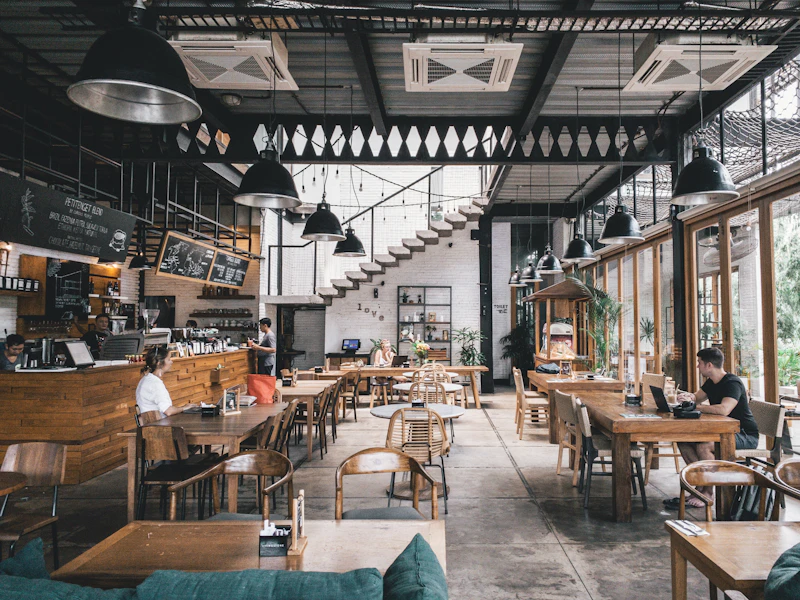
The restaurant itself is casual — tiled floors, simple seating, loud and busy — which is exactly the right environment for eating grilled meat and bread. No pretense, just good food.
Best for: Pure merguez experience, lunch, casual groups
Reservation tip: Walk-ins welcome; quieter before 12:30pm and after 2pm

What makes Casablanca exceptional is the consistency and the price point. AED 50 for a plate of merguez that would cost AED 70 at fancier venues reflects the restaurant's philosophy: feed the community well at reasonable prices. The merguez are smaller and less aggressively spiced than Sahara Lounge's, which can be better for first-timers or those cautious about heat.
Best for: Budget dining, Al Karama exploration, introductory merguez
Best time: Breakfast or lunch — peak dinner crowds are tight
This approach — merguez + yogurt sauce — is less traditionally North African but works brilliantly. The cooling yogurt contrasts with the spice; the garlic deepens the savory notes. Al Waha's merguez are slightly pricier than Sahara Lounge or Casablanca, but the plating and overall dining experience justify the difference.
Best for: Date nights, groups, elevated casual dining
Best for: Those wanting merguez in a more refined setting
The merguez here is elevated but still recognizable — it's not a reinterpretation, just a more luxurious expression of the same dish. Best approached as part of a multi-course meal rather than a standalone dish.
Best for: Special occasions, fine dining, wine pairings
Dress code: Smart casual; reservations recommended
This is destination dining — expect to pay accordingly, and expect an experience that extends beyond just the merguez.
Best for: Business dinners, special occasions, premium experience
Atmosphere: Upscale casual; excellent wine and cocktail list
The Merguez Spice Guide — What Makes It Different
Harissa: The Defining Spice
Harissa is the spice paste that gives merguez its identity. Made from dried chili peppers, garlic, coriander, caraway, and salt, harissa brings heat, depth, and a slight numbness (from the caraway) that is distinctly North African. In merguez, harissa is mixed directly into the meat during sausage-making, which distributes the flavor throughout. When you eat merguez, the heat hits immediately and lingers.
Beyond harissa, merguez relies on a constellation of spices that vary slightly between North African countries but generally include:
- Cumin: Adds warmth and earthiness. Cumin is often the second-most dominant spice after harissa.
- Coriander: Fresh, bright, slightly sweet. Balances the heat of harissa.
- Paprika: Contributes the red color and adds subtle sweetness and smoke.
- Aleppo pepper: A fruity, slightly smoky chili with moderate heat. More complex than cayenne.
- Ras el Hanout: In premium merguez, this "head of the shop" spice blend (containing up to 20 spices) is added for complexity. It includes clove, cinnamon, allspice, and nutmeg in trace amounts.
Merguez Ordering Guide
| Arabic/French Name | What It Is | Price in Dubai | Best Paired With | Best Venue |
|---|---|---|---|---|
| Merguez Mashwy | Grilled merguez, pure and simple | AED 55–80 | Warm bread, harissa | Sahara Lounge, Casablanca |
| Merguez bil Khubz | Merguez sandwich in bread | AED 30–45 | Pickled vegetables, harissa | Any grill restaurant |
| Merguez wa Couscous | Merguez with Tunisian/Algerian couscous | AED 70–110 | Broth, vegetables, harissa | Sahara Lounge, Casablanca |
| Merguez Tagine | Slow-cooked in Moroccan tagine | AED 75–120 | Couscous, preserved lemons | Dar Al Maghreb, Le Maghreb |
| Kefta | Ground spiced meat (similar flavor to merguez but formed as kebab) | AED 45–70 | Bread, salad, yogurt | Any Moroccan restaurant |
| Shish Taouk | Marinated grilled chicken (less spiced than merguez) | AED 50–75 | Bread, garlic sauce | Levantine restaurants |
| Adana Kebab | Turkish/Syrian spiced meat kebab (similar heat to merguez) | AED 50–80 | Bread, sumac, onion | Levantine/Turkish restaurants |
| Merguez Importée | Imported merguez from Morocco or Tunisia | AED 90–140 | Premium breads, house condiments | Le Maghreb, Dar Al Maghreb |
Merguez vs Other Middle Eastern Grilled Meats — What's the Difference?
Merguez
- Origin: North Africa (Algeria, Morocco, Tunisia)
- Meat: Lamb + beef blend, coarsely chopped
- Primary spice: Harissa (dominant)
- Heat level: High — unforgiving
- Texture: Coarse, slightly crumbly when cooked
- Use: Street food, breakfast, part of platters
Kofta (Arab)
- Origin: Levant, wider Middle East
- Meat: Lamb or beef, finely ground
- Primary spice: Cumin, allspice, mint
- Heat level: Mild to moderate
- Texture: Fine, compact, holds shape well
- Use: Formal grilling, restaurant dining
Shish Taouk
- Origin: Levantine (Syria, Lebanon)
- Meat: Chicken breast, cubed
- Primary spice: Garlic, paprika, sumac
- Heat level: Mild
- Texture: Tender, moist from marinade
- Use: Everyday dining, fast-casual
Adana Kebab
- Origin: Turkish/Syrian (Adana region)
- Meat: Beef + lamb, finely ground
- Primary spice: Red pepper flakes, cumin
- Heat level: Moderate-high
- Texture: Fine, compact, flat shape
- Use: Grill restaurants, evening dining
Why merguez stands apart: It's the only one in this lineup that comes as a sausage (encased meat) rather than shaped by hand. The coarse chop preserves texture; harissa as the primary spice makes it distinct from the cumin-and-allspice profile of Arab kofta; and the heat level is intentionally high and uncompromising. Merguez is the most aggressive flavor experience among North African grilled meats.
The Al Karama Merguez Trail
Casablanca Restaurant
Start at Casablanca for the classic merguez experience — this is where locals begin. Order a plate of grilled merguez, eat standing up or at a tiled table, and understand what merguez should taste like at its simplest. 15 minutes.
MemAluya (North African Pastries)
Walk south into the dense part of Al Karama and find MemAluya, a cramped pastry shop serving Tunisian and Algerian baked goods. Their merguez-stuffed pastries and savory spinach pastries complement the grilled merguez you just ate. 10 minutes.
Karama Spice Market
Continue to the spice vendors in central Al Karama (near the post office). This is where North African cooks buy their harissa, ras el hanout, and paprika. You can purchase whole harissa peppers and spice blends to make merguez at home. 20 minutes.
Al Reef Bakery (Algerian Bread)
End at Al Reef Bakery, where Algerian khobz (traditional bread) is baked fresh multiple times daily. The bread is what merguez is meant to be eaten with — soft, warm, absorbent. Buy a loaf warm from the oven. This circuit takes 1.5–2 hours total and costs under AED 80.
Frequently Asked Questions
