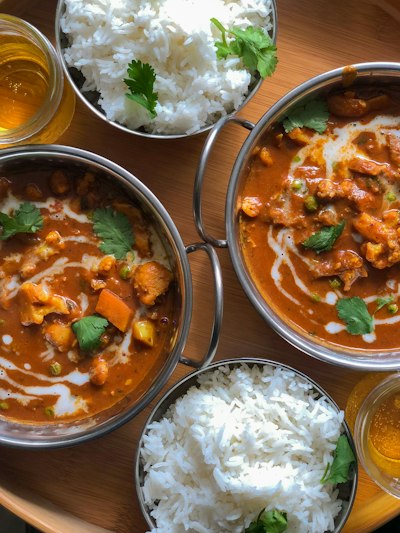
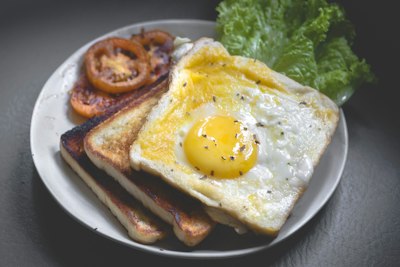
The Emirati breakfast table is one of the most beautiful food traditions in the Gulf — a generous, unhurried spread of sweet and savoury dishes that reflects a culture in which hospitality is not a gesture but a deeply held value. At its best, eating an Emirati breakfast in Dubai feels like receiving a gift: the warm khameer bread still steaming from the oven, the balaleet glowing with saffron, the dates and honey laid out with quiet care, the gahwa coffee perfuming the whole table with cardamom.
Finding it requires knowing where to look. This guide covers every serious Emirati breakfast spot in the city, with precise ordering advice, price guides, and the honest verdict on what's worth the trip and what's worth skipping.
Best time to eat Emirati breakfast in Dubai: October to April, when the mornings are cool and courtyard seating is heavenly. The heritage spots in Al Fahidi are most magical before 9am. In summer, go early or go late (after the sun's peak intensity) — or take a table indoors.
The Essential Emirati Breakfast Dishes
Before the restaurant guide, a primer on what you're looking for. An Emirati breakfast at its traditional best comprises some combination of these dishes:
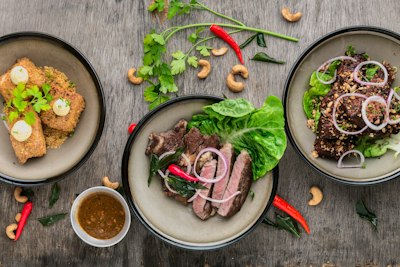
Balaleet
Sweet saffron vermicelli with fried egg. The morning dish that perfectly captures Emirati sweet-savoury duality.
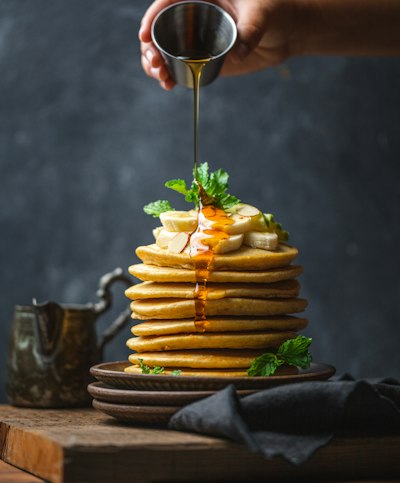
Khameer
Saffron-tinged leavened flatbread, fresh from the oven, eaten with date syrup and cream.
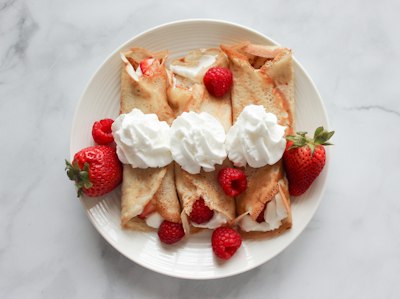
Chebab
Thin saffron pancakes with date syrup or Nutella and cream. Logma's version is iconic.
Regag
Paper-thin crispy flatbread with eggs and cheese. A phenomenal texture contrast and tremendous flavour.
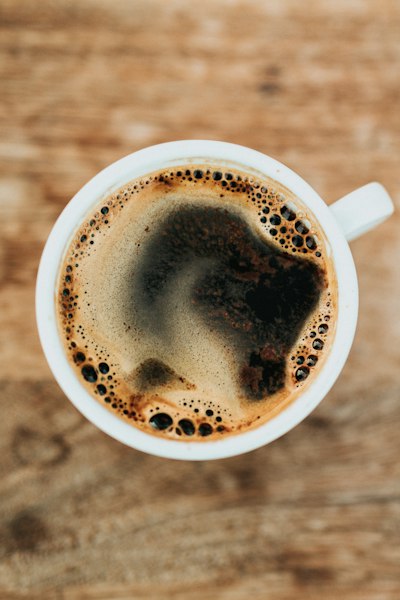
Gahwa
Emirati coffee: pale, unsweetened, perfumed with cardamom and rosewater. Served with dates.
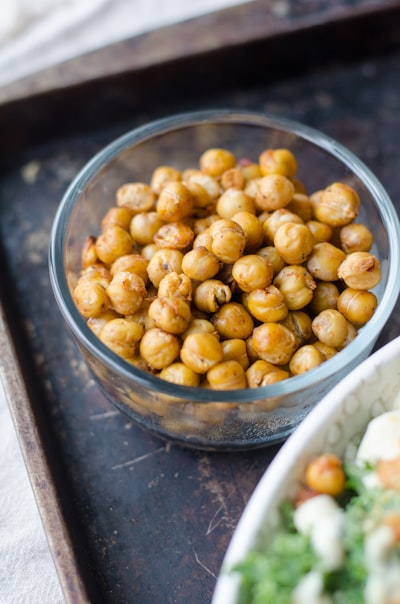
Dates & Honey
Premium Emirati dates alongside local honey and cream. The centrepiece of any proper breakfast table.
Where to Eat Emirati Breakfast in Dubai
Arabian Tea House
In a restored coral-stone courtyard house in Al Fahidi — Dubai's oldest surviving neighbourhood — Arabian Tea House serves the most beautiful Emirati breakfast in the city. The setting does extraordinary work: bougainvillea over sand-coloured walls, wooden wind-towers, the cool quiet of a heritage district that has somehow survived the surrounding cityscape. But the food earns its own place. The Emirati Breakfast Board (AED 75) includes khameer bread, balaleet, regag with eggs, fresh dates, local honey, and a pot of chai — it arrives looking like a magazine shoot and tastes like someone's grandmother made it.
Arrive before 9am. The outdoor courtyard tables fill quickly on cooler mornings, and after 10am the area fills with tour groups. Weekday mornings are notably calmer. The regag alone — crispy, paper-thin, made to order at a small griddle station — is worth the journey.
Must Order
- Emirati Breakfast Board AED 75
- Regag with Eggs & Cheese AED 44
- Karak Chai AED 14
- Fresh Dates with Cream AED 28
Logma
Logma's breakfast menu is the reason half of Dubai discovered Emirati food in the last decade. The chebab pancakes (AED 42) — saffron-yellow, thin, slightly crispy at the edges — are one of the defining dishes of contemporary Dubai dining: traditional Emirati form, playfully updated with Nutella, date cream, or the excellent combination of both. The khameer bread is baked fresh each morning and typically sells out by 10am; arrive early or go without. The karak chai is strong and sweet and exactly what you want alongside it.
The Boxpark original remains the best branch — the outdoor seating in good weather is ideal, the buzz is excellent, and the walk afterwards along the Safa Park side gives you a surprisingly green corner of the city. The JBR branch works well if you're staying in the Marina area. Multiple branches now, all maintaining quality well.
Must Order
- Chebab Pancakes (Nutella + Date Cream) AED 42
- Khameer Bread with Date Syrup AED 22
- Balaleet AED 52
- Karak Chai AED 12
Al Fanar Restaurant & Café — Breakfast
Al Fanar is better known for lunch and dinner — the full machboos and harees experience — but its breakfast service is worth knowing about. The Emirati breakfast plate (AED 85) is comprehensive: balaleet, regag, khameer bread, assorted dates and fresh fruit, and gahwa coffee served in traditional finjan cups with appropriate ceremony. The 1960s fishing village décor creates the same immersive atmosphere at 8am as it does at 8pm. Less crowded in the mornings than at dinner; a more relaxed way to experience the restaurant if you haven't been before.
Must Order
- Al Fanar Emirati Breakfast Plate AED 85
- Gahwa Coffee Set AED 22
- Luqaimat (breakfast portion) AED 35
Emirati Breakfast: Practical Tips
Go early. The best Emirati breakfast spots in Dubai serve morning items — especially fresh-baked khameer and regag — that sell out before 10am. Arriving at 8am is not excessive; it is simply correct.
Order the board, not individual items. Most Emirati breakfast spots offer a full spread at a price that represents good value compared to ordering individual items. The boards are sized for sharing and create the full experience of the Emirati table.
Don't rush the gahwa. Emirati coffee is drunk slowly, in multiple small cups, between mouthfuls of date and unhurried conversation. Order it at the beginning and let it run through the meal. It is not espresso; it is not meant to wake you up with a single hit. It is meant to be savoured.
During Ramadan: The suhoor meal (pre-dawn, before the fast begins) is when Emirati breakfast culture is at its most vivid. Hotel lobbies and heritage restaurants serve elaborate early-morning spreads throughout Ramadan — check Al Fanar and Rimal Café for their Ramadan suhoor programmes.

Emirati Breakfast FAQ
What is a typical Emirati breakfast?
A traditional Emirati breakfast typically includes balaleet (sweet saffron vermicelli with egg), khameer (saffron flatbread), regag (crispy thin flatbread with egg and cheese), chebab (saffron pancakes), fresh dates, honey, and gahwa (Emirati Arabic coffee) or karak chai.
Is Emirati breakfast sweet or savoury?
Both. The great genius of Emirati breakfast culture is the interplay between sweet and savoury — balaleet combines sweet vermicelli with a fried egg; regag is savoury on its own but eaten with honey; khameer can be served either way. The table is a study in balance.
What is the best area for Emirati breakfast in Dubai?
Al Fahidi in Bur Dubai for the most atmospheric experience (Arabian Tea House). Boxpark / Al Wasl for the most contemporary take (Logma). Festival City for the full heritage dining room experience (Al Fanar).
How much does an Emirati breakfast cost?
A full Emirati breakfast with drinks costs AED 50–90 per person at most spots. Logma is at the lower end (AED 40–70); Al Fanar is at the higher end (AED 70–100). Arabian Tea House sits in the middle at AED 50–80 per person.