
Georgia is the world's oldest wine-producing country — a claim backed by 8,000-year-old grape seeds and clay vessels found in archaeological sites near Tbilisi. While French winemakers were still foraging berries, Georgians had already developed a complete wine culture built around a unique technology: the Qvevri, a large clay amphora buried underground, used to ferment and age wine in direct contact with grape skins and seeds for months. The result is amber or orange wine — neither white nor red, with a character unlike anything produced by conventional winemaking.
Dubai's Georgian restaurant scene has brought some of these extraordinary wines to the UAE, and the natural wine movement — which has elevated Georgian Qvevri wines to cult status among sommeliers worldwide — has helped create real demand. Whether you're a wine enthusiast or simply someone who wants to drink something more interesting with your khachapuri, this is your complete guide to Georgian wine in Dubai.
What is Qvevri Wine? The Georgian Method Explained
A Qvevri (also spelled Kvevri) is a large clay vessel, sealed with beeswax inside, buried up to the neck in the ground of a winery or marani (wine cellar). Crushed grapes — including skins, seeds, and stems for amber wine — are placed inside and sealed. The constant underground temperature (around 14°C year-round) creates ideal fermentation conditions without electricity, refrigeration, or added chemicals.
For amber wines made from white grapes, the extended skin contact (typically 3–6 months) extracts tannins, colour, and complex phenolics that give the wine its characteristic amber hue and tea-like, dried-fruit, nutty character. This is categorically different from regular white wine, which is fermented without skin contact. It is also different from commercially produced "orange wine" — the Qvevri method produces unique flavours that synthetic skin-contact wines can't replicate.
The result is a wine that pairs extraordinarily well with food — especially the rich, herb-laden, walnut-saturated cuisine of Georgia. When you drink Qvevri wine with khachapuri or satsivi chicken, you understand why these two things evolved together over 8,000 years.
The Essential Georgian Wine Varieties
Rkatsiteli (Qvevri)
The most important amber wine of Georgia. Six months on skins in Qvevri produces a deep amber colour, dried apricot, walnut, chamomile, and a long tannic finish. Not sweet — complex and savoury.
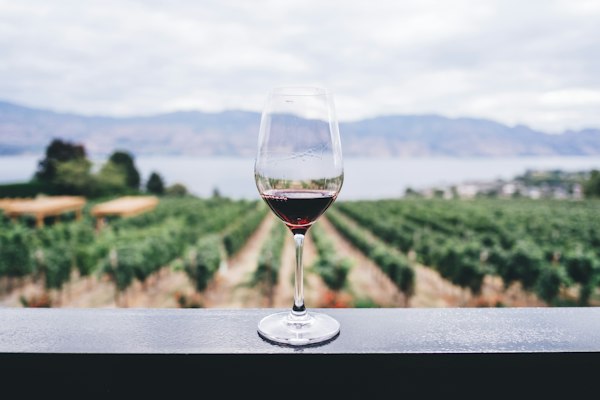
Saperavi
Georgia's flagship red — one of only a handful of grape varieties with red flesh (not just red skin), producing exceptionally deep, inky wine with blackberry, violet, dark plum, and iron notes.
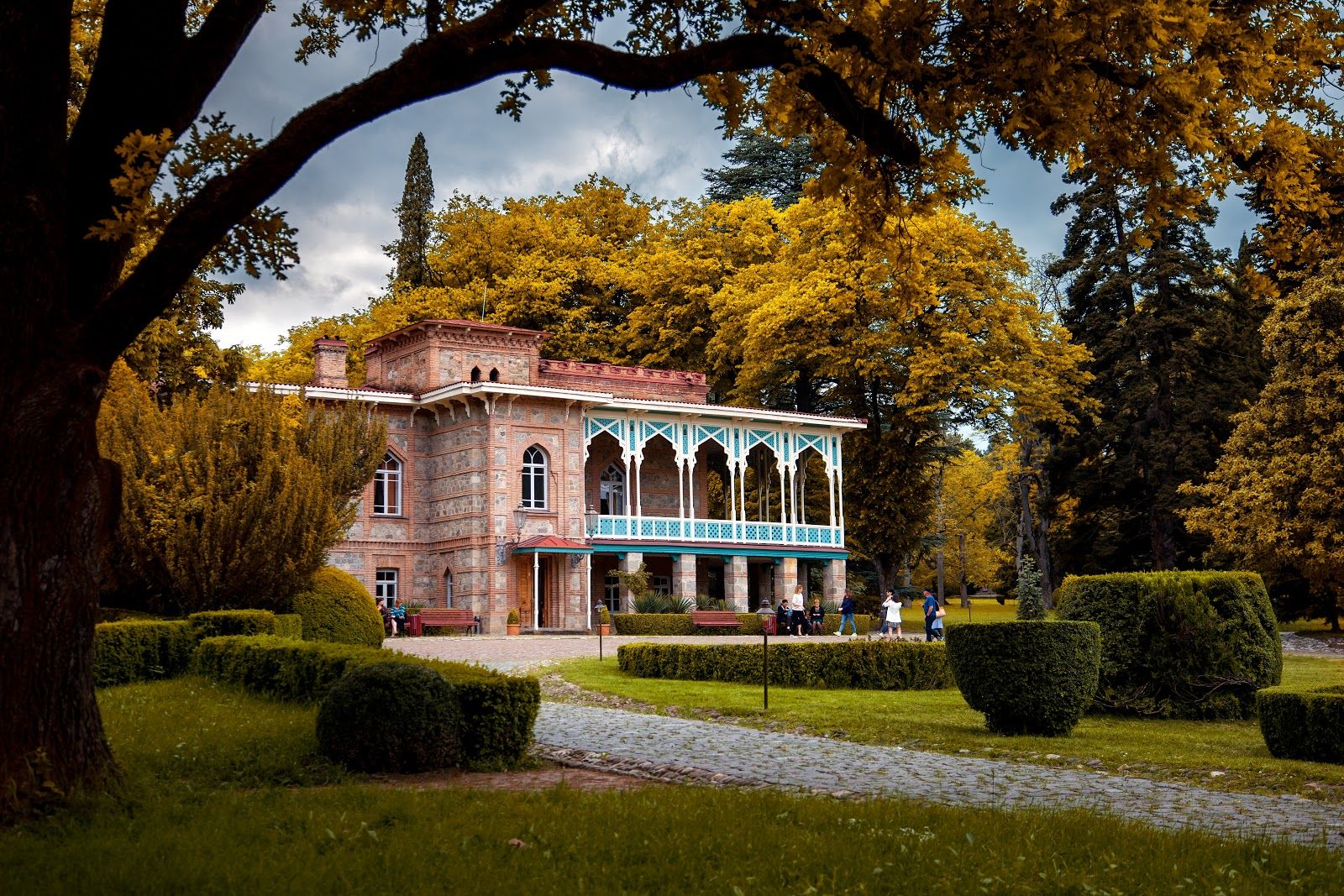
Tsinandali
Georgia's classic dry white blend — conventionally produced (no skin contact), light, citrusy, with pear and apple notes. The easy-drinking Georgian white. Perfect for those new to Georgian wine.
Kindzmarauli
Naturally semi-sweet red wine from the Kindzmarauli microzone — residual sugar from the highest-altitude Saperavi vineyards. Rich, velvety, black cherry and dark fruit. The Georgian "house wine" for celebrations.
Mtsvane
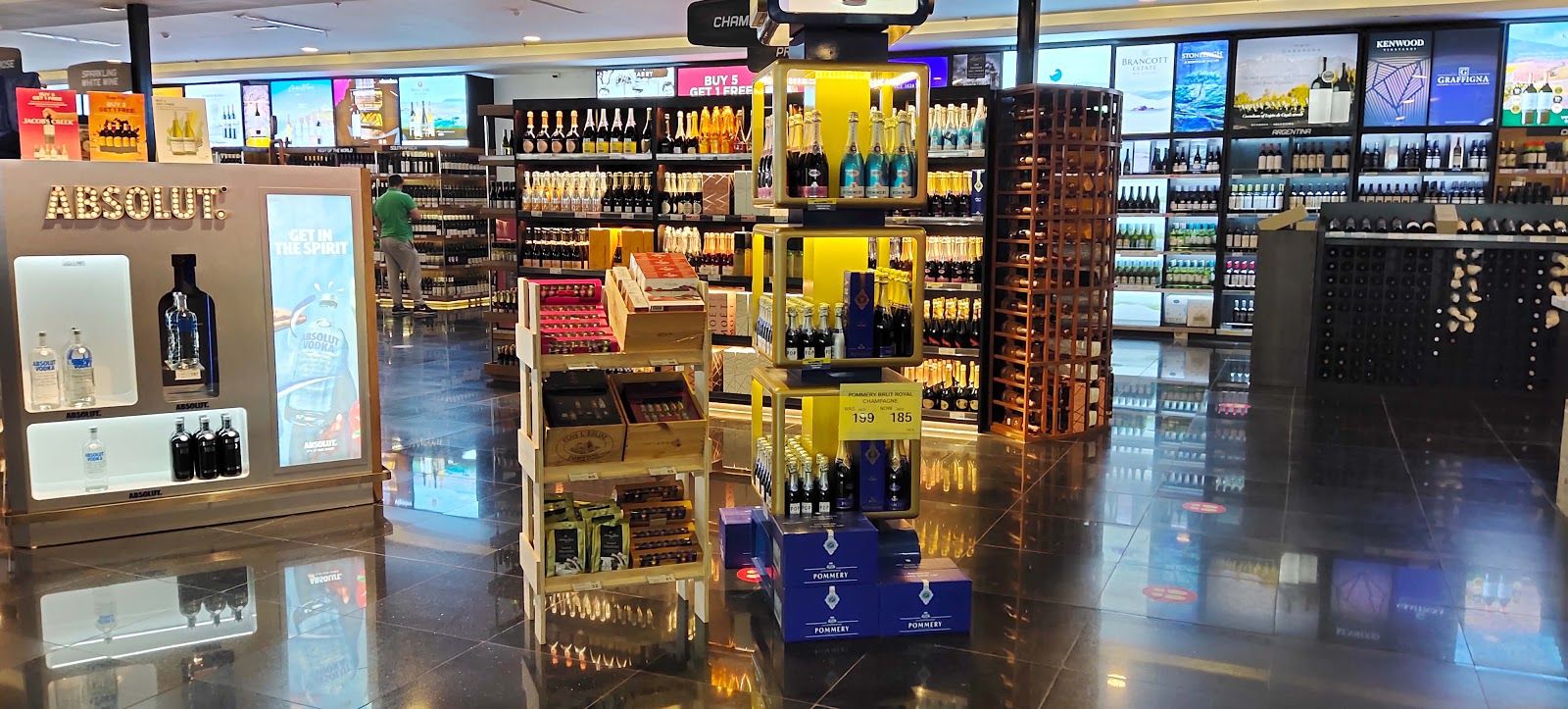
An underrated white variety with more body and aromatic complexity than Rkatsiteli — floral, honeyed, with good acidity. Excellent in both conventional and Qvevri styles.
Alaverdi Monastery
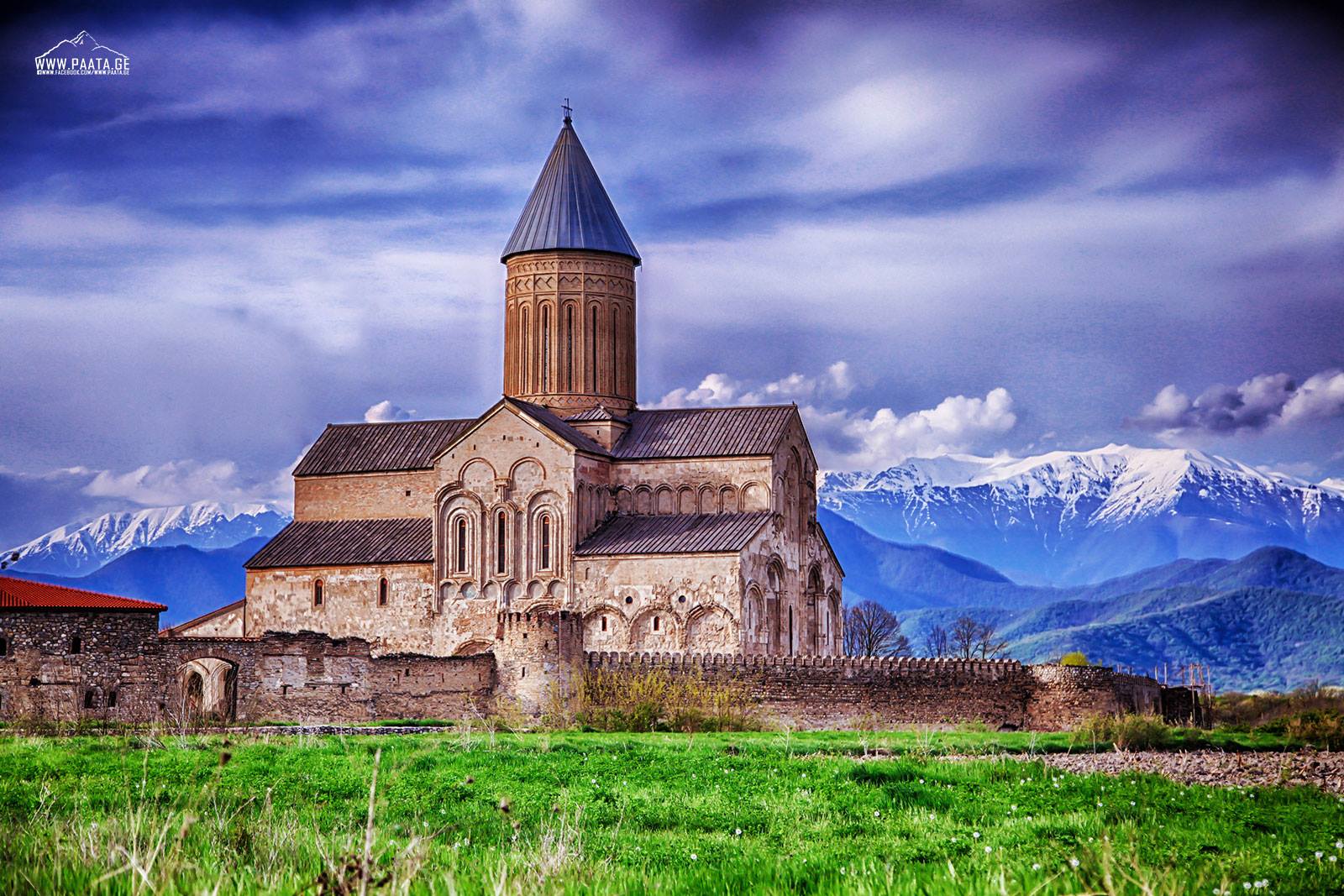
The most prestigious Qvevri producer in Georgia — wines made by monks at the ancient Alaverdi cathedral since the 11th century. Long skin-contact amber wine with extraordinary complexity. Rare and expensive.
Georgian Wine Regions — What to Know
Georgia's Wine Regions — Dubai's Available Selections
Kakheti
Eastern Georgia's premium wine region — produces 70% of Georgian wine. Home to the best Saperavi reds, top Rkatsiteli Qvevri ambers, and Tsinandali whites. Telavi is the regional capital and wine tourism hub.
Racha-Lechkhumi
High mountain region producing naturally semi-sweet wines due to altitude and grape ripeness — Kindzmarauli and Khvanchkara reds. Georgia's most celebrated sweet wines come from here.
Kartli
Central Georgia around Gori and Tbilisi — lighter, more aromatic wines than Kakheti. Chinuri white and Shavkapito red are the signature varieties. Less well known but worth seeking out.
Imereti
Western Georgia's wine region — same Qvevri tradition as Kakheti but typically shorter skin contact (less than Kakheti). The Tsolikouri grape produces distinctive amber wines with less tannin than eastern varieties.
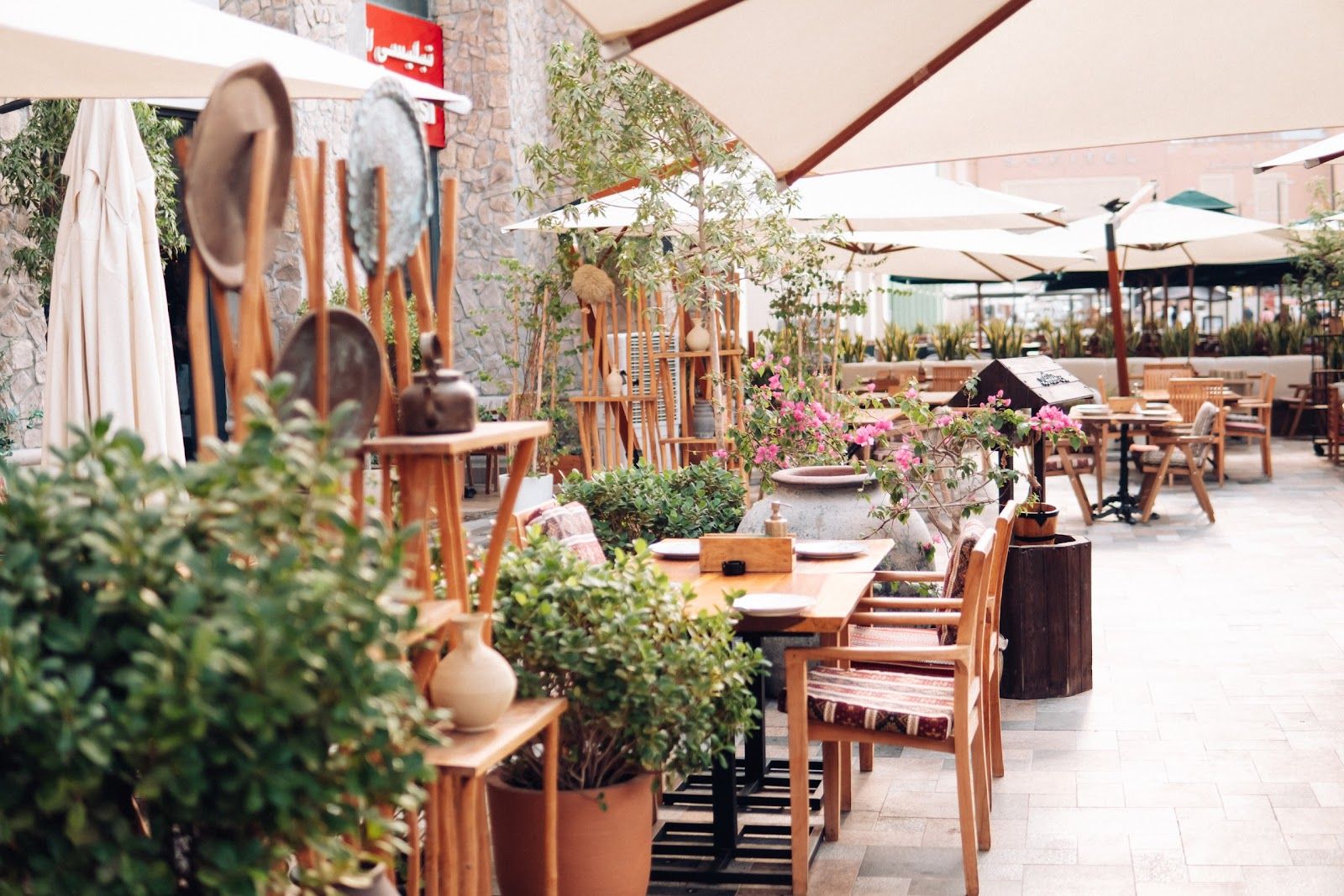
Where to Drink Georgian Wine in Dubai

Georgian Wine & Food Pairing Guide
| Georgian Wine | Character | Best Food Pairings | Where to Find in Dubai |
|---|---|---|---|
| Rkatsiteli Qvevri (Amber) | Amber, tannic, dried fruit, walnut, tea-like | Khachapuri, satsivi, pkhali, walnut dishes, cheese | Kakheti Wine House, Tbilisi, Sakartvelo |
| Saperavi (Dry Red) | Deep inky red, blackberry, violet, iron, full-bodied | Mtsvadi, kharcho, roast lamb, aged suluguni | All Georgian restaurants |
| Tsinandali (White) | Light, crisp, pear, apple, good acidity | Lighter starters, lobiani, fish dishes | All Georgian restaurants |
| Kindzmarauli (Semi-Sweet Red) | Velvety, black cherry, dark fruit, gentle sweetness | Satsivi, gozinaki, churchkhela, walnut desserts | Tbilisi, Sakartvelo, Mimino |
| Mtsvane (White) | Floral, honey, medium body, good aromatic complexity | Khinkali (cheese/mushroom), pkhali, herb salads | Kakheti Wine House, Tbilisi |
| Alaverdi Qvevri (Premium Amber) | Complex, savoury, deep amber, aged tannins | Full Georgian supra feast, every dish | Kakheti Wine House, Tbilisi (when available) |
Georgian Wine Dubai — FAQ
Is Georgian wine available to buy in Dubai?
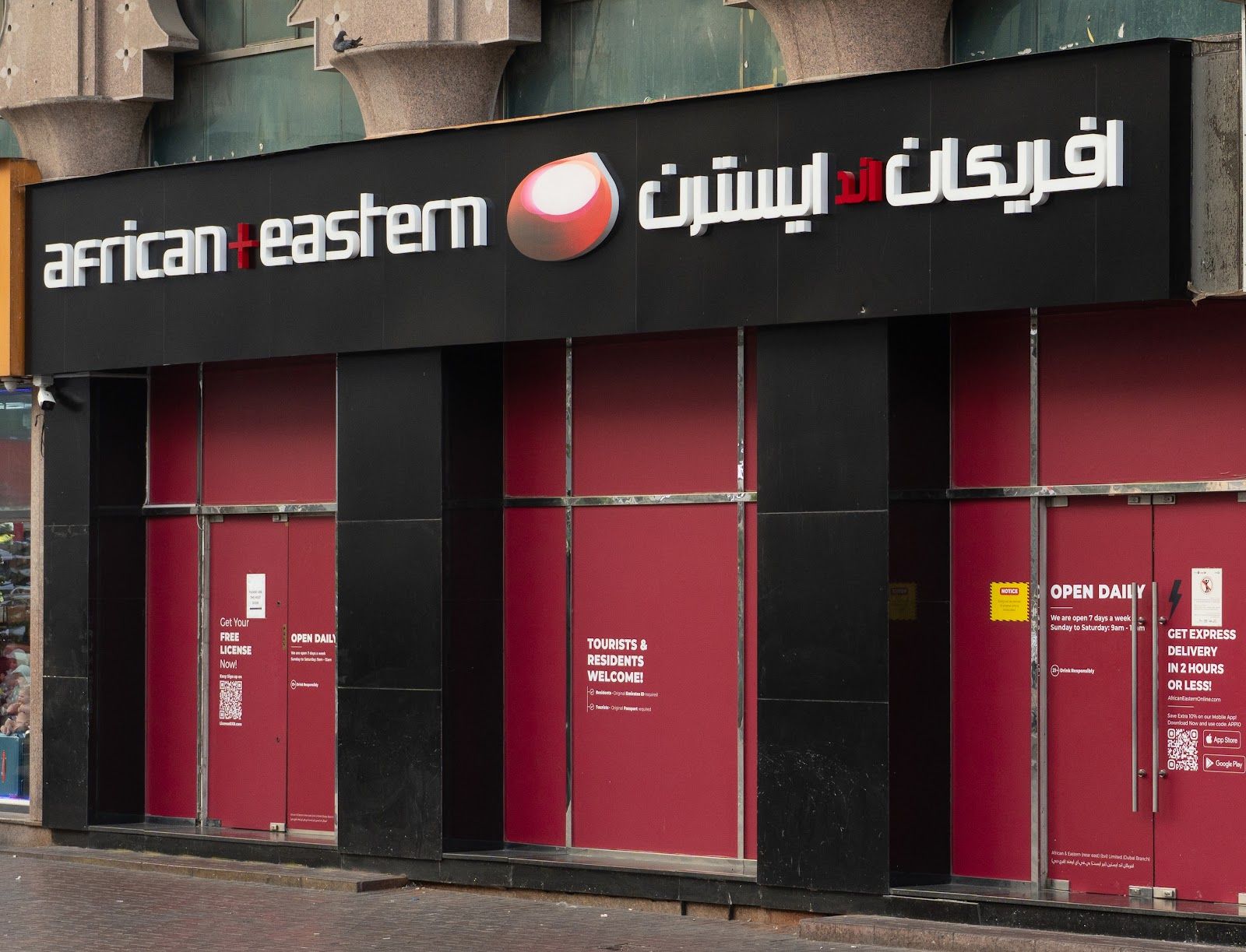
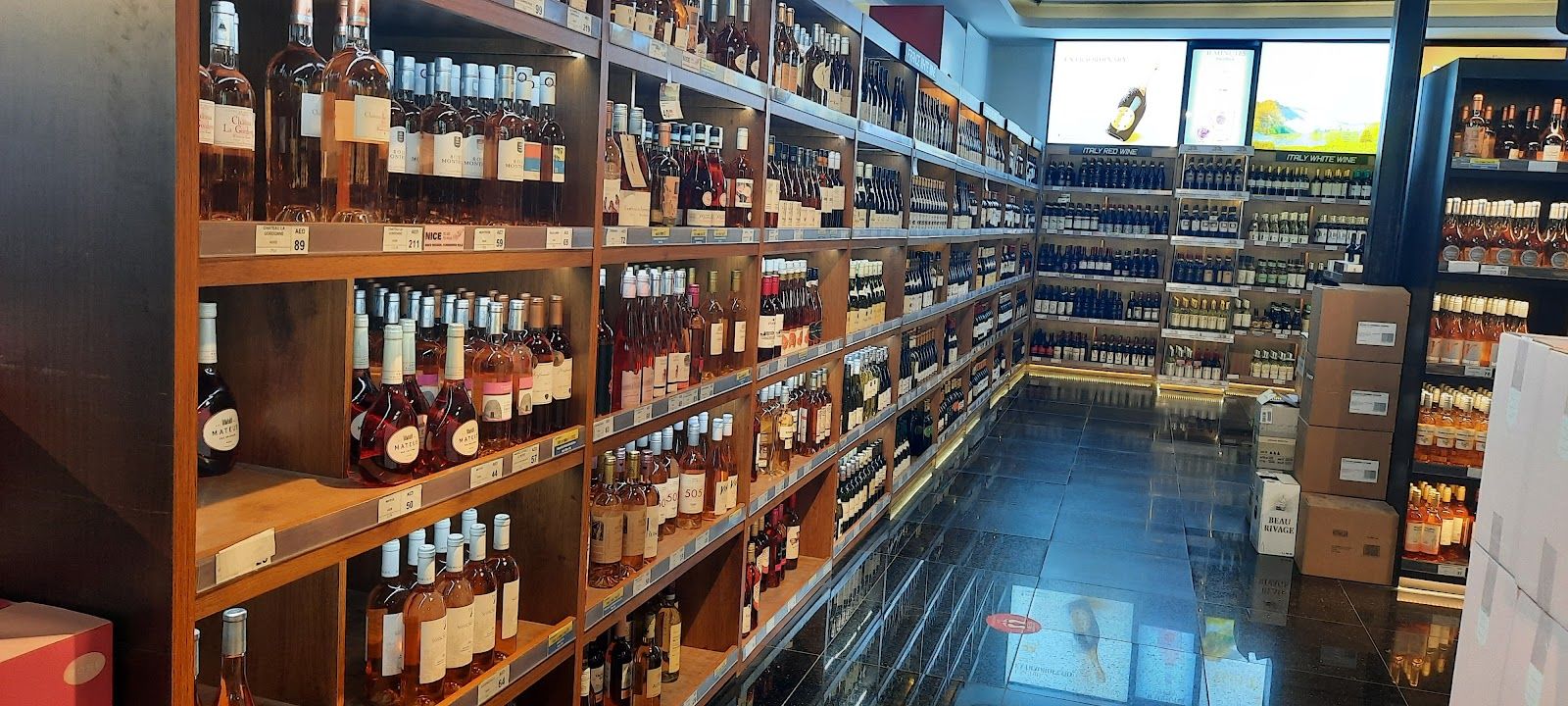
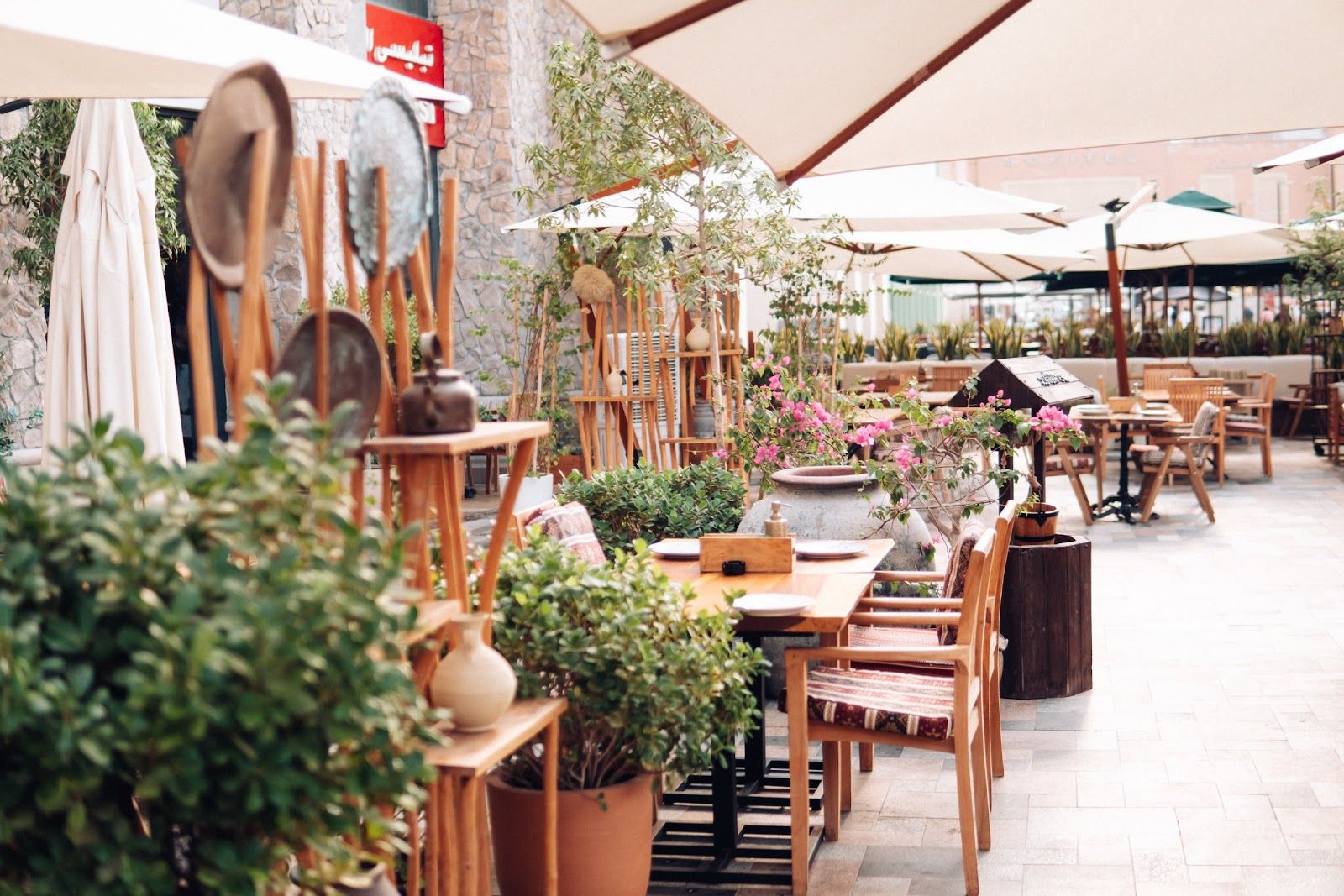
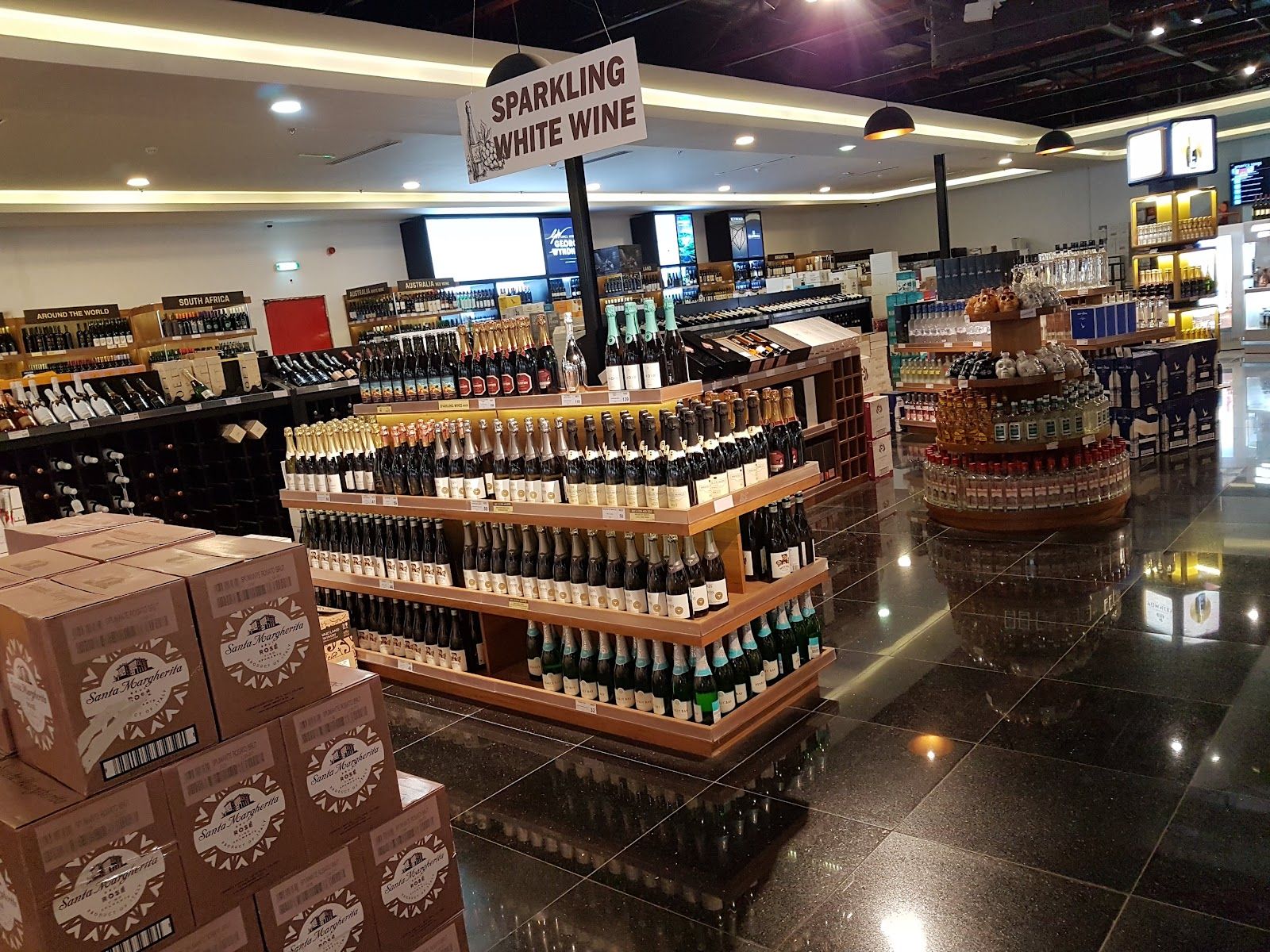
Yes — licensed wine shops and restaurants sell Georgian wine in Dubai. MMI (African + Eastern) and A&E wine shops carry Georgian labels including Marani, Telavi Wine Cellar, and occasionally Pheasant's Tears natural wines. Specialist wine bars like Kakheti Wine House have the widest selection.
What is orange wine and why is it Georgian?
Orange wine is white wine made with extended skin contact — the grape skins remain in contact with the fermenting juice for weeks or months (unlike normal white wine where they're removed immediately). This technique originated in Georgia with the Qvevri method and has been practiced there for 8,000 years. The "orange wine" trend in natural wine circles is essentially a rediscovery of ancient Georgian winemaking.
How do Georgian wines compare to French or Italian wines?
They're genuinely different categories. Georgian wines — especially Qvevri ambers — have no direct equivalent in European wine traditions. Saperavi red can be compared broadly to Shiraz (Australian) or Malbec (Argentinian) in terms of depth and fruit profile. Tsinandali is closest to a light Italian white like Pinot Grigio. But the best Georgian wines are unique enough that comparisons are limiting.
What is the most popular Georgian wine in Dubai?
Kindzmarauli semi-sweet red is the most ordered at Georgian restaurants — it's approachable, food-friendly, and pleasantly sweet without being syrupy. Among wine enthusiasts, Rkatsiteli Qvevri amber from Pheasant's Tears or Alaverdi has become a cult favourite. Saperavi remains the most internationally recognised Georgian red.
Can I drink Georgian wine if I don't usually drink wine?
Yes — Kindzmarauli's gentle sweetness makes it very approachable for wine beginners. Georgian wine culture also has a tradition of ceremonial toasting with small amounts rather than sustained drinking, so you can participate in the social ritual without committing to a full glass.
→ Georgian Food Dubai — Complete Guide