🌾 Uzbek Food Dubai — Complete Guide
There is a particular pleasure in watching a Lagman cook pull noodles. A single lump of wheat dough, stretched and folded repeatedly until it becomes metres of continuous hand-pulled noodles. Dropped into lamb broth, they absorb the flavour differently from any factory-made pasta — chewier, more yielding, with a texture that holds its own against the rich braised meat and vegetables. Dubai has a handful of places that do this properly.
What Is Lagman?
Lagman is one of the defining dishes of Central Asia, found across Uzbekistan, Kyrgyzstan, Kazakhstan, Tajikistan, and among Uyghur communities in western China. The name likely derives from the Chinese "lamian" (hand-pulled noodles) — evidence of the Silk Road food exchange that shaped this entire region's cuisine.
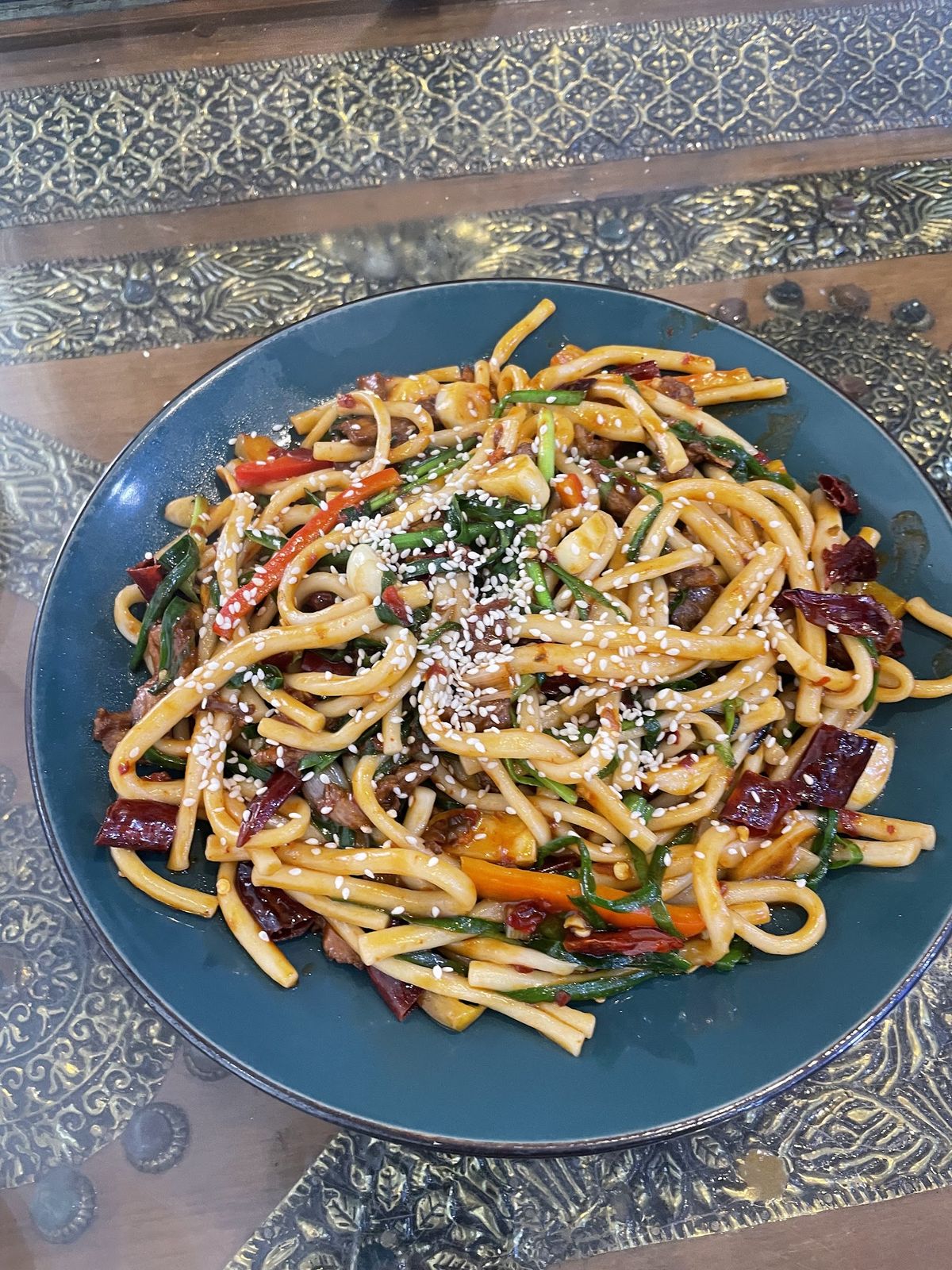
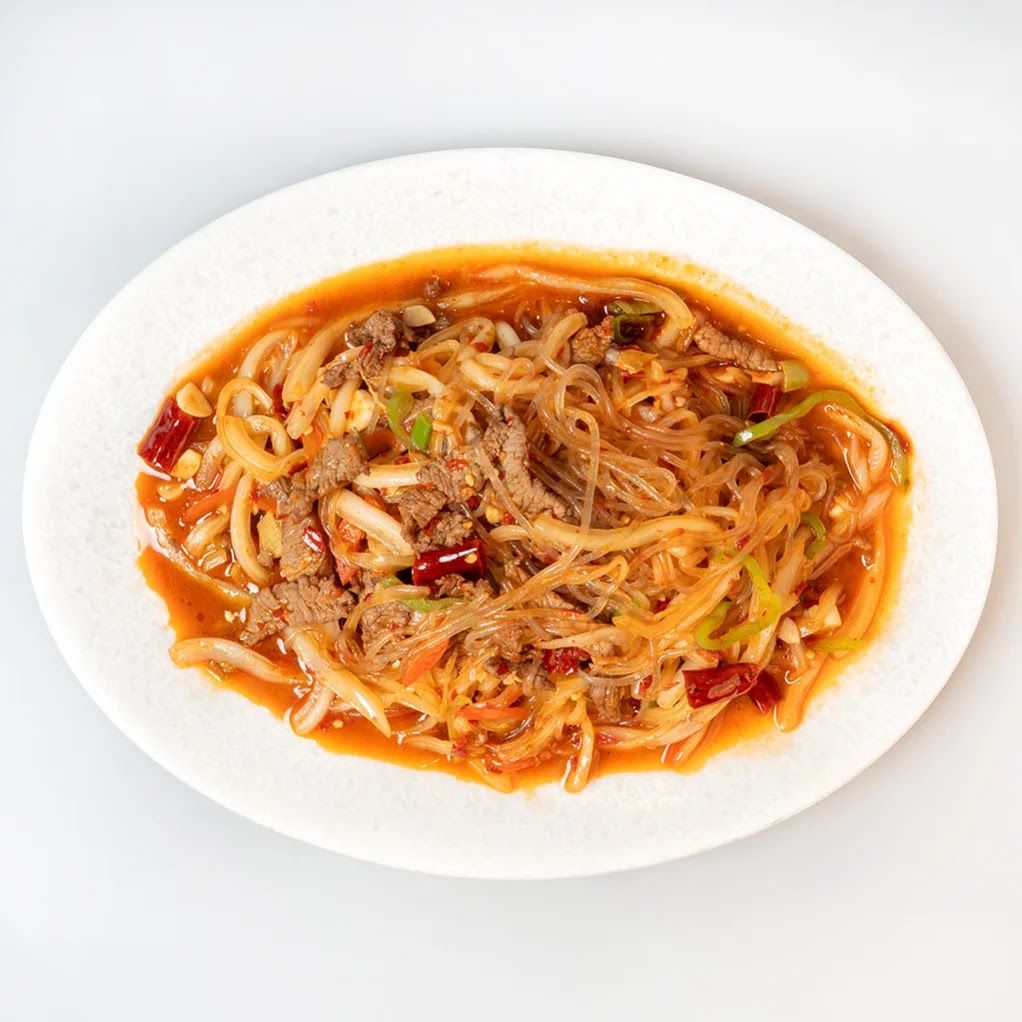
The dish has two main forms: Suyuq Lagman (soup version) — noodles in a rich, clear lamb or beef broth with vegetables, meat, and a ladleful of spiced oil poured over at service; and Qovurma Lagman (stir-fried version) — the same noodles tossed in a hot wok with the same ingredients in a reduced, saucier form. Both are excellent. Both tell you something important about what Silk Road cuisine actually tasted like.
Where to Eat Lagman in Dubai
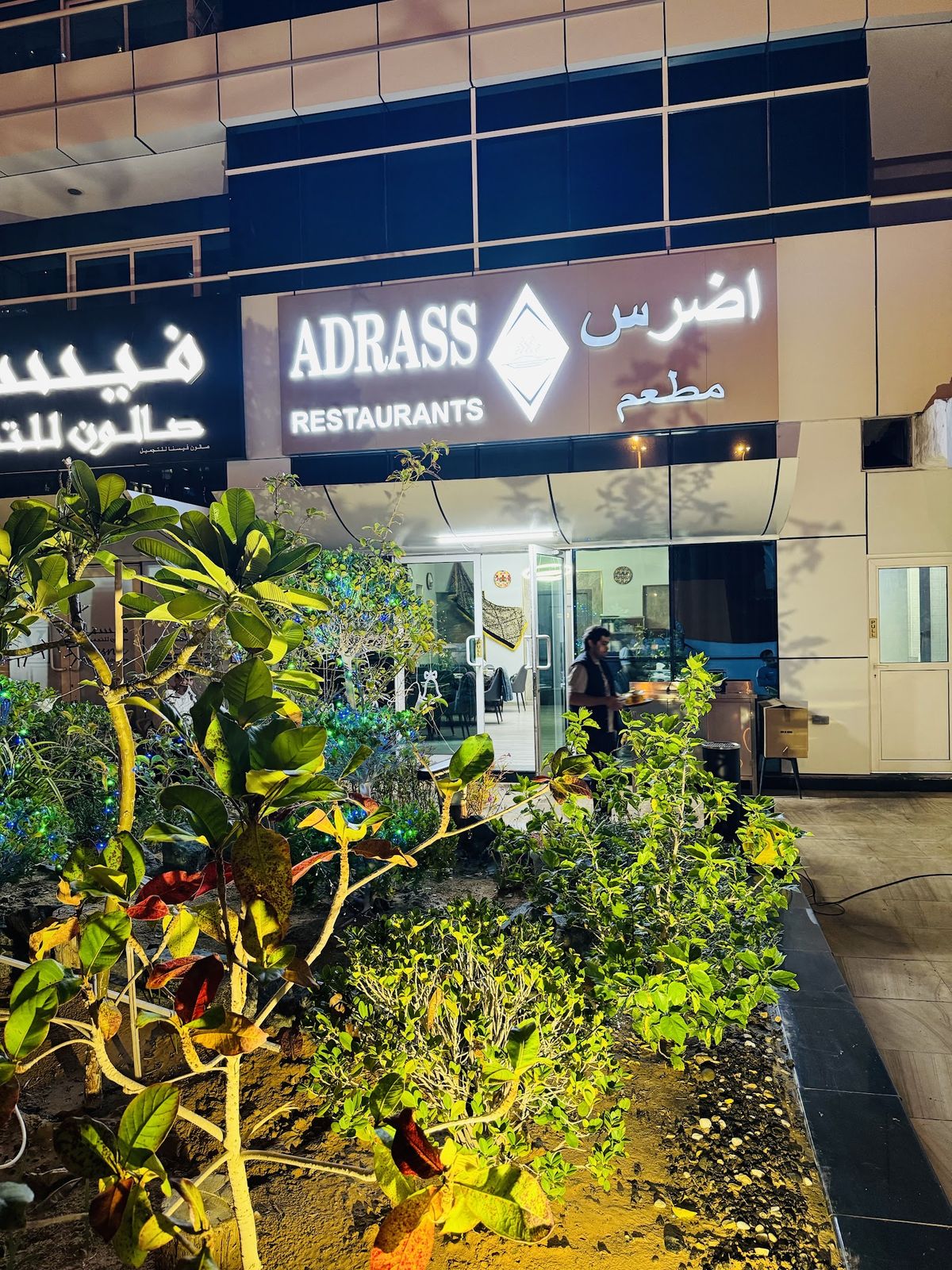
Adrass — Al Barsha (Best Overall)
Adrass serves what we consider the benchmark Lagman in Dubai. The noodles are made fresh daily, hand-pulled to an even, slightly thick rope. They arrive in a clear broth that has been built over several hours with lamb bones, onion, and cumin — subtly smoky and deeply savoury. Over the top comes a ladle of warm spiced oil with chilli and garlic that transforms the bowl as it incorporates. The lamb pieces are fall-off-the-bone tender. At AED 38, it is extraordinary value.
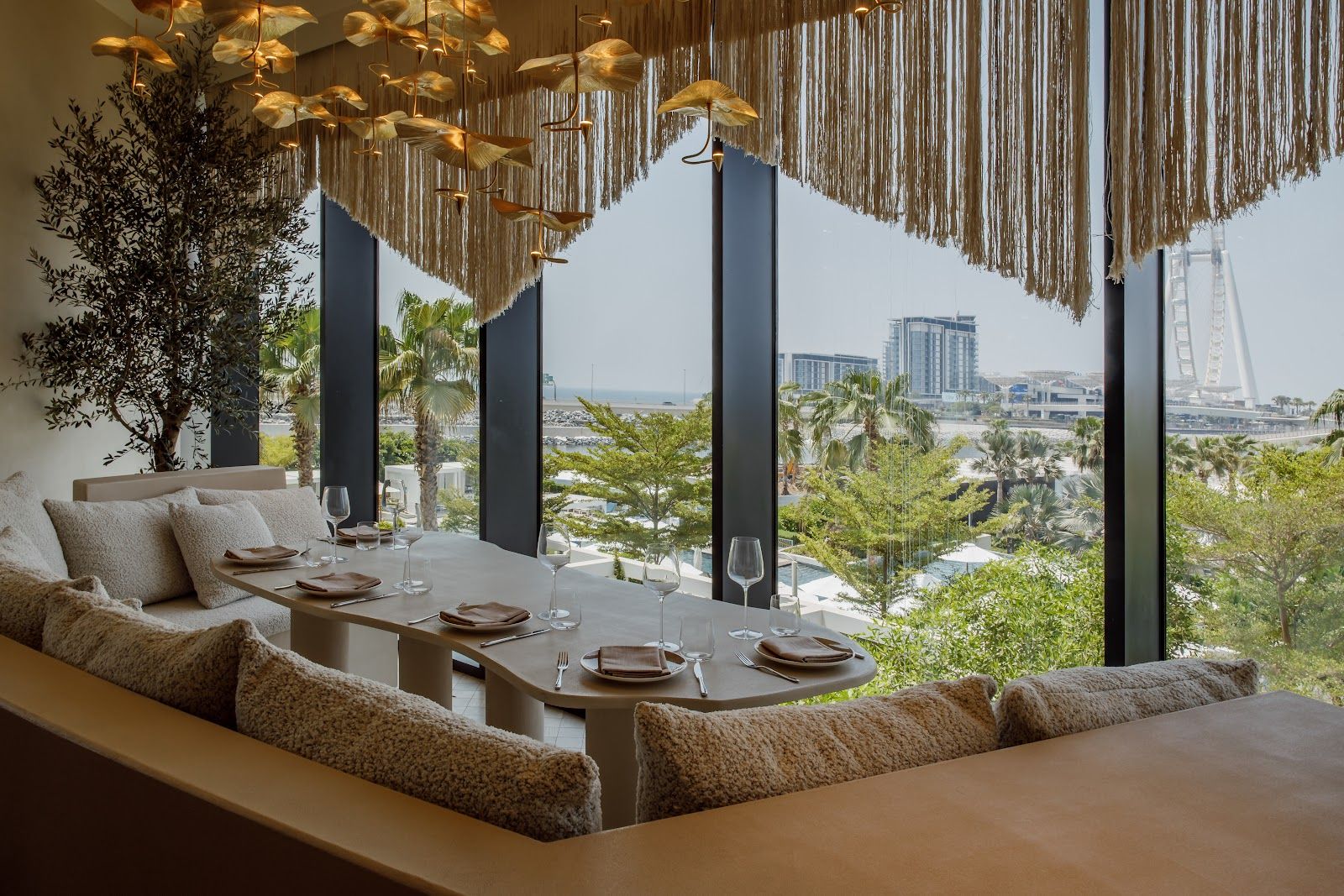
OSH Del Mar — JBR (Best Elevated)
OSH Del Mar's Lagman is a more refined interpretation — the broth is clearer, more precisely seasoned, the noodles have a slightly refined pull, and the garnish includes fresh herbs and a swirl of chilli oil that gives it elegant heat. It costs more than twice the Al Barsha version but the beachside setting, attentive service, and wine list justify the premium on a special occasion. The stir-fried Qovurma Lagman here is also excellent — smoky from the wok with a complex sauce.
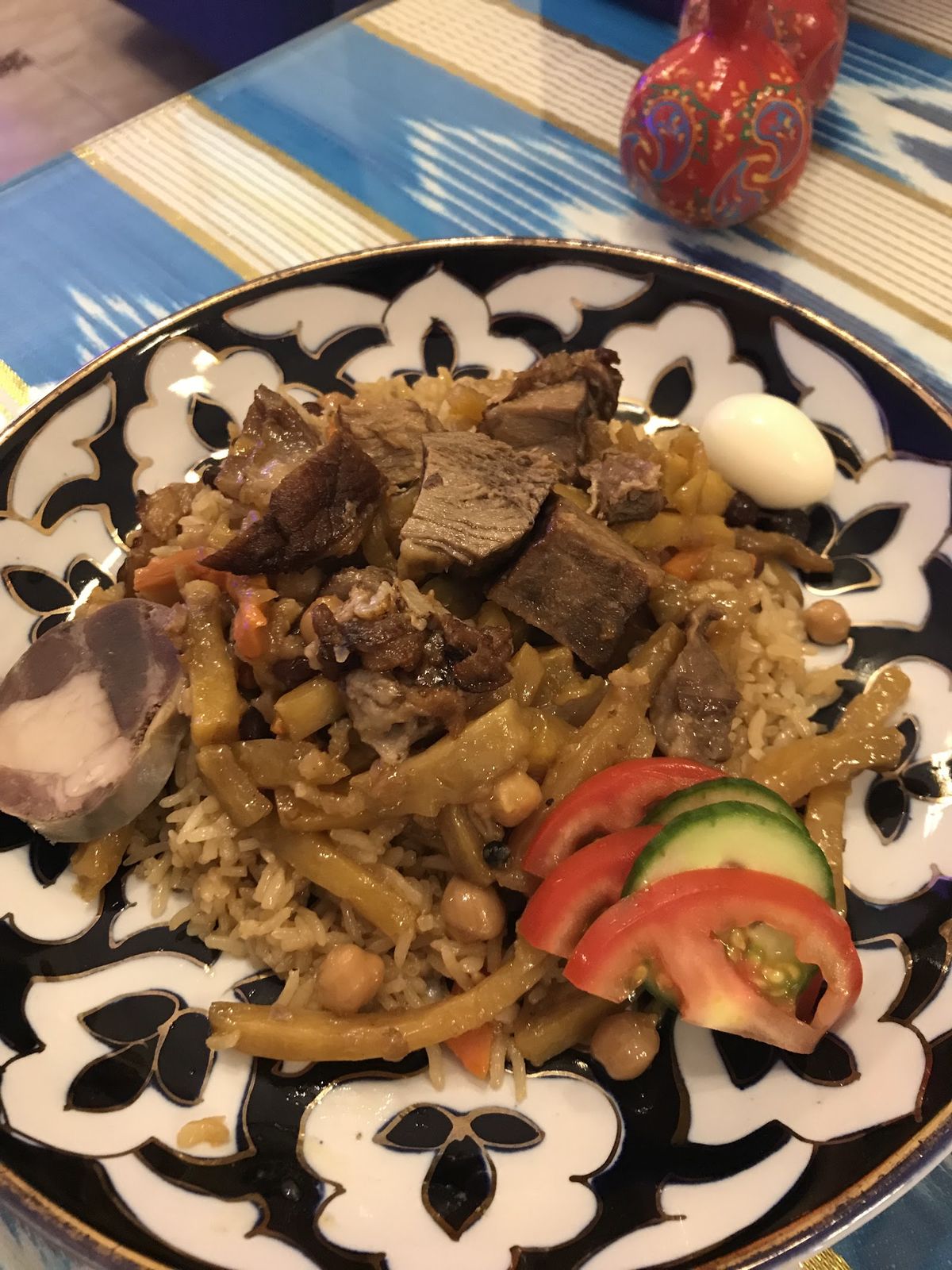
Plov House — JLT (Best Budget)
While Plov House's name gives away its primary obsession, the Lagman here is quietly brilliant. Noodles are made fresh each morning, and the broth is a proper lamb-bone affair seasoned with cumin, coriander, and black pepper. At AED 35 for a bowl that could honestly feed a hungry adult twice over, it's the best Lagman bargain in Dubai. The JLT location makes it convenient for the large Central Asian expat community working in the nearby towers.

Types of Lagman to Know
Lagman Varieties in Dubai
How Lagman Noodles Are Made
Hand-pulling Lagman noodles is a skill that takes years to master. A good Lagman cook begins with a simple wheat flour dough, relaxed in oil for an hour until extensible. The dough is then stretched by hand in a series of loops — held at both ends, swung in a figure-eight motion, folded back, and repeated — until a single unbroken strand of noodle metres long is produced. This process creates the distinctive slightly uneven, chewy texture that factory noodles cannot replicate.
The best Uzbek restaurants in Dubai still do this by hand daily. If you can see the kitchen, watch for it — it's one of the most quietly mesmerising things in any restaurant in the city.
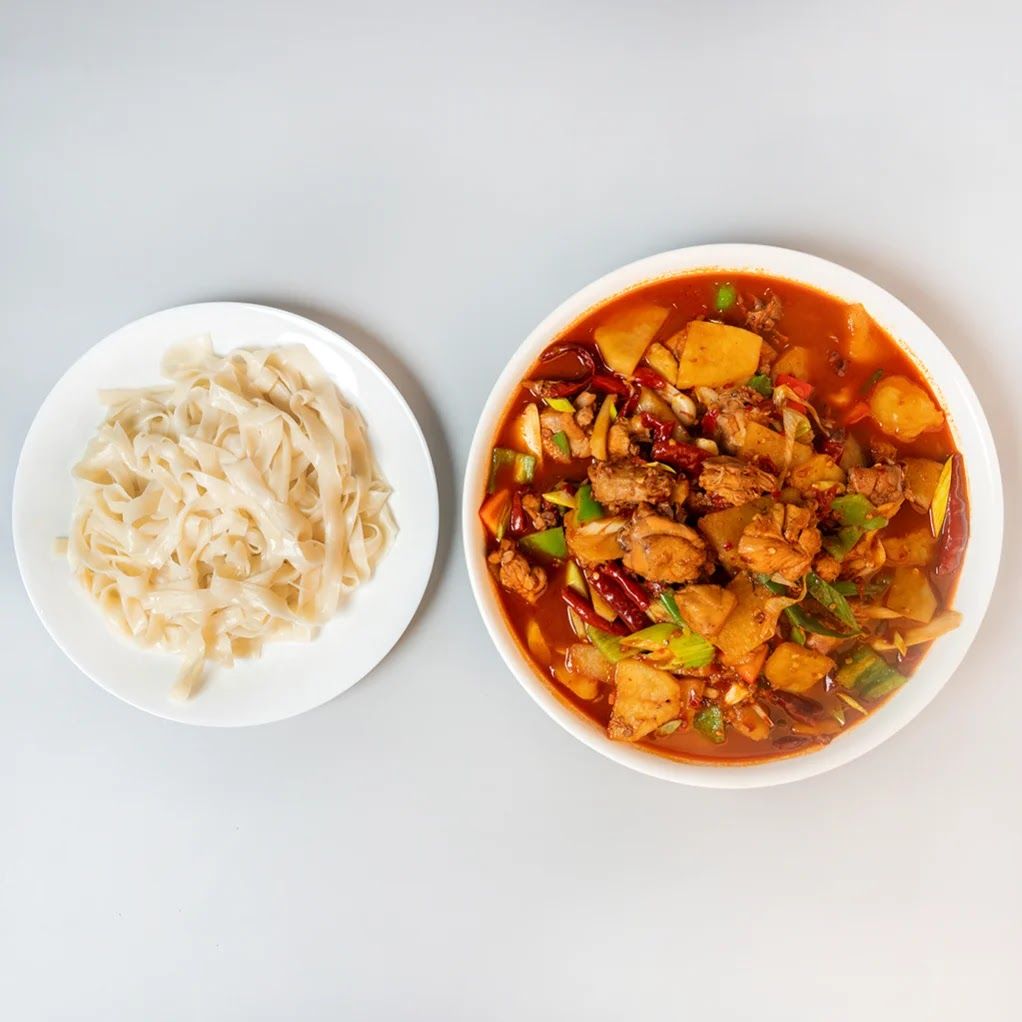
Lagman Noodles FAQs
Is Lagman spicy?
Traditional Lagman is not typically spicy — the heat comes from a separate chilli oil served at the table or drizzled over the bowl. You control the spice level. Some restaurants serve a milder version; others have the chilli oil more liberally applied.
Is Lagman gluten-free?
No — Lagman noodles are made from wheat flour and contain gluten. None of the Dubai Uzbek restaurants we know offer a gluten-free Lagman option. For gluten-free visitors, Plov and most Uzbek meat dishes are naturally gluten-free.
How is Lagman different from Chinese la mian?
Both use hand-pulled wheat noodles and both likely share a common origin along the Silk Road. Chinese la mian is more varied in thickness and technique; Central Asian Lagman uses thicker noodles and a broth built from lamb or beef rather than the lighter broths common in Chinese noodle soups.
What's the best time to eat Lagman in Dubai?
Lagman is typically a lunch or dinner dish. At neighbourhood spots like Adrass and Plov House, the freshest noodles are pulled in the morning and used through the day — lunch (12pm–3pm) usually gets you the best version.
Explore more: Uzbek Food Guide · Plov Dubai · Best Uzbek Restaurants · Central Asian Food