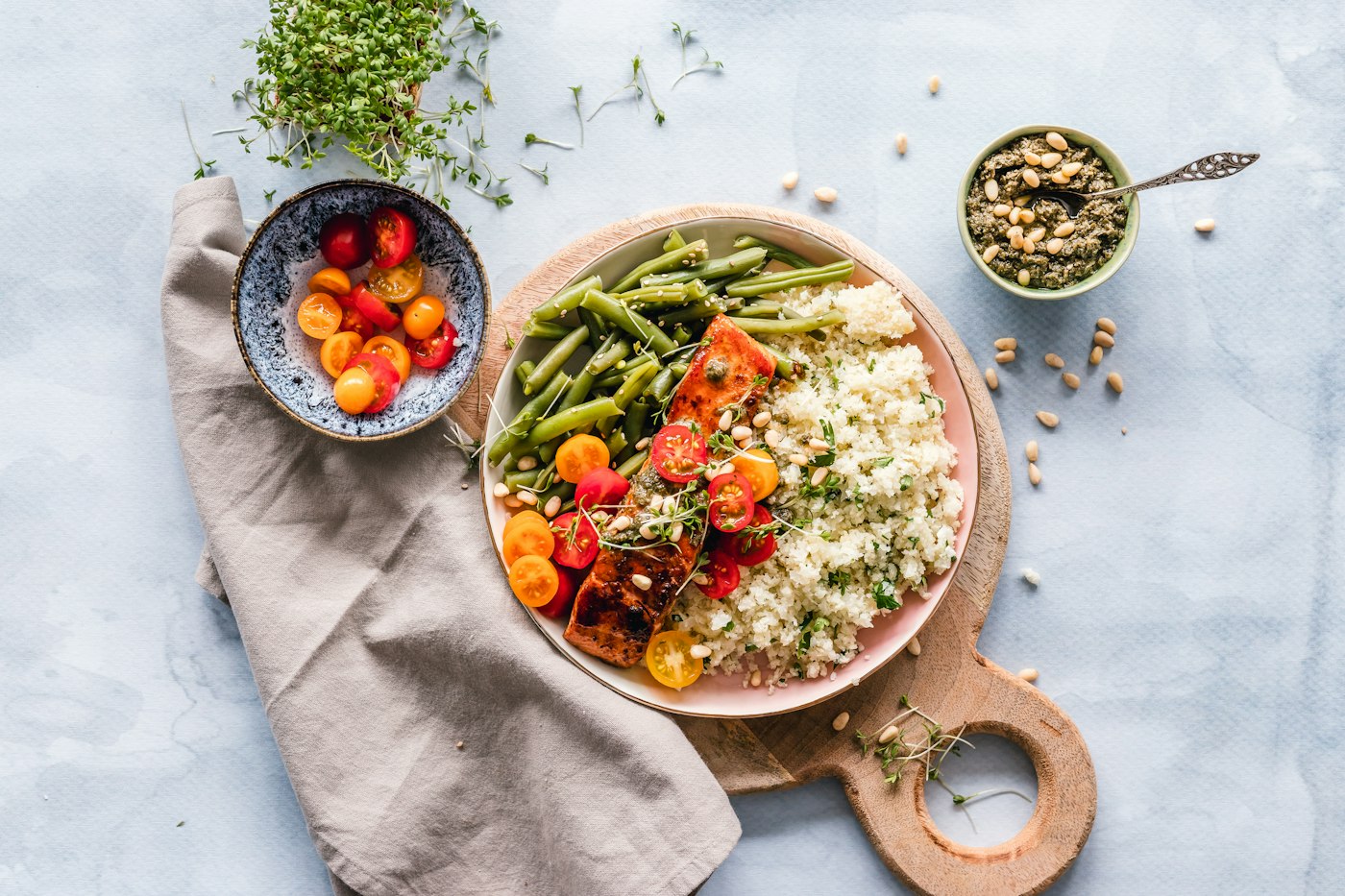
Harees is one of those dishes that sounds unremarkable on paper — slow-cooked wheat and meat porridge — but in practice produces something profound. After 6–8 hours of patient stirring, the wheat breaks down into a silky, rich, deeply savoury dish that carries all the comfort of a mother's kitchen and all the complexity of a centuries-old spice trade. Omani harees is the finest version in the Gulf, and Dubai has several places that do it proper justice.
Unlike its Saudi or Emirati counterpart, Omani harees typically uses a heavier spice hand — cardamom, cinnamon and occasionally a whisper of dried lime (loomi) set it apart. The ghee is non-negotiable: a generous pour of golden clarified butter across the surface just before serving. At its best, harees is both the most humble and the most transcendent dish in Gulf cuisine.
What Makes Omani Harees Different
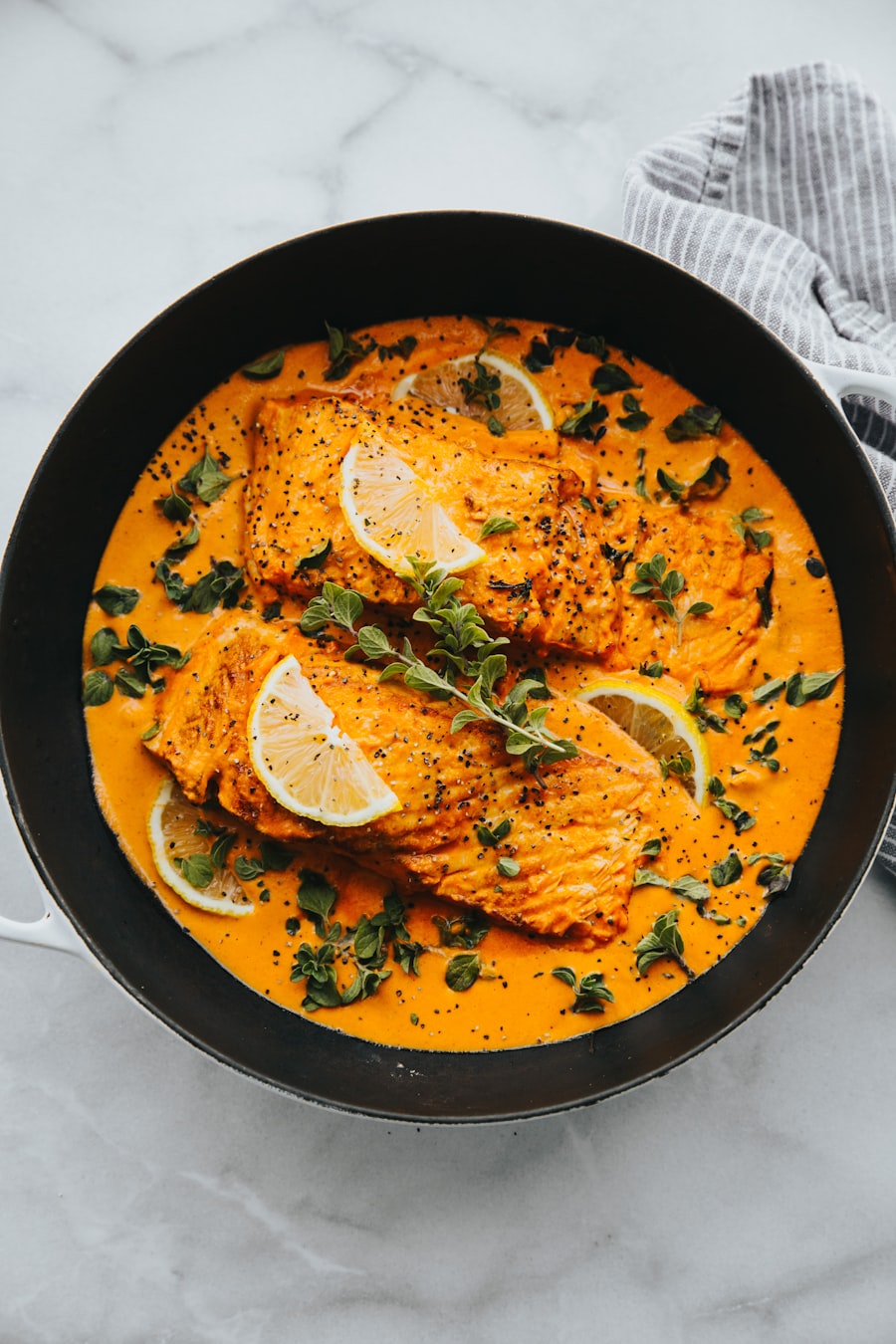
Harees exists across the Gulf and Middle East under various names (jareesh, harisa, hareesa), but the Omani version has distinctive qualities. It uses coarsely ground wheat rather than the very fine grind used in some other Gulf versions, giving it a slightly more textured finish. The spicing is more assertive — cardamom and cinnamon are prominent rather than subtle. And the Omani tradition of serving it with dried lime (loomi) on the side, which you squeeze over for a sharp citrus contrast, is unique.
Chicken Harees
Cooked with whole chicken pieces, shredded in during the final stirring. Lighter in colour, more delicate flavour. Good for first-timers. AED 30–45.
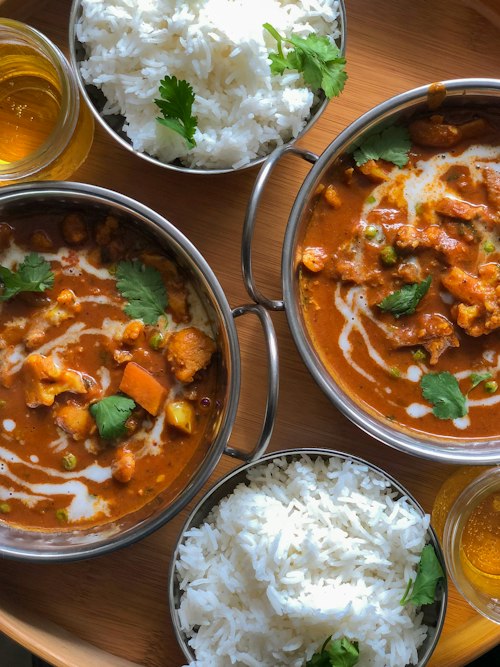
Lamb Harees
The traditional preparation. Bone-in lamb shoulder cooked with the wheat — the marrow enriches the broth. Darker, richer, more intensely flavoured. AED 40–55.
Eid Harees
Prepared for Eid and Ramadan iftaar — larger portions, higher-quality lamb, more ghee. Some venues add dried fruits and nuts to the Ramadan version. AED 45–65.
Best Harees in Dubai — Ranked
Bait Al Luban
The finest harees in Dubai — lamb version, prepared fresh daily, cooked for 7 hours until the texture is perfectly silky. The ghee is applied generously tableside from a small copper pot. During Ramadan, they add rose water and a pinch of saffron to the Eid-style version. This is the standard against which all Dubai harees should be judged.
"Order the lamb harees with extra ghee. Ask for the loomi on the side. End with kahwa and halwa."
Harees: AED 50 (lamb) / AED 38 (chicken)Muscat House
Muscat House's harees reflects its Salalah ownership — the spice profile is subtly different, with more cinnamon and a faint hint of ground dried roses that gives it an unusual perfumed quality. It's available every day (not just Ramadan), which is relatively rare. The chicken version here is particularly good — it uses free-range birds that give the broth more depth.
"Try the chicken harees here specifically — the stock has real depth. Order the date sambal on the side."
Harees: AED 45 (lamb) / AED 35 (chicken)Al Wadi Gulf Restaurant
The best-value harees in Dubai. This workers' canteen prepares a large batch of lamb harees daily (they sell out by 2pm, so go at lunch). The texture isn't quite as refined as Bait Al Luban, but at AED 28 for a generous bowl with ghee and bread, it's exceptional value. The Ramadan harees here draws queues out the door — a testament to the quality.
"Go at 1pm for the freshest batch. This is the most authentic daily harees in the city at this price."
Harees: AED 28 (lamb) — one price, no variationsHarees House
A rare specialist harees restaurant — the only one in Dubai that offers multiple regional Gulf harees variations side by side (Omani, Emirati, Saudi and Yemeni). The comparative experience is genuinely educational. The Omani version correctly uses the coarser wheat grind, and the owner (from Muscat) makes a harees with dried lime that's become something of a cult dish among harees enthusiasts.
"Order the tasting platter of three harees styles — it's the best way to understand the regional differences."
Harees: AED 32–45 depending on style and sizeSultanate Diner
A neighbourhood Omani cafeteria that serves harees as part of its daily specials rotation — Fridays and Sundays are harees days. It's not the most refined version, but it's consistently good, the ghee is real (not margarine), and the atmosphere is completely authentic — packed with Omani workers and families eating together at long communal tables.
"Come on Friday morning — the harees here is prepared specifically for the Jumu'ah crowd. Very good."
Harees: AED 30 (chicken) / AED 38 (lamb)
🌙 Harees During Ramadan in Dubai
Ramadan is harees season. The dish is deeply associated with Ramadan iftaar across the Gulf — there's something fitting about ending a day's fast with harees's sustaining, warming richness. During Ramadan, virtually every Omani and Gulf restaurant in Dubai upgrades their harees game: better-quality lamb, more generous ghee, sometimes rose water or saffron additions.
For the Ramadan harees experience, Bait Al Luban sets up a special iftaar spread (book from 5pm, it fills quickly), while Harees House offers a Ramadan-only "Sultan's Harees" with dried apricots and lamb shank for AED 55. Al Wadi's Ramadan queue starts at 6:30pm — come early or pre-order.
Tip: Harees freezes well. Several Dubai venues sell frozen harees portions during Ramadan for home iftaar — ask at Bait Al Luban or Al Wadi.
Harees Venue Comparison
| Venue | Area | Best Version | Availability | Price | Ramadan Specials |
|---|---|---|---|---|---|
| Bait Al Luban | Al Karama | Lamb harees with ghee | Daily | AED 50 | Yes — rose water & saffron |
| Muscat House | Al Satwa | Chicken harees | Daily | AED 35–45 | Yes — Dhofari special |
| Al Wadi Gulf | Al Quoz | Lamb harees — budget best | Daily (sells out by 2pm) | AED 28 | Yes — extended hours |
| Harees House | Al Nahda | Comparative tasting platter | Daily | AED 32–55 | Yes — Sultan's Harees |
| Sultanate Diner | Al Karama | Friday/Sunday harees | Fri & Sun | AED 30–38 | Daily during Ramadan |
