Saudi Arabia shares a border with the UAE, and the food cultures are deeply intertwined. But Saudi cuisine has its own identity — the dry-roasted spice profile of kabsa, the ancient simplicity of jareesh, the cloud-like white rice of saleeg. Dubai's Saudi community is one of the city's largest Gulf expat populations, and finding their food requires knowing where to look. This guide tells you.
What Makes Saudi Cuisine Distinct?
Saudi food is the cooking of the Arabian Peninsula at its most ancient — Bedouin nomadic traditions, the cooking of Mecca and Medina, the spice trade routes of Jeddah, and the agricultural valleys of Asir and Al-Ahsa. The spice blend (Saudi baharat, often called kabsa spice) is earthier and less floral than Qatari baharat, with greater emphasis on black pepper, coriander and dried ginger.
Where Qatari cuisine uses rose water liberally, Saudi food is more austere — the beauty is in the quality of the meat, the slow cooking method, and the quality of the long-grain rice. The three most important Saudi dishes internationally — kabsa, mandi and jareesh — are each entirely distinct in technique and flavour, yet all three are available in Dubai if you know where to look.
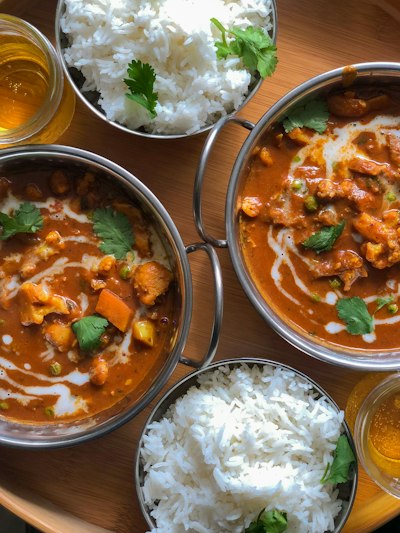
Kabsa — Saudi Arabia's national dish. Drier than machboos, earthier in spice, equally magnificent.
The 6 Essential Saudi Food Experiences in Dubai
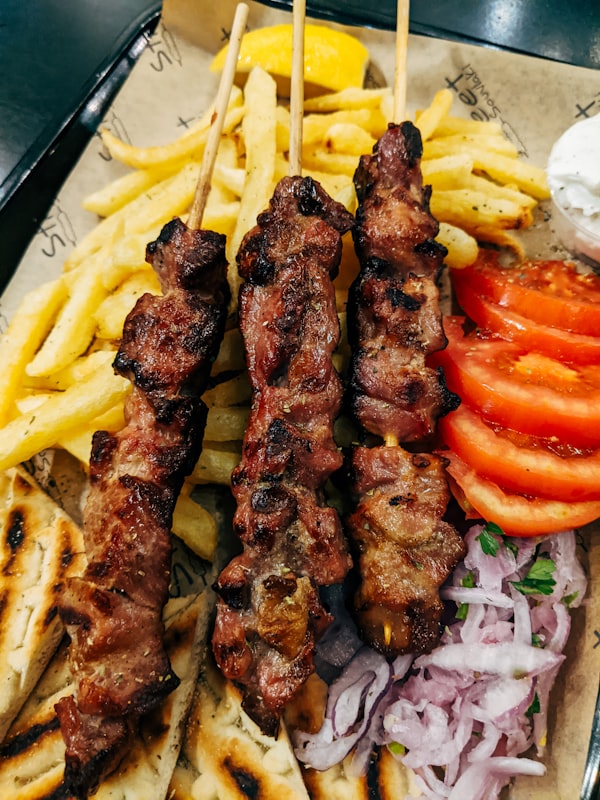
Kabsa
Saudi Arabia's kabsa — drier than machboos, heavily spiced, served with tomato-based dakous sauce and fried onions.
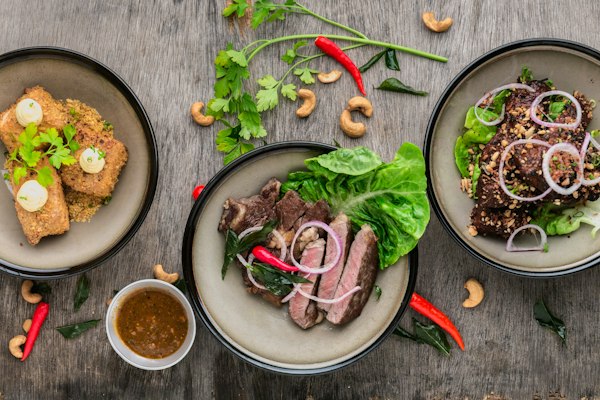
Mandi
Lamb or chicken slow-roasted in a tandoor-style underground pit over fragrant wood smoke. The most theatrical Gulf cooking.
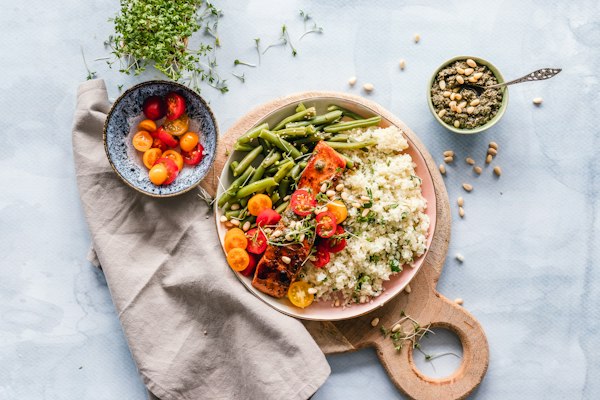
Jareesh
Crushed wheat porridge cooked with sour milk, onions and spices. Saudi Arabia's answer to harees — older and more complex.
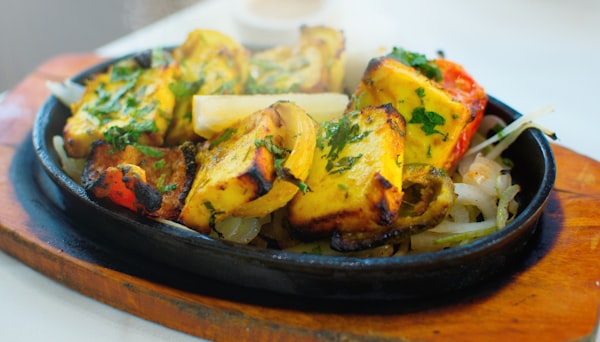
Saleeg
Cloud-white rice cooked in milk and chicken broth — the signature dish of Jeddah and the Hejaz region. Comforting beyond description.
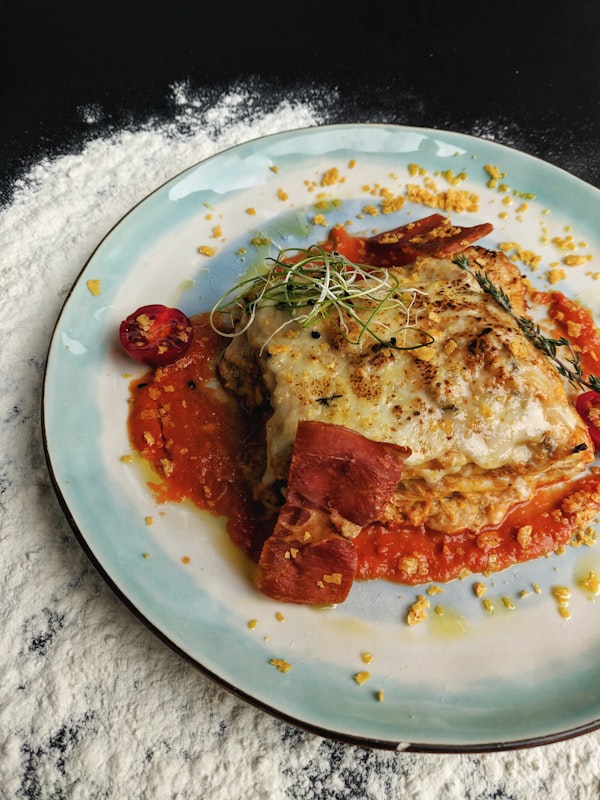
Mutabbaq
Stuffed pancake filled with minced lamb, eggs and onions — the defining street food of Jeddah's old markets.
Gahwa & Dates
Saudi cardamom coffee — pale green, served in tiny cups, poured from a distinctive dallah pot. The beginning of every Saudi experience.
Kabsa vs Machboos: What's the Difference?
| Feature | Saudi Kabsa | Qatari Machboos |
|---|---|---|
| Origin | Saudi Arabia (all regions) | Qatar / Gulf peninsula |
| Texture of Rice | Drier, grains separate cleanly | Slightly more moist |
| Spice Profile | Earthy, peppery, robust | Floral, aromatic, rose water finish |
| Dried Lime (Loomi) | Used but more subtle | More pronounced |
| Rose Water | Rarely used | Common finishing touch |
| Cooking Stock | Tomato often added to stock | Pure meat/fish stock |
| Common Protein | Lamb, chicken, camel | Lamb, hammour, prawn |
| Accompaniment | Dakous (tomato sauce), fried onions | Dakous, yoghurt salad |
Where to Find Saudi Food in Dubai
| Area | What You'll Find | Price Range |
|---|---|---|
| Al Karama | Mandi houses, kabsa cafeterias, affordable Gulf dining | AED 25–70 |
| Deira / Al Rigga | Traditional Saudi restaurants, jareesh specialists | AED 35–80 |
| Al Mamzar | Khaleeji family dining, Saudi community favourite spots | AED 40–100 |
| Al Quoz | Mandi restaurants serving whole roasted lamb | AED 30–80 |
| Jumeirah | Upscale Saudi dining, hotel Gulf restaurants | AED 80–200 |
| Dubai Creek | Heritage restaurants, traditional Saudi-influenced menus | AED 60–150 |
Must-Try Saudi Dishes in Dubai — With Prices
Saudi Dishes to Order
Best Saudi Restaurants in Dubai
True Saudi restaurants in Dubai tend to cluster around Al Karama, Deira and Al Rigga — areas with large Saudi and Gulf expatriate populations. Mandi houses are the most common format: no-frills dining rooms where whole roasted lamb arrives at the table on trays of rice.
| Restaurant | Area | Speciality | Price/Person | Best For |
|---|---|---|---|---|
| Bait Al Mandi | Al Karama | Mandi, kabsa | AED 35–75 | Best budget mandi |
| Al Fanar | Festival City | Gulf kabsa, Gulf mains | AED 70–180 | Full Gulf dining experience |
| Najd Village | Al Barsha | Traditional Saudi kabsa | AED 45–95 | Authentic Najd-region cooking |
| Al Khaleej Palace Hotel | Deira | Full Saudi menu incl. jareesh | AED 50–120 | Complete Saudi menu |
| Mandi Al Noor | Al Karama | Whole lamb mandi | AED 40–90 | Groups eating whole lamb |
| Al Hadheerah | Bab Al Shams | Gulf/Saudi BBQ feast | AED 200–280 | Special occasion, best atmosphere |
Related Guides in This Series
Qatari & Gulf Food Series