Dubai's Syrian food scene is extraordinary — shaped by a large Syrian expat community that has made this city their home over decades. Unlike the more well-known Lebanese cuisine, Syrian food carries its own distinct identity: bolder spices, heartier portions, and dishes you won't find on any other menu. Aleppo pepper, pomegranate molasses, and slow-cooked lamb define the cuisine, and once you understand these flavors, you'll understand why Syrian restaurants across Deira and Bur Dubai are consistently packed with locals.
This guide covers everything from the must-try dishes to the best restaurants, price ranges, and insider tips for experiencing authentic Syrian food in Dubai. Whether you're hunting for the perfect kibbeh or planning a proper Syrian feast, you'll find it here.
Understanding Syrian Cuisine in Dubai
Syrian cooking draws from a rich culinary heritage centered around three major cities: Aleppo, Damascus, and Homs. Each region has subtle differences, but they share core characteristics that set Syrian food apart from its Levantine neighbors.
Key characteristics of Syrian cuisine: Syrian food is built on a generous use of Aleppo chilli — milder and fruitier than regular chilli, creating warmth rather than heat — and pomegranate molasses, which appears in dressings and marinades throughout the menu. Syrian spice blends tend to be more complex than Lebanese versions, with heavier use of cumin, coriander, and sumac. There's a greater emphasis on lamb and beef dishes, though excellent vegetarian options abound. The bread culture is strong, with different breads serving different functions in the meal, and the yogurt-based sauces are thicker and more pronounced.
The cuisine shares some DNA with Lebanese food — both are Levantine, both feature meze, both use fresh herbs — but Syrian cooking uses more spice, less citrus, different bread traditions, and stronger aromatics. A Syrian spread feels more robust, more warming, more suited to the cooler evenings in the mountains of Syria than the Mediterranean lightness of Lebanon.
Must-Try Syrian Dishes in Dubai
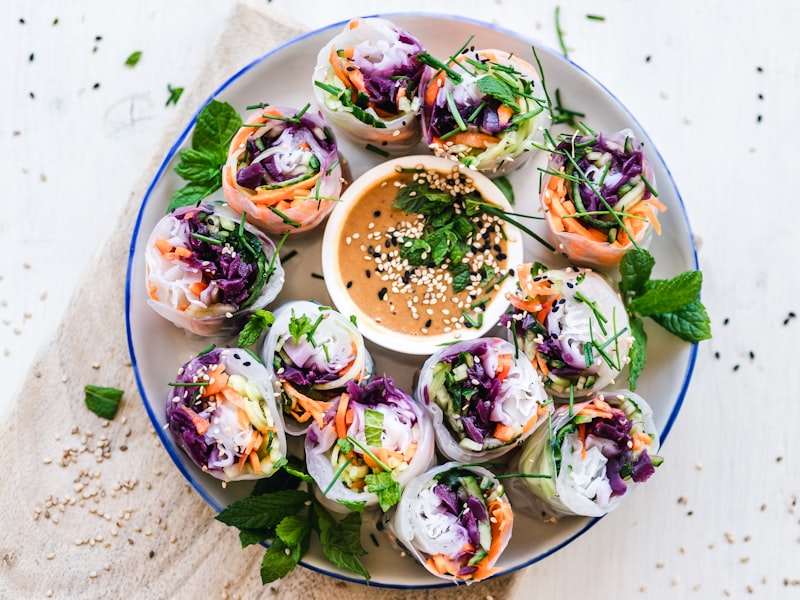
These are the dishes you absolutely must order when you visit a Syrian restaurant in Dubai. They represent the soul of Syrian cuisine and show up on virtually every quality restaurant's menu.
Kibbeh
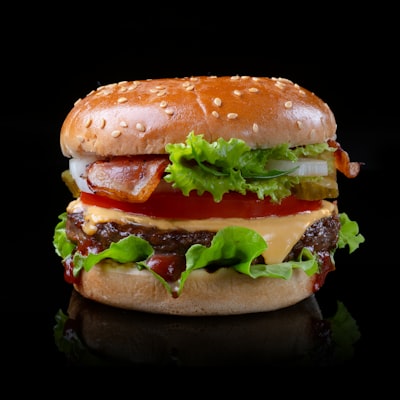
Minced lamb & bulgur, pan-fried, with yogurt
Fattet Djaj
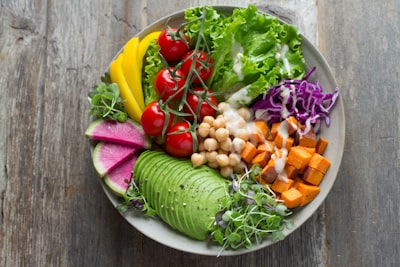
Layered chicken, bread, yogurt, pine nuts
Musakhan
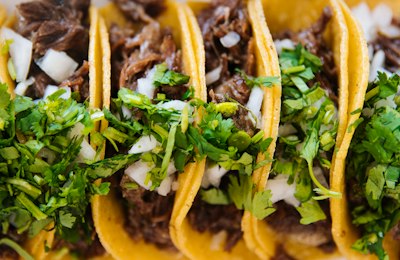
Roasted chicken on flatbread with caramelised onions
Shish Barak
Lamb dumplings in yogurt sauce
Fatteh
Layered bread, chickpeas, tahini yogurt

Halawet el Jibn
Sweet cheese rolls with cream
Kibbeh — the Syrian national dish — is minced raw or cooked lamb mixed with bulgur wheat and spices, shaped into oval footballs and either fried until golden or baked. Order the Kibbeh bil Saniyeh (baked version) for the truest experience; the best versions have crispy pine nuts on top and a sauce of tomato and yogurt on the side. Fattet Djaj is layers of shredded roasted chicken over crispy fried bread (which absorbs the sauce), topped with garlicky yogurt, pomegranate molasses, and toasted pine nuts — it's a textural masterpiece. Musakhan is Palestinian-Syrian: roasted chicken on Palestinian flatbread with generous amounts of caramelised onions, sumac, and pine nuts — it's comfort food with refinement.
Shish Barak are small lamb-filled dumplings boiled in yogurt sauce — the dumplings stay tender while the sauce becomes savory and rich. Fatteh (often confused with Fattet Djaj, but this is the vegetarian version) layers torn flatbread, chickpeas, and a tahini-yogurt sauce, finished with pomegranate molasses and pine nuts — it's the perfect light starter. Halawet el Jibn is a Syrian sweet: thin sheets of cheese rolled with pistachios, drizzled with syrup, and served with thick cream. It's less widely known than Lebanese sweets but absolutely worth seeking out.
Best Syrian Restaurants in Dubai
Dubai has a well-established Syrian restaurant scene, concentrated heavily in Deira and Bur Dubai where the original Syrian expat communities settled. Here are the standouts:
Damascene Nights (Deira, Al Rigga)
One of Dubai's oldest Syrian restaurants, open since 2008, Damascene Nights remains the gold standard. The kibbeh bil saniyeh is the best in the city — full stop. The fattet djaj here is a textbook version: massive portions, generous with the yogurt and pine nuts, the bread perfectly crisp. Weekend crowds are intense (arrive by noon or after 9pm), but walk-ins only. Price range: AED 60–120 per person.
Al Sham Restaurant (Bur Dubai, Meena Bazaar)
The anti-fine-dining Syrian experience — formica tables, bright lights, zero ambiance, all authenticity. This is where Syrian families eat their lunch, and the musakhan here is exceptional: the flatbread is just-baked, the onions properly caramelised. Fatteh is generous and well-balanced. Opens at 9am for breakfast and stays open until 1am. No reservations. AED 45–90 per person.
Beit Al Souri (Al Barsha)
A family-friendly, slightly more polished take on Syrian dining. The shish barak here are excellently made — tender lamb, properly spiced. The fatteh is generous and well-executed. Good for groups and families who want quality without the chaos of Deira. AED 70–140 per person.
Aleppo House (Deira, Port Saeed)
Named after Syria's second city, this restaurant specialises in Aleppo-style dishes — slightly different spicing and technique from Damascus. The Aleppo-style kabab is smoky and tender. The muhammara (red pepper and walnut dip) is standout, and the meze platter covers excellent ground. AED 55–100 per person.
Zaitouneh Syrian Kitchen (JLT)
For a more upscale Syrian experience, Zaitouneh delivers. Modern interior, better service, suitable for business lunches or a more refined meal. The kibbeh and fattet djaj here maintain quality, and the knafeh dessert is excellent. AED 90–180 per person.
Best Areas for Syrian Food in Dubai
Deira: The epicenter of Syrian food in Dubai. This is where the first Syrian restaurants opened, and it remains the most authentic area. Restaurants are basic, prices are rock-bottom (AED 40–80 per person), and the food is uncompromising. Walk down Al Rigga or Naif Road and you'll see Syrian restaurants on nearly every corner. This is where locals eat.
Bur Dubai: Similar vibe to Deira, slightly more tourist-friendly. You'll find excellent traditional Syrian restaurants here with similar pricing and authenticity levels. It's a touch less hectic than Deira.
Al Barsha: Family-oriented restaurants with slightly higher production values. Good for families and groups who want authenticity with a touch more comfort. Mid-range pricing.
JLT/JBR: More polished Syrian restaurants designed for an international crowd and business diners. Higher prices, modern interiors, professional service. Less authentic in vibe but quality is reliable.
Syrian Food vs Lebanese Food: What's the Difference?
Both Syrian and Lebanese cuisines are Levantine, sharing a common history and many similar dishes. But they're distinct enough that it's worth understanding the differences:
Spicing: Syrian food uses more spice, more Aleppo chilli, more warmth. Lebanese food is lighter, more citrus-forward, less intense. Portions: Syrian portions tend to be generous and hearty; Lebanese portions are more refined. Bread traditions: Different breads, different uses. Sauces: Syrian sauces (especially yogurt-based) tend to be thicker and more prominent; Lebanese food is lighter. Overall vibe: Syrian food feels more robust, mountain-influenced, suited to cooler climates. Lebanese feels more Mediterranean, lighter, more summer-oriented.
Budget Guide
Best Time to Visit for Syrian Food
Ramadan: Syrian restaurants shine during Ramadan. The iftar (sunset) spreads are incredible — meze platters, grilled meats, fresh breads, and sweets in abundance. Arrive 30 minutes before sunset or book ahead; after sunset, it's chaos. The food quality is exceptional, and the social experience is unmatched.
Eid celebrations: Both Eid al-Fitr and Eid al-Adha bring special menus and festive energy to Syrian restaurants. Whole roasted lambs, special breads, and extended family gatherings. Call ahead to see what's being offered.
Regular days: Lunch hours (noon–2pm) are packed. Dinner (8pm–10pm) is also busy. Mid-afternoon (3pm–5pm) and late evening (after 11pm) offer quieter experiences with the same food quality.
Frequently Asked Questions

Internal Resources
Explore more Middle Eastern and Levantine cuisine guides:
- Best Syrian Restaurants in Dubai — Our ranked list of top 10 Syrian restaurants
- Lebanese Food Dubai — Complete guide to Lebanese cuisine
- Jordanian Food Dubai — Guide to Jordanian specialties
- Arabic Food Dubai — Broader Levantine cuisine guide
- Deira Food Guide — Area guide to Deira dining
- Bur Dubai Food Guide — Area guide to Bur Dubai dining
- Middle Eastern Cuisine Dubai — Broader Middle Eastern guide