Ramadan transforms Dubai's street food scene into something extraordinary. The city that already has extraordinary street food gets a month-long festival layer added — pop-up souqs, luqaimat carts that appear from nowhere, samboosa stalls operating until 3am, and an atmosphere around iftar time that you genuinely cannot replicate anywhere else on earth. If you're in Dubai during Ramadan, this is the food guide you need.
Ramadan in Dubai operates on a reversed schedule — the city sleeps during the day and comes alive after sunset. The moment the cannon fires at iftar (the breaking of the fast), thousands of restaurants and street food stalls simultaneously explode with activity. The streets of Deira, Al Karama, and Bur Dubai fill with the smells of samboosa frying, luqaimat sizzling in hot oil, harees bubbling in pots, and karak chai brewing in industrial quantities.
For food lovers — whether fasting or not — Ramadan is the best time to experience Gulf street food in Dubai. Many dishes appear only at this time of year. Many stalls are only open for one month. Many recipes are only made during Ramadan. Consider this your guide to all of it.
The Essential Ramadan Iftar Street Foods
Iftar — the breaking of the fast at sunset — follows a specific sequence of foods that has evolved over centuries. Here are the essential Gulf street foods at each stage of iftar.
Dates & Water
The traditional first food at iftar — one to three dates, followed by water. The Prophet's tradition, still followed by millions. The dates at Dubai's Ramadan markets are exceptional — medjool, sukkari, and local Emirati varieties.
Lentil Soup (Shorbat Adas)
The first warm food at iftar across the Gulf and Levant. A golden, cumin-scented lentil soup that's gentle on a fasting stomach. Available from almost every restaurant and many street stalls during Ramadan. Essential.
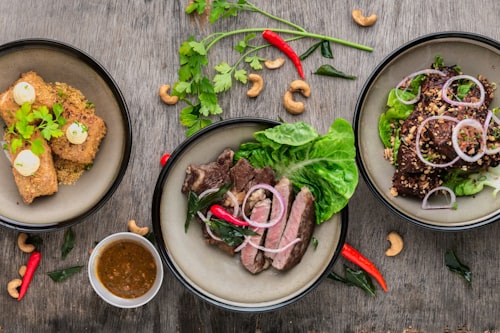
Samboosa
The Ramadan street food par excellence. Crispy fried pastry triangles stuffed with spiced meat, cheese, or vegetables. Every family makes them; every street corner sells them at iftar. Queues for good samboosa are long and completely justified.
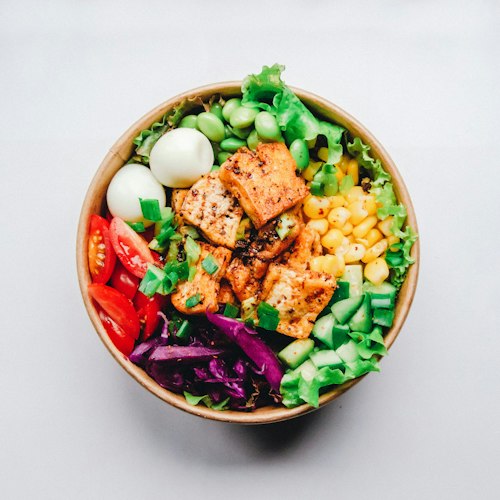
Luqaimat
Dubai's beloved fried dough balls with date syrup surge in visibility during Ramadan. Mobile carts set up near mosques and in market areas. The demand is such that quality luqaimat carts sell out within 90 minutes of iftar. Go early or queue.
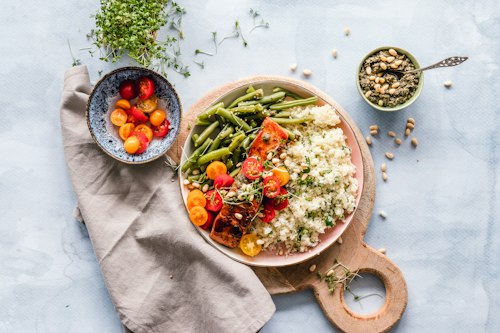
Harees
A slow-cooked wheat and meat porridge that appears almost exclusively during Ramadan. Its gentle, comforting nature makes it ideal for breaking a long fast. Sold from large pots at street stalls and in Gulf restaurants across Dubai during this month only.
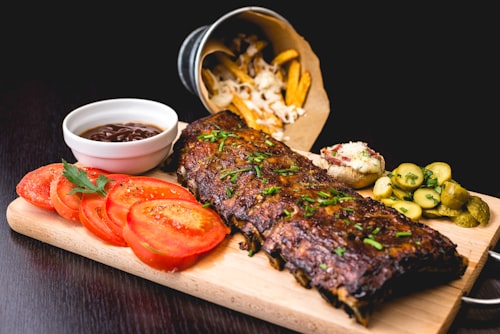
Fattoush & Fresh Salads
After a day of fasting, fresh vegetables taste extraordinary. Fattoush — Levantine bread salad with pomegranate molasses dressing — is the Ramadan salad. Served at virtually every iftar spread from restaurant to street stall.
The Ramadan Iftar Timeline — How the Evening Unfolds
Ramadan street food in Dubai doesn't happen all at once — it follows a beautiful rhythm from the moment the fast breaks until the pre-dawn suhoor meal. Here's the timeline.
The Fast Breaks
The moment everything changes. Restaurants, street stalls, and mobile carts simultaneously explode into activity. The iftar prayer is called. The first dates are eaten. The city transforms from quiet to celebratory in approximately 90 seconds.
First Food: Dates, Water & Soup
Street food stalls serving lentil soup begin selling immediately. Date vendors do record business. The first samboosa are bought. This is the best time for light street snacking — the atmosphere is electric, everyone is grateful, and the food tastes extraordinary after a day's fast.
Maghrib Prayer Break
Many Muslims go to pray Maghrib after the first few bites of iftar. The streets temporarily quiet, then fill again. This 20-minute window after prayer is when the serious eating begins — harees, rice dishes, grilled meats.
Main Meal & Ramadan Market Peak
The Ramadan souqs and street markets reach maximum capacity. Families fill outdoor dining areas. Mixed grills appear on charcoal. Luqaimat carts have queues stretching 20+ people. The energy is festival-level and completely infectious — even for non-fasters.
The Ramadan Night — Gahwa & Sweets
After the main meal, Dubai's streets become an extended social event. Karak chai and gahwa (Arabic coffee) vendors do enormous business. Konafa (cheese pastry in sugar syrup) appears at Lebanese sweet shops. The Ramadan night in Dubai is one of the world's great street food experiences.
Suhoor — The Pre-Dawn Meal
The last meal before the next day's fast begins. Suhoor street food is lighter — manakish, eggs, hummus, or a karahi — eaten in the quiet pre-dawn hours. Many of Dubai's 24-hour restaurants serve their best Ramadan crowds at 3am.
Best Ramadan Street Food Locations in Dubai
Global Village Ramadan Nights
Deira Ramadan Night Market
Al Karama Ramadan Strip
Suhoor — The Best Pre-Dawn Street Food
Suhoor is the meal eaten before dawn begins the next day's fast. Dubai's Ramadan night culture extends into the early hours, and the city's 24-hour spots serve their most committed crowds between 2–4am. Here's what to eat.
Manakish — The Classic Suhoor
Light, digestible, and sustaining — za'atar or cheese manakish at a late-night bakery is the ideal suhoor. The oil and carbohydrates provide sustained energy through the fasting day. Best eaten with a glass of fresh juice or mint tea.
Karahi or Stew
Something with protein and warmth — a good karahi or slow-cooked stew provides the protein and fat needed to sustain a full day's fast. Pakistani and Afghani spots serving karahi until 4am are popular suhoor destinations among serious fasters.
Hummus & Bread
The simple, wise choice. A generous bowl of hummus with Arabic bread, olive oil, and a few olives is nutritionally sensible suhoor. Light enough to eat before sleeping after the pre-dawn prayer; sustaining enough to carry you through the day.
Eggs & Cheese
The protein-focused suhoor. Scrambled eggs with white cheese and vegetables, served with Arabic bread. Available at all-night diners and many Lebanese restaurants during Ramadan. Simple, efficient fuel for the fasting day ahead.
🌙 Essential Ramadan Etiquette for Street Food
If you're not fasting, Dubai is very welcoming — but a few things to know: eating, drinking, or smoking in public during daylight hours in Ramadan is not permitted and carries fines. All street food activity happens after iftar (sunset). Respect the fast by being discreet during the day. After sunset, the city is completely open and hospitable — join in, eat freely, and enjoy one of the world's great street food experiences. Dress modestly when visiting Ramadan markets and heritage areas. A warm greeting of "Ramadan Kareem" ("May Ramadan be generous") is always appreciated.
Gulf Street Food Guide — Full Cluster
