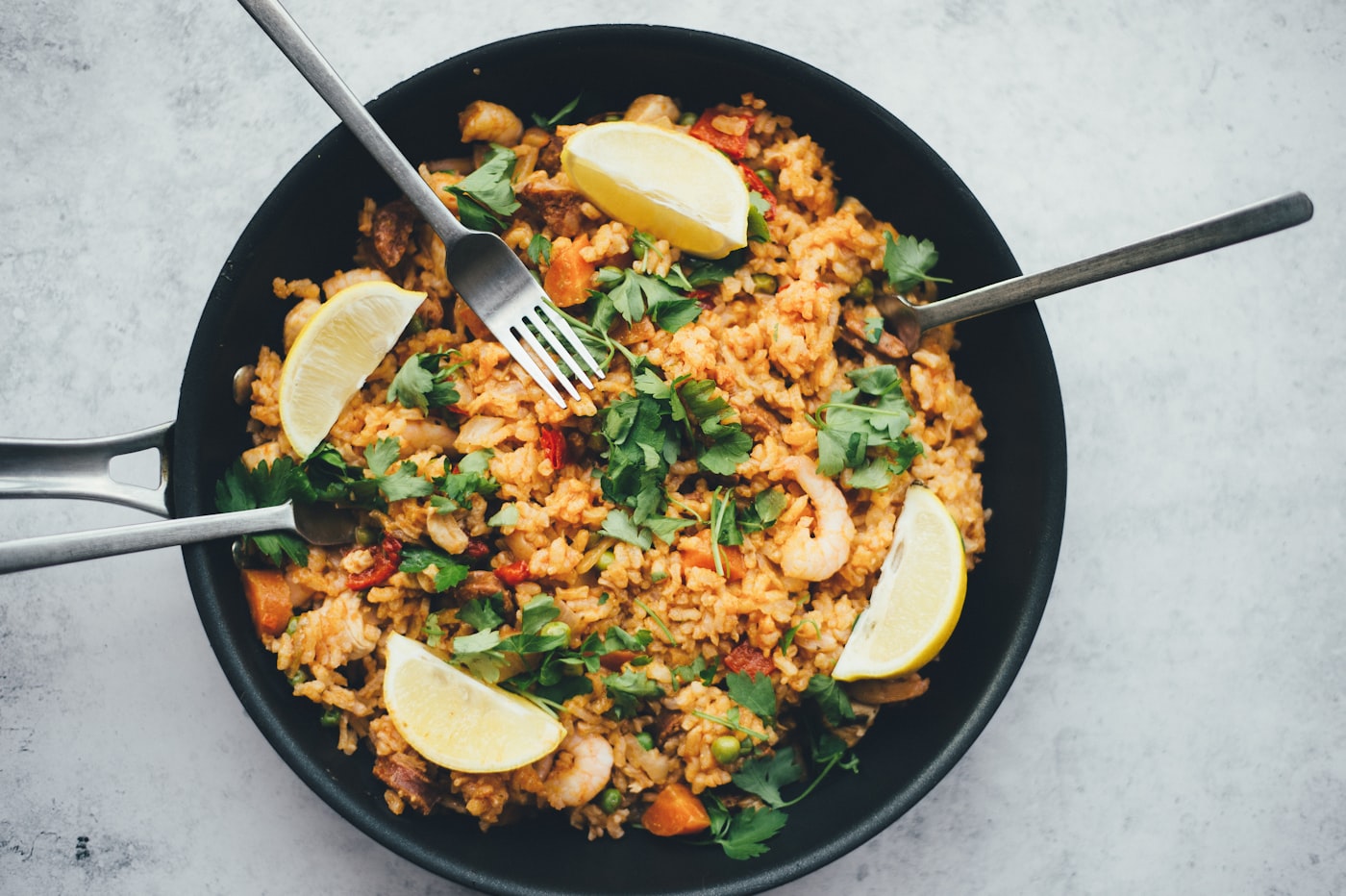
Few dishes inspire the level of devotion — and the level of argument — that jollof rice does in West Africa. The moment you mention it in a room that includes Nigerians and Ghanaians, the debate begins: whose jollof is better, what constitutes the correct rice, whether tomatoes or peppers should dominate, and whether "party jollof" (the smoky, open-flame version) is the pinnacle or whether careful home cooking is. In Dubai, you get to try both sides of the argument.
What Makes Jollof Rice, Jollof Rice?
Jollof rice is a one-pot dish: long-grain rice cooked in a rich base of blended tomatoes, red peppers, onion, scotch bonnet chili, and a spice blend that typically includes thyme, bay leaf, garlic, and stock. The rice absorbs the sauce entirely, taking on its deep red-orange colour and the layered flavour of everything cooked into it.
The defining feature of the finest jollof is the bottom pot: the layer of rice that makes contact with the pot catches the heat directly, caramelising and creating what's called "party jollof" — slightly charred, intensely smoky, crispy in patches. This layer is fought over at family gatherings across West Africa. In Dubai's Nigerian restaurants, the kitchens that get this right are serving something close to transcendent.
Different countries make it differently. Nigerian jollof uses parboiled long-grain rice and a thick, deep tomato base. Ghanaian jollof often uses jasmine or basmati rice and a more aromatic, slightly lighter base. Senegalese thiéboudienne adds fish and vegetables. In Dubai, you'll primarily find Nigerian-style jollof, but Ghanaian spots are emerging.
Best Jollof Rice in Dubai — Ranked

Enish — Seafood Jollof Rice (Sheikh Zayed Road)
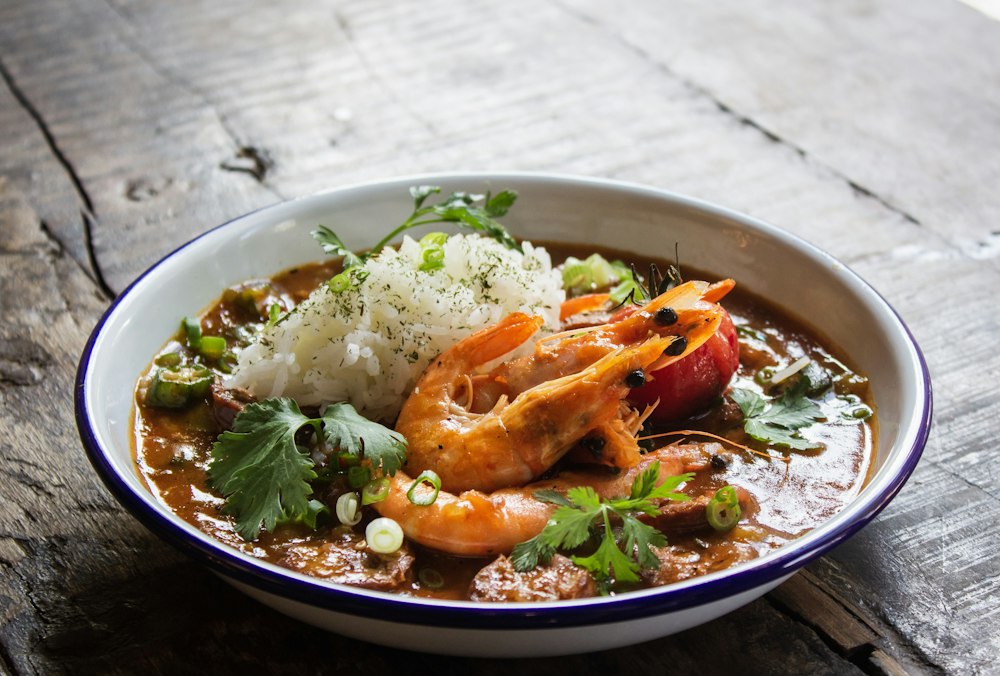
The seafood jollof at Enish is the definitive Dubai version of this dish — prawns, calamari, and fish folded into party jollof, with the smoky bottom intact, served in a deep bowl that retains the heat. The tomato base is deeply reduced, giving the rice colour and depth rather than wetness.
Chop House — Classic Jollof Rice (JLT)
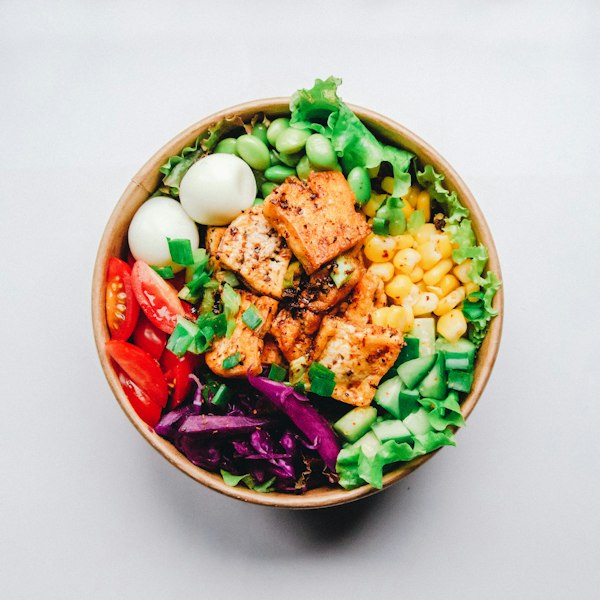
Chop House makes jollof the way it should be made for everyday eating — properly smoky, properly seasoned, and not dumbed down for a non-Nigerian audience. The chicken version is the most popular, and the kitchen consistently delivers a well-charred bottom layer. Order a side of fried plantain without hesitation.
Jollof House Dubai — Al Barsha
Jollof House is a dedicated jollof rice restaurant — and the specialisation shows. The menu features rotating jollof variations: coconut jollof, smoky party jollof, ofada jollof, and a vegetable version. Each variation is thoughtfully distinct. The coconut jollof is a sleeper hit — the subtle sweetness of coconut milk creates a version that diverges from tradition but earns its place at the table.
Pass D Jollof — Jumeirah Village Circle
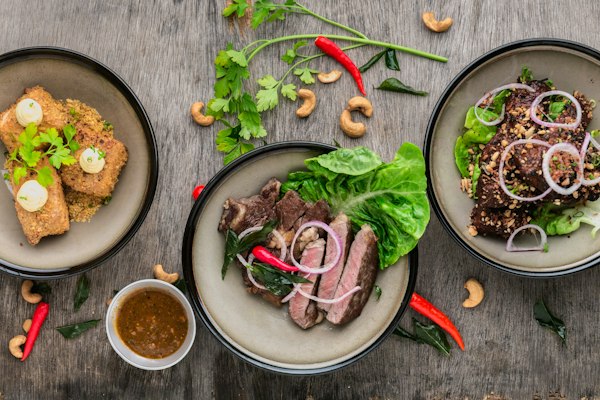
Pass D Jollof is the go-to for JVC and the surrounding areas — a community restaurant that takes the weekend lunch seriously. The banga soup with starch (a Delta State specialty) is rarely found elsewhere in Dubai, but the jollof rice is the draw: well-seasoned, consistently made, and pitched at a price that makes it an easy weekly habit.
Types of Jollof to Know
Party Jollof
The highest form of jollof — made outdoors over firewood or a very high flame, creating the smoky bottom layer. The fire and scale of cooking create flavours that home cooking can rarely replicate. Most highly regarded version.
AED 55–90Seafood Jollof
Jollof rice cooked with or topped with prawns, fish, calamari, or crab. The briny seafood contrasts beautifully with the smoky tomato rice. Enish's version is the best in Dubai.
AED 85–120Chicken Jollof
The everyday workhorse — well-seasoned rice served with grilled, fried, or braised chicken. The most common version at Nigerian restaurants. Consistently excellent at Chop House.
AED 55–80Coconut Jollof
A variation where coconut milk replaces some of the stock, adding sweetness and richness. More common in some coastal Nigerian states. Jollof House Dubai's version is the one to try.
AED 55–75Ofada Rice (Related)
Not strictly jollof, but often found alongside it. A short-grain, slightly fermented Nigerian rice cooked with ofada stew — a rich, peppery palm oil sauce. A uniquely Yoruba dish worth exploring.
AED 55–70Jollof Spaghetti
An urban Nigerian innovation — spaghetti cooked in the jollof method (tomato-pepper base). Sounds unusual, tastes surprisingly correct. Found at Chop House and Lasgidi Café.
AED 45–65🇳🇬 The Jollof Wars: Nigeria vs. Ghana 🇬🇭
🇳🇬 Nigerian Jollof
- Long-grain parboiled rice
- Thick, deeply reduced tomato base
- High-heat cooking for the smoky bottom
- Heavy on scotch bonnet — genuinely spicy
- Served with fried chicken or beef
- The party jollof tradition is sacred
🇬🇭 Ghanaian Jollof
- Basmati or jasmine rice, more aromatic
- Slightly lighter, more distinct tomato base
- Often includes more vegetables
- Nutmeg and other spices more prominent
- Typically served with chicken and salad
- Palatable and approachable for newcomers
Dubai verdict: You'll find both styles in the city. The Nigerian version dominates at specialist restaurants; Ghanaian jollof appears at pan-African spots. Try both and form your own allegiance.
Tips for Ordering Jollof Rice in Dubai
When ordering jollof, always ask if the kitchen makes party jollof — the smoky, slightly charred version. Some restaurants make a milder, less smoky version for a broader audience. If you want the authentic experience, specify you want it smoky. Most Nigerian restaurants will appreciate the ask.
Jollof rice is best with accompaniments: fried plantain (dodo) is the most natural partner, adding sweetness against the savoury rice. Fried chicken alongside is traditional. Moi moi (steamed bean pudding) is a less common but deeply authentic side that some restaurants offer.
For the full story on Nigerian cuisine beyond jollof, read our Complete Guide to Nigerian Food in Dubai or visit our Best Nigerian Restaurants in Dubai ranking.

Jollof Rice Dubai — FAQ
What is jollof rice?
Jollof rice is a West African one-pot rice dish cooked in a seasoned tomato and pepper base. The rice absorbs the sauce completely, becoming deeply flavoured and bright orange-red. The best versions have a smoky, slightly charred bottom layer — the coveted "party jollof."
Is jollof rice the same as Nigerian fried rice?
No — jollof rice is cooked in tomato sauce; Nigerian fried rice is stir-fried with vegetables, eggs, and seasoning, typically golden in colour. Both are staples, both are excellent, and most Nigerian restaurants in Dubai offer both.
How spicy is jollof rice?
Traditional Nigerian jollof uses scotch bonnet peppers and can be quite spicy. Dubai restaurants often moderate the heat for a mixed clientele, but most will add more spice on request. Ghanaian jollof tends to be milder. Ask when ordering.
Which is better, Nigerian or Ghanaian jollof?
This is the great West African debate. Nigerian jollof is smokier, more intensely flavoured, and often spicier. Ghanaian jollof is more aromatic, uses basmati rice, and is slightly milder. The correct answer depends entirely on your palate and your nationality.