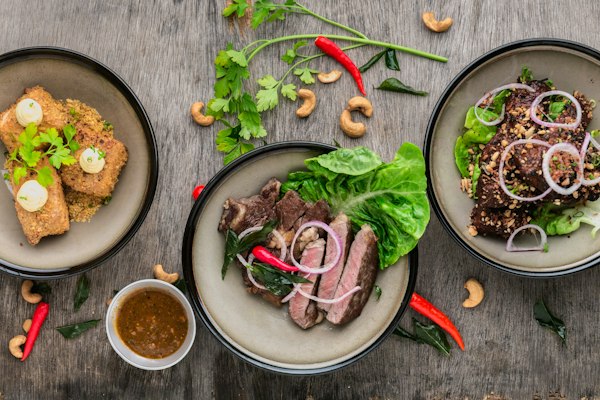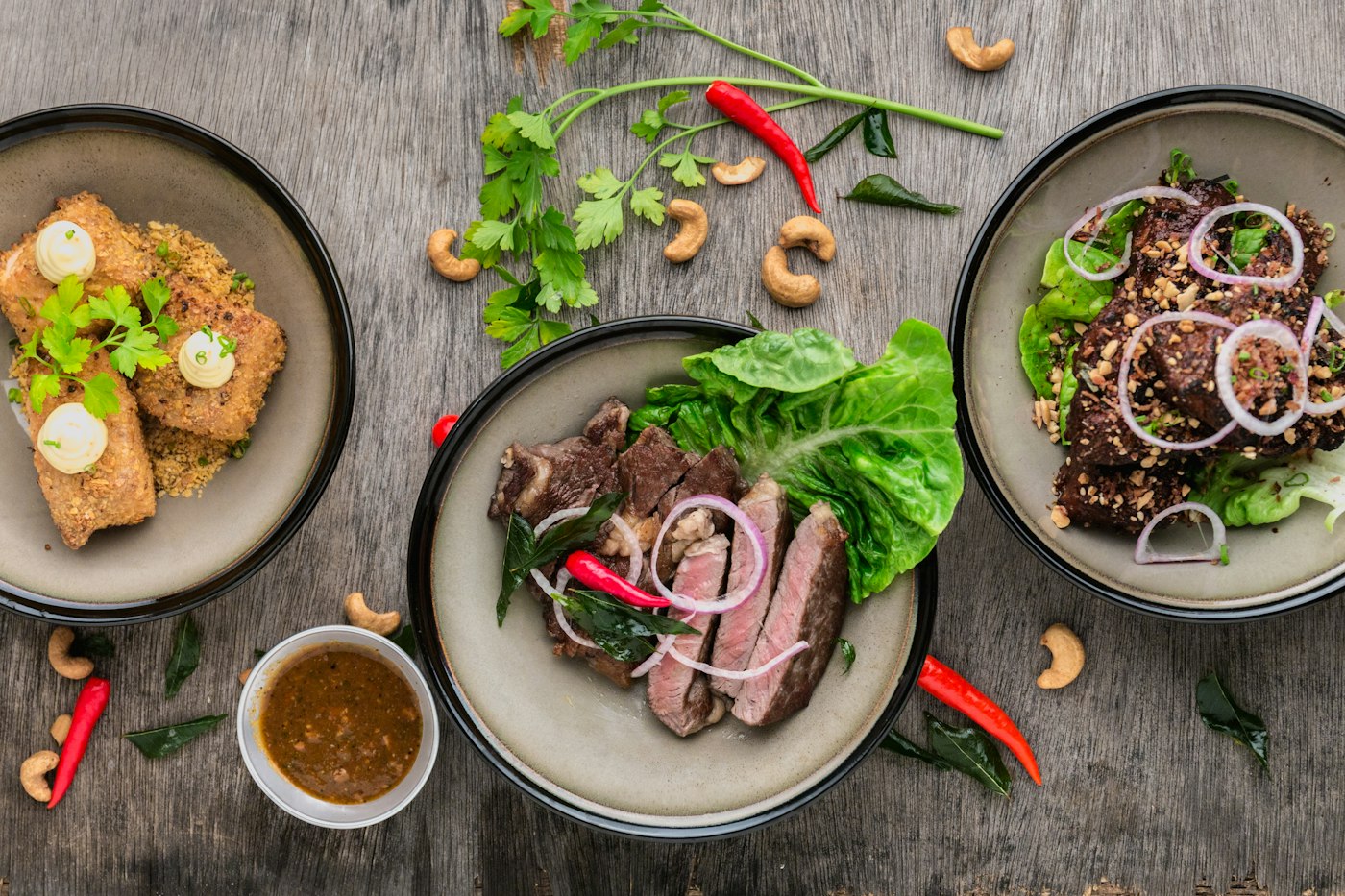
West African cuisine is one of the world's great undiscovered dining traditions — bold, deeply layered, rich with palm oil, fermented ingredients, smoke, and spice. Dubai's West African community, one of the most culturally vibrant in the Middle East, has built a dining scene that has gone from a handful of community canteens to a proper restaurant culture. This guide covers the full breadth: Nigerian, Ghanaian, Senegalese, and pan-African, from the elegant to the elemental.
The West African Diaspora in Dubai
Dubai's West African population is estimated at over 50,000, with Nigerians forming the largest group, followed by Ghanaians, Senegalese, and communities from Côte d'Ivoire, Cameroon, Sierra Leone, and beyond. The community is concentrated in neighbourhoods like Karama, Deira, Jumeirah Lake Towers, and Dubai Silicon Oasis — and the restaurants have followed the people.
The scene has evolved significantly since the late 1990s and 2000s when the only West African food available was in small community restaurants in Deira and Karama. Today, you have Enish on Sheikh Zayed Road offering Nigerian food in a five-star hotel environment, KIZA in DIFC running a Pan-African lounge that has drawn a mixed crowd for over a decade, and a growing number of specialist spots targeting the weekend lunch and takeaway markets.
Nigerian Food in Dubai
The dominant West African cuisine in the city
Nigeria's cuisine is the most diverse and widely available West African food in Dubai. It is a cuisine of bold contrasts: the smoky intensity of party jollof, the earthy depth of egusi soup, the bright heat of pepper soup, and the cooling sweetness of fried plantain. The Yoruba, Igbo, and Hausa culinary traditions each contribute distinct dishes and techniques, making Nigerian food one of the richest single-country cuisines in the world.
In Dubai, Nigerian restaurants range from the upscale (Enish at The H Hotel, KIZA in DIFC) to community staples (Chop House in JLT, Biggy in Karama, Africana Home in Deira). The full guide to Nigerian food is our most comprehensive resource — but the dishes to start with are jollof rice, suya, and pounded yam with egusi soup.
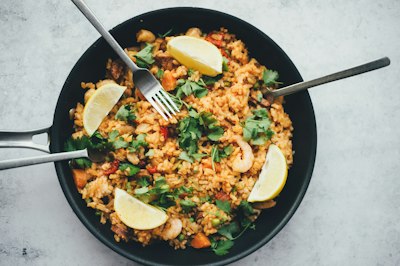
Jollof Rice
AED 55–95

Suya
AED 55–90
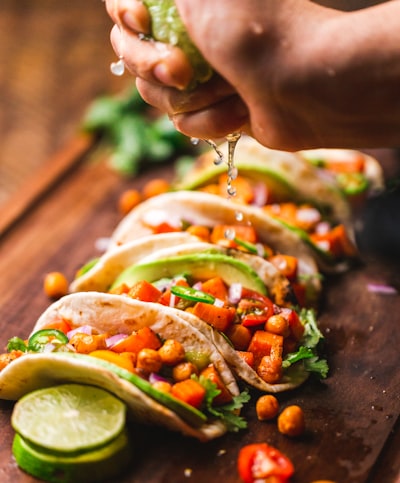
Egusi Soup
AED 65–95
Best Nigerian restaurants in Dubai: See our full ranked guide →
Ghanaian Food in Dubai
The rising presence — waakye, kelewele, and more
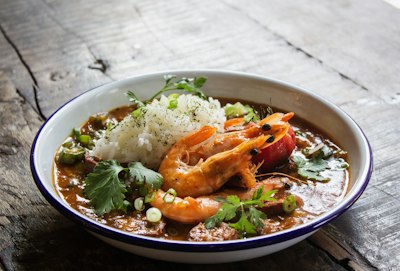
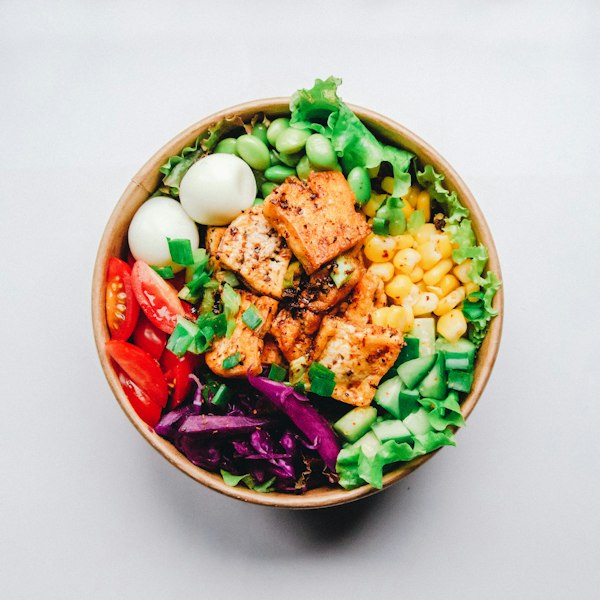
Ghanaian cuisine is gentler than Nigerian, leaning more heavily on aromatic spices rather than raw heat, with dishes that are equally satisfying but often more accessible for newcomers. Key pillars include waakye (rice and beans cooked together, served with an array of toppings), kelewele (spiced fried plantain), kenkey (fermented corn dough), and banku (fermented cassava and corn dough) served with grilled tilapia and pepper sauce.
Ghanaian jollof rice is also central to the ongoing jollof debate — the Ghanaian version uses basmati rice and a slightly different base, creating a more aromatic, fragrant version that Ghanaians will passionately defend as superior. The debate is friendly but fierce.
Waakye
AED 45–65

Kelewele
AED 30–45
Grilled Tilapia
AED 70–110
Ghanaian food in Dubai: Pan-African restaurants like KIZA offer Ghanaian-influenced dishes. Dedicated Ghanaian spots are emerging — see our full Ghanaian Food in Dubai guide →
Pan-African & Other West African Cuisines
Senegal, Côte d'Ivoire, Cameroon, and beyond
Beyond Nigerian and Ghanaian food, Dubai's West African scene includes a handful of pan-African restaurants where Senegalese, Ivorian, and Cameroonian influences are present. Senegalese cuisine is particularly notable: thiéboudienne (Senegal's national dish — rice and fish cooked in a rich tomato sauce with vegetables) is one of the great rice dishes of the world, and a forerunner to many jollof rice traditions across the continent. KIZA in DIFC does the best job of covering the breadth of West and Pan-African cuisine in a single menu.
Plantain, in all its forms, is the great unifier across West African cuisines. Fried sweet plantain (dodo in Nigeria, kelewele when spiced in Ghana, alloco in Côte d'Ivoire) appears on almost every table, at almost every meal, across the region. In Dubai, wherever you see plantain on a menu, you are close to something authentic.
Best West African Restaurants in Dubai
| Restaurant | Cuisine | Area | Price/Person | Best For |
|---|---|---|---|---|
| Enish | Nigerian | Sheikh Zayed Road | AED 120–280 | Special occasions |
| KIZA | Pan-African | DIFC | AED 150–300 | Business lunch / nights out |
| Chop House | Nigerian | JLT | AED 65–150 | Authentic everyday Nigerian |
| Biggy African Restaurant | Nigerian/West African | Karama | AED 50–110 | Families, casual lunches |
| Africana Home | Nigerian | Deira | AED 40–90 | Budget, heritage, community |
| Jollof House Dubai | Nigerian | Al Barsha | AED 45–75 | Jollof specialists, quick lunch |
| Pass D Jollof | Nigerian | JVC | AED 45–65 | South Dubai community dining |
| Lasgidi Café | Nigerian | Dubai Silicon Oasis | AED 35–75 | Lagos-style café, suya wraps |
West African Food: Beginner's Guide
Start with jollof rice
If you've never eaten West African food, jollof rice is the universal entry point. Order it with grilled chicken. Add fried plantain. This combination appears on virtually every Nigerian table at every meal.
Try suya as a starter
Before your main, order suya — the spiced grilled beef skewers. It arrives quickly, it pairs with cold drinks, and it gives you an immediate read on the kitchen's quality and spice calibration.
Graduate to egusi soup with pounded yam
This is the full Nigerian dining experience. Pounded yam (smooth, elastic, slightly dense) with egusi (melon-seed soup) is eaten by hand — pull a ball of yam, dip into the soup, eat in one bite. It is deeply satisfying and unlike anything else.
Approach pepper soup with caution
Nigerian pepper soup is intensely spiced and herbal — it uses combination of hot peppers and aromatic spices like Uziza and African nutmeg. It is considered medicinal and restorative. It is also seriously hot. Approach as an experience, not a casual bowl of soup.
Fried plantain with everything
Fried sweet plantain (dodo) is non-negotiable as a side dish. Caramelised, soft, slightly sweet against savoury dishes. It costs AED 20–35 and makes everything better.
Nigerian Food Cluster on This Site
🇳🇬 Nigerian & West African Food Guides
The full picture: cuisine, culture, dishes, restaurants
Ranked guide to every major spot in the city
Where to find Nigeria's greatest street food
The smoky dish and the great Nigeria vs Ghana debate
This guide — the broader West African scene
Waakye, kelewele, kenkey — Ghana's great cuisine

West African Food in Dubai — FAQ
What is West African food like?
West African cuisine is bold, flavourful, and built on complex spice blends, palm oil, fermented ingredients, and slow cooking. It ranges from the fiery (Nigerian pepper soup, suya) to the deeply earthy (egusi soup, palm nut soup) to the comforting and starchy (pounded yam, fufu, jollof rice). It is one of the world's most satisfying food traditions.
Is West African food healthy?
West African food is rich in protein, vegetables, and complex carbohydrates. Palm oil — a key ingredient — is high in saturated fat but also contains vitamin E and antioxidants. Fermented ingredients like locust beans and stockfish add probiotic elements. Overall, traditional West African cuisine is far more nutritionally complete than its Western street food equivalents.
Where is West African food most concentrated in Dubai?
The highest concentration of West African restaurants is in Karama and Deira, reflecting the historic residential areas of the African expatriate community. JLT, Sheikh Zayed Road (near The H Hotel), and Dubai Silicon Oasis also have notable clusters. DIFC has KIZA for upscale pan-African dining.
What is the price range for West African food in Dubai?
West African food in Dubai ranges from very affordable (AED 40–75 per person at Africana Home, Biggy, and Lasgidi Café) to mid-range (AED 80–160 at Chop House and Jollof House) to upscale (AED 150–300 at Enish and KIZA). There is an excellent option for virtually every budget.