Rwandan Food at a Glance
Rwanda's cuisine is one of the most misunderstood in Africa — often reduced to stereotypes of simple food when it is in fact a sophisticated, deeply rooted tradition built around extraordinary ingredients: fresh highland vegetables, hearty beans, slow-cooked cassava leaf stew, and charcoal-grilled brochettes that rival anything in the kebab-loving world.
- Isombe — Rwanda's defining dish
- Brochettes — ubiquitous grilled skewers
- Ugali — maize porridge staple
- Ibitoke — green banana dishes
- Ibirayi — potato preparations
- Ibishyimbo — bean stews, many varieties
- Umutsima — cassava-corn porridge
- Ikivuguto — fermented milk drink
Rwanda — the Land of a Thousand Hills — sits in the heart of East-Central Africa, bordered by Uganda, Tanzania, Burundi, and the Democratic Republic of Congo. Its highland geography shapes everything about its cuisine: the cool temperatures produce potatoes, sweet potatoes, beans, and maize rather than tropical fruit and spice. The cuisine is nourishing, earthy, and built on slow cooking rather than elaborate seasoning.
Dubai's Rwandan and Burundian communities are smaller than those from East African nations with longer histories of Gulf migration — but they exist, particularly in Deira and the labour accommodation areas of Jebel Ali and Dubai Industrial City. Finding genuinely Rwandan food in Dubai requires knowing where to look. This guide shows you exactly where.
The Building Blocks of Rwandan Cuisine
Unlike the spice-forward cuisines of the Indian Ocean coast or the rich stew traditions of West Africa, Rwandan cooking is defined by simplicity and quality of produce. The flavour complexity comes from slow cooking, fermentation, and the combination of contrasting textures rather than elaborate spice blending. Understanding the staples is the key to understanding the cuisine.
The Greens & Starches
Ugali (maize porridge), ibirayi (sweet potatoes and white potatoes), ibitoke (green bananas, steamed or stewed), cassava, and sweet potato leaves feature at almost every meal. The highlands produce some of Africa's finest potatoes — Rwandan ibirayi are dense and flavourful.
The Beans
Ibishyimbo (beans) are Rwanda's protein backbone — there are dozens of varieties, from small brown beans to large speckled kidney beans, each prepared differently. Bean stews are slow-cooked with onions, tomatoes, and occasionally palm oil. Beans feature in the national dish, Ugali na Ibishyimbo.
📚 Rwandan & Burundian Food Guide Series
Rwandan Dishes You Must Know
Isombe — The Soul of Rwandan Cooking
Isombe is Rwanda's most culturally significant dish: cassava leaves pounded to a fine paste and slow-cooked for hours with groundnuts (peanut butter), palm oil, garlic, and onions. Sometimes dried fish or smoked meat is added. The result is a thick, dark green stew with a richly nutty flavour and a slight bitterness from the cassava leaves that has been cooked out into something earthy and complex.
Isombe is eaten at celebrations, at funerals, on weekdays, and at every family gathering. It is the dish that Rwandans in Dubai crave most when they miss home. Finding a good isombe in Dubai is difficult — look at Congolese restaurants in Deira, where the dish appears under various names (the recipe is shared across Rwanda, Burundi, and eastern DRC).
Brochettes — Rwanda's Street Food King
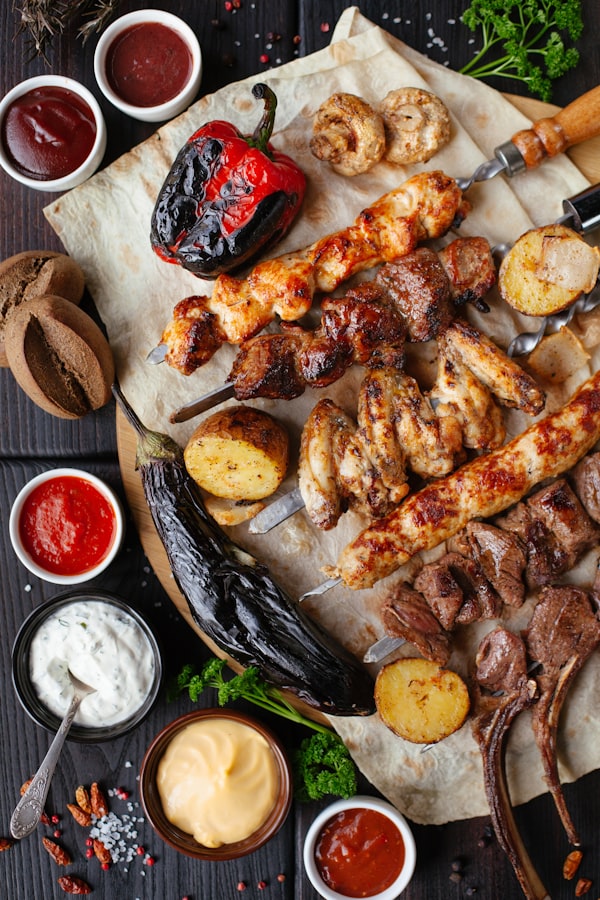
If isombe is the soul of Rwandan home cooking, brochettes are its street food. Grilled meat skewers (goat, beef, or chicken) cooked over charcoal without complex marinades — just salt, pepper, and the flavour of the fire. Served with fried ibirayi (potato chips) and sometimes a peri peri-style sauce.
The word "brochette" comes from French, reflecting Rwanda's Belgian colonial history — Rwanda was a Belgian protectorate until 1962, and French remained an official language until 2008. But the dish itself is thoroughly African in origin, related to mishkaki (Tanzania) and suya (Nigeria) in its celebration of charcoal-grilled meat.
Ugali na Ibishyimbo — The National Meal
Ugali (maize porridge) with ibishyimbo (bean stew) is Rwanda's daily staple — the meal that sustains most of the country's 14 million people on most days. The beans are slow-cooked until very soft, with onions, tomatoes, and sometimes a small amount of palm oil. The ugali is firm and eaten by hand. This combination is simultaneously the humblest and most beloved food in Rwanda.
Ibitoke — Green Banana Preparations
Rwanda grows many varieties of green banana (matoke in Uganda and Kenya), and they appear in several preparations: steamed in banana leaves until soft (ibitoke), stewed in goat or bean sauce, or simply boiled as a starchy accompaniment. The flavour is starchy and mild, similar to boiled plantain but denser. A good ibitoke has a slightly sweet, potato-like quality.
🇷🇼 Essential Rwandan Dishes — Quick Reference
Rwanda vs Burundi: Shared Plates, Different Traditions
Rwanda and Burundi share borders, languages (Kirundi and Kinyarwanda are closely related), histories, and most of their cuisine. Both nations share isombe, brochettes, ugali, ibishyimbo, ibitoke, and fermented milk traditions. The differences are subtle:
- Buroyi (Burundian palm wine) — More prominent in Burundian cuisine than Rwandan. Burundi has a stronger tradition of fermented banana and palm beverages.
- Fish from Lake Tanganyika — Burundi has lakeside access that Rwanda lacks; sambaza (small Tanganyika sardines) are a major protein in Burundian cooking, fried crispy and eaten whole.
- Ibirayi varieties — Burundian potato cultivation has slight regional variations in variety and cooking method.
- Spice use — Burundian cooking occasionally incorporates slightly more chilli than Rwandan — both are mild by global standards, but there is a regional distinction.
Where to Find Rwandan Food in Dubai
Dedicated Rwandan restaurants don't yet exist in Dubai — the community is present but small. Your best options:

East Africa Lounge — International City
The most reliable source of Rwandan-adjacent dishes in Dubai. The isombe (listed as cassava leaf stew) is available on Fridays, and the bean stew with ugali is on the menu daily. The Congolese-Rwandan overlap makes this the closest to genuinely Rwandan home cooking in the city. AED 25–65 per person.
See full list of Rwandan restaurants →
Congolese Restaurants — Deira & Bur Dubai
Eastern DRC cuisine shares isombe, ugali, and ibitoke with Rwandan cooking. Several Congolese restaurants in Deira's Al Murar and Naif areas serve these dishes. Search for "Congolese restaurant Dubai" or ask East African expat communities for the current best spots. AED 30–80 per person.
See our Congolese restaurant guide →The Cultural Context of Rwandan Dining
Understanding Rwandan food means understanding Rwandan culture. Food in Rwanda is deeply communal — the tradition of gufata mu gahigi (taking from the same dish) reflects the cultural emphasis on sharing and community that permeates Rwandan social life. Meals are rarely rushed. A proper Rwandan feast — for a wedding, a baptism, or an end-of-harvest celebration — will centre on a large spread of isombe, grilled brochettes, ugali, beans, and ibitoke placed in the middle of the table for everyone to share.
The Rwandan government's Umuganda tradition (monthly community work days) is accompanied by communal meals. Food is inseparable from community in Rwanda — which makes the small Rwandan expat community in Dubai unusually tight-knit around shared meals.
Home Cooking
Ugali, ibishyimbo, and sukuma wiki (greens) — simple, nourishing, daily staple that sustains Rwanda.
Celebration Food
Isombe with goat brochettes and ibitoke — the combination served at weddings, baptisms, and family gatherings.
Vegetarian Tradition
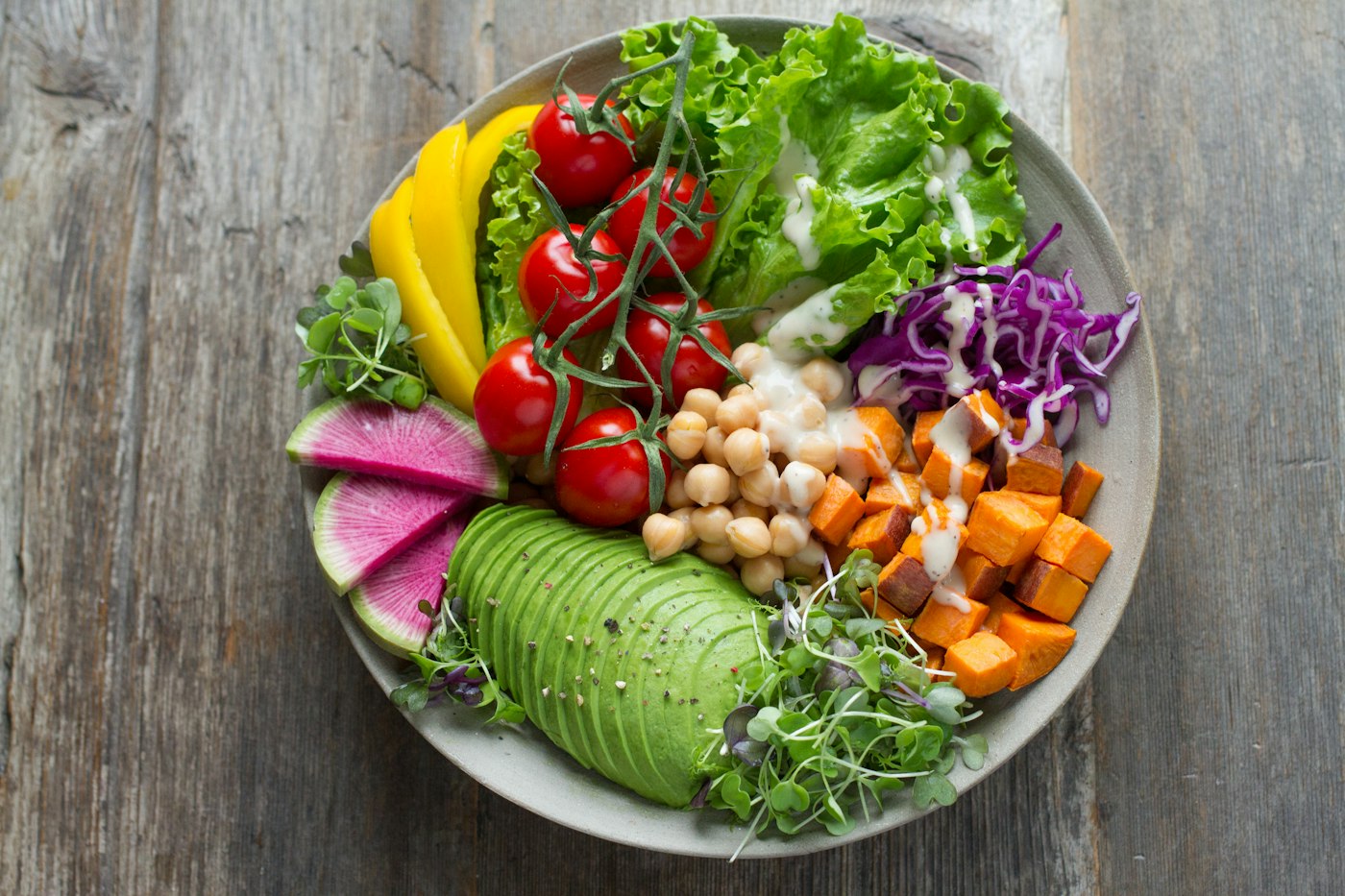
Rwanda has a strong vegetable tradition — isombe, bean stews, and greens mean vegetarians eat extremely well.

Frequently Asked Questions
What is Rwandan food like?
Rwandan food is hearty, earthy, and nourishing — built on starchy staples (ugali, potatoes, green bananas, cassava), protein from beans and grilled meat (brochettes), and vegetable preparations including isombe (cassava leaf and groundnut stew). The cuisine is mild in spice but complex in texture and technique. It reflects Rwanda's highland geography and communal food culture.
Is there a Rwandan restaurant in Dubai?
No dedicated Rwandan restaurant exists in Dubai as of 2025 — but Rwandan dishes are available at Congolese restaurants in Deira and Bur Dubai (the cuisines overlap significantly), and East Africa Lounge in International City serves isombe and Rwandan bean stew. The Rwandan and Burundian expat community in Dubai is present but small.
What is isombe?
Isombe is Rwanda's most celebrated dish: cassava leaves pounded and slow-cooked with groundnuts, palm oil, garlic, and onions into a rich, dark green stew. It has a nutty, earthy flavour with a slight bitterness. Served with ugali or rice. It's shared across Rwanda, Burundi, and eastern DRC and is available at Congolese restaurants in Dubai.
What are brochettes?
Brochettes are Rwanda's most popular street food — grilled meat skewers (goat, beef, or chicken) cooked over charcoal. The name comes from French (Belgium's colonial influence on Rwanda). They're equivalent to mishkaki in Tanzania or kebabs in the Middle East — simple, charcoal-grilled, and extraordinarily satisfying. Available at East African grill restaurants in Dubai.
Is Rwandan food suitable for vegetarians?
Yes — Rwanda has a strong vegetarian tradition. Isombe (when made without dried fish), ibishyimbo (bean stews), ibitoke (green banana), ugali, ibirayi (potatoes), and vegetable preparations mean vegetarians eat very well. Ask for the bean and vegetable combination at East African restaurants.