Tanzania at a Glance: Two Cuisines, One Country
Tanzania is unusual in East Africa because it has two genuinely distinct culinary traditions within its borders — the Swahili coast and Zanzibar island cooking, and the mainland cuisine of Dar es Salaam, Arusha, and the interior. Understanding this division is the key to understanding Tanzanian food.
- Tanzania's mainland cuisine is closely related to Kenyan highland cooking
- Zanzibar's cuisine is an Indian Ocean fusion — Arab, Persian, Indian, and African
- Zanzibar was the world's largest clove producer for two centuries
- Dar es Salaam street food is among the most vibrant in East Africa
- Ugali (called ugali in Tanzania too) is the national starch
- Coconut milk appears extensively in coastal cooking
- Tanzania has over 120 ethnic groups, each with food traditions
- The Swahili language was standardised in Tanzania — Zanzibar dialect is the benchmark
The Two Culinary Traditions of Tanzania
Mainland Tanzanian
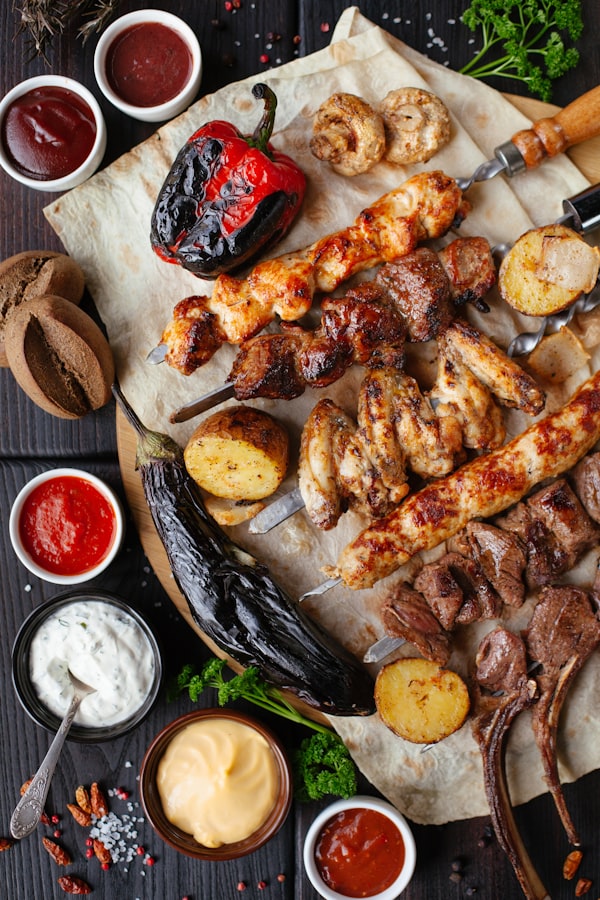
The cooking of Dar es Salaam, Arusha, Dodoma, and the interior. Built on ugali (maize porridge), nyama choma (grilled meat), beans, matoke (stewed banana), sukuma wiki (braised greens), and slow-cooked meat stews. Very similar to Kenyan highland cooking — shared Bantu roots, shared staple crops, shared ritual food culture around grilling. The ugali here can be slightly softer than the Kenyan version and sometimes incorporates cassava flour for a different texture.
Zanzibari / Swahili Coast
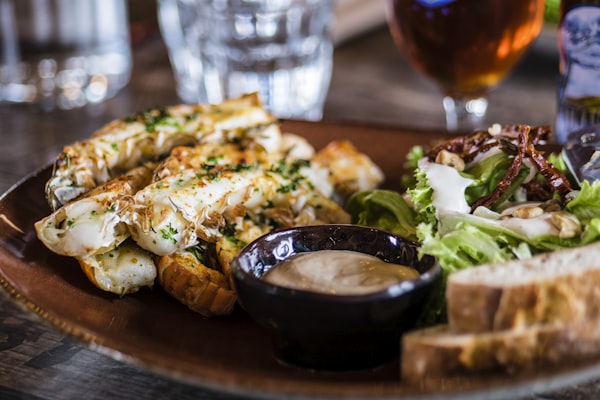
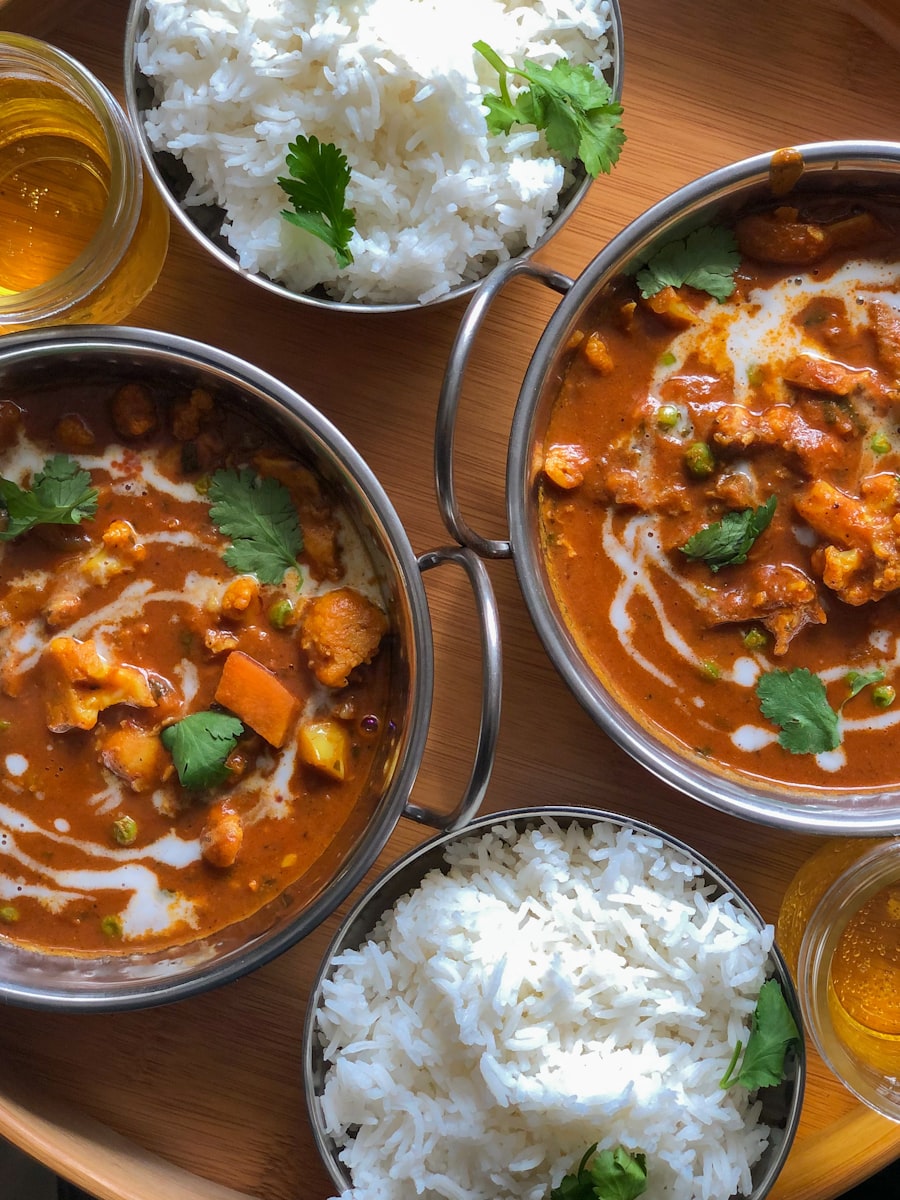
The cooking of Zanzibar island, Pemba, and the coastal mainland strip. A cuisine born from the Indian Ocean spice trade — Arab, Persian, and Indian influences layering onto African coastal foundations. Zanzibari biryani with coconut milk, pilau rice, coconut fish curries (mchuzi wa samaki), urojo (Zanzibar mix soup), mahamri (coconut doughnuts), and grilled seafood are the signatures. This is one of the most fragrant and complex cuisines in the world, and it is criminally underknown outside East Africa.
Essential Tanzanian Dishes: The Full Guide
From the Mainland
Mainland Tanzanian Dishes
From Zanzibar
Zanzibari Specialities
Where to Find Tanzanian Food in Dubai
The Tanzanian community in Dubai is smaller than the Kenyan or Ethiopian communities, but there are multiple places serving authentic Tanzanian food — both the mainland and Zanzibar traditions.

Swahili House Dubai — Bur Dubai
The only restaurant in Dubai specifically focused on Swahili coast and Zanzibari cooking. The biryani is excellent, the coconut fish curry is the city's best, and the mahamri with chai is a perfect starter. Licensed (Tusker beer available). Reservations recommended for weekends. AED 70–130/person.
Full Swahili Coast Guide →
Nairobi Nights — Deira
Primarily Kenyan, but the menu and cooking style extend naturally to mainland Tanzanian dishes — the ugali, nyama choma, and sukuma wiki here are effectively East African community food, not rigidly Kenyan. Ask about the Tanzanian specials on weekends. AED 60–120/person.
Full Kenyan Restaurant Guide →
East Africa Lounge — International City
Pan-East African menu that includes Tanzanian dishes alongside Kenyan and Ugandan food. Good for groups who want to sample across the region. Wali wa nazi and maharage ya nazi are on the regular menu. Large hall, live music weekends. AED 55–95/person.
View Review →Tanzanian Food by Occasion
Family Gathering
Go for East Africa Lounge's nyama choma platter — order in advance, bring 6+, and settle in for a long, joyful communal meal in true Tanzanian style.
Date Night
Swahili House Dubai for Zanzibari biryani and coconut fish curry. The atmosphere is warm, the food is extraordinary, and the Tusker with mahamri is a great opening act.
Budget Lunch
Any Kenyan restaurant for wali wa nazi (coconut rice) with beans — AED 30–40 for a complete, satisfying lunch that represents everyday Tanzanian home cooking perfectly.
Grill Night
Nairobi Nights or Savanna Grill for nyama choma. The grilling tradition is shared equally between Kenya and Tanzania — both communities eat it the same way.
Breakfast / Morning
Swahili House for mahamri and chai ya tangawizi. The coconut doughnuts with spiced ginger tea is one of the best breakfasts available anywhere in Dubai for AED 25–35.
Vegetarian
Maharage ya nazi (beans in coconut milk) + wali wa nazi (coconut rice) + sukuma wiki is a complete, satisfying, and deeply authentic vegetarian Tanzanian meal at any East African restaurant.
Tanzanian vs Kenyan Food: What's the Difference?
The two cuisines share a Swahili language and many common dishes, but there are meaningful differences worth knowing before you visit.
- Ugali texture: Tanzanian ugali is sometimes softer and can include cassava flour, producing a stickier, slightly different texture than the firm, purely maize Kenyan version.
- Coconut use: Tanzanian mainland cooking uses significantly more coconut milk than Kenyan highland cooking. Beans, rice, and even some stews are coconut-enriched.
- Zanzibar influence: Kenya has its Swahili coast (Mombasa, Lamu), but Tanzania's Zanzibar is more prominent globally. The biryani and spice culture is more developed in the Tanzanian tradition.
- Street food diversity: Tanzanian street food — particularly the Dar es Salaam and Zanzibar traditions — is more diverse and complex than its Kenyan equivalent. Urojo (Zanzibar mix) has no direct Kenyan equivalent.
- Shared traditions: Nyama choma, sukuma wiki, pilau, chapati, samosas, and the chai culture are effectively identical between the two cuisines.
Tanzanian Food Cluster

Tanzanian Food FAQ
Is Tanzanian food spicy?
Mainland Tanzanian cooking is mild to moderately spiced. Coastal and Zanzibari cooking is aromatic and fragrant — heavily spiced with cardamom, cloves, cumin, and cinnamon — but the heat from fresh chillis is usually moderate and can be adjusted. Ask your server to specify chilli levels if you are sensitive to heat.
What is the national dish of Tanzania?
Tanzania doesn't have an officially designated national dish, but ugali with nyama choma and sukuma wiki would be the consensus choice on the mainland. For Zanzibar, Zanzibari biryani (pilau) holds an equivalent cultural centrality.
Can vegetarians eat at Tanzanian restaurants?
Yes, very well. Maharage ya nazi (beans in coconut milk), wali wa nazi (coconut rice), sukuma wiki (braised kale), matoke (stewed banana), and ugali are all vegetarian and collectively make a complete and satisfying meal. Zanzibari restaurants also offer bhajias (spiced vegetable fritters) and vegetable biryani.
Is Tanzanian food halal in Dubai?
Yes. The majority of Tanzania's coastal population is Muslim, and all East African restaurants in Dubai use halal-certified meat. The Zanzibari tradition is essentially entirely halal by heritage.
How many Tanzanians live in Dubai?
Estimates suggest 10,000–15,000 Tanzanian nationals in the UAE, with the majority in Dubai. The community is smaller than the Kenyan or Ethiopian diasporas but has a significant presence in Bur Dubai, Deira, and Al Quoz.
Related East African Food Guides