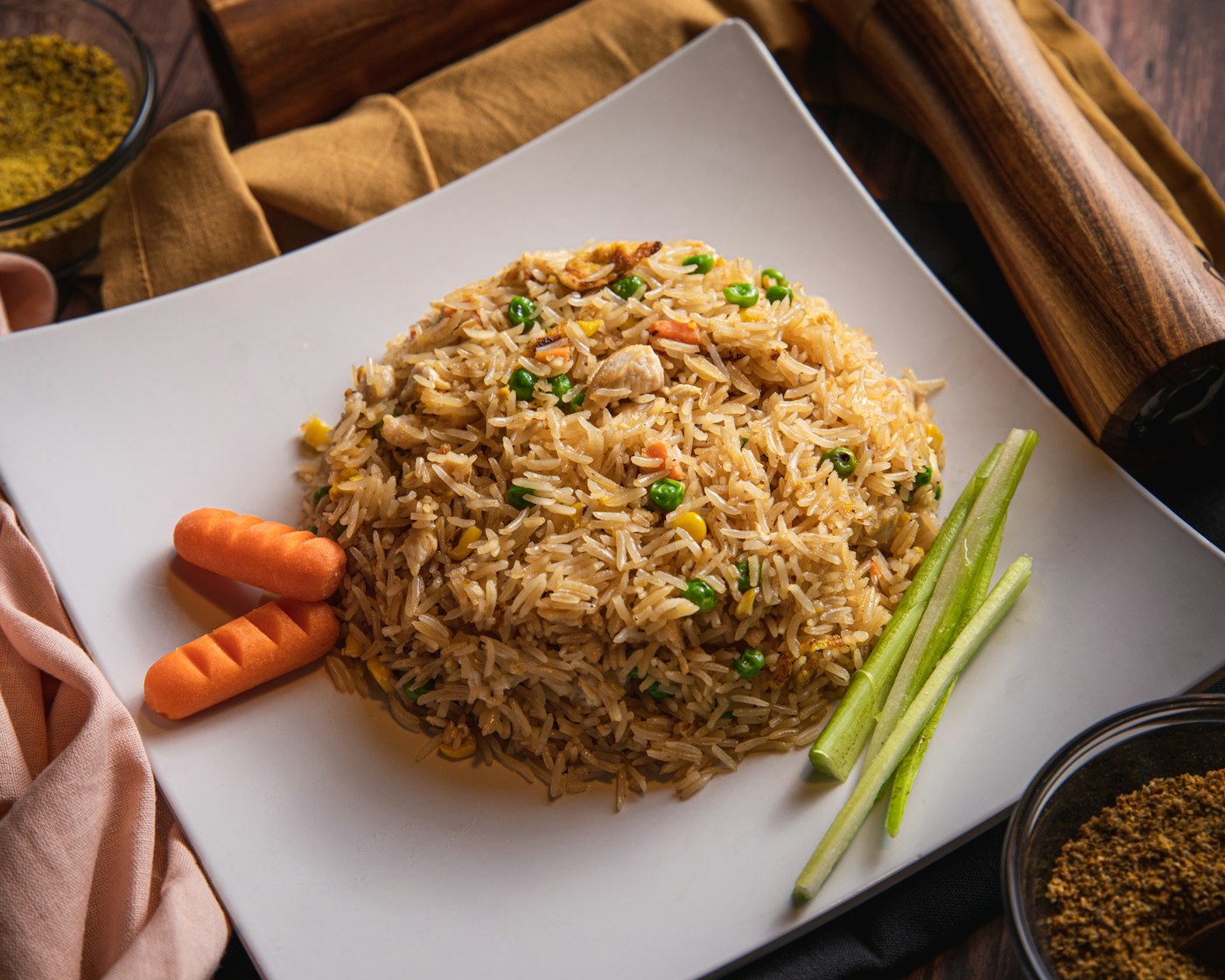
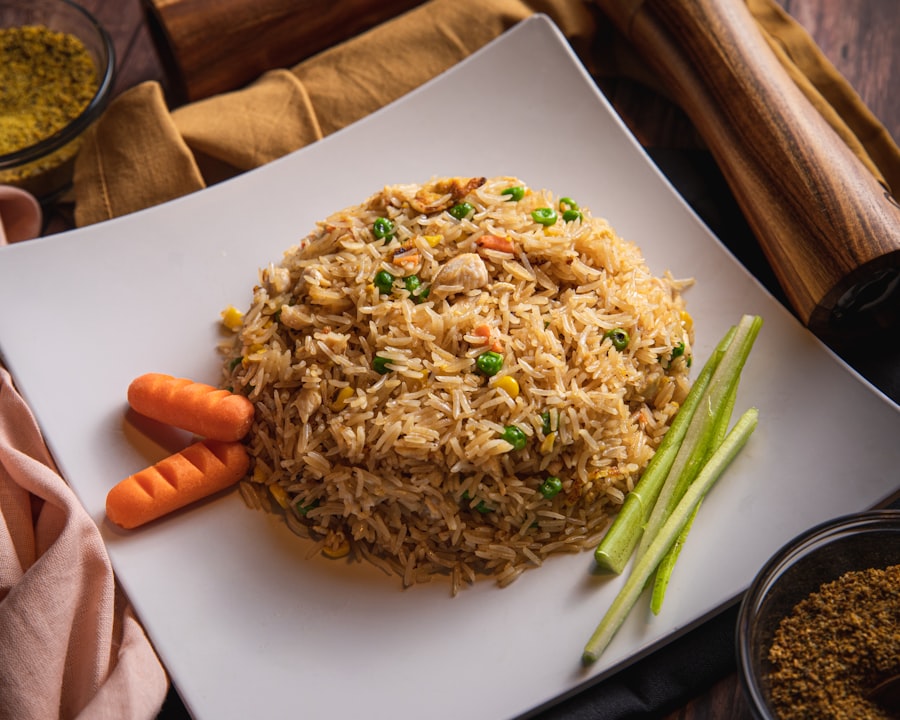
Zanzibari biryani is one of those dishes that stops food lovers mid-bite. You arrive expecting something like Indian biryani — and you find something related but fundamentally different. The coconut milk gives the rice a richness and faint sweetness. The spice profile is more clove-forward than Indian versions, reflecting Zanzibar's historic role as the world's leading clove producer. The rosewater finish adds a floral dimension that is entirely unlike any biryani you've tasted before.
In Dubai, Zanzibari biryani is a community dish rather than a fine-dining statement. You find it in modest Deira shopfronts, Bur Dubai restaurants serving East African expats, and International City's quietly extraordinary food cluster. This guide tells you everything you need to know.
What Makes Zanzibari Biryani Different?
Biryani arrived in Zanzibar with the Arab, Persian, and South Asian traders who dominated the Indian Ocean from the 10th century onward. The Omani Sultanate ruled Zanzibar for much of the 19th century, and with Omani traders came the rice-and-spice cooking traditions of the Persian Gulf. Local cooks adapted these dishes using the island's own coconut palm, incorporating coconut milk in ways the mainland traditions never did.
The result is a dish that owes intellectual debts to Indian biryani but has evolved across centuries into something entirely its own — a product of the Swahili coast's extraordinary cultural synthesis of African, Arab, Persian, and South Asian influences.
🇹🇿 Zanzibari Biryani
- Rice cooked in coconut milk
- Clove and cardamom forward
- Rosewater or rose essence finish
- Served with kachumbari (fresh tomato salsa)
- Clay pot steaming (traditional method)
- Coconut raita accompaniment
- Slightly sweet background note
- Protein: chicken, goat, beef, seafood
🇮🇳 Indian Biryani (Hyderabadi)
- Rice cooked in stock or water
- Saffron and rose petal focus
- Dum (steam-sealed) cooking method
- Served with raita and pickle (achaar)
- Caramelised onion garnish
- Mint and coriander chutney
- Savoury, deeply umami profile
- Protein: chicken, mutton, fish
How Zanzibari Biryani is Made
The cooking process is similar to Indian biryani in its layered approach but differs in the liquid used and the spice sequencing. A traditional preparation looks like this:
Marinate the Meat
Chicken or goat is marinated in a paste of cardamom, cinnamon, cloves, black pepper, ginger, garlic, and a small amount of coconut milk for 2–4 hours. This is where the dish's depth of flavour begins.
Fry the Aromatics
Sliced onions are fried slowly in ghee until deep golden-brown and sweet. These are set aside as the garnish. Whole spices — green cardamom, cloves, cinnamon sticks, black peppercorns, bay leaves — are then toasted in the same ghee.
Cook the Meat
The marinated meat is added to the spiced ghee and cooked until partially done. Tomatoes and additional aromatics are added. The meat is cooked until the sauce reduces.
Prepare the Coconut Rice
Long-grain or basmati rice is parboiled in coconut milk (not water) with whole spices until 60–70% cooked. The coconut milk infuses every grain with richness and faint sweetness — this is the defining step.
Layer and Steam
The partially cooked rice is layered over the meat, finished with rosewater, fried onions, and sometimes a pinch of saffron. The pot is sealed and steamed over low heat — the traditional method uses a clay pot sealed with dough.

Where to Find Zanzibari Biryani in Dubai

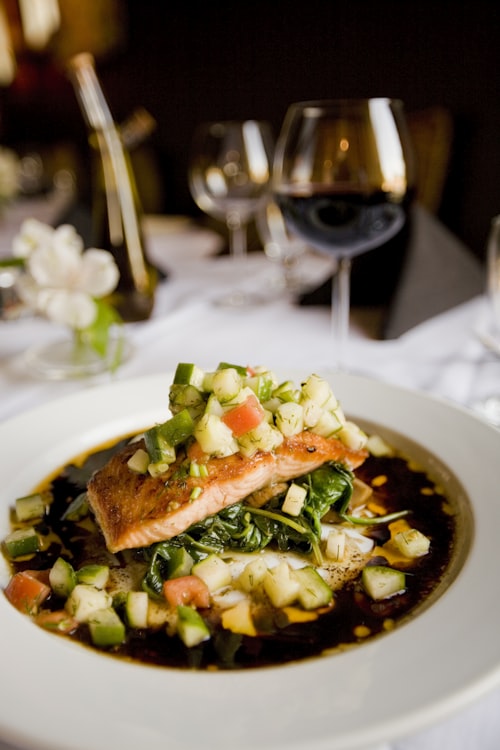
Swahili House Dubai — Best Overall
Bur Dubai ★ Editor's PickThe most consistently excellent Zanzibari biryani in Dubai. The chicken version (AED 72) is prepared using the clay pot method, and the rosewater and coconut combination is immediately recognisable as distinctively Zanzibari. Order the coconut fish curry alongside.
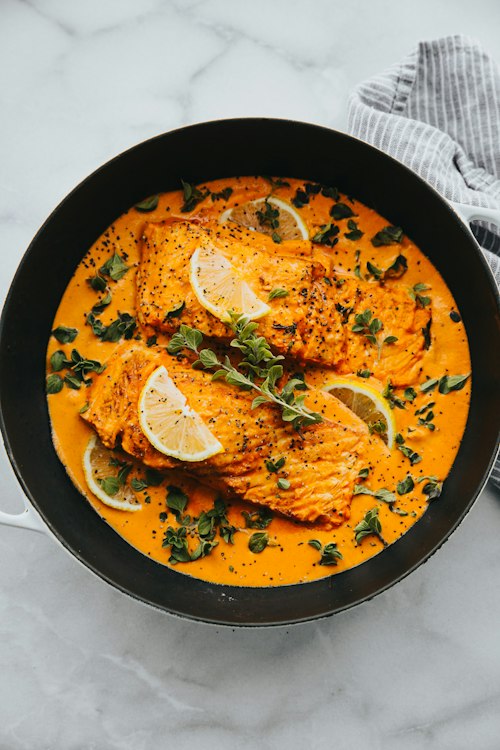
Zanzibar Lounge & Kitchen — Best Value & Variety
Deira Six Biryani TypesSix varieties of biryani on one menu — chicken, beef, goat, fish, prawn, and mixed seafood. The goat version (AED 58) is the community favourite. The urojo starter (AED 35) is essential. Casual and canteen-style, but the food is exceptional.
East Africa Lounge — Best for Exploration
International City Budget-FriendlyThe biryani here is excellent value — the fish biryani (AED 52) uses fresh fish in a lighter coconut broth than the heavier versions elsewhere, making it a good entry point for first-timers. The pilau rice is also outstanding and worth ordering as an alternative.
What to Order Alongside Zanzibari Biryani
Zanzibari biryani is rarely eaten alone. Traditional accompaniments include:
Essential Biryani Accompaniments

Frequently Asked Questions
What is Zanzibari biryani?
Zanzibari biryani is a layered rice dish from Zanzibar, Tanzania, made with long-grain rice cooked in coconut milk with whole spices, marinated meat, and finished with rosewater. It reflects centuries of Arab, Persian, and South Asian influence on Zanzibar's cuisine.
Is Zanzibari biryani the same as Kenyan biryani?
They're closely related — pilau rice (a drier, whole-spice rice dish) is more common on Kenya's mainland, while the wetter, coconut-milk version is distinctively Zanzibari. In Dubai, restaurants from Tanzania's Zanzibar community will serve the coconut milk version; Kenyan restaurants more often serve pilau or a drier biryani style.
How much does Zanzibari biryani cost in Dubai?
Expect to pay AED 45–80 per portion, depending on the protein. Chicken and fish biryanis are at the lower end (AED 45–68); goat and prawn biryanis tend to be AED 58–80. This is excellent value for a generous, filling dish.
Can I order Zanzibari biryani for delivery in Dubai?
Some of the restaurants listed above offer delivery via Talabat or Noon Food — Zanzibar Lounge in Deira is the most reliable for delivery. Note that biryani travels reasonably well but the crispy fried onion garnish softens in transit, so eating in is preferable for the full experience.