Tanzania's cuisine is one of East Africa's most diverse — shaped by Swahili coast trading history, Zanzibar's spice archipelago, and the fertile mainland highlands. In Dubai, Tanzanian restaurants are scattered across Bur Dubai, Deira, and International City, catering to a large East African expat community. This guide covers the best, with prices, honest opinions, and insider ordering tips.
Best Overall
Swahili House Dubai
Best Zanzibari Biryani
Zanzibar Lounge & Kitchen
Best Nyama Choma
Kilimanjaro Grill House
The Rankings: Dubai's Best Tanzanian Restaurants

Swahili House Dubai
Swahili House Dubai is the city's flagship destination for East African coastal cuisine, with a particular emphasis on the Tanzanian Zanzibar tradition. The restaurant's décor channels the island aesthetic — dhow wood accents, spice-merchant lanterns, and the scent of cardamom and cloves drifting from the open kitchen. This is the sort of place where serious Tanzanian food lovers come first.
The Zanzibari biryani (AED 72) is extraordinary — long-grain rice layered with coconut-marinated chicken, whole spice pods, crispy fried onion, and a rosewater finish that makes it unmistakably Zanzibari rather than Indian. Order the coconut fish curry (AED 68) alongside it — a fragrant, slightly sweet sauce of coconut milk, tomatoes, and pilipili (East African chilli) over firm white fish. The mchuzi wa pweza (octopus curry, AED 75) is a menu highlight that the regulars guard jealously.
Zanzibar Lounge & Kitchen
A favourite in Deira's tight-knit East African community, Zanzibar Lounge & Kitchen specialises in the rice-based dishes of the Zanzibar archipelago. The dining room is large and canteen-style — communal tables, boisterous conversation, and the kitchen's biryani pots visible from your seat. It's unpretentious, efficient, and the food is genuinely outstanding.
The biryani menu alone runs to six varieties — chicken, beef, goat, fish, prawn, and mixed seafood — each steamed in the traditional clay pot method. The goat biryani (AED 58) is our recommendation: bone-in pieces of slow-cooked goat, deeply spiced, with the rice carrying amber-coloured saffron threads throughout. The urojo (Zanzibar mix soup, AED 35) is served as a starter and is a must-try — the tangy mango soup base with bhajias, cassava chips, and tamarind chutney is a dish you'll daydream about.

East Africa Lounge
International City's Ethiopia and Kenya clusters are home to some of Dubai's most authentic African dining, and East Africa Lounge is among the best of the bunch. The menu spans Tanzania, Kenya, Uganda, and Ethiopia — but the Tanzanian section is where the kitchen's heart lies, given the predominantly Tanzanian and Kenyan staff.
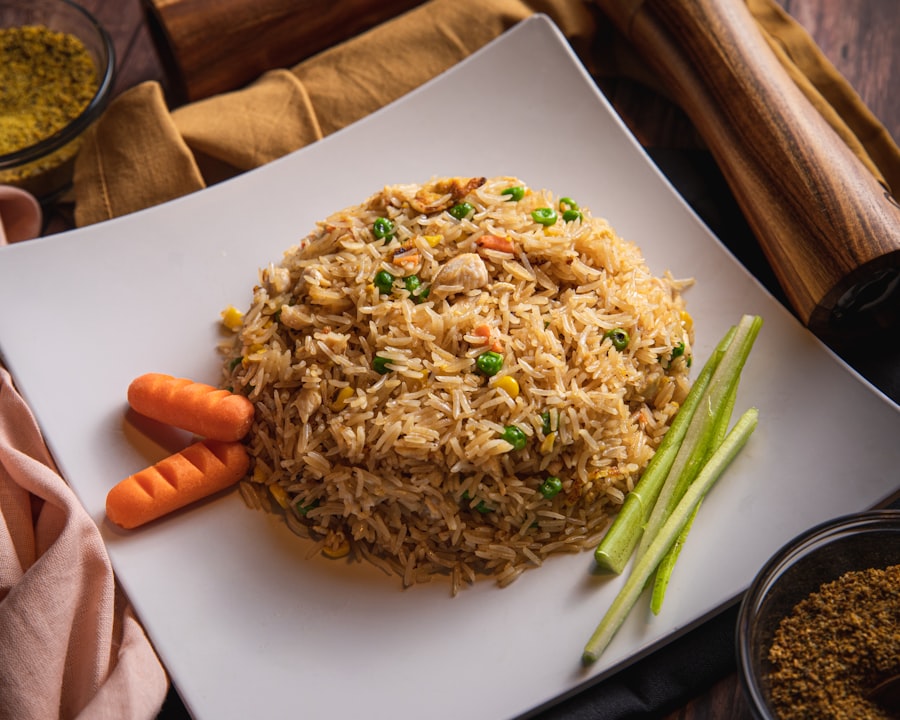
The pilau rice with goat (AED 45) is the go-to order — pilau is one of Tanzania's most beloved dishes, a whole-spice rice with caramelised onions and tender goat that differs from biryani in its drier, more aromatic profile. The wali wa nazi (coconut rice, AED 22) served alongside samaki wa kupaka (grilled fish in coconut sauce, AED 52) is a classic Swahili coast combination. Portions are generous and prices are among the most reasonable on this list.
Kilimanjaro Grill House
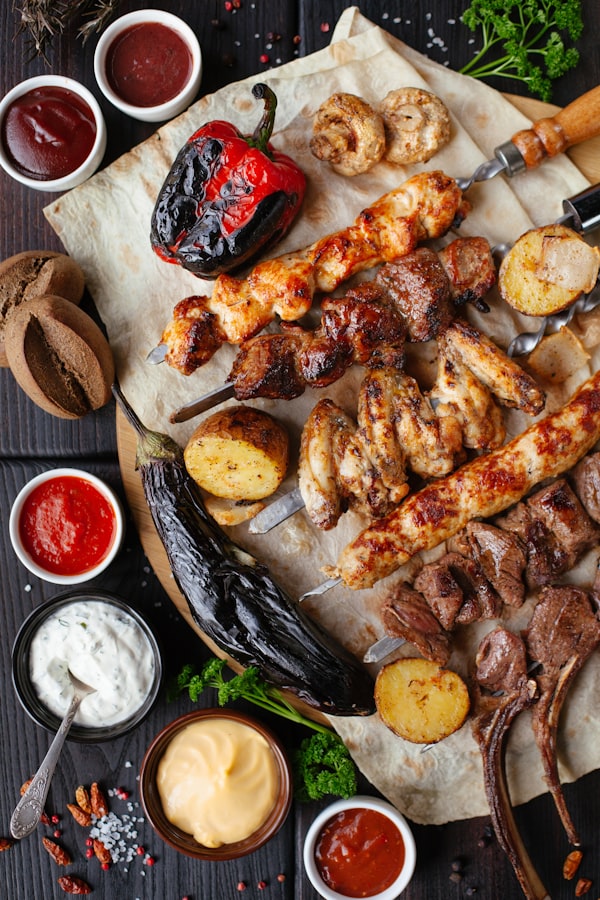
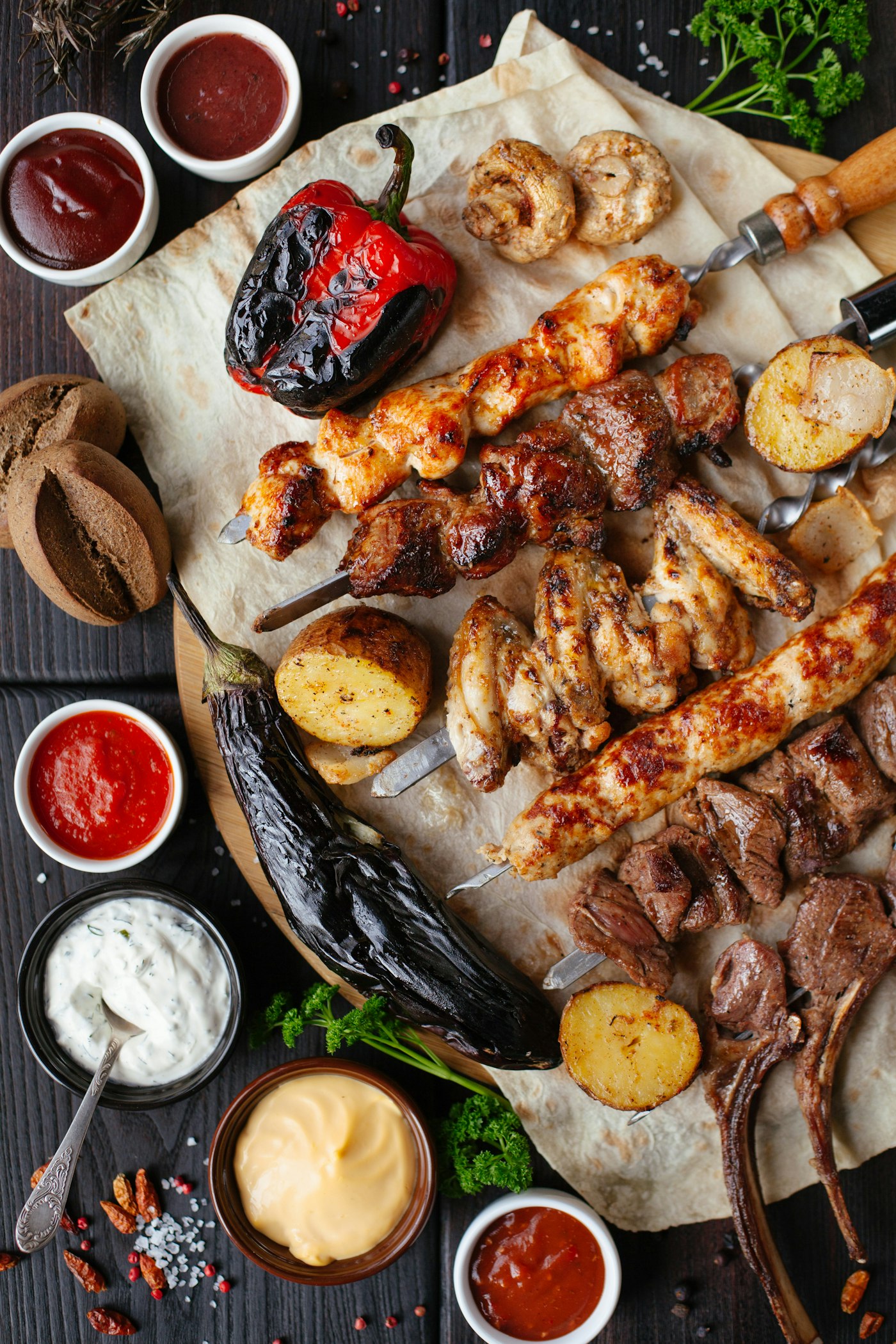
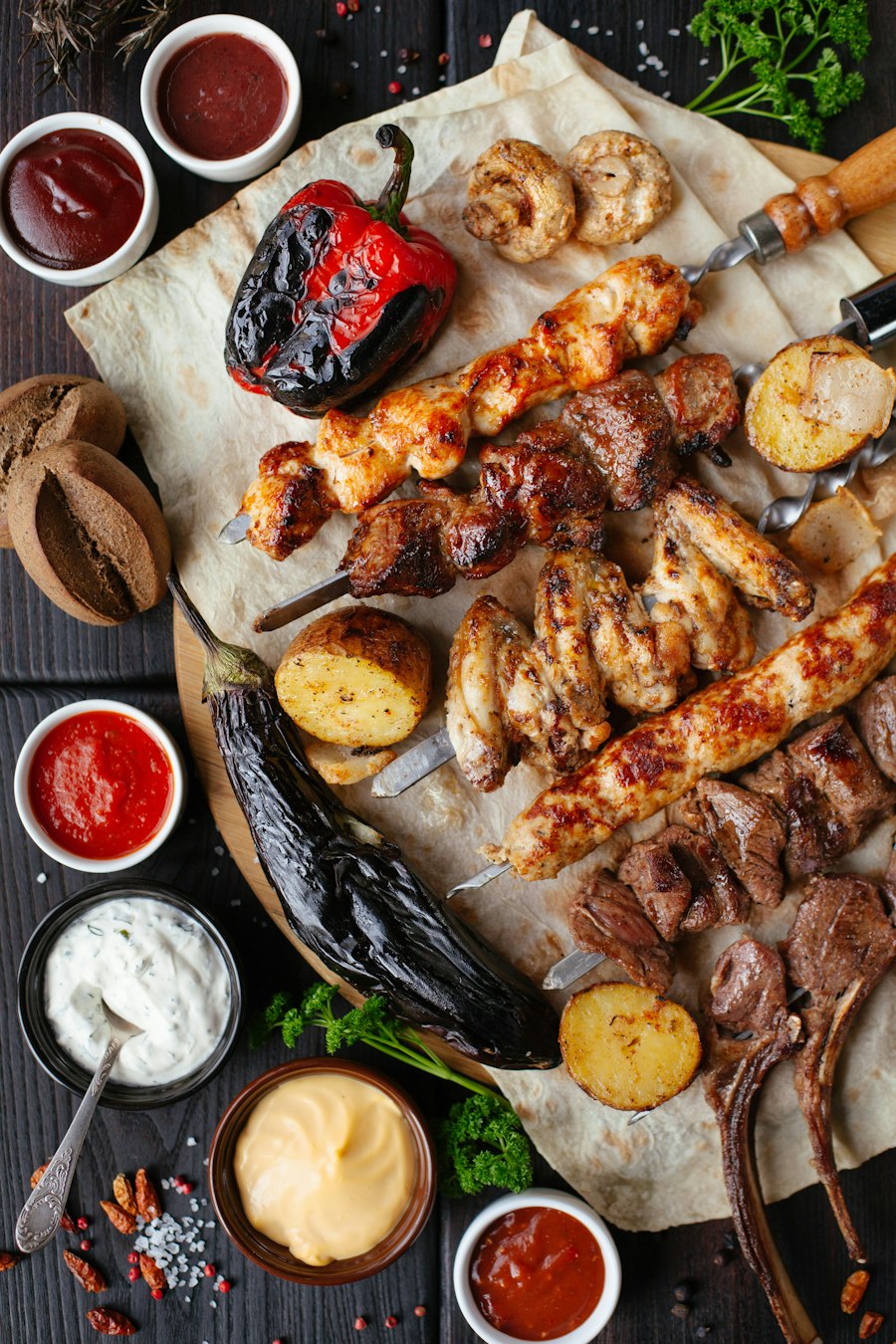
Named for Africa's highest peak, Kilimanjaro Grill House is the address for nyama choma in Dubai — the Tanzanian/Kenyan tradition of slow-roasted meat cooked over charcoal without marinades or sauces, relying entirely on the quality of the meat and the skill of the fire. The kitchen takes this seriously.
The nyama choma platter (AED 130 for two) arrives as a carved heap of goat and beef, still smoking from the grill, with kachumbari (fresh tomato-onion salsa), ugali, and roasted plantain. The mishkaki (beef skewers, AED 48) are marinated in lemon and spices and are among the most satisfying street-food-style dishes in this part of Dubai. Book a table for Friday evening — the atmosphere then, with families and groups filling every table, is the full East African communal dining experience.

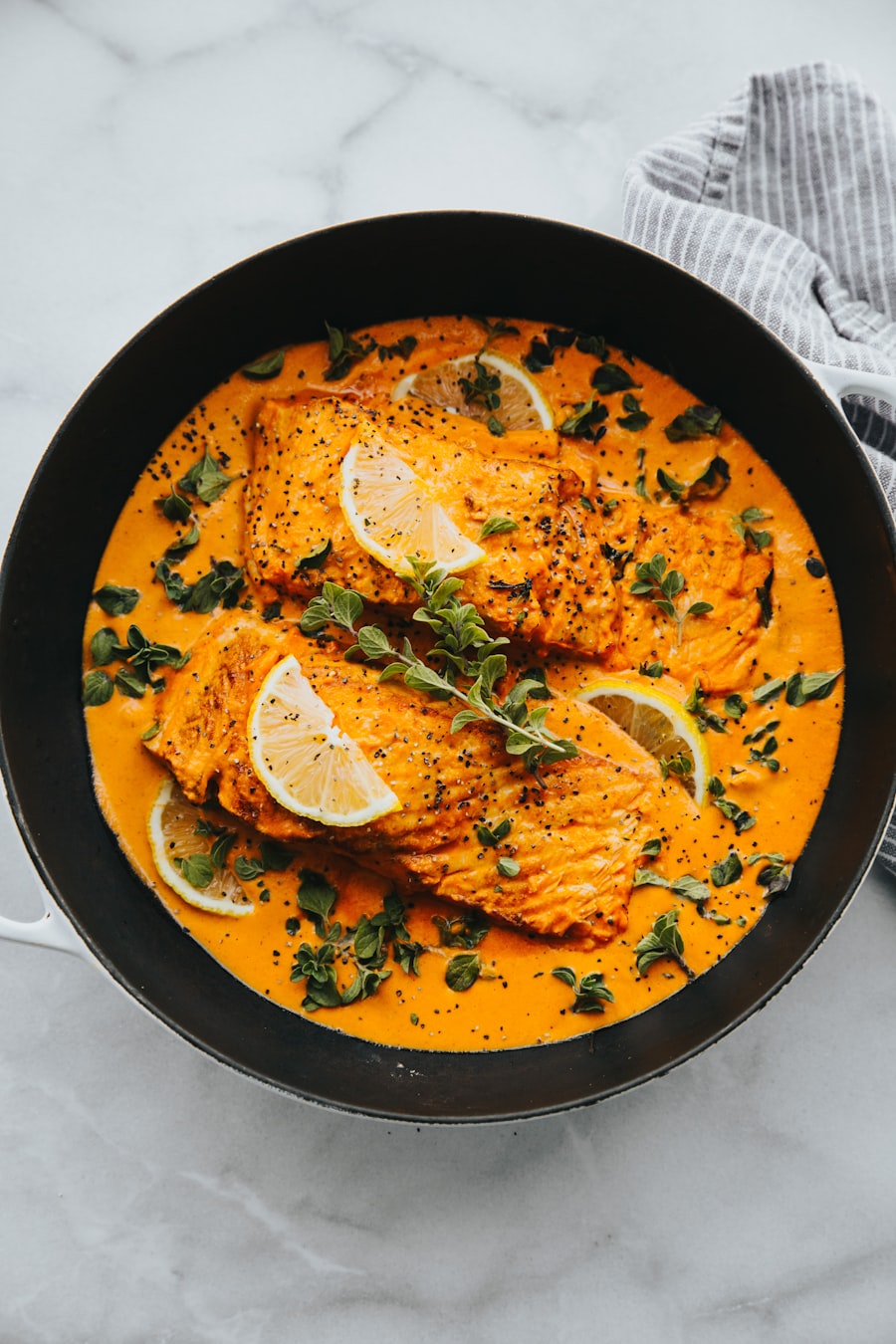
Dar Kitchen Dubai
Dar Kitchen (named for Dar es Salaam, Tanzania's largest city) is the city's best-kept secret for mainland Tanzanian home cooking — the everyday dishes of Dar es Salaam's residential neighbourhoods rather than the spiced grandeur of Zanzibar. Located in a modest Karama shopfront, it's a lunch-focused spot that runs out of popular dishes by early afternoon.
The mchuzi wa kuku (chicken curry, AED 42) is slow-cooked in a tomato and coconut base with coriander and green chilli — comforting, well-seasoned, and deeply satisfying. The wali wa kawaida (plain coconut rice, AED 18) with maharage ya nazi (coconut beans, AED 22) is the vegetarian combination that regulars swear by. Get there before 1pm on a weekday — the kitchen cooks in limited quantities.
What to Order: A Guide to Tanzanian Dishes
If you're new to Tanzanian food, the menu can be unfamiliar. Here are the essential dishes to look for across all five restaurants:
- Zanzibari biryani — Coconut milk-based layered rice dish, richer and more fragrant than its Indian counterpart. AED 55–75.
- Pilau — Whole-spice rice cooked with meat and caramelised onions. The everyday celebration dish. AED 40–60.
- Nyama choma — Unseasoned charcoal-roasted meat, eaten with kachumbari and ugali. AED 55–130.
- Ugali — Dense maize porridge used as a starch and eaten by hand. Never served alone. AED 10–18.
- Mishkaki — Marinated beef or chicken skewers, the Tanzanian equivalent of Middle Eastern kofta. AED 35–55.
- Wali wa nazi — Coconut rice, the Swahili coast staple. Slightly sweet and aromatic. AED 15–25.
- Urojo (Zanzibar mix) — Tangy mango soup with fritters, cassava chips, tamarind chutney. Rare but extraordinary. AED 30–40.
- Samaki wa kupaka — Grilled fish with coconut cream sauce, a Zanzibar signature. AED 55–85.

Frequently Asked Questions
Is there a dedicated Tanzanian restaurant in Dubai?
Dubai doesn't have many restaurants that bill themselves exclusively as Tanzanian — most serve a broader East African or Swahili coast menu. Swahili House Dubai comes closest, with a strong emphasis on Tanzanian and Zanzibari cooking. Zanzibar Lounge in Deira is another specialist worth visiting.
Where is the best area for East African food in Dubai?
Bur Dubai and Deira have the highest concentration of East African restaurants. International City's Ethiopia and Kenya clusters are also excellent and particularly authentic, as they cater to a large resident East African expat population with high expectations for home-style cooking.
Is Tanzanian food halal in Dubai?
Yes — all restaurants listed here are halal-certified, as Tanzania has a significant Muslim population (particularly on the Zanzibar archipelago) and the restaurant owners maintain halal standards for both religious and commercial reasons.
What is the difference between Tanzanian and Kenyan food?
The mainland dishes overlap considerably — both feature ugali, nyama choma, sukuma wiki, and pilau. The key difference is Tanzania's Zanzibar archipelago, which adds a distinctly Arab and Indian Ocean-influenced dimension: Zanzibari biryani, urojo, coconut curries, and spiced dishes reflecting centuries of Indian Ocean trade. This Zanzibari cuisine is unique to Tanzania.