If you have ever eaten at a Kenyan or Tanzanian restaurant and wondered what that dense white disc sitting next to the nyama choma is — that's ugali. It is perhaps the most important food in East Africa, a dish that goes by different names in different countries (posho in Uganda, sadza in Zimbabwe, nshima in Zambia) but refers to the same essential thing: white maize flour cooked in boiling water until it forms a firm, starchy mass that serves as the centrepiece of most meals.
Ugali doesn't look impressive. It doesn't taste of much by itself. But it is the culinary bedrock of Tanzania and Kenya — the starch around which every other element of a meal is organised. Once you understand how to eat it and what it's paired with, you realise it's one of the most quietly satisfying foods in the world.
What Exactly Is Ugali?
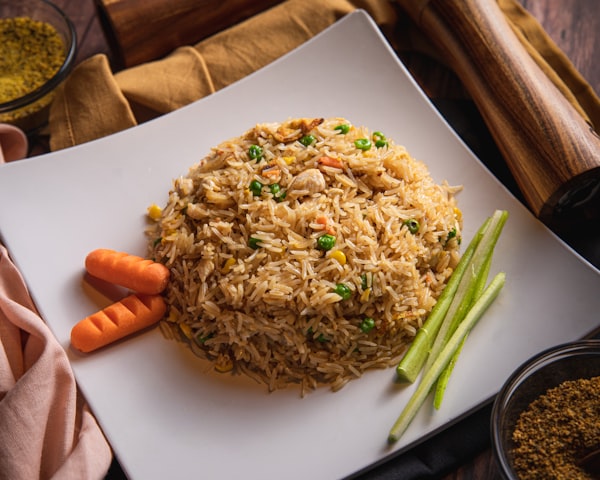
Ugali is made from finely milled white maize flour (sometimes called posho meal or ugali flour) cooked in boiling water. The flour is added gradually while stirring constantly — the longer it cooks and the more it is worked, the firmer and drier the final ugali. A well-made ugali holds its shape when scooped, doesn't stick to the fingers when rolled, and has a clean, slightly earthy flavour.
The consistency varies by region and personal preference: some families make softer ugali that can be scooped like mashed potato; others prefer a firmer version that can be sliced. In Tanzania, the standard ugali is quite firm — dense enough to hold a divot when pressed with a thumb, which is how you use it to scoop stews.
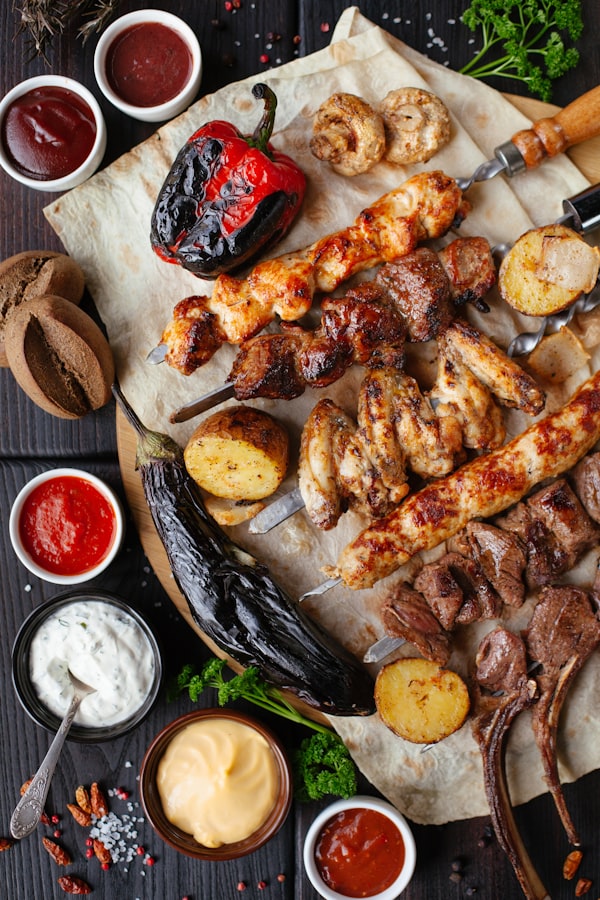
Ugali is almost never eaten alone. It is always accompanied by a protein (nyama choma, mchuzi wa samaki fish curry, fried fish) and a vegetable (sukuma wiki braised greens, beans, or stewed tomatoes). The ugali is the neutral base that ties these elements together.
Ugali Across East Africa: Regional Variations
Tanzania — Ugali
Firm white maize ugali. The most common daily starch, eaten with nyama choma, fish, or stewed beans.
Kenya — Ugali
Near-identical to Tanzanian ugali. Sometimes slightly softer. Eaten with sukuma wiki and nyama choma.
Uganda — Posho
Called posho, usually slightly softer than Tanzanian ugali. Often served alongside matoke (green banana stew) or groundnut stew.
Zambia — Nshima
Very similar to ugali. Often thinner consistency. Called nshima, a source of significant national pride in Zambia.
Zimbabwe — Sadza
Sadza is Zimbabwe's equivalent, often slightly finer in texture. A staple at every Zimbabwean meal.
Malawi — Nsima
Similar to all the above, often made from finer-ground maize. Can be made from cassava flour in some regions.
How to Eat Ugali (The Right Way)
First-time ugali eaters often make the mistake of using cutlery. The authentic way to eat ugali is always by hand, and once you understand the technique, you'll understand why — the hand is the perfect tool for this particular food.
Wash Your Hands
Ugali is eaten by hand — a bowl of water for hand-washing is always brought before the meal at Tanzanian restaurants. This is not optional etiquette but a practical necessity.
Pinch Off a Piece
Using your right hand, pinch off a small piece of ugali (golf ball-sized) from the serving bowl or the disc on your plate. The ugali should be firm enough to pinch cleanly.
Roll and Indent
Roll the piece briefly between your fingers to smooth it into a small ball. Then press your thumb into the centre to create a small indentation — this is the "scoop" that will hold your stew or sauce.
Scoop and Eat
Use the thumb-indented ugali ball to scoop up a piece of meat, fish, or vegetable stew. Place the whole thing in your mouth. The ugali and accompaniment are eaten together — never separately.
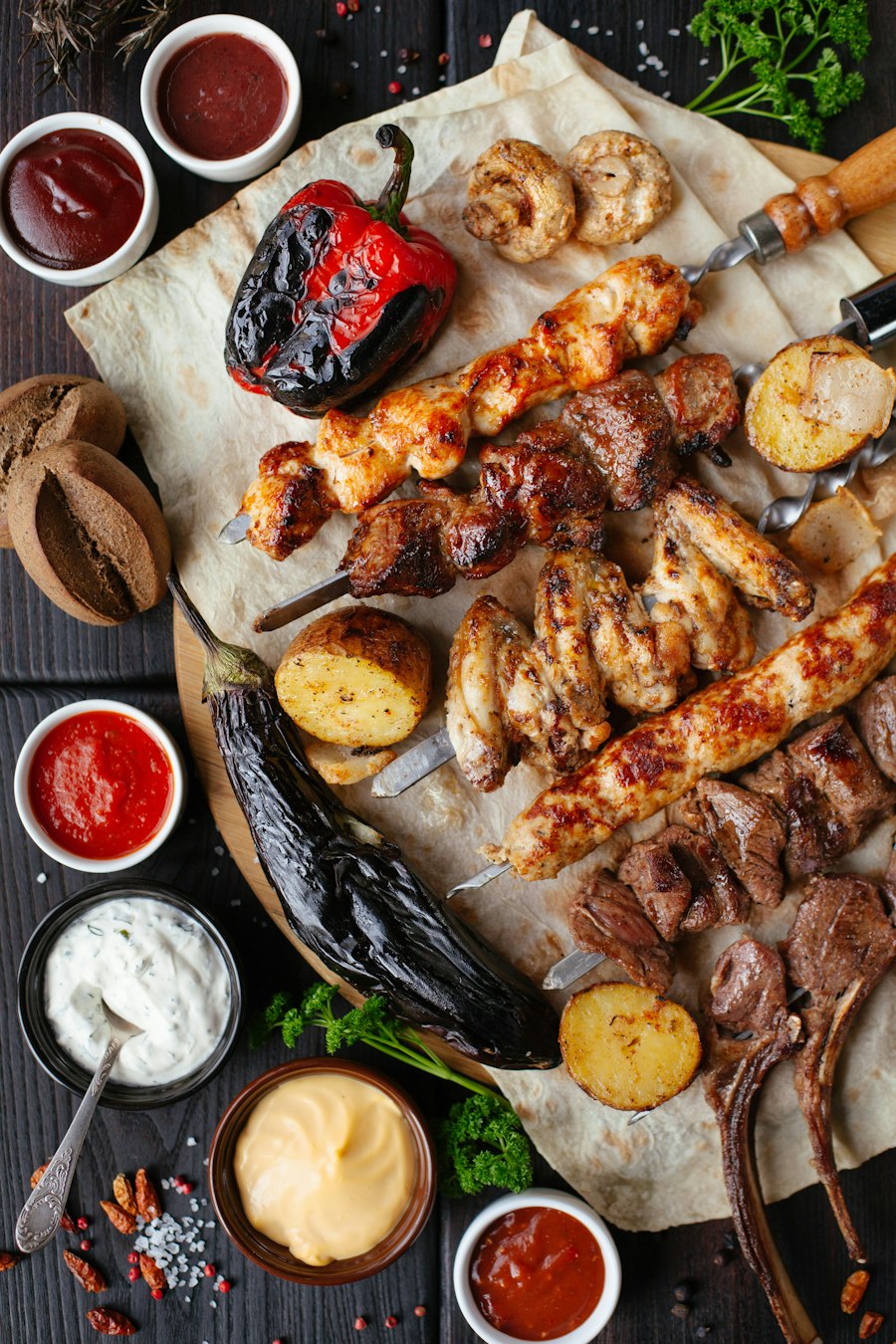
Classic Ugali Pairings in Dubai
In Dubai's East African restaurants, ugali is almost always offered as an accompaniment rather than a main dish. These are the pairings you'll find most commonly:
What to Eat With Ugali
Where to Find Ugali in Dubai
Ugali is listed as a side dish (AED 10–20) at all East African restaurants in Dubai. The best places to eat it in context are:
- Kilimanjaro Grill House (Al Quoz) — The best ugali with nyama choma in the city. Order the grill platter and ask for ugali on the side.
- Swahili House Dubai (Bur Dubai) — Ugali served alongside fish curries and stews in the Swahili coastal tradition.
- East Africa Lounge (International City) — Ugali with sukuma wiki and maharage for a budget-friendly authentic East African lunch.
- Dar Kitchen (Karama) — The best ugali-and-beans combination in Dubai. Simple, honest, extraordinarily good value.

Frequently Asked Questions
What is ugali?
Ugali is a stiff maize flour porridge — East Africa's essential starchy staple. Made from white cornmeal cooked in water until firm, it serves the same role as bread, rice, or naan in other culinary traditions. It is eaten by hand, used to scoop up stews and grilled meat.
Is ugali the same as fufu?
Similar concept, different dish. Both are starchy staples made by cooking ground ingredients in water. Ugali uses white maize flour and has a firmer, drier texture. West African fufu is typically made from cassava, yam, or plantain and tends to be stickier and more elastic. The technique for eating is similar — by hand, rolled into a ball to scoop stew.
Does ugali have much flavour?
On its own, ugali is mildly earthy and neutral — by design. Like bread or rice, its role is to be a blank canvas that amplifies the flavours of whatever it's eaten with. A bite of ugali with a piece of charcoal-roasted nyama choma and fresh kachumbari is a perfect combination precisely because the ugali grounds and connects the other elements.
Can vegetarians eat ugali?
Yes — ugali itself is made from maize flour and water, making it suitable for vegans. The classic vegetarian pairing is sukuma wiki (braised greens) and maharage (bean stew). Most East African restaurants in Dubai can accommodate vegetarian requests with ugali as the base.