Ugali is one of the most misunderstood foods in the world. To the uninitiated, it looks like a pale, stodgy lump — unremarkable, unappealing, perhaps even intimidating. But to the 300 million people across East and Central Africa who eat it daily, ugali is the centre of the meal, the anchor around which everything else revolves. It is the blank canvas that makes the stew sing, the neutral ground that lets the grilled meat speak, the hand-held vessel that connects the eater to every element on the table.
In Dubai, ugali is a food of the East African diaspora — served in Kenyan, Tanzanian, Ugandan, and some Ethiopian restaurants across Deira, Karama, Al Quoz, and International City. If you have never had it, this guide will tell you everything you need to know before you go.
What is Ugali?
Ugali is made from two ingredients: white maize flour (called unga in Swahili) and boiling water. The flour is added to boiling water and stirred continuously over high heat, with more flour added gradually, until the mixture becomes a thick, very stiff dough-like porridge. The final product is firm enough to hold its shape when scooped with a spoon, dense enough to be moulded by hand, and cohesive enough to tear into pieces without crumbling.
It is not seasoned. No salt, no fat, no flavour additions of any kind. This is not an oversight — it is the entire point. Ugali exists to accompany. Its mild, slightly earthy maize flavour and dense, chewy texture provide the perfect counterbalance to the intensely flavoured stews, meats, and vegetables of East African cooking.
It is always eaten with the right hand. This is not a cultural courtesy — it is how the food functions. The warmth of your palm makes the ugali more pliable, more responsive to shaping. You cannot fully eat ugali with a fork or spoon and have the same experience.
Ugali Across East Africa: The Three Main Versions
Ugali appears across the entire East African region, though it goes by different names and has subtle variations in texture and preparation.
Kenyan Ugali
The benchmark version. Made from white maize flour, cooked very stiff, firm enough to ball in the hand. Served with nyama choma, sukuma wiki, and stews. The flour is very finely ground for a smooth texture.
Very firm, smoothTanzanian Ugali
Called ugali in Tanzania too, but often made slightly softer than the Kenyan version. Tanzanian ugali sometimes uses cassava flour mixed with maize, producing a different, slightly stickier texture and a more complex flavour.
Medium-firm, sometimes cassavaUgandan Posho
Called posho in Uganda, this version is made from white maize and is very similar to Kenyan ugali. Often slightly coarser in texture. In Uganda it is traditionally served alongside matoke (stewed green banana) and groundnut stew.
Coarser, traditional servingThe Classic Ugali Pairings: What to Eat With It
Ugali is never eaten alone. Here are the canonical accompaniments, in order of how commonly they appear on Dubai restaurant menus.
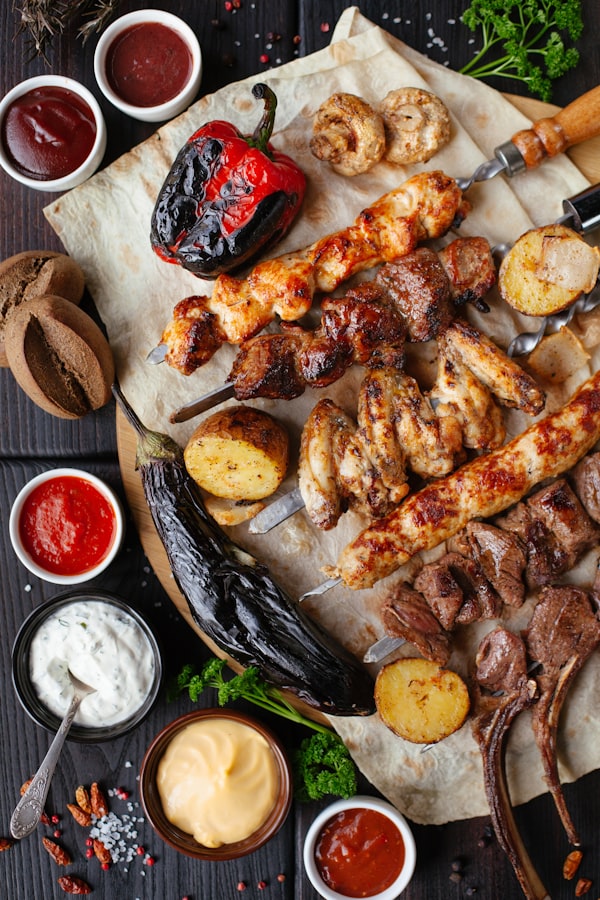
Charcoal-grilled goat or beef. The supreme pairing. The ugali catches the meat juices and the combination is the reason Kenyans eat with their hands. Non-negotiable at a serious nyama choma session.
Braised kale with onions and tomatoes. Kenya's most common ugali accompaniment. The bitterness of the greens and the sweetness of the braising liquid make perfect counterpoints to the neutral starch.
Deep, tomato-based beef stew slow-cooked until the beef is tender. The stew is thick enough to be scooped with ugali — this is the everyday meal for most Kenyan households.
Tomato and onion-braised chicken. Lighter than beef stew, equally good with ugali. Often the option recommended for first-time East African food visitors.
Maize and bean stew — an unusual combination of two starches, but completely delicious and deeply filling. The best vegetarian pairing for ugali in any Kenyan restaurant.
Stewed green banana in a savoury sauce. A Ugandan and Western Kenyan staple. The dense, earthy banana and the neutral ugali are surprisingly complementary.
How to Eat Ugali: Step by Step
For anyone who has not eaten ugali before, the hand-eating technique takes a little practice. Here is the correct method.
Wash your hands before the meal
All Kenyan restaurants will offer a finger bowl or direct you to a sink. Washing hands before ugali is as automatic as washing hands before bread-breaking in any other culture.
Tear off a portion (right hand only)
Use your right hand to tear off a piece of ugali roughly the size of a large golf ball. The left hand is not used for eating in Kenyan food culture.
Roll and shape in your palm
Roll the ugali between your palm and fingers to smooth it into a round ball. The warmth of your hand softens it slightly. Then press your thumb into the centre to create a cup or indent — this is the scooping vessel.
Scoop the accompaniment
Use your ugali cup to scoop stew, greens, or hold a piece of grilled meat. Eat the ugali and accompaniment together in one bite. The neutral starch + intense stew combination is the fundamental flavour of East African cooking.
Pace the portions
Ugali is extremely filling. First-timers often take too large a portion and regret it halfway through the meal. Start with a tennis-ball portion alongside your stew and gauge from there.
Where to Find Ugali in Dubai
These are the restaurants in Dubai serving the best ugali, each with its own strengths.
Mama Kenya Kitchen — Karama
The best ugali in Dubai. Mama Rose's version is perfectly cooked — dense, smooth, piping hot, arrived in a covered pot. The sukuma wiki is exemplary. Lunch only, cash only, arrive early.
Full Review →
Nairobi Nights — Deira
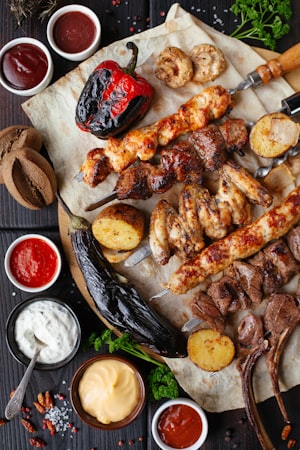
The ugali arrives hot and proper alongside the mixed grill platter. This is where to eat ugali the way it was meant to be eaten — with charcoal-grilled goat, kachumbari, and sukuma wiki, in a room full of Kenyans.
Full Review →
East Africa Lounge — International City
The only restaurant in Dubai where you can compare Kenyan ugali alongside Ugandan posho. A useful educational stop for the genuinely curious. Good matoke stew here too.
Full Review →
Ugali FAQ
Is ugali gluten-free?
Yes. Traditional ugali is made only from maize flour and water — there is no wheat, no gluten. It is one of the few staple starches that is naturally gluten-free. It is also naturally vegan. The accompaniments (stews, meats, vegetables) vary, so check those separately.
How is ugali different from fufu?
Both are stiff, hand-eaten porridges that serve as the neutral starch base for stews and meats. The key difference is ingredients: West African fufu is typically made from cassava, yam, or plantain, giving it a stretchier, stickier texture and a different flavour profile. East African ugali is made from white maize flour, producing a drier, denser result that holds its shape more firmly.
What is the difference between ugali and sadza?
Sadza is the Zimbabwean name for essentially the same dish — stiff maize porridge. Nshima in Zambia and Malawi, pap in South Africa. All of these are regional names for the same fundamental preparation. The Kenyan and Tanzanian ugali is typically cooked stiffer than sadza, which can be softer and moister.
Can I cook ugali at home in Dubai?
Yes. White maize flour (unga) is sold at African grocery stores in Deira and Karama, as well as at Carrefour and some Spinneys branches. The brand most Kenyans in Dubai use is Jogoo or Pembe unga. The technique takes practice — too little stirring creates lumps, insufficient heat creates a gluey texture — but the ingredients are simple and cheap.
Related Kenyan Food Guides