What's In This Guide
- The Central Asian community in Dubai
- Kazakh, Kyrgyz, Tajik & Turkmen food
- Plov, beshbarmak & Silk Road staples
- Best community restaurants & canteens
- Where to find authentic lagman noodles
- Shashlik & Central Asian grill culture
- Spice markets & ingredient sourcing
- Budget guide & neighbourhood map
The ancient Silk Road once connected China to the Mediterranean, and its beating heart was Central Asia — the vast, landlocked region stretching from the Caspian Sea to the Pamir mountains. Kazakhstan, Kyrgyzstan, Tajikistan, Turkmenistan, and their neighbour Uzbekistan forged a food culture built for epic distances: hearty plov rice dishes, hand-pulled lagman noodles, slow-braised meats, and flatbreads baked in clay tandoor ovens. This is the food of nomads, traders, and mountain communities — and it has found a quietly extraordinary home in Dubai.
Most visitors to Dubai have no idea this food scene exists. It doesn't shout. There are no glossy mall restaurants, no celebrity chefs, no Instagram campaigns. Instead, there are working-class canteens in International City's China cluster, family-run spots tucked into Al Qusais industrial estates, and modest restaurants in Deira where Kazakh and Kyrgyz workers gather on their days off for the kind of food that makes them feel, briefly, like they never left home.
This guide will take you into that world. It is the most comprehensive survey of Central Asian food in Dubai ever written — and if you're serious about eating well in this city, you'd be a fool to ignore it.
The Central Asian Community in Dubai
The UAE hosts tens of thousands of workers and professionals from Kazakhstan, Kyrgyzstan, Tajikistan, Turkmenistan, and the broader Central Asian region, drawn by employment in construction, hospitality, trade, and increasingly in professional sectors. Many have been arriving since the 1990s, and established communities have grown around specific neighbourhoods — particularly International City (which has a large Kyrgyz and Kazakh presence), Al Qusais, Deira's back streets, and parts of Al Karama.
International City deserves special mention: this vast low-rise residential neighbourhood east of Dubai, originally built to house workers from specific countries, has evolved into one of Dubai's most fascinating food districts. The China Cluster in International City is where you'll find the most concentrated Central Asian food — a fact that confuses newcomers but makes perfect geographic and historical sense given the ancient Silk Road connections between western China and Central Asia.
The Six Pillars of Silk Road Cuisine in Dubai
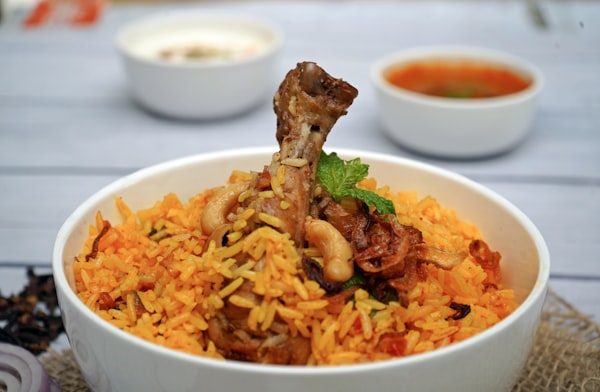
Plov (Osh)
The great rice dish of Central Asia — slow-cooked with lamb, carrots, onions, cumin and barberries. Every family, every country, every cook has their version. All of them are magnificent.
Lagman Noodles
Hand-pulled noodles served with a rich lamb and vegetable sauce — the quintessential Silk Road comfort food. Dubai's Uyghur and Uzbek restaurants serve some of the best outside Central Asia.
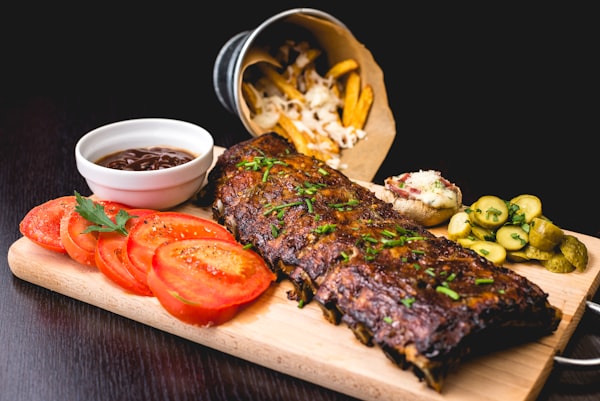
Shashlik
Central Asian skewered meat — marinated overnight in onion, spices and vinegar, then grilled over glowing coals. The lamb versions are extraordinary. The smell alone will stop you in your tracks.
Beshbarmak
Kazakhstan's ceremonial dish — boiled lamb or horse meat served over flat noodle sheets with a rich broth, eaten communally with hands. The name means "five fingers." An unforgettable experience.

Mantu & Chuchvara
Steamed dumplings stuffed with spiced lamb and onions — the Silk Road answer to Chinese dim sum. Served with tangy yoghurt and chilli oil, they are addictive beyond all reasonable measure.
Samsa & Non Bread
Baked pastries stuffed with lamb and onion, pulled fresh from clay tandoor ovens. Paired with non (flatbread), these are the street snacks of the steppe — and completely irresistible.
Top Central Asian Restaurants in Dubai
These are the restaurants we return to again and again — the places where the plov tastes like it was made in a Fergana Valley courtyard, where the lagman noodles are pulled to order, and where the shashlik smoke drifts out onto the street.
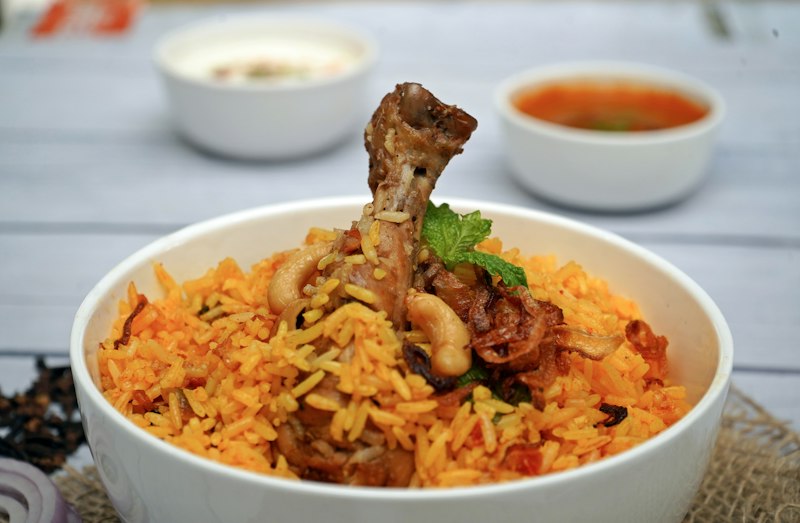
Samarkand Restaurant
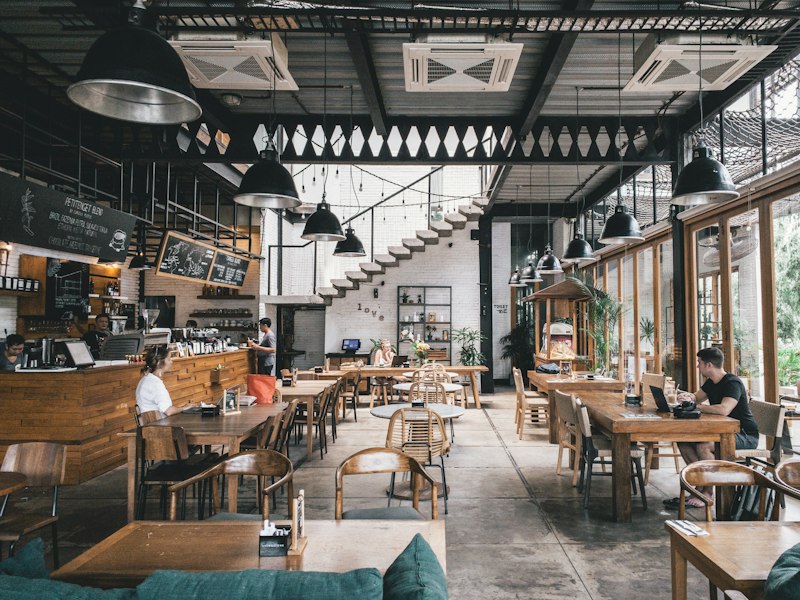
Al Karama — The gold standard for Central Asian food in Dubai. Their plov is made in a massive kazan cauldron every morning, and the lagman is hand-pulled to order. Regulars swear by the samsa, which emerge from the tandoor oven piping hot at 11am sharp. Order the combination platter: plov, shashlik, mantu, and a side of non bread with suzma yoghurt. Around AED 55–80 per person. Book ahead on weekends.
Tashkent Canteen
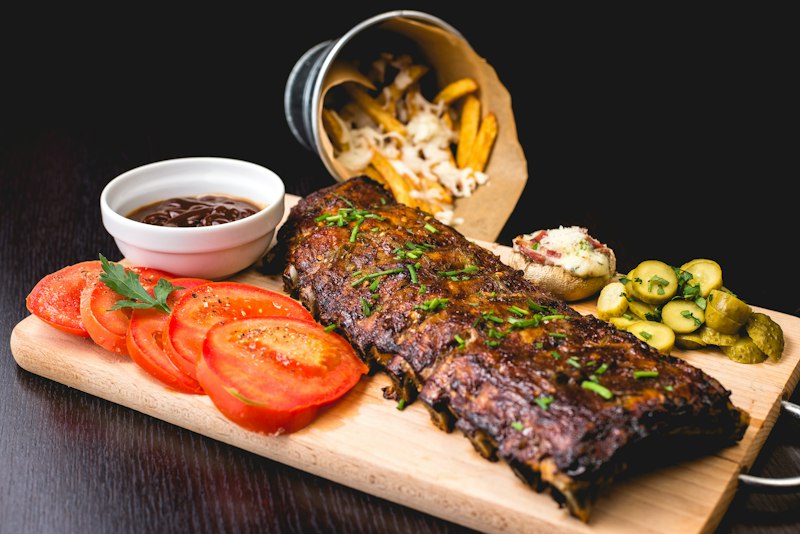
International City, China Cluster — The spiritual home of Uyghur-inflected Central Asian food in Dubai. The hand-pulled noodles (laghman) here are legendary among Dubai's Kazakh and Kyrgyz community — thick, chewy, bathed in a dark lamb sauce with green peppers and tomato. Also excellent: the dimlama (slow-braised lamb with vegetables) and the baked samsa. Cash only. AED 25–45 per person. Expect a queue on Friday lunchtime.
Almaty Grill
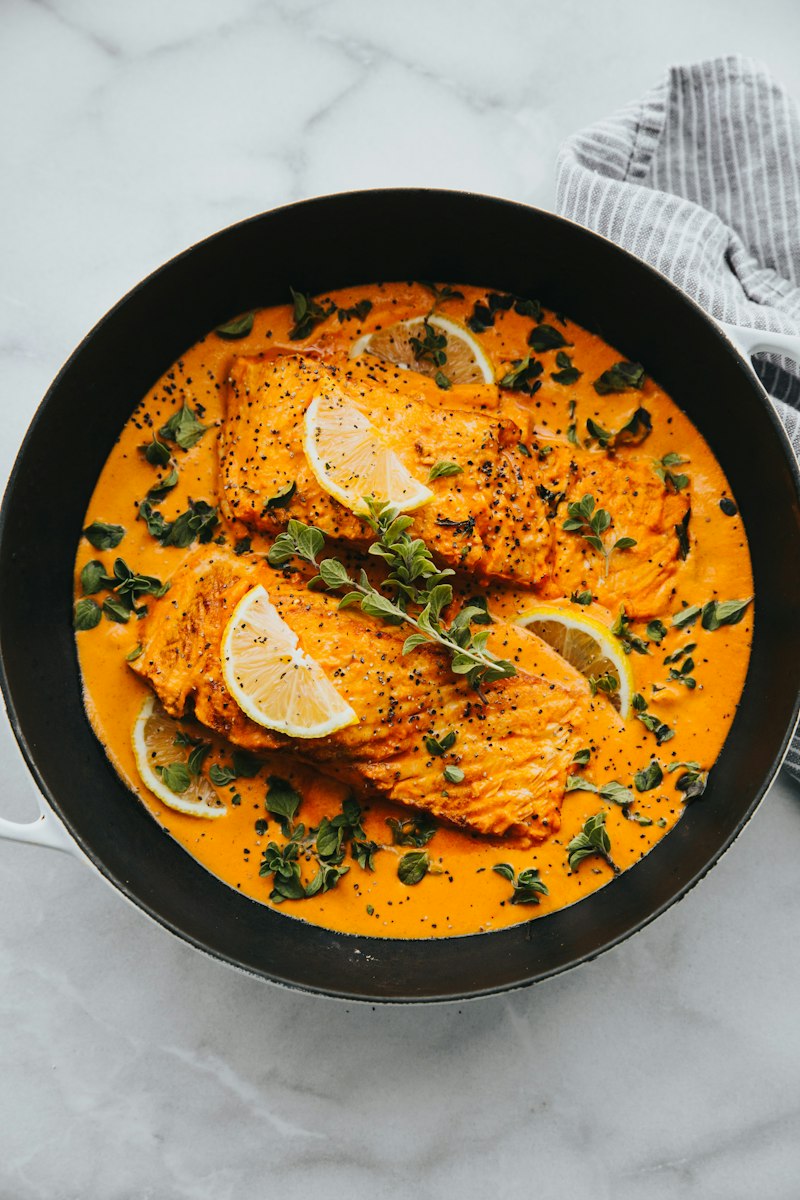
Al Qusais — Named for Kazakhstan's largest city, Almaty Grill is where Dubai's Kazakh community goes for shashlik. The lamb is sourced fresh daily, marinated in onion and spice, and grilled over charcoal with the kind of casual expertise that takes decades to develop. The beshbarmak — their signature dish — must be ordered 24 hours in advance but is worth every moment of planning. AED 60–100 per person.
Pamir Kitchen
Deira, Al Muteena Street — Deira's most authentic Tajik restaurant, run by a family from Dushanbe who have been feeding Dubai's Tajik community since 2014. The osh (Tajik plov) is perfumed with saffron and cumin, the mantu dumplings are outstanding, and the qurutob — a Tajik salad of flatbread soaked in fermented milk with onions and herbs — is unlike anything else in the city. AED 35–65 per person.
Where Central Asian Food Lives in Dubai
| Area | Best For | Key Restaurants | Price Range |
|---|---|---|---|
| International City | Uyghur-inflected Silk Road food, lagman, samsa | Tashkent Canteen, Xinjiang Noodle House | AED 20–45 |
| Al Karama | Uzbek plov, mantu, Silk Road staples | Samarkand Restaurant, Bukhara Canteen | AED 35–70 |
| Al Qusais | Kazakh shashlik, beshbarmak, community dining | Almaty Grill, Steppe Kitchen | AED 40–80 |
| Deira | Tajik & Kyrgyz home cooking, plov, qurutob | Pamir Kitchen, Osh Restaurant | AED 30–60 |
| JLT | Slightly more upscale Uzbek dining | Ferghana, Silk Route Café | AED 50–100 |
| Al Nahda | Kyrgyz community canteens, cheap daily specials | Bishkek Canteen, Kyrgyz House | AED 20–40 |

Essential Dishes to Order

Budget Guide: How Much to Spend
Central Asian Food Dubai — Price Guide
Occasions: When to Go Central Asian
Friday Plov Lunch
Plov is traditionally made on Fridays in Central Asia. Dubai's best restaurants serve their biggest kazan on Friday mornings — arrive by noon or it's gone.
Weekend Shashlik
Shashlik grills fire up properly on weekends. Saturday evenings at Almaty Grill feel like a Central Asian summer gathering transposed to Dubai's desert.
Group Feasting
Central Asian food is designed for communal sharing. Bring 4–8 people, order everything on the menu, and let dishes arrive family-style throughout the evening.
Budget Discovery
International City canteens offer some of the best-value meals in Dubai. A full plate of lagman with a glass of green tea costs less than AED 25.
Ramadan Nights
Central Asian restaurants come alive during Ramadan. The slow-cooked dimlama and hearty plov are perfect suhoor and iftar dishes.
Food Tourism
A half-day food tour through International City and Al Karama's Central Asian spots is one of Dubai's most underrated culinary adventures.
Central Asian Silk Road Food Hub — All Pages
Frequently Asked Questions

Where is the best Central Asian food in Dubai?
The best concentration is in International City's China Cluster and Al Karama. Samarkand Restaurant in Al Karama is our top pick for Uzbek plov and lagman. For Kazakh food specifically, Almaty Grill in Al Qusais is unmissable. For Tajik cuisine, Pamir Kitchen in Deira's Al Muteena area is authentic and outstanding.
What is plov and how is it different from biryani?
Plov (also called osh in Kyrgyz and Tajik) is a Central Asian rice dish cooked in a kazan — a large cast-iron cauldron — with lamb, carrots, onions, garlic and spices including cumin and barberries. Unlike biryani, which layers parboiled rice with meat, plov absorbs all its liquid directly, resulting in rice grains that are separate but deeply flavoured. The texture and flavour profile are quite different.
Is Central Asian food halal in Dubai?
Yes, virtually all Central Asian restaurants in Dubai serve fully halal food. The Central Asian community is predominantly Muslim, and lamb and beef are the dominant proteins. Some Kazakh restaurants do serve horse meat (also halal) — if this is important to know, ask staff directly before ordering.
Is Central Asian food expensive in Dubai?
Central Asian food is among the best value in Dubai. Community canteens in International City and Al Nahda serve substantial meals for AED 20–35 per person. Even the better sit-down restaurants rarely exceed AED 80–100 per head for a full feast with multiple dishes. It's comparable in price to South Asian food — excellent value by Dubai standards.
What drinks go with Central Asian food?
Green tea (chai) is the universal accompaniment — order it constantly throughout your meal as Central Asians do. Ayran (a cold, salty yoghurt drink) pairs beautifully with heavy meat dishes. Some restaurants offer kompot (a chilled fruit drink made from dried apricots or raisins). No alcohol is served at most Central Asian restaurants in Dubai.