If ndolé is Cameroon's most famous dish, eru is arguably its most primal. Made from forest vine leaves harvested from the tropical rainforests of the country's southwest region, eru is earthy, intensely savoury, and unlike anything else in the global culinary canon. Finding genuine eru in Dubai requires effort — but this is a dish that repays every bit of it.
Eru is deeply rooted in the culture of Cameroon's Anglophone southwestern region, particularly among the Ejagham and Bantu peoples of the forest zones. In Dubai, it appears at community eating spots where Cameroonian cooks use imported eru leaves (dried or occasionally fresh) to recreate the dish for a diaspora that misses it intensely.
What Is Eru Soup?
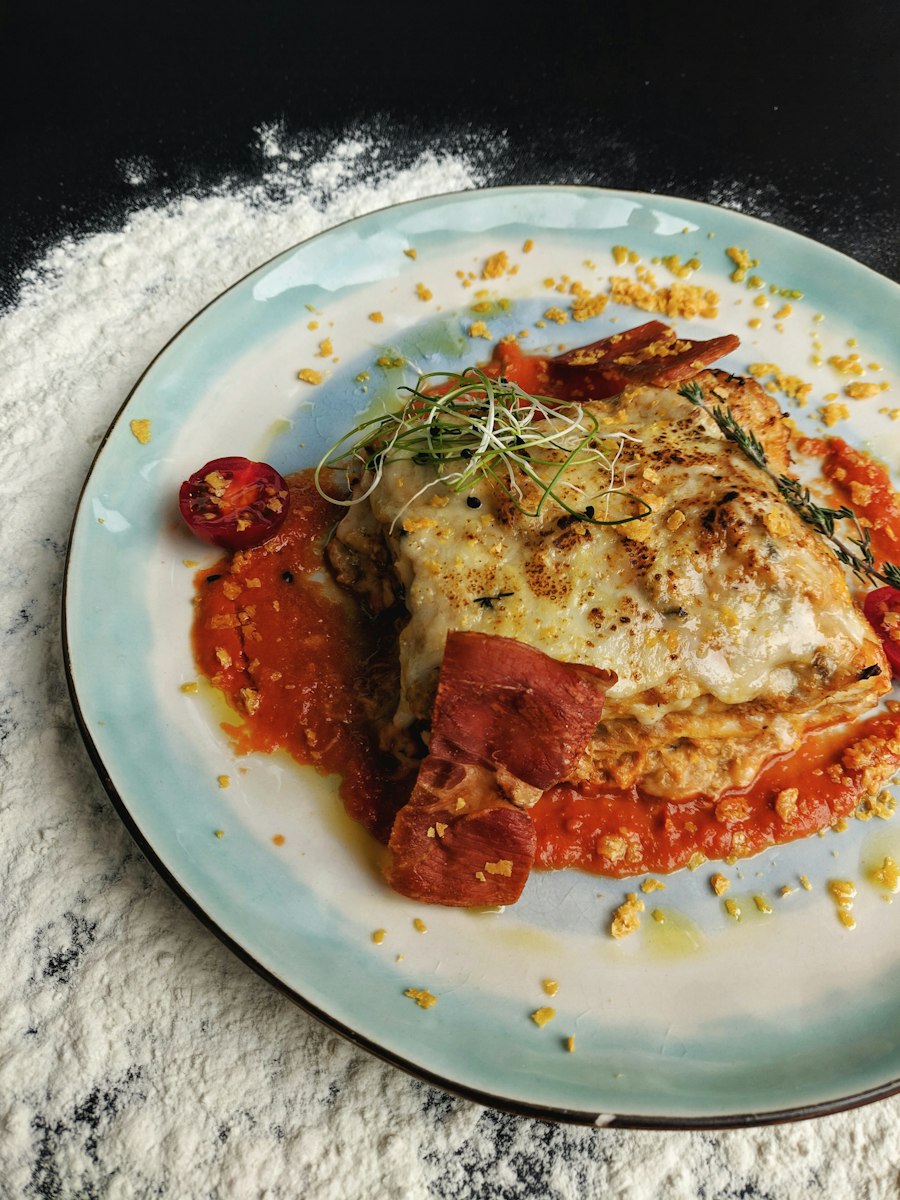
Eru is made from two main leaf vegetables: eru (gnetum africanum, a forest vine) and waterleaf (talinum triangulare, a soft green). The eru leaves are sliced very finely — almost shredded — and cooked together with waterleaf, crayfish, palm oil, and various proteins (smoked fish, dried beef, cow skin, or a combination).
Unlike ndolé, eru has no bitter notes. Instead, it is earthy, deeply savoury, and silky in texture from the combination of the two leaf types. The waterleaf softens and releases liquid as it cooks, creating a natural sauce, while the eru provides body and a distinctive forest aroma.
Eru is traditionally served with fufu (pounded cassava or cocoyam) or water fufu — the soft, slightly fermented version specific to the southwest Cameroon tradition. The pairing of eru with water fufu is one of the great food combinations in Central African cooking.
Eru vs. Ndolé: What's the Difference?
Many visitors to Cameroonian restaurants in Dubai encounter both dishes and wonder how they differ. Here's a clear comparison.
Eru Soup
Forest vine leaves + waterleaf. Earthy, silky, deeply savoury. No bitterness. Traditionally served with water fufu. Associated with the Anglophone southwest region. Takes 2–3 hours to cook. More subtle, forest-forward flavour.
Ndolé
Bitterleaf + groundnut paste. Rich, bitter-sweet, nutty. Properly prepared bitterness is pleasant. Served with plantain, rice, or cocoyam fufu. Associated with Bamiléké and coastal regions. Takes 3–4 hours. More assertive, complex flavour profile.
Both are extraordinary. If you're new to Cameroonian food, try ndolé first — its flavour profile is more immediately accessible. Once you're comfortable with that, eru will reveal itself as perhaps the more subtle and ultimately more rewarding of the two.
Where to Find Eru Soup in Dubai
Africa Lounge — Karama
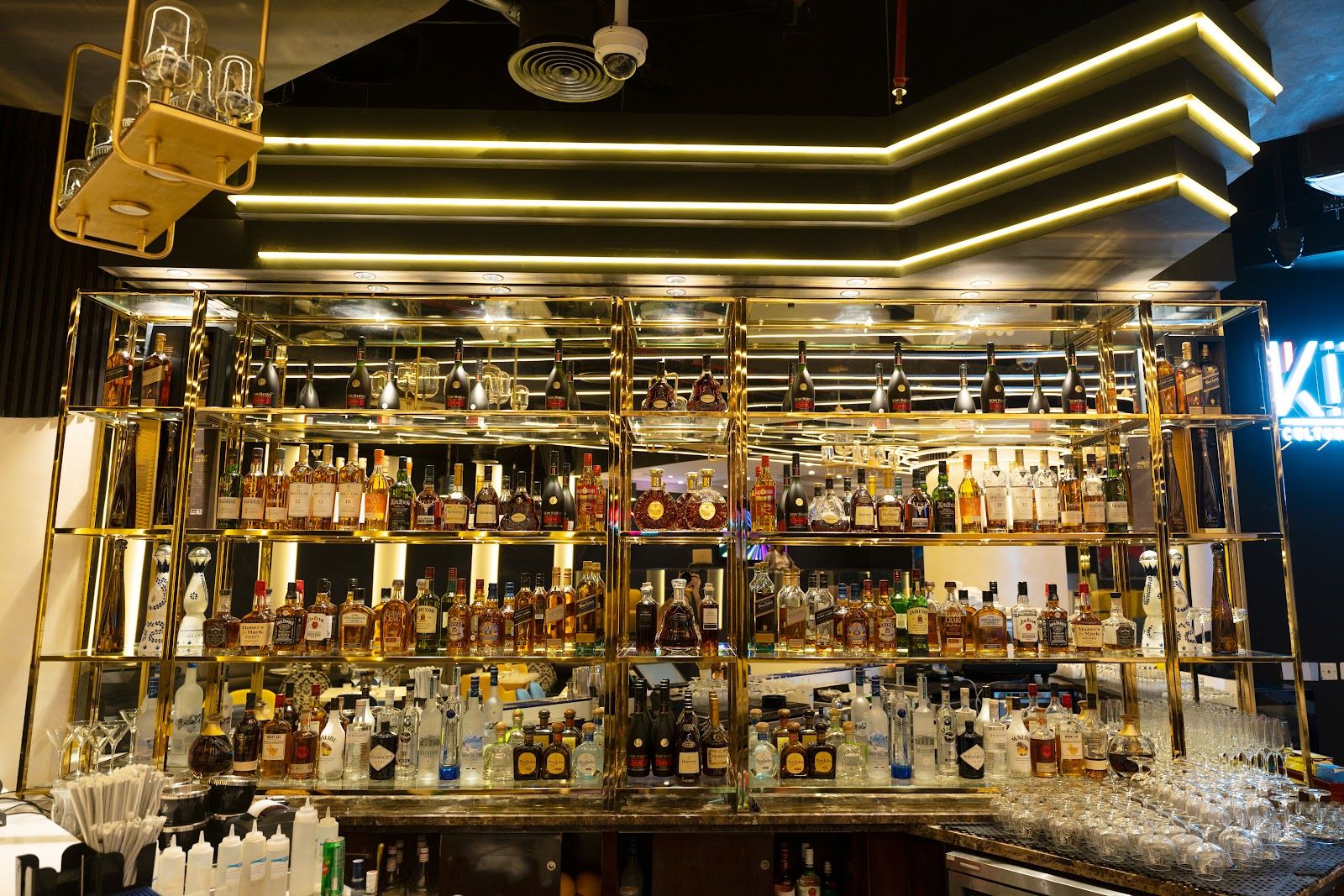
The Africa Lounge in Karama is the best place to find eru in Dubai. The kitchen uses properly shredded eru leaves (imported dried, then rehydrated) and the dish is cooked low and slow with smoked fish, cow skin (kanda), and a generous quantity of palm oil. Served with fufu — ask for the water fufu version if it's available, as it's the traditional pairing.
The eru here has the right texture: silky from the waterleaf, with discernible strands of the forest vine giving it body. The smoked fish adds the depth the dish needs. This is eru as close to the original as you'll find in Dubai.
Best in Dubai for eru — call ahead to confirm availability
Central African Kitchen — Deira
The Deira community spot occasionally prepares eru when the cook has access to fresh dried eru leaves — which is not every day, but often enough to make it worth checking. When it's available, the version here is excellent: less refined than Africa Lounge but with a rawer, more intensely forest-flavoured quality. Served with a very large portion of fufu.
This is the eru that Cameroonian expats from the southwest region most recognise as close to home cooking. Worth the hunt.
Most homestyle version — variable availability, always worth askingEru is harder to find than ndolé because the leaves are less widely available. When calling restaurants, ask specifically for "eru with waterleaf" — this signals you know the dish precisely, and the kitchen staff will know the exact preparation you're looking for. Availability is typically best on Fridays and Saturdays.
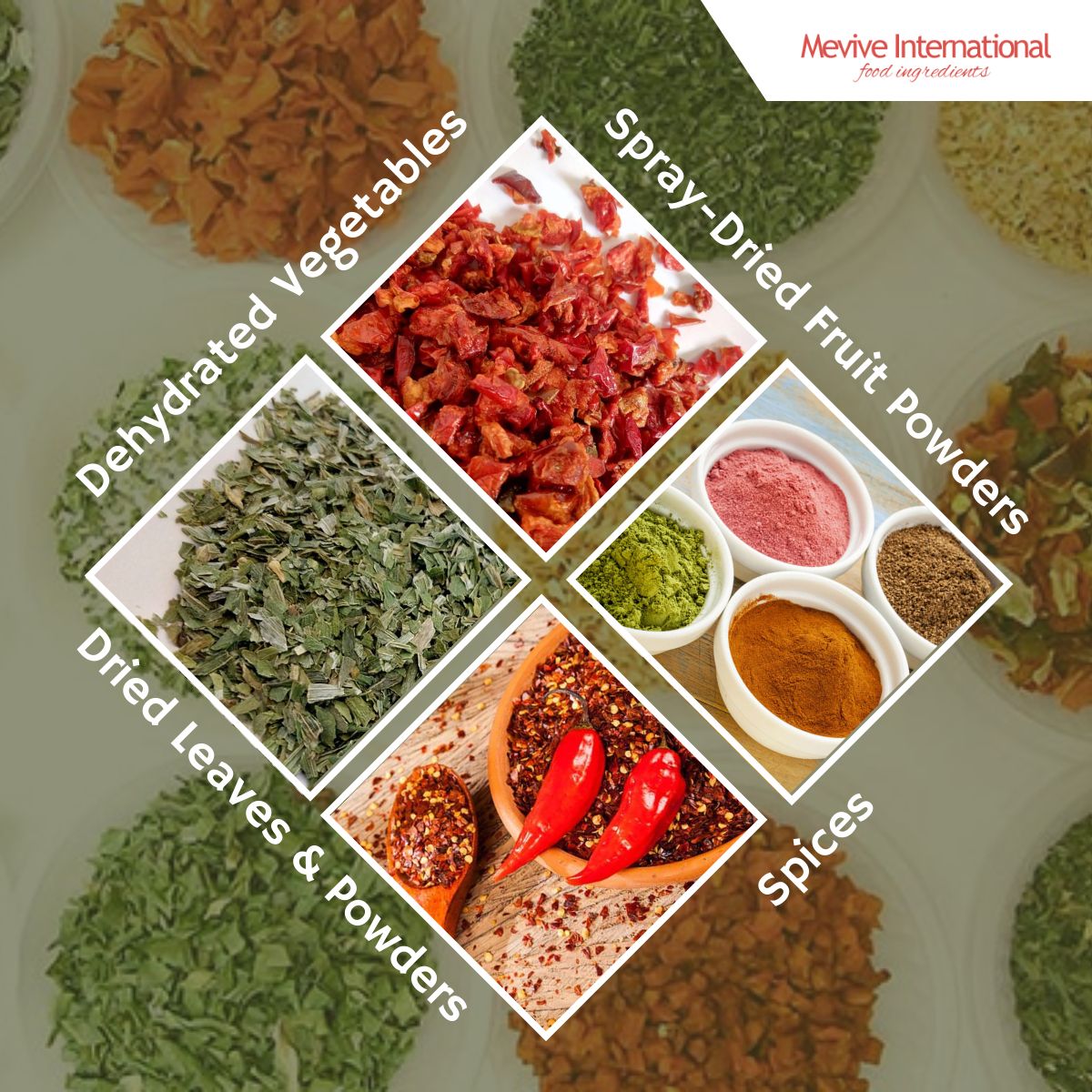
The Ingredients of Eru Soup
What Goes Into Eru
Eru leaves (Gnetum africanum)
The forest vine that gives the dish its name. Finely shredded, earthy, and slightly fibrous. Imported dried to Dubai; rehydrated and cut before cooking. The defining ingredient — irreplaceable.
Waterleaf (Talinum triangulare)
A soft, mucilaginous green that cooks down quickly, releasing liquid and creating the silky texture of the finished dish. Without waterleaf, eru becomes too dry and loses its characteristic mouthfeel.
Crayfish (dried ground shrimp)
Adds intense umami depth. Cameroonian-style crayfish is dried, ground, and very pungent — the flavour backbone of eru alongside the palm oil.
Smoked fish / dried beef / cow skin
One or more of these proteins is typically added. Smoked mackerel, stockfish, dried beef (bokbok), or cooked cow skin (kanda) all appear in different versions. Each adds a different textural and flavour dimension.
Red palm oil
Used generously — eru is not a dish to cut back on the palm oil. The earthy richness of quality palm oil is essential to the dish's final flavour.
What to Eat with Eru
Eru demands a starchy accompaniment — it's too intense to eat on its own, and the fufu acts as both utensil and neutral counterpoint to the stew's depth.
Water Fufu
Traditional pairing. Fermented cassava — soft, slightly sour, perfect with eru.
Cocoyam Fufu
Pounded cocoyam — denser than cassava fufu, excellent with the silky stew.
Fufu Corn
Corn-based fufu — lighter in texture, good for those new to the dish.
White Rice
Available at Dubai restaurants. Less traditional but a perfectly good substitute.
Boiled Plantain
Firm boiled plantain complements eru well — avoids the sweetness of fried versions.
Pepper Soup
Start with a bowl of pepper soup before the eru for a full Cameroonian spread.

Frequently Asked Questions
The Dubai Fork 🍴
Weekly restaurant guides and hidden gems from Dubai's food scene — free to your inbox.
More Cameroonian Food Guides
Ndolé in Dubai: Cameroon's National Dish
Where to find ndolé — the bitter leaf and groundnut stew every Cameroonian loves.
Best Cameroonian Restaurants in Dubai
Our guide to the best spots for Central African cooking in Dubai.
Central African Food in Dubai: The Complete Guide
Cameroon, Congo, Chad — the full guide to Central African cuisine in Dubai.