Cameroon is called Africa in miniature — a single country that holds within its borders the savannah of the north, the rainforests of the south, the volcanic highlands of the west, and an Atlantic coastline that has shaped one of the continent's great grilling traditions. Its cuisine reflects all of this: bitter leaf stews, fermented locust beans, forest vine greens cooked with crayfish, and grilled fish that rivals anything on the African continent. In Dubai, Cameroonian food is rare but it exists — and it is one of the city's most underrated culinary discoveries. This is your complete guide.
🇨🇲 Cameroonian Food in Dubai — Full Guide Series
This page — cuisine, culture, all dishes
Ranked guide to every spot
Cameroon's national dish — bitter leaf stew
Forest vine stew with waterleaf and crayfish
DRC, Congo, and Central Africa's cuisine
What Makes Cameroonian Cuisine Unique
Cameroon's location at the crossroads of West and Central Africa gives its cuisine a remarkable range. The country has over 250 ethnic groups, each with their own culinary traditions, and the food varies dramatically from the Fulani nomads of the north — whose cuisine revolves around millet porridge and beef — to the Bamiléké of the highlands, who make some of the most complex stews on the continent, to the coastal communities whose grilled fish and seafood preparations are among Africa's finest.
Several elements unify Cameroonian cooking across regions. The use of crayfish (dried and ground) as a seasoning base is omnipresent — it adds an umami depth to virtually every stew and soup. Palm oil is the cooking fat of choice across most of the country. Fermented locust beans (soumbala or dawadawa) appear in many preparations as a flavour amplifier. And the cuisine's most distinctive ingredient is its use of forest leaves: bitter leaf, eru (a forest vine), and waterleaf all appear in dishes that have no direct parallel in Nigerian or Ghanaian cooking.
- 🫘 Crayfish as universal seasoning
- 🌿 Forest leaves: bitter leaf, eru, waterleaf
- 🌴 Palm oil in almost every dish
- 🌶️ Pepper soup spice blend
- 🐟 Atlantic grilling traditions
- 🍌 Plantain and cocoyam staples
- 🫒 Fermented locust beans
- 🍚 Fufu corn (fermented maize)
The Essential Dishes of Cameroonian Cuisine
These are the dishes that define Cameroonian food — the dishes you should look for and order when you find them in Dubai.
Cameroonian Dishes You Should Know
Ndolé — National Dish
Bitter leaf stew cooked with groundnuts, crayfish, and smoked fish or beef. The bitterness of the leaf is carefully managed through washing and blanching — the goal is a balanced stew where the bitter note complements rather than overwhelms the nuttiness of the groundnut base. Considered Cameroon's national dish and served at every celebration.
Eru (Okok)
A stew made from eru — the leaves of the forest vine Gnetum africanum — cooked with waterleaf, crayfish, palm oil, and meat or fish. Eru has a distinctive earthy, slightly bitter flavour and the stew is thick and deeply aromatic. It is eaten with water fufu (fermented cassava dough). A staple of the Anglophone southwest region.
Achu Soup
A bright yellow palm oil soup seasoned with limestone water (which gives it a distinctive alkaline flavour), spices, and meat or fish. Served with achu — grey pounded cocoyam formed into compact balls. The combination is striking: yellow soup, grey dumplings, intensely aromatic broth. A signature dish of the Bamiléké people.
Koki (Moi Moi Camerounais)
Black-eyed pea pudding similar to Nigerian moi moi but seasoned with crayfish, palm oil, and spices, then steamed in banana leaves. The result is a firm, deeply flavoured cake that can be eaten as a standalone dish or as a side. Related to but distinct from its Nigerian counterpart.
Pepper Soup
A thin, intensely spiced broth made with a blend of pepper soup spices — grains of Selim (hwentia), calabash nutmeg, alligator pepper — and the protein of choice (goat, fish, offal). Cameroonian pepper soup is closer to the Nigerian tradition but has its own distinctive spice blend. Medicinal, warming, and revelatory when made well.
Grilled Fish (Poisson Braisé)
Whole fish marinated in a blend of garlic, ginger, chili, and spices, then grilled over charcoal until the skin is charred and crispy. A staple of Cameroonian street food culture, particularly in Douala and along the Atlantic coast. Served with fried plantain and a chili sauce. One of the most satisfying grilled fish preparations in African cooking.
Fufu Corn with Egusi Soup
Fufu corn is fermented maize dough — slightly sour, firm, and designed to scoop up thick soups. Paired with egusi soup (melon seed stew), it is one of the most filling and comforting combinations in Cameroonian home cooking. The egusi preparation here is similar to Nigerian egusi but typically less spicy.
The Cameroonian Food Map — Regional Differences
Cameroon's enormous regional diversity means its cuisine is not a single thing. Understanding the regional differences helps you navigate a menu at a Cameroonian restaurant in Dubai:
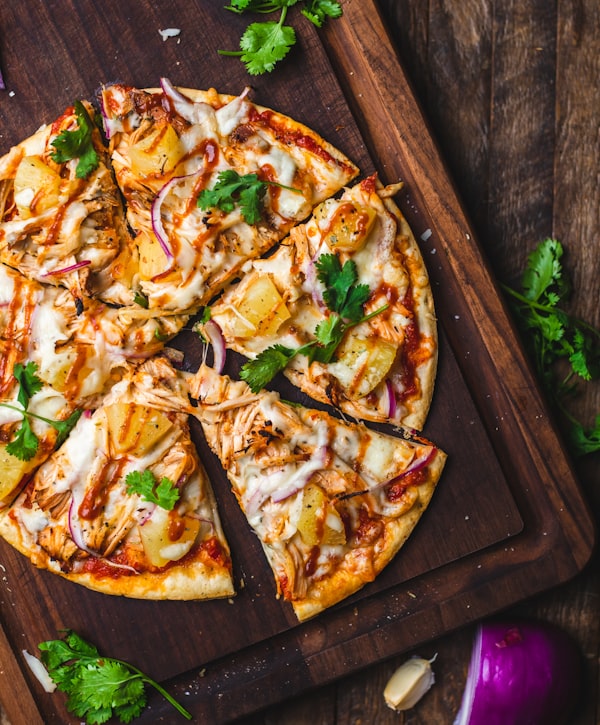
Bamiléké Highlands
The culinary heart of Cameroon. Achu soup and achu fufu are the signature dishes. Complex stews, fermented corn (fufu corn), and the highlands' excellent maize and plantain. The most distinctive Cameroonian cooking tradition.
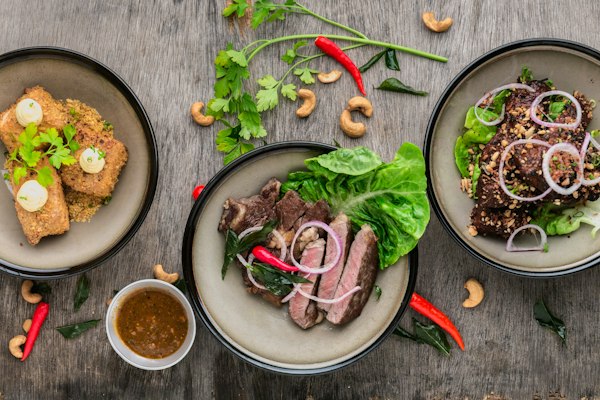
Anglophone Southwest
Eru and water fufu are the signature dishes. Sharing more with neighbouring Nigeria than the French-speaking regions. Koki, njanga (tiny dried shrimp), and groundnut preparations are key. More recognisable to those familiar with Nigerian cooking.
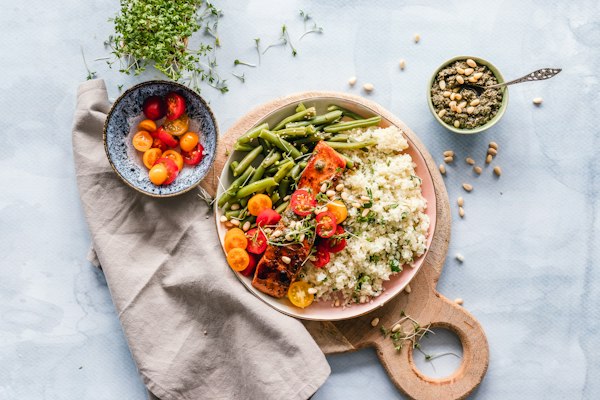
Douala Coast
The commercial capital's food culture. Ndolé originates here. Excellent grilled fish (poisson braisé), seafood stews, and street food. The most French-influenced cooking in Cameroon with strong connections to Central African traditions.
Fulani Sahel North
The most distinct from the south. Millet-based staples, grilled beef (kilishi — similar to suya), groundnut stews, and a cuisine shaped by Islam and Sahelian pastoral traditions. Rarely encountered outside of dedicated Cameroonian community settings.
Key Ingredients in Cameroonian Cooking
If you are cooking Cameroonian food or want to understand what you are eating, these are the ingredients that appear most often:
- Crayfish: Dried and ground small shrimp used as a seasoning base in virtually every stew and soup. Adds intense umami. Available at African grocery stores in Karama and Deira.
- Bitter leaf (Vernonia amygdalina): A green leafy vegetable with a distinctively bitter flavour, carefully washed and cooked into ndolé and other stews. The bitterness is the point.
- Eru (Gnetum africanum): Forest vine leaves with a slightly rubbery texture and earthy flavour. Fundamental to eru soup.
- Palm oil: The cooking fat of choice across most of Cameroon. Unrefined (bright orange-red) for depth of flavour.
- Fermented locust beans (soumbala): Fermented seed pods with a powerful, slightly pungent flavour similar to very strong cheese. Used as a flavour base in stews.
- Grains of Selim (hwentia): An aromatic spice pod used in pepper soup and many stews. Has a unique slightly resinous, floral flavour.
- Cocoyam: A starchy root vegetable used to make achu fufu (pounded cocoyam) and as a thickener in soups.
- Plantain: Both unripe (savoury) and ripe (sweet). Fried, boiled, or pounded, it appears alongside most Cameroonian main dishes.
Where to Find Cameroonian Food in Dubai
Dedicated Cameroonian restaurants in Dubai are extremely rare — the Cameroonian diaspora in the UAE is smaller and less visible than the Nigerian, Ghanaian, or Ethiopian communities. However, Cameroonian food does exist in Dubai if you know where to look:
📍 Karama — Best Starting Point
Karama's African restaurant cluster includes several spots that serve Cameroonian dishes alongside pan-African menus. Biggy's and similar community restaurants sometimes rotate ndolé and eru through their weekend specials menus. Ask specifically — Cameroonian dishes are not always prominently listed.
📍 Deira — Community Dining
Deira has a small but dedicated Cameroonian community. Africana Home and several smaller spots occasionally serve ndolé and koki. The community's informal cooking networks — home-cooked meals shared within the expat community — are the most authentic source of Cameroonian food in Dubai, though by definition not accessible to outsiders unless you have Cameroonian friends.
📍 DIFC — KIZA Pan-African
KIZA's rotating menu occasionally features Central African dishes with Cameroonian influence. It is not a regular fixture but worth asking about when you visit. The kitchen's West and Central African team means Cameroonian dishes do appear from time to time.
📍 International City
Several small African eating spots in International City serve rotating menus that include Cameroonian dishes, particularly eru and fufu corn with egusi. Worth exploring if you are in the area and specifically looking for Cameroonian food.
Tips for Eating Cameroonian Food in Dubai
- Ask directly: Many Cameroonian dishes are not listed by their Cameroonian names at pan-African restaurants. Ask the server whether the kitchen makes ndolé, eru, or achu — they may be available even if unlisted.
- Weekend specials: Like Ghanaian waakye, complex Cameroonian stews like ndolé and eru require preparation time. Friday and Saturday are the best days to find them in Dubai.
- Connect with the community: Dubai's Cameroonian Association is active and occasionally organises food events. These are your best chance to eat authentic home-cooked Cameroonian food in Dubai.
- Pair correctly: Ndolé goes with plantain or cocoyam. Eru with water fufu. Achu soup with achu fufu (pounded cocoyam). Pepper soup is standalone. Grilled fish with fried plantain. Getting the accompaniments right makes a significant difference.
- Expect unfamiliar flavours: Cameroonian food's use of bitter leaf, eru, and fermented seasonings means some dishes taste very different from what most diners from outside Central or West Africa will be familiar with. The bitterness in ndolé and the earthiness of eru are intentional and beautiful — lean into them.

FAQ — Cameroonian Food in Dubai
What is Cameroon's national dish?
Ndolé is widely considered Cameroon's national dish. It is a rich stew made from bitter leaf, groundnuts, crayfish, smoked fish, and palm oil. Ndolé is served at celebrations, family gatherings, and is the dish that Cameroonians in the diaspora most often describe as home — the flavour that immediately transports them back to Douala or Yaoundé.
Is Cameroonian food spicy?
It depends on the dish and the region. Cameroonian pepper soup is intensely spicy — a medicinal, warming heat from pepper soup spices. Ndolé is not particularly spicy but has a complex bitterness. Eru is moderately spiced. The grilled fish (poisson braisé) typically comes with a fiery chili sauce on the side. Overall, Cameroonian cooking is less relentlessly fiery than Nigerian cuisine but more complex than the casual use of chili in some West African cooking.
Is there a dedicated Cameroonian restaurant in Dubai?
As of 2025, there is no dedicated Cameroonian restaurant in Dubai that we are aware of. Cameroonian dishes appear on the menus of pan-African restaurants in Karama, Deira, and occasionally DIFC, but Cameroonian food in Dubai is primarily accessed through community networks and home cooking rather than restaurants. This is likely to change as the community grows.
What is water fufu?
Water fufu (also called miondo or bobolo) is a fermented cassava preparation — cassava is soaked in water, fermented, then formed into cylindrical logs and wrapped in leaves. It has a slightly sour flavour and a smooth, slightly elastic texture. It is the traditional accompaniment for eru soup in Anglophone Cameroon. In Dubai, plain fufu or cassava fufu may be substituted when water fufu is not available.
How does Cameroonian food differ from Nigerian food?
The two cuisines share some elements — pepper soup, palm oil stews, plantain-based sides — but Cameroonian food uses distinctly different leaves (eru, bitter leaf), has a different spice vocabulary (grains of Selim, calabash nutmeg), and has Central African influences that Nigerian food does not. The Francophone cooking traditions of southern Cameroon also give the cuisine a slightly different character from Nigerian cooking, which has been shaped by entirely different colonial and cultural influences.