Groundnut stew is Uganda's most essential sauce — the thing that ties a meal together, that transforms a bowl of posho from sustenance into something genuinely comforting. It is made from peanuts (called "groundnuts" across East and West Africa, because they grow underground). In Uganda's version, the groundnuts are roasted until fragrant, ground into a rough paste, then dissolved into a tomato-onion base and simmered until thick and richly flavoured. The result is something between a stew and a thick gravy — golden-brown, nutty, slightly oily from the groundnuts themselves, deeply satisfying.
It sounds simple. It is simple. But like all simple dishes, it's easy to do adequately and hard to do brilliantly. The difference between mediocre and excellent groundnut stew comes down to three things: freshly roasted groundnuts (not peanut butter), a properly long simmer, and the ratio of oil to tomato. In Dubai, fewer than five restaurants make it properly. Here's how to find them.
What Makes Groundnut Stew Special
The flavour of groundnut stew is unlike anything else in global cooking. It's not like Thai peanut sauce (which is sweet and often coconut-based). It's not like West African groundnut soup (which tends to be spicier and thinner). Ugandan groundnut stew is thick, savoury, slightly oily, and intensely nutty — with the tomato providing acidity and the onion providing sweetness, both in service of the peanut.
The most important ingredient is also the simplest: time. A properly made groundnut stew simmers for at least 45 minutes, during which the peanut oils release and emulsify with the tomato liquid, the flavours deepen, and the texture becomes the thick, glossy consistency that coats posho perfectly. A rushed groundnut stew is grainy and thin. A properly cooked one is almost velvety.
What to Eat Groundnut Stew With
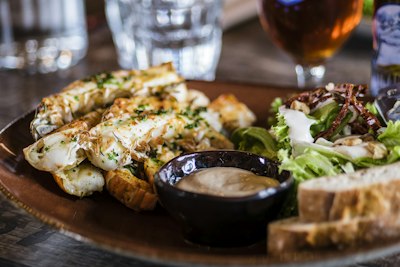
Posho (Maize Porridge)
The classic Ugandan pairing — posho is a dense, unseasoned maize porridge that functions as the neutral canvas for groundnut stew. You break off a piece of posho and use it to scoop the stew. The starchiness of the posho and the richness of the groundnut sauce are perfectly complementary.
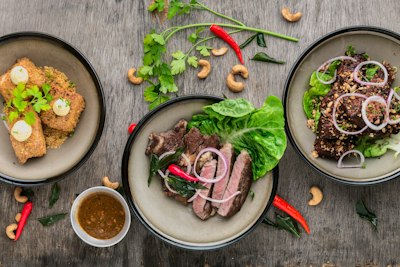
Matoke (Green Banana)
Groundnut stew is the traditional accompaniment to matoke — either poured over the top or served alongside for mixing. The earthy, slightly fruity matoke and the nutty, rich groundnut stew complement each other perfectly. This is how it's eaten at special occasions in Uganda.
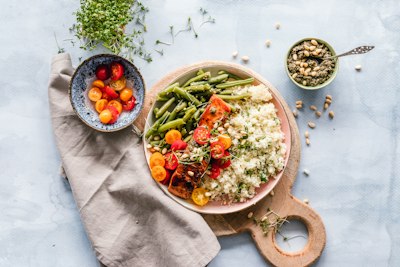
Rice
The most accessible pairing for non-Ugandan diners — plain white rice with groundnut stew poured over. Less traditional than posho or matoke, but a perfectly good way to eat it if you're new to East African food. Most Dubai restaurants default to rice unless you specifically ask for posho.
Groundnut Stew in Dubai: The Best Places to Find It
Pearl of Africa Kitchen — Best Overall
The only place in Dubai where the groundnut stew is made from whole roasted groundnuts rather than peanut butter. The kitchen roasts peanuts fresh (you can often smell it from outside), grinds them into a rough paste with a hand grinder, and builds the stew slowly from scratch. The result has a depth and nuttiness that commercial peanut butter simply cannot achieve. Served over posho (the correct way), with the option of chicken, goat, or vegetarian. Available daily except Fridays.
East Africa Lounge — Best Value & Most Consistent
The groundnut stew at East Africa Lounge is the most consistently available in Dubai — it's on the menu every day, never runs out, and is always reliable. It's made from a peanut paste (not whole groundnuts) but the paste is of noticeably better quality than what most restaurants use, and the long simmer time (they keep a pot going on low heat for service) produces a rounded, mellow flavour. Particularly good on the Tue/Sat matoke days when the stew is poured over banana rather than posho.
Kilimanjaro East African Restaurant — Best in Deira
Kilimanjaro's groundnut stew is available as a weekend special and often appears mid-week as a chef's addition to the board. It's the thinnest version on this list — more of a groundnut sauce than a stew — but the flavour is good and it works well poured generously over their rice. For Deira residents, this is the most convenient option and well worth ordering when available.
Groundnut Stew vs Other African Peanut Sauces
| Sauce | Country/Region | Base | Texture | Heat Level |
|---|---|---|---|---|
| Groundnut Stew | Uganda, East Africa | Whole roasted peanuts + tomato | Thick, glossy | Mild |
| Groundnut Soup | Ghana, West Africa | Peanut paste + palm nut + tomato | Thin to medium | Moderate |
| Maafe (Peanut Stew) | Senegal, West Africa | Peanut paste + tomato + meat | Medium | Mild-moderate |
| Mwambe (Moambe) | DRC/Congo | Palm nut + peanut + chicken | Rich, oily | Mild |
| Thai Satay Sauce | Thailand | Peanut butter + coconut + lime | Creamy | Mild + sweet |
How to Make Groundnut Stew at Home
The good news is that groundnut stew is one of the more achievable African dishes to make at home in Dubai, because all the ingredients are readily available. Raw peanuts (roast them yourself in a dry pan for 10–12 minutes until golden) or a high-quality natural peanut butter with no added sugar. Tomatoes (the more the better — use fresh, not canned, if you can). Onions, garlic, a little vegetable oil, salt, and stock or water. Nothing exotic, nothing hard to find.
The process: fry diced onion until golden in a little oil, add diced tomato and cook until the tomato breaks down to a sauce (10–12 minutes on medium heat). Add the groundnut paste — diluted with a little water to a pourable consistency — and stir to combine. Add stock or water to the desired thickness, then simmer on low heat for 45 minutes minimum. Season with salt. The stew is done when the oil has separated slightly from the sauce and the colour has deepened to a rich golden brown.

Groundnut Stew FAQs
Is groundnut stew suitable for vegetarians and vegans?
The base groundnut stew is naturally vegetarian and vegan — it's made from peanuts, tomatoes, onions, and oil. The protein additions (chicken, goat, beef) are optional. In Dubai's East African restaurants, always specify "vegetarian groundnut stew" — the kitchen will understand and serve it over posho or rice without meat. Pearl of Africa Kitchen and East Africa Lounge both serve a genuinely vegan version.
Does groundnut stew contain palm oil?
Traditional Ugandan groundnut stew uses palm oil, which gives it a distinctive deep orange-red colour and a slightly fruity flavour. Some restaurants in Dubai use vegetable oil instead — the flavour difference is noticeable (vegetable oil versions are paler and slightly less complex). If you want the authentic version, Pearl of Africa Kitchen uses palm oil in their recipe.
Is groundnut stew spicy?
Ugandan groundnut stew is mild — significantly less spicy than Nigerian or Ghanaian versions. The chilli heat, if present, is very gentle. This makes it accessible to people who don't eat hot food. If you want more heat, ask for the house chilli sauce on the side at any East African restaurant in Dubai.
Can people with peanut allergies eat groundnut stew?
No — groundnut stew is made entirely from peanuts. It is not suitable for anyone with a peanut allergy. There is no way to make an authentic groundnut stew without groundnuts.