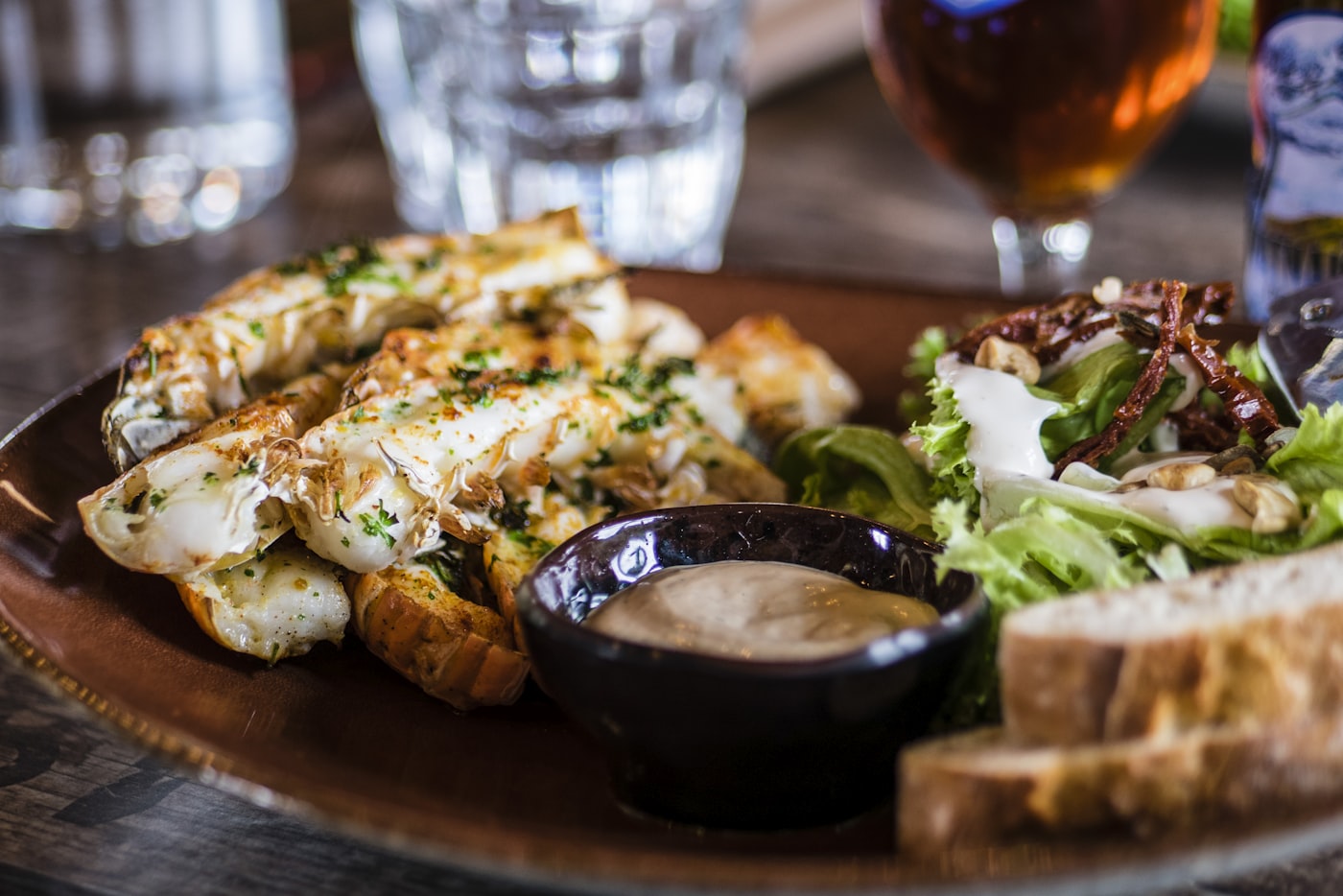
Say nsima to any Malawian and you'll see their face change — a softening, a hint of longing if they're far from home, an immediate warmth if they're near a kitchen. Nsima is not just food in Malawi. It is the meal, the gathering, the punctuation of a day. Lunch is nsima. Dinner is nsima. Even the word for "eat" in Chichewa — kudya — is contextually understood to mean eating nsima unless otherwise specified.
In Dubai's East and Southern African community, nsima is made at home, served at community events, and deeply missed by anyone far from Malawi. No Dubai restaurant sells it under its own name — but the dish is hiding in plain sight at half a dozen venues, wearing the Ugandan, Kenyan, or Tanzanian clothes of its regional cousins.
What Exactly Is Nsima?
Nsima (pronounced nn-SEE-ma, with a click-like nn at the start) is a thick, smooth, white porridge made from ufa woyera — finely milled refined white maize flour — cooked with water to a consistency firmer than mashed potato but softer than bread. Think somewhere between very stiff polenta and playdough: smooth, dense, slightly elastic, and satisfying in a way that's almost architectural.
It is white or pale cream in colour. It has almost no flavour of its own — a very faint earthiness, a subtle sweetness if freshly made from good flour, otherwise essentially neutral. This blankness is not a flaw; it is the design. Nsima is a vehicle for ndiwo — the collective Chichewa term for any relish, stew, or side dish eaten alongside it. The ndiwo provides all the flavour; the nsima provides sustenance, texture, and a scooping mechanism.
A meal of nsima is typically served as a large mound on a plate or communal platter, surrounded by multiple small bowls of ndiwo — a fish preparation, a vegetable relish (pumpkin leaves, cassava leaves), a bean stew, perhaps a small amount of meat. Everyone eats from the shared nsima, pinching off small balls and scooping their chosen relish.
How to Eat Nsima
Nsima is eaten with the right hand only — a rule observed consistently across Malawian, Zambian, and Zimbabwean food culture. The technique takes minutes to learn and a lifetime to refine:
Pinch off a piece
With your right hand, pinch off a palm-sized piece of nsima from the communal mound. It should hold its shape — not sticky, not crumbly.
Roll into a ball
Work the nsima between your fingers and palm, rolling it into a smooth, compact ball — roughly the size of a golf ball. This takes about 10 seconds and firms the nsima slightly.
Create an indentation
Use your thumb to press a shallow indent into the ball, creating a natural scoop or spoon shape. This is the "ladle" you'll use to pick up relish.
Scoop and eat
Use the indented ball to scoop ndiwo from its bowl. Eat the whole thing in one or two bites — nsima is finger food, not fork food. Repeat until satisfied.
The Ndiwo That Comes With Nsima
Nsima without ndiwo is like bread without butter — technically possible but missing the point. A traditional Malawian nsima meal involves multiple ndiwo dishes, chosen for variety, nutrition, and season. The most beloved ndiwo types in Malawian cooking:
🐟 Chambo Fish
Malawi's most prized freshwater fish from Lake Malawi — grilled, fried, or in tomato sauce. The ultimate nsima accompaniment.
🥬 Pumpkin Leaves
Nkhwani — pumpkin leaves cooked in groundnut (peanut) paste. One of Malawi's most beloved vegetable ndiwo.
🫘 Beans
Nyemba — cowpeas or kidney beans in tomato and onion sauce. A daily staple that balances nsima's calories with protein.
🌿 Cassava Leaves
Masamba — tender cassava leaves pounded and cooked in groundnut paste. Intensely nutritious and deeply flavoured.
🐄 Meat Stew
Nyama — beef, goat, or chicken in rich tomato-onion gravy. A luxury ndiwo for celebrations and special occasions.
🐟 Usipa (Dried Fish)
Tiny silver lake fish, sun-dried and fried crispy. Intensely savoury, umami-rich — Malawi's most distinctive ndiwo.

Nsima vs. Ugali, Posho, Sadza, Nshima: What's the Difference?
One of the most common questions about nsima is how it compares to the strikingly similar staple dishes found throughout Southern and East Africa. The honest answer: barely at all.
| Name | Country | Grain | Texture | Key Difference |
|---|---|---|---|---|
| Nsima | Malawi | White maize (refined) | Firm, smooth, dense | Made from very finely milled flour (ufa woyera) |
| Nshima | Zambia | White maize | Nearly identical to nsima | Regional name variant — essentially the same dish |
| Sadza | Zimbabwe | White maize | Slightly coarser | Can be made from roller meal (less refined flour) |
| Ugali | Kenya / Tanzania | White or yellow maize | Slightly looser | Often softer consistency; yellow maize versions earthier |
| Posho | Uganda | White maize | Firm, similar to nsima | Very close to Malawian nsima; near-identical |
| Pap | South Africa | White/yellow maize | Variable (stiff to soft) | Stiff pap = nsima equivalent; soft pap is much looser |
This comparison matters practically in Dubai: because East African restaurants outnumber Malawian-specific venues by an enormous margin, knowing that posho and ugali are effectively the same dish as nsima means you can satisfy that craving without waiting for a dedicated Malawian restaurant to open.
Where to Find Nsima (and Its Equivalents) in Dubai
🥇 East Africa Lounge — International City
What to order: Posho with tilapia and sukuma wiki (kale). The posho is prepared to a firm, authentic consistency. AED 55–65 for a full meal.
Nsima similarity: Near-perfect. The posho here is made from the same refined white maize, cooked to the same firm consistency, eaten the same way.
🥈 Kilimanjaro Restaurant — Deira
What to order: Ugali with grilled tilapia and kachumbari. The ugali is made to a good East African standard — firm and scoopable.
Nsima similarity: Very close. The Tanzanian ugali here is only marginally different from Malawian nsima — perhaps a touch softer, but the same eating experience.
🥉 Kibo African Kitchen — Al Quoz
What to order: Maize pap with smoked fish stew. The pap is styled after South African traditions but is functionally the same dish.
Nsima similarity: Good, with a Southern African slant. The maize pap here comes in the stiffer "stiff pap" style that mirrors nsima's consistency.
How to Make Nsima at Home in Dubai
Malawian ufa woyera (refined white maize flour) is not sold in Dubai supermarkets. However, the closest substitutes are readily available:
- White maize flour (posho flour): Available at African grocery shops in International City — Uganda brand, Ugali brand, or similar. Look for "white maize meal" or "posho meal."
- Semolina: Not traditional but produces a similar dense, smooth result — available everywhere in Dubai.
- Fine polenta: Closest Western equivalent — look for "fine white polenta" in specialist stores. Regular yellow polenta works in a pinch.
To make nsima: bring salted water to a boil (roughly 2 cups per person), gradually whisk in maize flour until you get a smooth, thick porridge consistency. Continue cooking over medium heat, stirring constantly, for 5–10 minutes until it pulls away from the sides of the pot and holds its shape when scooped. Roll into balls and serve with your ndiwo of choice.

Frequently Asked Questions
Is nsima gluten-free?
Yes — traditional nsima made from maize flour is naturally gluten-free. White maize flour contains no gluten. This makes nsima a good option for people with gluten intolerance or coeliac disease, though you should confirm with the restaurant that no gluten-containing ingredients have been added to the preparation.
Is nsima vegan?
Nsima itself is vegan — it is simply maize flour and water. Many of the ndiwo relishes are also vegan: pumpkin leaf relish, bean stews, cassava leaf dishes, and most vegetable preparations. Fish and meat ndiwo are obviously not vegan. At East African restaurants in Dubai, the vegetable relishes are typically vegan-friendly, though you should confirm no fish stock or lard is used in preparation.
How many calories are in nsima?
A typical serving of nsima (about 250g cooked, roughly what a Malawian adult eats per meal) contains approximately 350–420 calories, primarily from carbohydrates. It is low in fat and protein but high in starch. The nutritional profile improves significantly when eaten with protein-rich ndiwo — chambo fish, beans, or meat stews provide the protein and micronutrients that nsima lacks.
What flour is used in nsima?
Traditional Malawian nsima uses ufa woyera — finely ground, refined white maize flour. The refining process removes the bran and germ, producing a pure white flour that cooks to a smooth, very white porridge. Some Malawian families use ufa mgaiwa (whole grain maize flour) for a more nutritious but grainier nsima. In Dubai, the closest equivalent is white maize meal/posho flour sold at African grocery shops in International City.
Related Southern African Food Guides
Malawian Food in Dubai: Complete Guide
The definitive guide to Malawi's cuisine — nsima, chambo, ndiwo, and more.
Ugali in Dubai: Kenya's Comfort Food
Nsima's Kenyan cousin — where to find the best ugali in Dubai.

Zambian Food in Dubai
Nshima, ifisashi, and the flavours of Zambia in the UAE.