What You Need to Know: Malawian Food in Dubai
Malawi doesn't have a dedicated restaurant in Dubai, but its food culture is findable in community gatherings, pan-African restaurants, and the closest approximation to nsima (posho/ugali) at East African restaurants. This guide covers the cuisine, the key dishes, the Dubai context — and where to get as close as possible.
- Nsima — thick maize porridge (national staple)
- Chambo — Lake Malawi's famous cichlid fish
- Ndiwo — relishes served with nsima
- Utaka — small lake fish, dried or fresh
- Kondowole — cassava nsima
- Mbatata — sweet potato cookies
- Matemba — dried small fish, very common
- Thobwa — fermented maize drink
Malawi calls itself the Warm Heart of Africa — and its cuisine mirrors that description exactly. It is not a food culture of dramatic spice or complex technique. It is a food culture of warmth: of slow-cooked stews that fill a house with aroma, of fish pulled that morning from Africa's third-largest lake, of maize porridge rolled into balls and dipped into thick green vegetable relish, of groundnut dishes that taste of earth and nourishment and home. Malawian food is Southern Africa's most underrated cuisine, and in Dubai's extraordinary African diaspora scene, it is one of the least explored.
For this guide, "Malawian food" also encompasses the closely related cuisines of Zambia — Malawi's landlocked western neighbour, which shares the nsima-and-ndiwo food culture so thoroughly that the differences between the two are largely regional rather than fundamental. Where Malawi has chambo from Lake Malawi, Zambia has Kapenta (dried sardines from Lake Tanganyika and Lake Kariba). Both countries eat nshima (Zambia's spelling) or nsima with the same repertoire of vegetable and meat relishes.
The Architecture of Malawian Food: Nsima + Ndiwo
Understanding Nsima and Ndiwo
Nsima (nn-SEE-ma) is the foundation of Malawian cooking — a thick, smooth porridge made from white maize flour (ufa woyera), cooked in boiling water until it reaches a consistency firmer than mashed potato. It is shaped into balls with the hand and used to scoop the ndiwo. To a Western palate it can seem plain or starchy, but that's precisely the point — nsima is the neutral canvas, the caloric backbone, the vehicle for everything else.
Ndiwo (nn-DEE-wo) means relish — it is a broad term for anything served alongside nsima: vegetable stews (pumpkin leaves, sweet potato leaves, mustard greens), bean dishes, fish preparations, meat stews, or dried fish preparations. A traditional Malawian meal might have three or four different ndiwo around a central mound of nsima. In Zambia, the equivalent of ndiwo is called ifisashi (for vegetable relishes) or umunani.
The closest equivalent to nsima in Dubai's restaurant scene is posho (at Ugandan restaurants) or ugali (at Kenyan/Tanzanian restaurants) — both are made from maize flour and prepared the same way. If you want to experience the nsima concept, order posho or ugali at East Africa Lounge or Kilimanjaro restaurant and pair it with the stew of your choice.
Essential Malawian Dishes
Nsima
Thick white maize porridge — the daily staple for virtually all Malawians
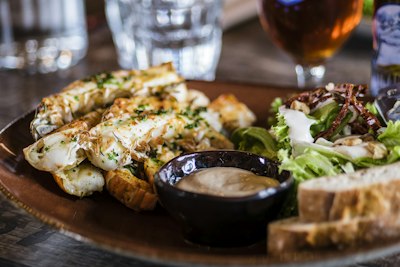
Chambo
Prized cichlid fish from Lake Malawi — grilled, fried, or cooked in tomato sauce
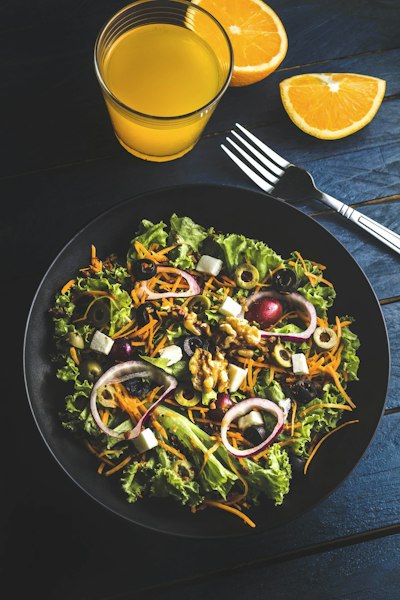
Ndiwo (Relish)
Vegetable relishes — pumpkin leaves, sweet potato greens, mustard — served with nsima
Matemba / Utaka
Small dried fish from Lake Malawi — intensely flavoured, cooked into relishes
Ndiwo ya Nzama
Groundnut (peanut) relish — a key protein source, especially in rural cooking
Mbatata
Sweet potato cookies flavoured with cinnamon and orange juice — Malawi's signature snack
Malawian Food and Lake Malawi: A Love Story
You cannot understand Malawian food without understanding Lake Malawi. The lake — Africa's third largest, stretching 580km along the country's eastern border — defines Malawian food culture the way the sea defines Japanese or Portuguese cuisine. Lake Malawi contains more species of freshwater fish than any other lake on earth: over 1,000 species of cichlid, found nowhere else in the world. The most prized of these is chambo — a medium-sized fish with firm, white flesh and a mild, clean flavour, eaten grilled over charcoal or cooked in tomato-based sauce.
Beyond chambo, Lake Malawi provides utaka (small schooling fish similar to whitebait, eaten fresh in coastal communities and dried for inland areas), usipa (even smaller fish, dried to small silver slivers and cooked into intensely flavoured relishes), and the large mpasa (lake salmon). Fish is protein for the majority of Malawians who live near the lake, and the drying and trading of small fish into the country's interior is a centuries-old trade route.
Malawian vs Zambian Food: The Differences
Malawi and Zambia share so much — the same staple (nsima/nshima), the same relish culture (ndiwo/ifisashi), the same tradition of vegetable cooking, and many of the same dried fish preparations — that their cuisines are perhaps best thought of as regional variations of the same food culture rather than distinct national cuisines.
The key differences are geographical and ecological. Zambia, landlocked even from Lake Malawi, depends more heavily on kapenta (small dried sardines from Lakes Tanganyika and Kariba) than on the variety of fresh fish available in Malawi. Zambia also has a stronger tradition of beef cooking — particularly chikanda (a dense cake made from wild orchid tuber and groundnuts, called "African polony") and inswa (flying ants, a seasonal protein source). Malawi's food has a slightly lighter character, more dependent on fresh fish and leaf vegetables; Zambia's is heartier, more reliant on dried fish and root vegetables.
Malawian Kitchen Essentials
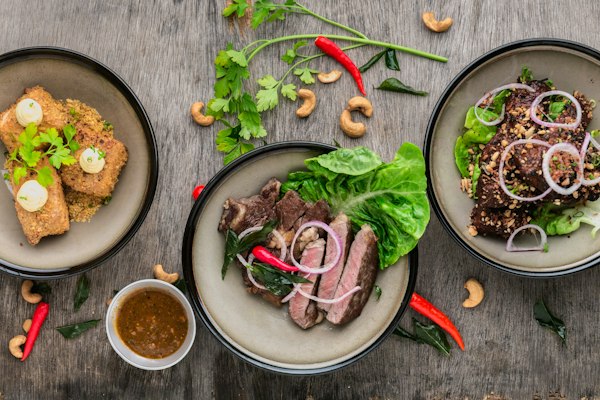
Nsima with chambo (grilled or tomato-cooked), pumpkin leaf ndiwo, matemba (dried small fish), groundnut relish, sweet potato dishes. Mild spicing, emphasis on fresh fish and leaf vegetables. Thobwa (fermented maize drink) or sweet potato juice with meals.
Zambian Kitchen Essentials
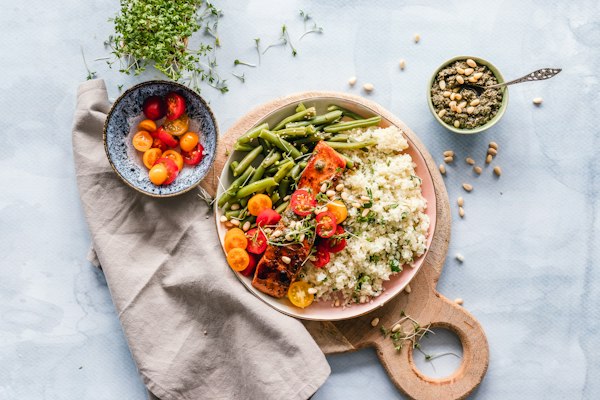
Nshima (thicker, coarser maize porridge) with kapenta (dried sardines), ifisashi (vegetable relishes cooked in peanut sauce), chikanda (groundnut-orchid cake), bream fish, beef stew. Similar mild spicing, heavier reliance on dried fish and groundnuts as protein.
Finding Malawian & Zambian Food in Dubai
Let's be transparent: finding dedicated Malawian or Zambian food in Dubai requires effort and community connections. The Malawian community in Dubai is small (several thousand, predominantly in healthcare) and the Zambian community is similarly modest. Neither community has the critical mass to support a dedicated restaurant in the way that, say, the Nigerian or Ethiopian communities have.
Best Approach: East African Restaurants
For the nsima/ndiwo experience, visit East Africa Lounge (International City) or Kilimanjaro (Deira) and order posho or ugali with the stew of your choice. Functionally identical to Malawian nsima, and a genuine approximation of the food culture. Ask for extra vegetable relish (ndiwo equivalent) if available.
Pan-African Restaurants & Events
Ubuntu African Bistro (International City) occasionally features Southern African dishes — ask about their rotating specials. Pan-African community events (check Facebook groups for Dubai African Community, Dubai Malawi Community) regularly feature Malawian and Zambian home cooking.
Dried Fish Sources
Matemba-equivalent dried small fish (kapenta/dried sardines) is available at African grocery stores on Al Rigga Road in Deira. These are the same small dried fish used in Malawian and Zambian cooking — you can buy them and cook ndiwo at home following Malawian recipes.
Key Dishes to Know: Malawi & Zambia
Malawian & Zambian Dishes: A Quick Reference
This Cluster: Malawian & Zambian Food in Dubai
Malawian / Zambian Food Series
Malawian Food: Complete Guide
This page — the full overview
Best Malawian Restaurants Dubai
Where to eat Malawian food in Dubai
Nsima in Dubai
Malawi's staple maize porridge — complete guide
Zambian Food in Dubai
Nshima, kapenta, chikanda — Zambia's cuisine
Southern African Food Dubai
Zimbabwe, Mozambique, Malawi — the full picture

Malawian Food in Dubai: FAQs
What is Malawi's most famous dish?
Nsima with chambo (Lake Malawi cichlid fish) is the most iconic Malawian meal — the combination of the country's staple starch and its most prized fish. Mbatata (sweet potato cookies) is the best-known Malawian snack outside the country. Within Malawi, ndiwo of any kind with nsima is simply daily life — there isn't one single "national dish" in the way some countries have, because nsima is always present and the ndiwo changes by region, season, and household.
How is Malawian food different from Ugandan or Kenyan food?
The differences are primarily geographical. Uganda and Kenya are East African; Malawi is Southern African. All share the maize-porridge-and-stew food culture, but Malawi's cuisine is more fish-oriented (due to Lake Malawi), while Uganda's is more banana-oriented (matoke) and Kenya's has stronger Indian influences (pilau, biryani, chapati). Malawian food is perhaps the mildest of the three — less influenced by Indian spicing, less chilli-forward than some East African cuisines, with a focus on the natural flavours of vegetables and fish.
Is Malawian food spicy?
No — Malawian food is among the mildest in Africa. Chilli is available but is not the defining flavour note. The cuisine prioritises the natural flavours of maize, fish, and vegetables. This makes it very accessible to people who don't eat hot food.
Where is the Malawian community in Dubai?
Malawian expats in Dubai are concentrated primarily in the healthcare sector — Malawian nurses are notably well-represented in Dubai's hospitals and clinics, particularly in Deira, Al Qusais, and the Al Barsha area. Community events happen through the Dubai Malawi Community group (Facebook) and through church communities. This is the best route to experiencing authentic home-cooked Malawian food in Dubai.