In Accra, waakye sellers set up at dawn. By 9am the best pots are half empty. By noon they are gone. Waakye (pronounced WAH-chay) is one of Ghana's most beloved dishes — a one-plate meal that manages to be simultaneously breakfast, lunch, and the kind of deeply satisfying food that follows you home as a memory. In Dubai, it is harder to find but absolutely worth seeking out. This is your complete guide.
🇬🇭 Ghanaian Food in Dubai — Full Guide Series
Cuisine, culture, all dishes explained
Ranked guide to every spot
This page — where to find it
Spiced fried plantain guide
The Dubai taste test
What is Waakye?
Waakye is rice and beans — specifically black-eyed peas or cowpeas — cooked together in the same pot with dried millet stalks or sorghum leaves. Those leaves are the secret. They contain natural dyes that turn the rice a deep reddish-brown to purple colour, and they add a subtle earthy, slightly tannic note to the dish that plain rice simply cannot replicate.
The dish originated in northern Ghana and is associated with the Hausa people, though it has long since become a pan-Ghanaian staple. In Accra, waakye stalls are as common as shawarma spots in Dubai — a national institution. The name comes from the Hausa word for rice and beans cooked together.
What makes waakye extraordinary is not the base dish itself — it is the toppings. A full waakye plate is a complex construction: rice-and-beans, ladled with tomato stew, topped with a fried fish fillet, a sliced boiled egg, a few pieces of fried plantain, a generous portion of plain boiled spaghetti, and a dark slick of shito across everything. Shito is Ghana's black pepper sauce — fermented dried fish and shrimp pounded with chili — and it is one of the most deeply flavoured condiments in West African cooking.
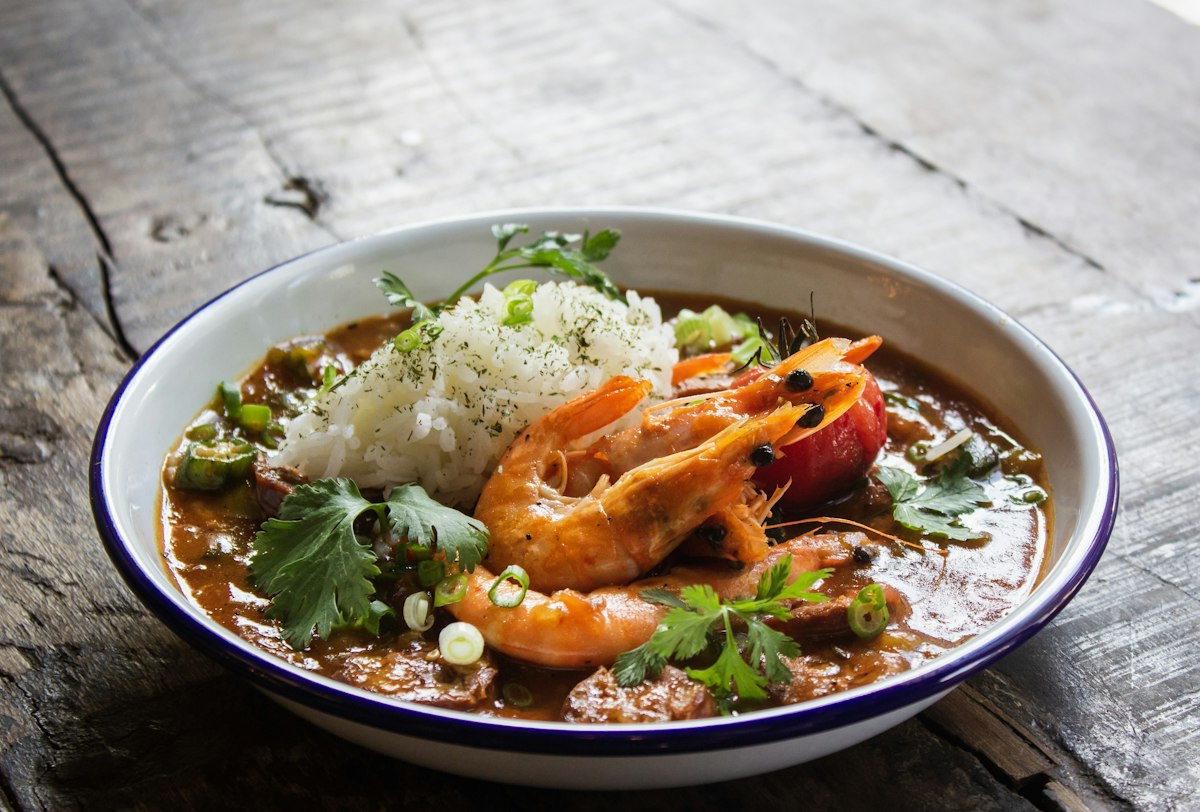
A full waakye plate is a complete meal — rice and beans topped with stew, fried fish, egg, spaghetti, and the unmistakable black shito sauce.
The Full Waakye Plate — Every Topping Explained
If you are ordering waakye for the first time, here is what to expect on the plate and what each element contributes.
Waakye Toppings Explained
Rice and Beans Base
Black-eyed peas and long grain rice cooked together with dried sorghum leaves until the rice takes on a reddish-brown colour. Dense, earthy, and satisfying — the foundation of everything else.
Tomato Stew
A slow-cooked blend of tomatoes, onions, peppers, and palm oil. Slightly sweet, deeply savoury, with an underlying heat. This is ladled generously over the rice.
Fried Fish
Usually tilapia or mackerel, seasoned and fried until crispy at the skin. In Ghana, this is often a whole small fish. In Dubai you will more commonly get a fillet.
Spaghetti
Plain boiled spaghetti. Yes, really. It is a traditional waakye topping — a Ghanaian culinary quirk that emerged from Italian pasta imports decades ago and is now completely canonical.
Boiled Egg
Hard-boiled and sliced. Adds protein and richness. Cutting through the egg into the stew-soaked rice is one of the small pleasures of a waakye plate.
Fried Plantain (Kelewele)
Sweet ripe plantain, sometimes plain-fried, sometimes spiced with ginger and chili in the kelewele style. Adds sweetness and contrast.
Shito
Ghana's black pepper sauce — dried fish, shrimp, chili, and spices slow-cooked into a dark, pungent, intensely flavoured condiment. A small amount goes a very long way. Essential.
Where to Find Waakye in Dubai
Waakye is not available every day at most Dubai restaurants — it requires preparation time and specific ingredients. Your best windows are Friday and Saturday, typically from late morning through early afternoon, at the following spots:
Biggy African Restaurant — Al Karama
The closest thing Dubai has to an authentic Accra waakye stall experience. Biggy's makes waakye on Friday and Saturday mornings and it sells out by early afternoon. The full plate comes with stew, fried fish, boiled egg, spaghetti, fried plantain, and shito — everything as it should be. Budget AED 40–55 for the full works.
Arrive before 12:30pm on Fridays. By 2pm, the waakye pot is typically empty.
Africana Home — Deira
Africana Home in Deira serves waakye on Fridays and Saturdays as part of a weekend special. The version here is slightly more refined than Biggy's — a cleaner plate, slightly more restaurant-style presentation — but the flavours are equally authentic. Palm nut soup and the fufu are excellent companion dishes to consider ordering alongside.
Motherland Restaurant — International City
International City has a large Ghanaian community and Motherland serves waakye more regularly than most — often available on weekdays as well as weekends. The version here is plainer than at Biggy's (the toppings selection is smaller) but the rice and beans base and the stew are well-made and the price is the best in Dubai at around AED 35–45.
Tips for Ordering Waakye in Dubai
A few practical tips for making the most of your waakye experience in Dubai:
- Call ahead: Waakye is not always on the daily menu. A quick WhatsApp or phone call to confirm availability saves a wasted journey. All three of the spots listed above have phones.
- Arrive early: Waakye is morning and lunchtime food. The best pots are freshest in the first two hours of service. After 2pm the rice can become dry and the stew thickens.
- Get all the toppings: If you are eating waakye for the first time, get everything — stew, fish, egg, spaghetti, kelewele, shito. The experience of the full plate is very different from the base dish alone.
- Eat it hot: Waakye does not travel well. Eat in rather than takeaway where possible — the toppings are best when fresh and warm.
- Drink with malt: In Ghana, waakye is almost always paired with Malta (malt drink) or sobolo (hibiscus drink). Most African restaurants in Dubai carry malt drinks.

FAQ — Waakye in Dubai
What is waakye?
Waakye (WAH-chay) is a Ghanaian dish of rice and black-eyed peas cooked together with dried sorghum leaves, which turn the rice reddish-brown. It is served with tomato stew, fried fish, boiled egg, spaghetti, fried plantain, and shito (black pepper sauce). It is one of Ghana's most beloved comfort foods and a national institution.
Why does waakye have spaghetti in it?
Spaghetti is a traditional and authentic waakye topping. It entered Ghanaian food culture through Italian pasta imports in the mid-20th century and has been a standard waakye component for generations. It is served plain-boiled and adds bulk and a different texture to the plate. Unusual from the outside — completely normal once you have eaten it.
Is waakye available every day in Dubai?
Not usually. Most Ghanaian spots in Dubai serve waakye as a weekend special — primarily on Friday and Saturday mornings. Motherland in International City is the most likely spot to find it on weekdays as well. Always call ahead to confirm availability before making a special trip.
What is shito?
Shito is Ghana's iconic black pepper sauce — a dark, intensely flavoured condiment made from dried shrimp, dried fish, chili pepper, onion, and spices slow-cooked together in oil. It is a fundamental part of the waakye experience and is also widely used as a condiment across Ghanaian cuisine. A small quantity adds enormous depth of flavour.
How much does waakye cost in Dubai?
A full waakye plate with all toppings costs AED 35–60 depending on the restaurant and the toppings included. Biggy's in Karama is at the higher end for quantity and quality; Motherland in International City is the most budget-friendly option.