Zimbabwean Food in Dubai: Key Facts
Zimbabwe has a large and well-organised diaspora in Dubai — concentrated heavily in healthcare and engineering. Zimbabwean nurses are among the most valued healthcare workers in the UAE. Here's what to know about the food:
- National dish: sadza with relish (muriwo, dovi, nyama)
- Signature relish: dovi (groundnut butter chicken stew)
- Key protein: beef, goat, chicken, matemba dried fish
- Unique ingredient: mopane worms (dried caterpillars)
- No dedicated Zimbabwean restaurant in Dubai (yet)
- Zimbabwean community in UAE: ~10,000–15,000
Zimbabwe's food culture is one of the most quietly exceptional in Africa — built on sadza (thick white maize porridge) and a remarkable repertoire of relishes that range from the nutty richness of dovi (peanut butter stew) to the clean bitterness of muriwo (pumpkin leaves), from the smoky depth of matemba (dried fish) to the extraordinary umami of mopane worms. Zimbabwean cooking is generous, communal, and deeply satisfying — the kind of food that makes you understand exactly why it has sustained generations of people through hard work and celebration alike.
Understanding Sadza: Zimbabwe's National Staple
Sadza — pronounced SAD-za — is Zimbabwe's version of the thick white maize porridge found throughout Southern and East Africa (nsima in Malawi, nshima in Zambia, ugali in Kenya/Tanzania, posho in Uganda). It is made from mealie meal (refined white maize flour) cooked with water to a firm, smooth consistency — firmer than mashed potato, denser than polenta, with a subtle sweetness when freshly made.
Sadza is not just food in Zimbabwe — it is identity, comfort, and community. Zvadya sadza? ("Have you eaten sadza?") is how Zimbabweans ask if you've had a proper meal. If you haven't eaten sadza, you haven't eaten. This is not hyperbole; it reflects a genuine food philosophy where sadza is the anchor of nutrition and all other foods are relishes — accompaniments — however elaborate or prestigious.
The distinction that makes Zimbabwean sadza slightly different from other regional variations: Zimbabwean mealie meal is often coarser than Malawian ufa woyera, giving sadza a slightly more textured quality. Many Zimbabweans also make what they call "thick sadza" — an extremely firm version that holds its shape almost like a dumpling — for preference over the smoother preparation. But fundamentally, it's the same dish shared across Southern Africa's great food tradition.
Essential Zimbabwean Dishes
Sadza
Zimbabwe's thick white maize porridge — the centrepiece of every meal. Firm, smooth, eaten by hand with relish.
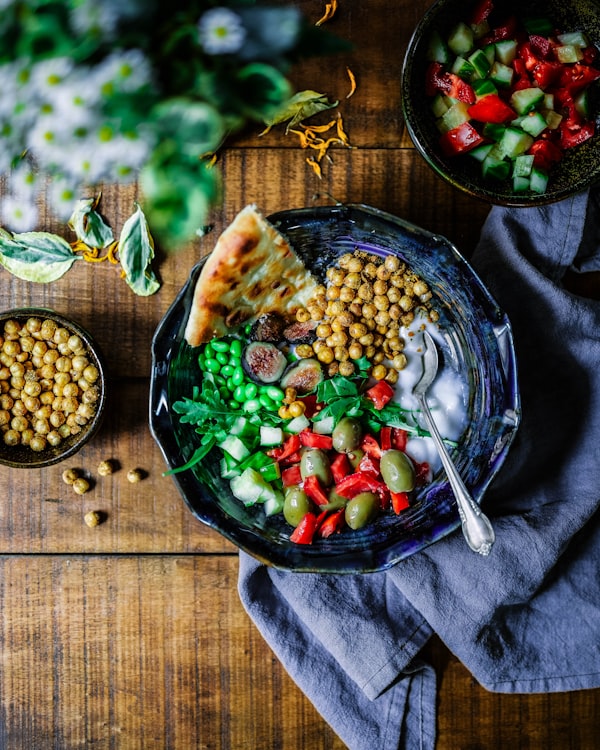
Dovi
Zimbabwe's signature dish — chicken or beef slow-cooked in groundnut (peanut) butter with tomato and onion. Creamy, rich, magnificent.
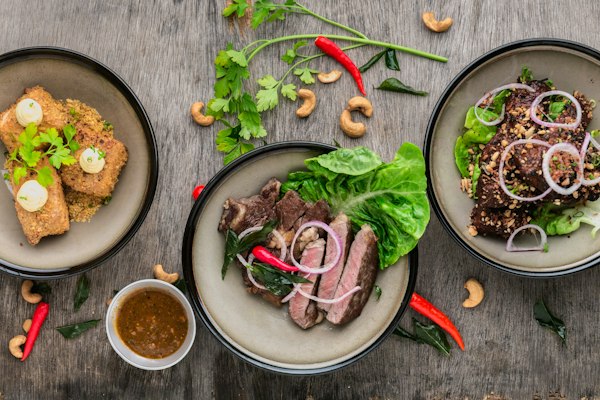
Muriwo
Pumpkin leaves or black-eyed pea leaves (nyevhe) cooked with bicarbonate of soda and groundnut — Zimbabwe's beloved vegetable relish.
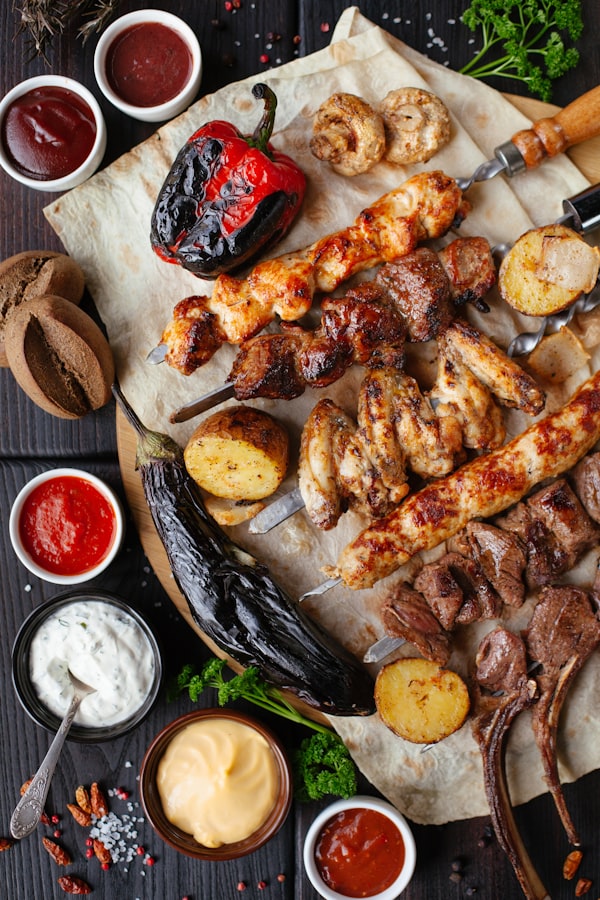
Matemba
Small dried river fish — intensely savoury, fried crispy and eaten with sadza. Zimbabwe's most distinctive protein relish.

Nyama Choma
Grilled meat — roasted goat, beef, or chicken. Zimbabwe's festive cooking tradition, often cooked outdoors over wood fire.
Mopane Worms
Dried emperor moth caterpillars — fried crispy or cooked in tomato sauce. Zimbabwe's most distinctive (and nutritionally remarkable) snack.
Dovi: Zimbabwe's Greatest Dish
If nsima-and-chambo is Malawi's greatest combination and ifisashi is Zambia's signature, then dovi is Zimbabwe's culinary masterpiece. A chicken or beef stew made with peanut butter (groundnut paste), tomatoes, onions, garlic, and occasionally leafy greens, dovi is one of the most extraordinary dishes in African cooking — rich, creamy, deeply savoury, with a nuttiness that elevates it far beyond ordinary stew.
Dovi is not simply peanut butter added to a stew. The groundnut paste is used at high proportion, giving the sauce a thick, velvet texture and an extraordinarily complex flavour — simultaneously sweet, savoury, nutty, and slightly bitter from the peanuts. Chicken dovi is arguably the most perfect example, but beef dovi (with slow-cooked brisket or oxtail) is a special occasion dish of unusual depth. Eaten with sadza, dovi is the complete Zimbabwean experience.
In Dubai, dovi is not available at any permanent restaurant. Kibo African Kitchen (Al Quoz) makes a groundnut chicken stew that approximates it, and the dish appears at Zimbabwean community events. If you have a Zimbabwean friend in Dubai, asking them to cook dovi is the single best food request you can make.
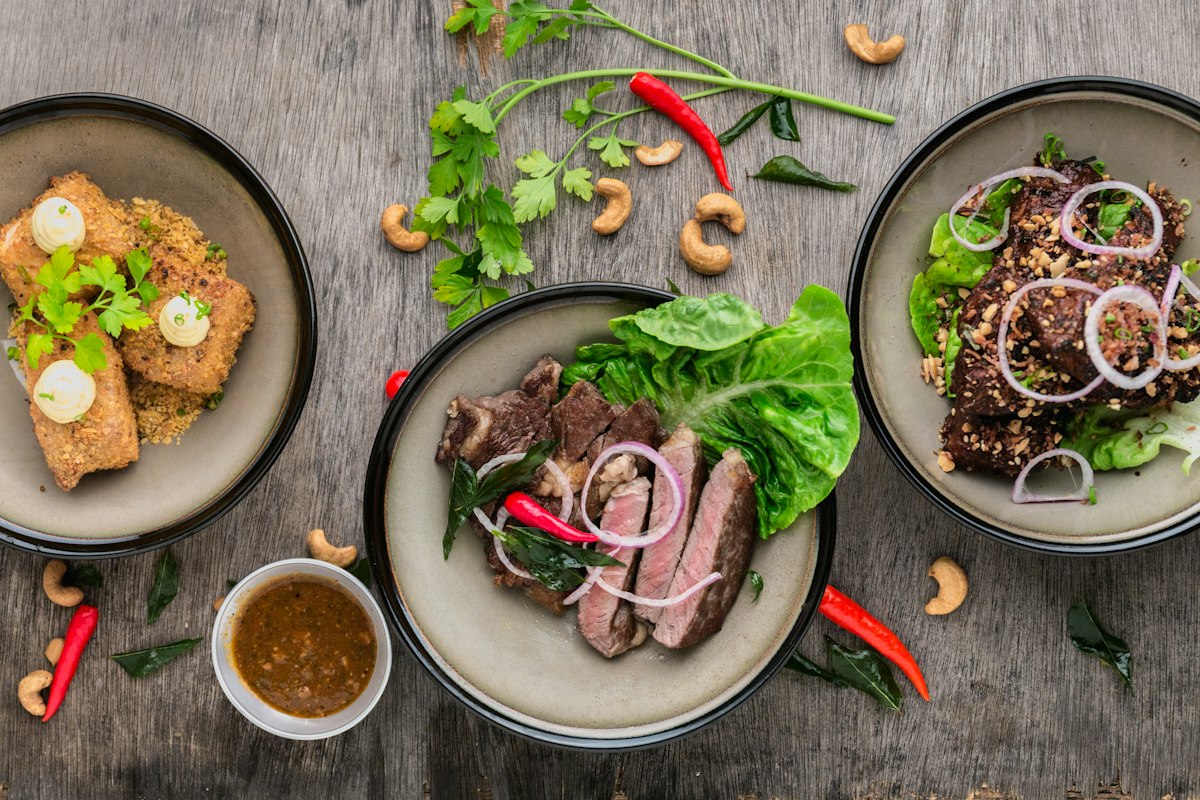
Zimbabwean Dishes and Dubai Prices
Zimbabwean Dishes & Dubai Availability
Where to Find Zimbabwean Food in Dubai
🥇 East Africa Lounge — International City
Best for: Sadza equivalent (posho), grilled tilapia, vegetable relishes, bean stews. The most authentic Eastern/Southern African eating experience in Dubai. Zimbabweans frequent this restaurant regularly.
Best order: Posho with tilapia and greens (AED 55). Ask about daily specials — the kitchen sometimes prepares groundnut-based chicken stews close to dovi.
🥈 Kibo African Kitchen — Al Quoz
Best for: The most ambitious pan-African cooking in Dubai. The groundnut chicken, maize pap, and smoked fish stew all echo Zimbabwean food traditions. The kitchen has real knowledge of Southern African cooking.
Best order: Groundnut chicken with maize pap (AED 82). Add the spinach in peanut sauce (AED 28) for a dovi-adjacent experience.
🥉 Zimbabwean Community Events — Various
Best for: The only place to eat genuine Zimbabwean food in Dubai. The Zimbabwe Community Dubai network organises regular potlucks, Independence Day events (April 18), and church gatherings with sadza, dovi, muriwo, and matemba prepared by home cooks.
How to find: Follow Zimbabwe Community Dubai on Facebook and Instagram. Independence Day (April 18) celebrations are the biggest annual food event.
The Zimbabwean Diaspora in Dubai
Zimbabwe has one of the most established African diaspora communities in Dubai, built over decades of economic migration that accelerated significantly in the 2000s. Zimbabwean professionals — nurses, physiotherapists, engineers, accountants — are found across the UAE's healthcare and construction sectors.
The Zimbabwean community in Dubai is remarkably cohesive, united by strong church networks (particularly Pentecostal churches in International City and Sharjah), active social clubs, and a fierce pride in Zimbabwean culture. Food is central to this community identity — sadza and dovi appear at virtually every community gathering, and the desire to maintain Zimbabwean food traditions far from home is strong and consistent.
- Main residential areas: International City, Discovery Gardens, Al Quoz, Sharjah (many commute to Dubai)
- Key gathering dates: Zimbabwe Independence Day (April 18), Christmas/New Year, church celebrations
- Community organisation: Zimbabwe Community Dubai (Facebook group, 5,000+ members)
Zimbabwean Food Series — Coming Soon

Frequently Asked Questions
What does sadza taste like?
Sadza has a very mild, neutral flavour — a subtle corn sweetness and earthiness, but nothing pronounced. It is intentionally bland because its role is to provide caloric sustenance and a scooping vehicle for the flavourful relishes (muriwo, dovi, nyama, matemba) that accompany it. Think of it like rice or bread — the flavour is in what you eat it with, not in the sadza itself. The texture is what defines it: firm, smooth, slightly dense, and satisfying in a way that's almost architectural.
What are mopane worms and can I get them in Dubai?
Mopane worms (amacimbi in Ndebele, madora in Shona) are the larvae of the emperor moth (Gonimbrasia belina), which feeds on mopane trees across Southern Africa. They are harvested by hand, de-gutted, and either dried for preservation or cooked fresh. Dried mopane worms are fried crispy and eaten as a protein-rich snack, or reconstituted and cooked in tomato-based sauces. They are extraordinary in nutrition (higher protein per gram than beef) and have a savoury, slightly earthy flavour. In Dubai, mopane worms are not available at restaurants. They can occasionally be found at Zimbabwean community events and from specialist African online retailers who ship to the UAE.
Is Zimbabwean food halal?
Traditional Zimbabwean cuisine is largely halal-compatible. The majority of Zimbabwe's rural population keeps cattle, goats, and chickens as their main protein sources, and none of these involve pork. Beef, goat, chicken, and fish (tilapia, bream, matemba) dominate the cuisine. There is no significant pork tradition in Zimbabwean home cooking, though some urban-influenced dishes from the independence era introduced some pork elements. At Dubai's East African restaurants serving Zimbabwean-adjacent food, all meat is fully halal.
What is the difference between sadza and ugali?
Sadza (Zimbabwe) and ugali (Kenya/Tanzania) are functionally the same dish — thick maize porridge made by cooking white maize flour with water to a firm consistency and eaten by hand with relishes. The main differences are: sadza tends to be slightly firmer and more coarsely textured than Kenyan ugali (which is often smoother); Zimbabwean mealie meal is typically roller-milled rather than stone-ground; and the relish traditions differ (Zimbabwe uses dovi and muriwo as its signature relishes, Kenya uses sukuma wiki and nyama choma). But sit a Kenyan and a Zimbabwean down with ugali/sadza, and they will feel they are eating the same food — because they are.
Related Southern African Food Guides
Malawian Food in Dubai
Nsima, chambo, ndiwo — Malawi's food culture in the UAE.
Zambian Food in Dubai
Nshima, ifisashi, kapenta — Zambia's remarkable food in the UAE.
Southern African Food Dubai
The complete regional guide — 6 countries, 1 definitive guide.