Understanding Malagasy Cuisine
Malagasy food is built around a single non-negotiable foundation: rice. Not as a side dish but as the meal itself, around which everything else revolves. The Malagasy word for eating — "mihinam-bary" — literally translates as "eating rice." Meat, fish, and vegetables are accompaniments to the rice, not the other way around. This cultural orientation shapes everything about how the food is cooked, presented, and experienced.
The cuisine divides broadly into a central plateau tradition (inland, zebu beef-focused, with heavy use of tomatoes and ginger) and a coastal tradition (more fish and seafood, coconut milk, and influences from the Swahili coast and Arabia). Both arrive in Dubai's small Malagasy restaurant scene, giving you a surprisingly complete picture of the island's food.
The Cultural Crossroads Behind the Food
The Essential Dishes of Malagasy Cuisine

Romazava
Madagascar's national dish — a zebu beef broth with multiple greens including anamalaho (brèdes mafane), a unique plant that creates a distinctive tingling, numbing sensation in the mouth. Extraordinarily complex for what appears a simple preparation.

Ravitoto
Pork (or zebu) simmered with ground cassava leaves and coconut milk. One of the most beloved everyday dishes in Madagascar — earthy, rich, and deeply satisfying. The cassava leaves are dried and pounded before cooking.

Vary Amin'Anana
Rice cooked directly with leafy greens, meat or fish, and tomatoes — a one-pot dish that is Madagascar's equivalent of congee or arroz con pollo. Nourishing, economical, endlessly variable.

Mofo Gasy
Literally "Malagasy bread" — small, puffy rice-flour pancakes cooked on a cast-iron griddle, eaten for breakfast with coffee or as a snack. The Malagasy answer to the Indian pancake tradition.

Akoho sy Voanio
Chicken with coconut milk — the coastal Madagascar standard, where Indonesian and Swahili influences converge in one fragrant, rich dish. Subtly spiced with ginger and garlic, finished with fresh coconut.

Grilled Zebu (Akoho)
Zebu beef — Madagascar's distinct hump-backed cattle — grilled over charcoal with a simple marinade of ginger, garlic, and soy. The prestige protein of Malagasy special occasions. Leaner and gamier than regular beef.

Finding Malagasy Food in Dubai
Authentic Malagasy restaurants in Dubai are extremely rare — there is no dedicated Malagasy restaurant that we're aware of as of early 2026. The Malagasy community in Dubai is small (several thousand) compared to the large East African or West African expat populations. However, there are routes to experiencing this cuisine in the city.
Pan-African Restaurants with Malagasy Dishes
Some Pan-African restaurants in Deira and Al Barsha — particularly those with East African-leaning menus — occasionally serve dishes that share the Malagasy tradition: coconut-based chicken dishes, rice-centred plates with multiple side accompaniments, and green stews that echo romazava. Ask staff at Mama Africa Dubai (Al Barsha) or similar establishments about their daily specials — the kitchens are often more flexible than the printed menu suggests.

The Island Kitchen — JBR
The Island Kitchen doesn't claim to be a Malagasy restaurant — it's a broader Indian Ocean island dining concept, drawing from Madagascar, Mauritius, Réunion, Seychelles, and the Comoros. However, several dishes clearly trace to Malagasy tradition: their "Île Rouge chicken" with coconut milk and ginger is essentially akoho sy voanio; their rice-and-greens bowl echoes vary amin'anana; and their zebu-style beef skewers are marinated in traditional Malagasy fashion.
For anyone wanting the flavour profile of Madagascan cooking without a specific restaurant, this is the best available option in Dubai. The setting is beautiful — beachfront, open-air terrace — and the food is genuinely well-executed even if not strictly authentic to any single island tradition.
- Île Rouge Coconut Chicken (Malagasy-style)AED 95
- Indian Ocean Rice Bowl with GreensAED 72
- Zebu-Style Beef SkewersAED 110
- Mofo Gasy (rice cakes, breakfast menu)AED 38
- Vanilla Bean Dessert PlatterAED 55
Indian Ocean Island Cuisine: A Broader Picture
Madagascar sits at the centre of an extraordinary Indian Ocean culinary zone. To understand Malagasy food fully, it helps to understand how it relates to the other islands:
| Island | Key Influence | Signature Dish | In Dubai? |
|---|---|---|---|
| 🇲🇬 Madagascar | Malay + East African | Romazava (beef + greens broth) | Rare — pan-African spots only |
| 🇲🇺 Mauritius | Indian + French + Creole | Dholl Puri, Rougaille | Available at Indian restaurants |
| 🇷🇪 Réunion | French + Indian + Creole | Cari Poulet, Rougail Saucisse | Very rare |
| 🇸🇨 Seychelles | French + African + Indian | Ladob (banana in coconut milk) | Occasional pop-ups |
| 🇰🇲 Comoros | Arab + East African + French | Langouste à la Vanille, Mkatra | Very rare |
Vanilla: Madagascar's Gift to the World
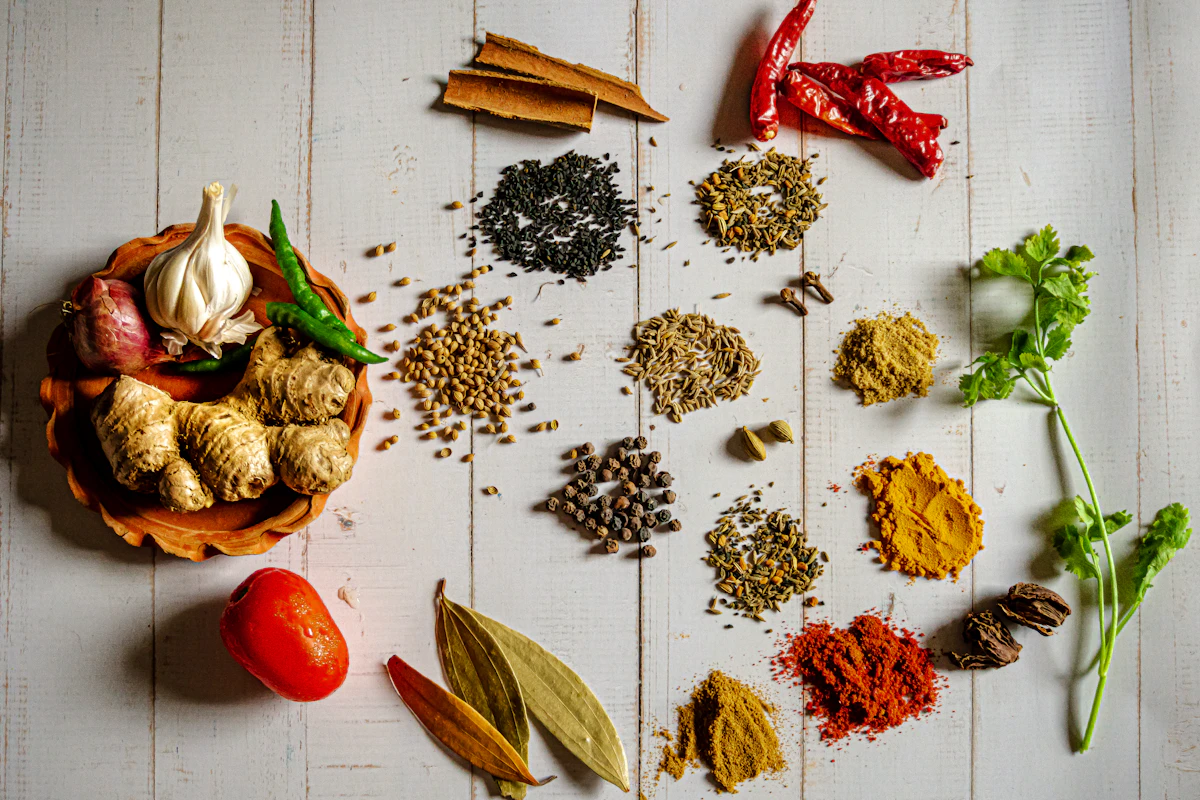
No discussion of Malagasy food is complete without addressing vanilla. Madagascar produces between 70–80% of the world's vanilla, and this extraordinary spice permeates the island's food culture in ways that go far beyond desserts. In traditional Malagasy cooking, vanilla appears in savoury dishes — zebu braises, chicken stews — in small amounts that add a floral, warm background note without obvious sweetness.
In Dubai, you can access Malagasy vanilla through specialty spice shops in Deira Spice Souk and in the premium food halls at Waitrose and Spinneys. The Malagasy Bourbon vanilla you find here is among the finest in the world — darker, oilier, and more complex than Mexican or Tahitian varieties. If you're cooking Malagasy food at home, this is the ingredient worth splurging on.
Cooking Malagasy Food at Home in Dubai
Until Dubai develops a dedicated Malagasy restaurant (and we're hopeful), home cooking is the most reliable route to authentic Malagasy food. The good news: the ingredients are largely available in Dubai.
What You Can Find in Dubai
Rice (jasmine or long-grain), ginger, garlic, tomatoes, coconut milk — all available at any supermarket. Cassava leaves for ravitoto can be found dried at some African food suppliers in Al Qusais and Deira's smaller grocery stores. Zebu beef specifically is not available in Dubai, but grass-fed beef from similar breeds (Australian Wagyu cross, for example) provides a reasonable substitute. Fresh vanilla pods from Madagascar are available at Deira Spice Souk for around AED 30–50 per pod.
What's Harder to Find
The anamalaho plant (brèdes mafane) used in romazava — which creates the distinctive tingling sensation — is the hardest ingredient to source. It's occasionally available at speciality African grocery stores in Al Qusais but requires asking specifically. Without it, romazava loses its most distinctive characteristic; substitute with a combination of spinach and watercress for a reasonable approximation.

Is there a Malagasy restaurant in Dubai?
As of early 2026, there is no dedicated Malagasy restaurant in Dubai. However, some pan-African restaurants serve dishes that overlap with the Malagasy tradition, and The Island Kitchen at JBR offers an Indian Ocean island menu that includes Malagasy-influenced dishes. The Malagasy community also organises occasional pop-up dining events — follow local diaspora community groups on social media for updates.
What makes Malagasy food different from other African cuisines?
The most distinctive feature is the centrality of rice — eaten three times daily in Madagascar, with everything else as accompaniment. The Malay/Indonesian influence (particularly coconut milk and rice culture) sets it apart from most mainland African cuisines. The unique herb anamalaho (brèdes mafane), which creates a temporary tingling/numbing sensation, is found nowhere else in the world's cuisine. And the quality of the vanilla — used in savoury as well as sweet contexts — is simply unparalleled.
Can I find Malagasy vanilla in Dubai?
Yes — Deira Spice Souk has several traders selling Malagasy Bourbon vanilla pods. Quality varies; look for pods that are dark, oily, and pliant (not dry or brittle). Good pods sell for AED 30–60 each. Waitrose and Spinneys also stock Malagasy vanilla extract and pods in their premium grocery sections.
Explore More: Madagascan & Indian Ocean Food Guides
This is the pillar page for our Madagascan/Indian Ocean island food cluster. Sub-guides are coming:
- Best Madagascan Restaurants Dubai — coming soon
- Romazava in Dubai — Guide to Madagascar's National Dish — coming soon
- Ravitoto & Malagasy Rice Dishes in Dubai — coming soon
- Indian Ocean Island Food in Dubai: Mauritius, Réunion & Seychelles — coming soon