Namibian Food at a Glance
A remarkable cuisine shaped by desert geography, Owambo and San indigenous cooking, German colonisation, and the shared Southern African braai culture.
- Oshifima — thick white maize porridge (like sadza)
- Kapana — charcoal street-grilled beef at Windhoek markets
- Potjiekos — slow cast-iron pot stew over fire
- Owambo chicken — simple broth-simmered chicken
- Biltong — air-dried spiced cured meat
- Mopane worms — dried caterpillars, a delicacy
- Vetkoek — fried dough bread (German/Afrikaner origin)
- Windhoek Lager — Namibia's globally respected beer
- German bread — sourdough and rye from Windhoek bakeries
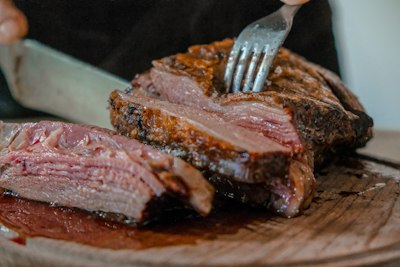
- Oryx meat — the national game meat, lean and rich
Namibia is one of the least densely populated countries on Earth — a vast landscape of desert, savanna and dramatic coastline that shapes everything about how its people eat. Namibian food is built around three pillars: the maize porridge staple (oshifima) eaten with simple, deeply flavoured relishes; the shared Southern African braai tradition of charcoal-grilled meat; and a German colonial legacy that left behind excellent bread, lager beer, and a tradition of preserving meat in ways not found elsewhere in Africa.
In Dubai, the Namibian community is among the smallest of any African nationality — concentrated primarily in the aviation and logistics sectors, with a secondary presence in healthcare. Botswana's Dubai community is even smaller. Together, these Southern African nations have left virtually no restaurant footprint in the city. Finding authentic Namibian food in Dubai means going through the Southern African community network or making it yourself.
The Three Traditions That Define Namibian Food
The Owambo and Indigenous Tradition: Namibia's largest ethnic group, the Owambo, built their cooking around oshifima (white maize porridge), oshikundu (fermented sorghum drink), and simple protein relishes — chicken broth, dried fish from the Kavango River, and preserved meats. This cooking is honest, nutritious, and deeply communal. The flavouring is restrained: onion, salt, and the natural flavour of slowly cooked ingredients. The San people of the Kalahari added game meat traditions and the use of wild plants and insects (including mopane worms) that are uniquely Namibian.
The German Colonial Legacy: German South West Africa was administered from 1884 to 1915, leaving an unexpected culinary mark. Windhoek today has a legitimate German bakery tradition — sourdough, rye bread, pretzels — that surprises every first-time visitor. The national beer, Windhoek Lager, was brewed according to the German Reinheitsgebot (purity law) since 1920 and remains one of the finest lagers produced in Africa. German-Namibian cuisine — Wiener schnitzel, brötchen, Black Forest cake — still exists at restaurants in Windhoek and has been carried by German-Namibian expats to cities across the world.
The Southern African Braai Culture: Namibia shares the braai tradition entirely with South Africa, Zimbabwe and Botswana — the same charcoal, the same boerewors, the same peri-peri chicken, the same potjiekos. Namibians add one distinctive braai element: kapana, the Windhoek street-market style of grilling small pieces of beef over charcoal and serving them immediately with fresh chilli paste. This is the best street food in Southern Africa and almost entirely unknown outside Namibia.
The Essential Namibian Dishes
Namibia's Must-Know Dishes

Botswana Food: A Related Southern African Cuisine
Botswana's cuisine shares enormous overlap with Namibia's and deserves mention in the same guide. Both countries centre on a thick maize porridge staple (serobe/bogobe in Botswana), both have a deeply-held braai culture, and both have a tradition of game meat that is unmatched elsewhere in Africa. Botswana is home to some of the finest beef cattle on Earth — Botswana beef is exported globally and rated among the best — and this quality beef culture defines the country's cooking.
Key Botswana Dishes to Know
- Seswaa — Botswana's national dish. Beef or goat slow-cooked until falling apart, then pounded with a pestle and served with bogobe (maize porridge) or moroho (cooked leafy greens). Simple, deeply flavoured, iconic.
- Bogobe jwa lerotse — millet or sorghum porridge with cooked watermelon flesh. An indigenous Botswana dish rarely seen outside the country.
- Serobe — tripe and offal stew with intestines, simmered slowly. A divisive but deeply traditional dish across Botswana.
- Mopane worms — shared with Namibia and Zimbabwe. Dried or fresh, pan-fried with onion and tomato. A national protein source and delicacy.
- Botswana beef braai — the finest beef you can grill in Southern Africa, cooked simply over charcoal. World-class quality at village-market prices.
Where to Find Namibian and Botswana Food in Dubai
Braai Republic, Dubai Marina — Best Overall Option
The closest Dubai comes to a dedicated Namibian/Southern African restaurant experience. The braai culture, the boerewors, the pap and chakalaka, the peri-peri chicken — all shared with Namibia's cooking tradition. Namibian expats in Dubai name this as their primary eating-out destination. See our Braai in Dubai guide for full details.
South African Specialty Shops for Biltong & Vetkoek
Pick n Pay at Mirdif City Centre carries biltong, boerewors and South African grocery staples that are shared with Namibia. Several independent Southern African deli shops in the Greens, Jumeirah and Arabian Ranches areas stock biltong made locally. These are the best sources for Namibian-adjacent food products in Dubai. Ask in Southern African expat community groups for the current recommended biltong supplier — this changes frequently.
Making Namibian Food at Home in Dubai
Every core Namibian dish can be made at home in Dubai with widely available ingredients. Oshifima uses the same white mealie meal available at Deira's African grocers. Potjiekos requires only a cast-iron pot (available at ACE Hardware) and patience. Owambo chicken needs only a whole chicken, onion, and salt. Kapana-style beef can be approximated with any high-quality beef cut over a charcoal grill. See our recipe section below for specifics on potjiekos and oshifima.
The Namibian and Botswana communities in Dubai are reachable through South African expat networks (they share many social events), the larger Southern African braai gatherings, and specific Southern African church congregations in areas like Jumeirah, the Greens and Mirdif. The most authentic Namibian food you'll eat in Dubai will be at someone's home or a community potluck — invest the effort to make community connections and the food will follow.
Making Potjiekos in Dubai: The Recipe
Potjiekos is achievable in Dubai with a cast-iron casserole pot (a round cast-iron Dutch oven substitutes for the traditional three-legged potjie). Use charcoal if you have outdoor access, or a low oven (150°C) for apartment cooking. The essential technique is layering: meat on the bottom, root vegetables in the middle, leafy greens on top — then seal and leave alone. Stirring ruins the dish.
- Lamb shoulder pieces or beef chuck (1.5kg) — browned in the pot first with onion
- Layer: carrots, potatoes, sweet potato cut in large chunks
- Layer: cabbage wedges, green beans
- Season with salt, pepper, bay leaves, a cinnamon stick, and 250ml stock or red wine
- Seal tightly, cook at very low heat for 3–4 hours. Do not open, do not stir.
- Serve with oshifima (ugali/sadza) or fresh bread
Namibian/Botswana Food Cluster
Related Guides