Botswana Food at a Glance
One of Southern Africa's most distinctive cuisines — shaped by the Tswana people's cattle wealth, sorghum agriculture, wild game hunting and a shared braai culture with Namibia and South Africa.
- Seswaa — slow-boiled, pounded beef or goat
- Bogobe — fermented sorghum porridge
- Morogo — wild leafy greens (African spinach)
- Serobe — offal dish (tripe, intestines, lungs)
- Mopane worms — dried caterpillars, shared with Namibia
- Braai — shared Southern African charcoal tradition
- Samp & beans — maize kernels with kidney beans
- Magwinya — fried dough (like vetkoek/mandazi)
- Phane — mopane worm stew
- Madila — soured fermented milk
Botswana is one of Africa's greatest development success stories — a landlocked nation that transformed from one of the world's poorest countries at independence in 1966 to a middle-income nation built on diamond wealth and sound governance. Its food reflects that journey: a cuisine deeply rooted in cattle herding and indigenous Tswana traditions, gradually enriched by the prosperity that has brought greater variety to Botswana tables without abandoning the fundamental foods that define the nation.
In Dubai, the Botswana community is among the smallest of any African nationality in the emirate — a few hundred people concentrated mainly in the professional and technical sectors. There is no Botswana restaurant in Dubai, nor is one likely to appear soon. But the shared food culture of Southern Africa — the braai, the pap, the biltong — means that Botswana expats are well-served by Dubai's South African food scene, and the most distinctive Botswana dishes live on in home kitchens and community gatherings.
Understanding Botswana's Food Culture
The Cattle Economy: The Tswana people have been cattle farmers for centuries, and beef occupies a central position in Botswana food culture that goes beyond nutrition — cattle are wealth, social status, and the currency of major life events. Botswana beef is genuinely excellent — the country's low population density, vast grazing lands and minimal industrial farming have produced a livestock culture that prioritises quality. Seswaa, the national dish, is the highest expression of this cattle culture: nothing but meat, water, salt, and time.
Sorghum and the Porridge Tradition: Before maize arrived from the Americas, sorghum was the staple grain of Southern Africa — and Botswana has retained it more faithfully than its neighbours. Bogobe (sorghum porridge) is fermented before cooking, giving it a distinctive sour-earthiness entirely absent from maize-based ugali, sadza or oshifima. This slight tanginess perfectly complements the rich fatty broth of seswaa in a way that plain maize porridge does not.
Wild Food Heritage: Botswana's indigenous food traditions include gathering morogo (wild greens — multiple species of African spinach, wild mustard and amaranth), harvesting phane (mopane worms) when available, and hunting game including impala, kudu, springbok and eland. This wild food dimension is largely invisible outside Botswana but remains significant within the country, especially in rural and semi-rural communities.
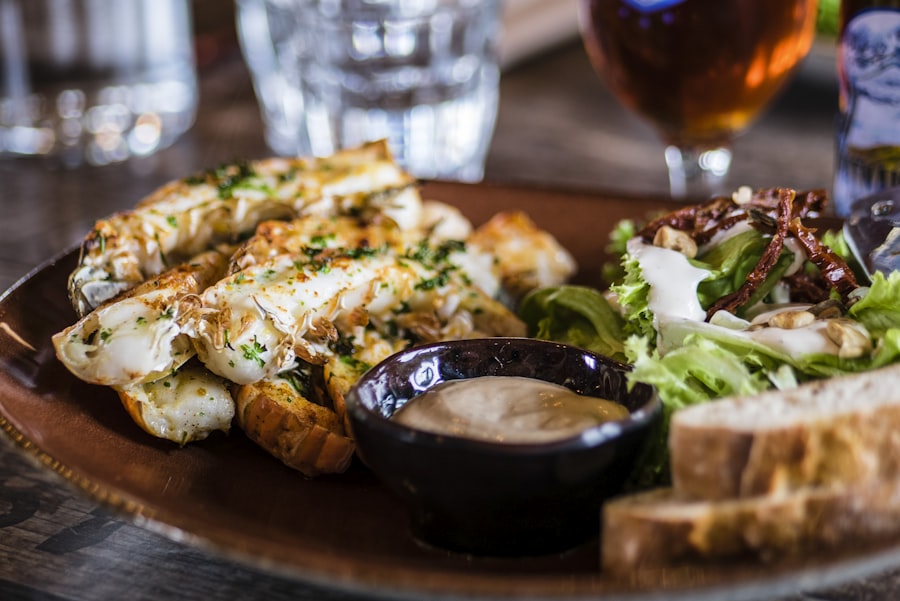
Seswaa — Botswana's National Dish
There is no simpler national dish in Africa than seswaa, and no more satisfying one. Take beef — traditionally with bone, from the tougher cuts like shank, brisket or neck — season with salt, cover with water, and boil for 3–4 hours until the meat is completely falling apart. Remove the bones. Return the meat to the broth and pound it vigorously with a wooden spoon or pestle until it is completely shredded and fibrous, absorbing the rich cooking liquid as you work. That is seswaa.
No tomato, no onion, no spice beyond salt. The flavour comes entirely from the quality of the beef, the slow rendering of collagen and marrow from the bones, and the slightly smoky, intensely savoury reduction of the broth. Seswaa is a dish of pure technique and patience — it is also one of the best things to eat in Africa, and it is impossible to replicate with inferior beef.
Botswana's Essential Dishes

Where to Find Botswana Food in Dubai
The honest answer: you won't find a Botswana restaurant in Dubai. The community is too small, the cuisine too unfamiliar to the Dubai restaurant market, and the key ingredients (bogobe sorghum, mopane worms, specific wild greens) too difficult to source commercially in the UAE.
However, the following options bring you closest to the Botswana food experience in Dubai:
🔥 Braai Republic, JBR — The Closest Braai Experience
For the shared braai culture that Botswana and South Africa both own equally, Braai Republic in JBR is the best Dubai option. Their charcoal-grilled meats, pap (served on their menu as the South African style but essentially identical to Botswana pap), and potjiekos-style slow stew all sit squarely within the food tradition that Batswana recognise as home. Not Botswana-specific, but genuinely within the tradition.
🏡 Community Gatherings — The Only Authentic Option
The real Botswana food experience in Dubai happens at community events and in private homes. The Southern African community networks — connected via Facebook groups "South Africans in Dubai", "SADC Dubai" and WhatsApp groups — occasionally organise events where home cooks prepare seswaa, bogobe and morogo for community dinners. These events are not publicised widely but are accessible by joining the community networks and asking specifically.
🛒 Ingredients: Cooking Botswana Food at Home in Dubai
The key ingredients for Botswana cooking are available in Dubai with some searching. Beef shank and brisket (for seswaa) are readily available at any butcher or LuLu Hypermarket. Sorghum grain can be found at Indian grocery stores in Bur Dubai (look for "jowar"), which sells the same grain under a different name. Morogo-equivalent greens (amaranth leaves, spinach) are widely available. The one ingredient that cannot be sourced in Dubai is mopane worms — these must be brought from home or ordered via international food importers.
Seswaa requires only beef shank (widely available in Dubai, AED 28–35 per kg), salt, and 3–4 hours. Buy bone-in shank from any butcher, cover with water, add two teaspoons of salt, bring to a boil, then simmer covered for three hours. When the meat falls from the bone, remove bones and pound the meat vigorously into the reduced broth until completely shredded. Serve with pap or rice. The simplest great dish in Southern Africa — and completely achievable in a Dubai kitchen.
Namibian & Southern African Food — Full Guide
Related: African Cuisine in Dubai