South African Food at a Glance
One of the world's most culinarily diverse nations — eleven languages, multiple indigenous food traditions, Cape Malay heritage, Dutch-Afrikaner cooking, and a braai culture that is a genuine way of life, not merely a cooking method.
- Braai — charcoal barbecue as cultural institution
- Bobotie — Cape Malay spiced beef with egg custard
- Boerewors — spiced beef coil sausage
- Biltong — air-dried cured beef or game
- Potjiekos — slow cast-iron pot stew
- Pap & chakalaka — maize porridge + relish
- Peri-peri chicken — Mozambican-influenced fire
- Malva pudding — sweet sponge with apricot jam
- Koeksisters — syrup-drenched braided doughnuts
- Chakalaka — spiced bean and vegetable relish
- Cape Malay curry — fragrant, complex, unique
- Biltong & droëwors — cured meat tradition
South Africa's food scene is one of the world's great underrated culinary stories. Eleven official languages reflect eleven food traditions — and the interactions between Zulu, Xhosa, Sotho, Tswana, Venda, Afrikaner, Cape Malay, Indian, Portuguese-Mozambican and British culinary influences have produced a cuisine of extraordinary complexity that is only now beginning to receive the international recognition it deserves.
Dubai's South African community is among the largest non-Arab expatriate groups in the emirate — concentrated in aviation (Emirates Airline and flydubai both employ significant numbers of South African cabin crew and pilots), construction, healthcare, IT and finance. This has created a meaningful South African food ecosystem in Dubai: a dedicated braai restaurant, multiple biltong retail operations, community market events, and a network of home cooks and producers serving the diaspora.

The Five Traditions That Define South African Cuisine
The Braai Tradition: In South Africa, braai (from Afrikaans, cognate with "barbecue") is not a cooking method — it is a cultural institution. Every South African weekend centres on the braai: the building of the fire, the social gathering around the flames, the unhurried grilling of boerewors, lamb chops, sosaties (skewers) and peri-peri chicken, served with pap (maize porridge), chakalaka relish and braai broodjies (toasted cheese-and-tomato sandwiches pressed on the grill). Heritage Day (September 24) is also known as National Braai Day. This culture is fully present in Dubai through Braai Republic and the community braai events.
Cape Malay Cuisine: The most distinctive and historically fascinating of South Africa's food traditions — brought to the Cape by enslaved Malay and Indonesian workers from the 1650s onward. Cape Malay cooking is defined by fragrant, layered spice: cardamom, cinnamon, turmeric, coriander and tamarind combined with dried fruit (apricots, sultanas) and slow-braised meat. Bobotie — the baked spiced mince with egg custard — is the national expression. Koeksisters (syrup-drenched braided doughnuts), sosaties (curry-marinated skewers) and Cape Malay bredie (vegetable stew) are equally important. Impossible to find in Dubai restaurants, but entirely possible to recreate at home from readily available UAE ingredients.
The Zulu and Nguni Tradition: Southern Africa's Bantu-speaking peoples contributed the foundational starch-and-relish structure of South African food — umngqusho (samp and beans, the beloved daily food of Nelson Mandela), imifino (wild greens with maize), isijingi (butternut and maize porridge) and the tradition of slow-braised meat eaten communally. This tradition is the ancestor of the pap-and-relish structure that defines everyday South African eating.
The Biltong and Charcuterie Tradition: South Africa's most internationally recognised food product — biltong (air-dried cured beef), droëwors (dried sausage) and the broader tradition of meat preservation that developed from both Afrikaner and indigenous practice. This tradition is well-represented in Dubai through dedicated retail operations.
The Peri-Peri Tradition: Portuguese settlers in Mozambique developed a chilli-and-lemon marinated chicken tradition using the African bird's-eye chilli (piri piri) that was adopted across Southern Africa — South Africa, Zimbabwe, Namibia and Mozambique all claim peri-peri as their own. Nando's brought this tradition to a global franchise, but the authentic South African peri-peri tradition is something bolder, looser and more fire-forward than any chain can replicate.
The Best South African Food in Dubai
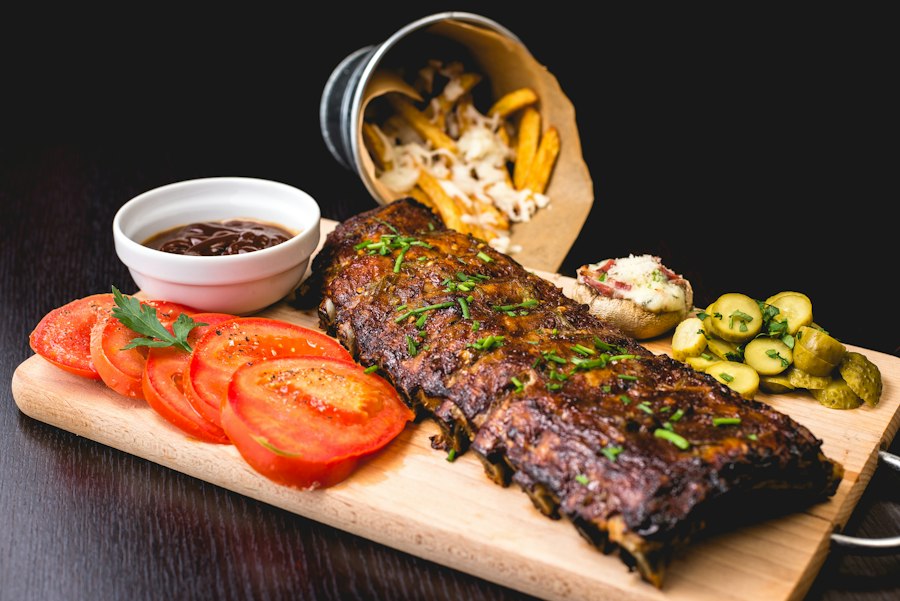
Braai Republic — JBR, Dubai Marina
Dubai's definitive South African restaurant — the only dedicated braai establishment in the emirate offering the full South African outdoor cooking experience. Braai Republic has built its entire identity around the charcoal fire tradition: boerewors rolls, peri-peri chicken, lamb chops, slow-cooked potjiekos, pap and chakalaka, and the communal, unhurried atmosphere of a South African weekend braai transposed to a JBR waterfront setting.
Non-negotiable orders: the boerewors roll (AED 65) — hand-coiled beef sausage on a fresh roll with Mrs Ball's chutney, the potjiekos of the day (AED 95–120) with pap, and the peri-peri chicken skewers (AED 85). The braai platter for two (AED 220) is the full experience — boerewors, chicken, lamb chops, sosaties, pap, chakalaka and braai broodjie. Book ahead on Fridays and Saturdays, when the South African expat community fills the place.
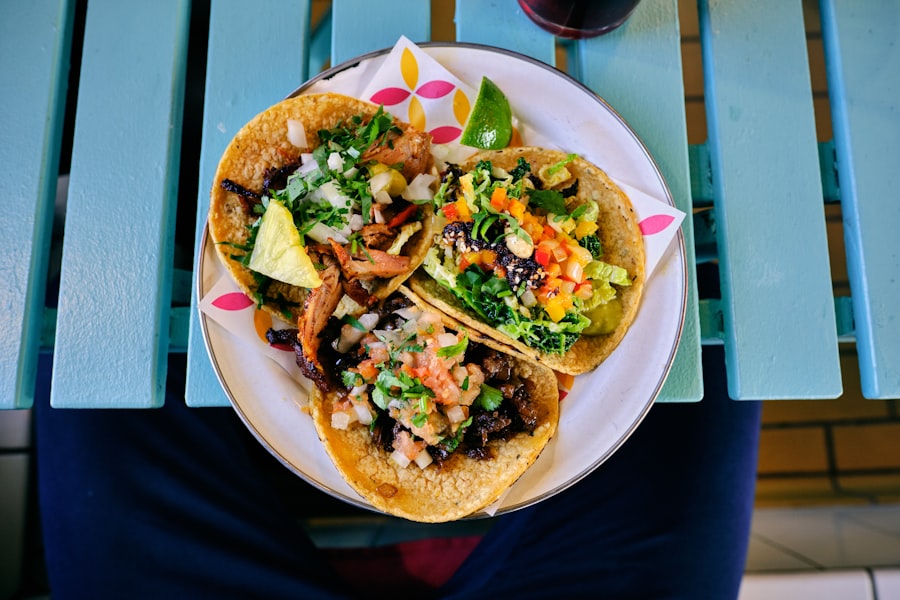
Nando's — Multiple Locations
Portuguese-Mozambican in origin, South African in soul — Nando's is as South African a restaurant as exists in Dubai. The peri-peri tradition that Nando's has franchised globally was born in South African suburbia, and the Dubai outlets do it justice. Better than most international locations — fresher chicken, bolder spicing, consistently good.
Order the whole peri-peri chicken in Extra Hot (AED 89) — Nando's Dubai genuinely honours the spice level. Pair with maize pap (AED 18) and peri-peri sauce to get closest to the authentic South African experience. Locations in DIFC, Downtown Dubai, Dubai Mall, Dubai Marina and across the emirate.
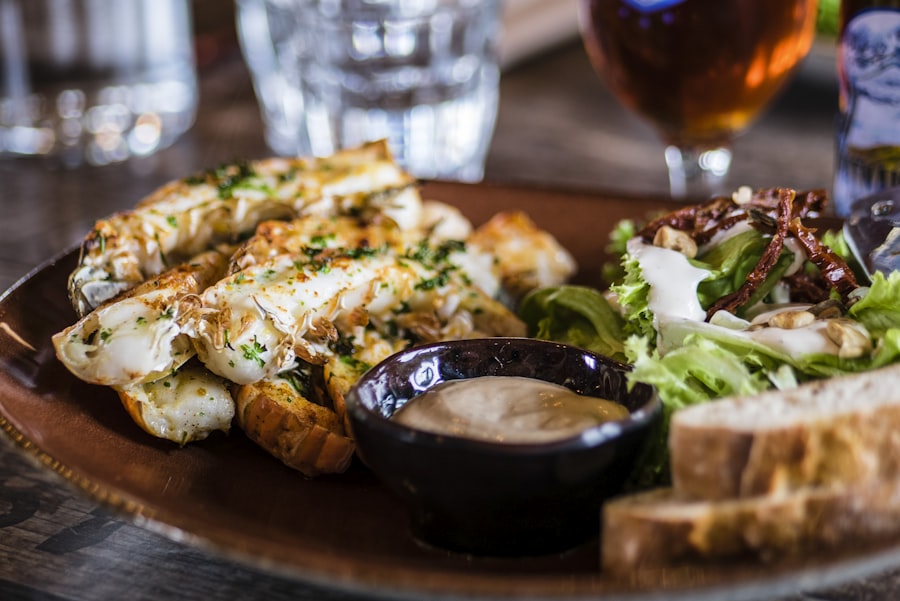
South African Food Traditions — What to Know
South Africa's Essential Dishes
The South African Cuisines of Dubai
The Braai Tradition
The best-represented South African food culture in Dubai — through Braai Republic, Nando's peri-peri, community events and biltong retail operations.
Cape Malay Cuisine
Bobotie, koeksisters, sosaties and Cape Malay bredies — the most distinctive and unfindable South African tradition in Dubai. A home-cooking project.
The South African community in Dubai organises regular braai market events — typically at JBR Beach, Zabeel Park, or community club venues. Multiple home cooks and producers set up stalls offering bobotie, koeksisters, boerewors, biltong, malva pudding and the full South African experience unavailable at any restaurant. Watch Facebook groups "South Africans in Dubai" and "South Africa UAE" for event announcements. These events typically happen on Heritage Day (24 September), National Day weekends, and periodically throughout the year. For the community, they are the most important South African food events in the UAE calendar.
Where to Buy South African Products in Dubai
Beyond the restaurants, Dubai has a growing retail ecosystem for South African products:
- South African Biltong Co. — dedicated biltong shops with full range: biltong, droëwors, boerewors, chakalaka, Mrs Ball's chutney, Ouma rusks, Windhoek Lager. Multiple Dubai locations.
- Spinneys (Al Wasl Road) — best supermarket selection of South African imports including biltong packs, Oros squash, Five Roses tea, Ouma rusks, Tastic rice, and Castle and Windhoek beers.
- Carrefour hypermarkets — occasional South African product ranges, variable by location.
- Online / WhatsApp delivery — South African expat home producers offering biltong, droëwors, koeksisters, melktert and rusks via social media and WhatsApp delivery networks.
South African Food — Full Cluster
Related: African Cuisine in Dubai